Active balancing can improve usable capacity, reduce wasted energy, and help a commercial ESS stay better matched over time, but it only pays off when the whole system is designed well. The real commercial ESS active balancing benefits show up in projects that cycle hard, run near their operating limits, or need tighter control across many series-connected cells.
In a commercial battery cabinet, one weak or drifted cell string can cap the performance of the whole pack. That’s the part people tend to miss. Storage buyers often focus on total kWh, cycle life, or EMS features, but balancing strategy affects how much of that nameplate energy you can actually use day after day.
For commercial and industrial projects, balancing matters more than it does in a small consumer battery because the consequences scale fast. A little voltage mismatch across a few cells is one thing. Mismatch across a high-voltage rack that serves peak shaving, backup power, or microgrid work is another.
What active balancing actually does inside a commercial ESS
Passive balancing burns off extra energy from higher-voltage cells as heat, usually through resistors. Active balancing takes a different approach. It moves energy from stronger cells to weaker ones instead of wasting that energy.
That sounds like a small design detail. It isn’t.
In a LiFePO4 commercial ESS, the pack’s usable window is usually limited by the first cell that hits the high-voltage or low-voltage protection threshold. If one cell reaches its limit early, charging or discharging has to taper or stop even when the rest of the pack still has room. Better balancing can shrink that mismatch and keep more cells working inside the same usable window.
For a site running daily arbitrage or peak shaving, that can mean:
1. more recoverable energy per cycle
2. less energy bled off as heat during balancing
3. fewer nuisance cutoffs caused by one outlier cell group
4. more consistent charge acceptance near the top of charge
5. better pack uniformity over long cycle counts
6. smoother control for the BMS and EMS
None of that means active balancing is magic. It won’t create capacity that the cells don’t have, and it won’t erase bad module matching, poor thermal control, or aggressive operating strategy. It just gives the system a better chance to use the capacity that already exists.
This is also where commercial ESS active balancing benefits become practical rather than theoretical. In a brochure, every cabinet looks efficient. In operation, the difference shows up when the system cycles often enough for imbalance to accumulate.
Where the gains usually show up first, usable capacity, efficiency, and cycle consistency
The first benefit most operators care about is usable capacity. Not headline capacity. Actual energy the site can dispatch before protective limits step in.
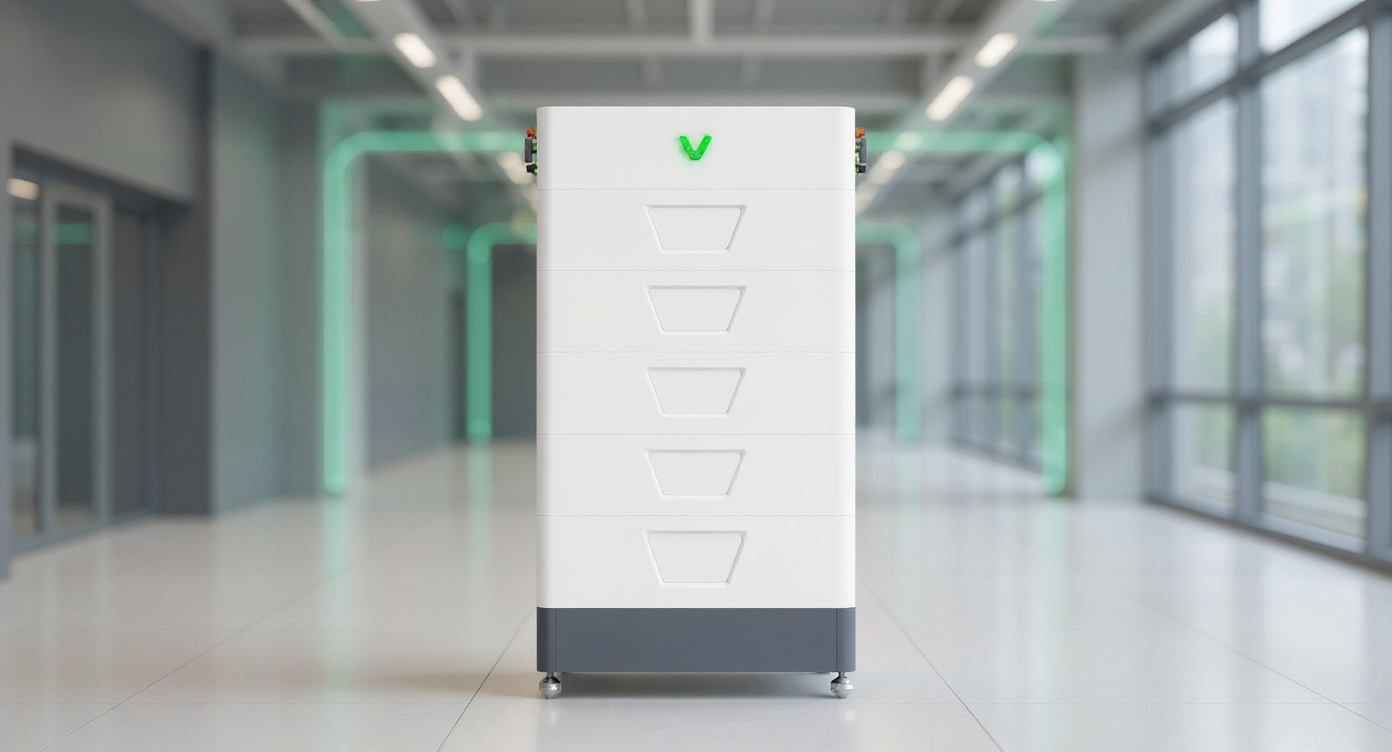
In a high-voltage cabinet with a nominal 96kWh per cabinet, even modest mismatch can force the BMS to leave energy on the table. A system with active balancing is better positioned to keep cell groups closer together, especially across repeated cycling. That matters in commercial buildings and factories where the payback depends on predictable daily throughput rather than one perfect lab cycle.
The second gain is efficiency at the balancing layer. Passive balancing disposes of excess energy as heat. Active balancing redistributes it. The difference won’t rewrite the economics of a whole project by itself, but in larger systems the direction matters. Heat is something you then have to manage, and thermal control is already one of the toughest parts of ESS design.
The third gain is consistency. A storage asset used for peak shaving from Monday to Friday and emergency backup on demand needs stable behavior. When cell divergence grows, operators see more uneven charging, more early protections, and less confidence in state-of-charge reporting.
This is one reason a system like the LITHIUMVALLEY FLEX16 High Voltage C&I Energy Storage System is more interesting than a bare cabinet capacity number. The official product page lists active cell balancing alongside BMS plus AI-assisted EMS, forced-air cooling, remote monitoring, and grid-tied or off-grid operating modes. That’s the right stack to examine together, because balancing only matters inside the larger control and thermal picture.
Safety and compliance still sit above all of this. Balancing helps performance, but it doesn’t replace proper system evaluation, installation rules, or fire testing. For commercial deployments, buyers should be looking at ESS testing and certification pathways such as UL energy storage system testing and certification, then matching that to site requirements and local code.
Active vs passive balancing, the trade-off that actually matters
A lot of explanations make this sound too tidy, as if active is always superior and passive is always cheap but crude. Real projects are messier.
Passive balancing is simpler. It can be adequate when a system has modest imbalance, moderate cycling, and a control strategy that doesn’t push the cells hard near the top and bottom of charge. It may also be acceptable where the owner cares more about lower upfront electronics complexity than squeezing every bit of daily throughput.
Active balancing makes more sense when the battery sees heavy cycling, larger series strings, tighter operational windows, or stronger economic pressure to preserve dispatchable energy. That tends to describe a lot of C&I storage.
Here’s the practical comparison.
| Factor | Passive balancing | Active balancing |
|---|---|---|
| How it handles excess energy | Burns it off as heat | Transfers it to lower cells |
| Impact on balancing efficiency | Lower | Higher |
| Help with usable capacity | Limited when imbalance grows | Better chance to preserve usable pack capacity |
| Electronics complexity | Simpler | More complex |
| Best fit | Light to moderate imbalance, less demanding duty cycles | Frequent cycling, larger packs, tighter performance targets |
| Can it fix damaged or aged cells? | No | No |
The last row matters most. No balancing method repairs a bad cell.
That’s why the best commercial ESS active balancing benefits show up in systems that were already engineered sensibly. Good cell matching, competent cooling, realistic operating windows, and a BMS that doesn’t lose the plot under stress, that’s the baseline.
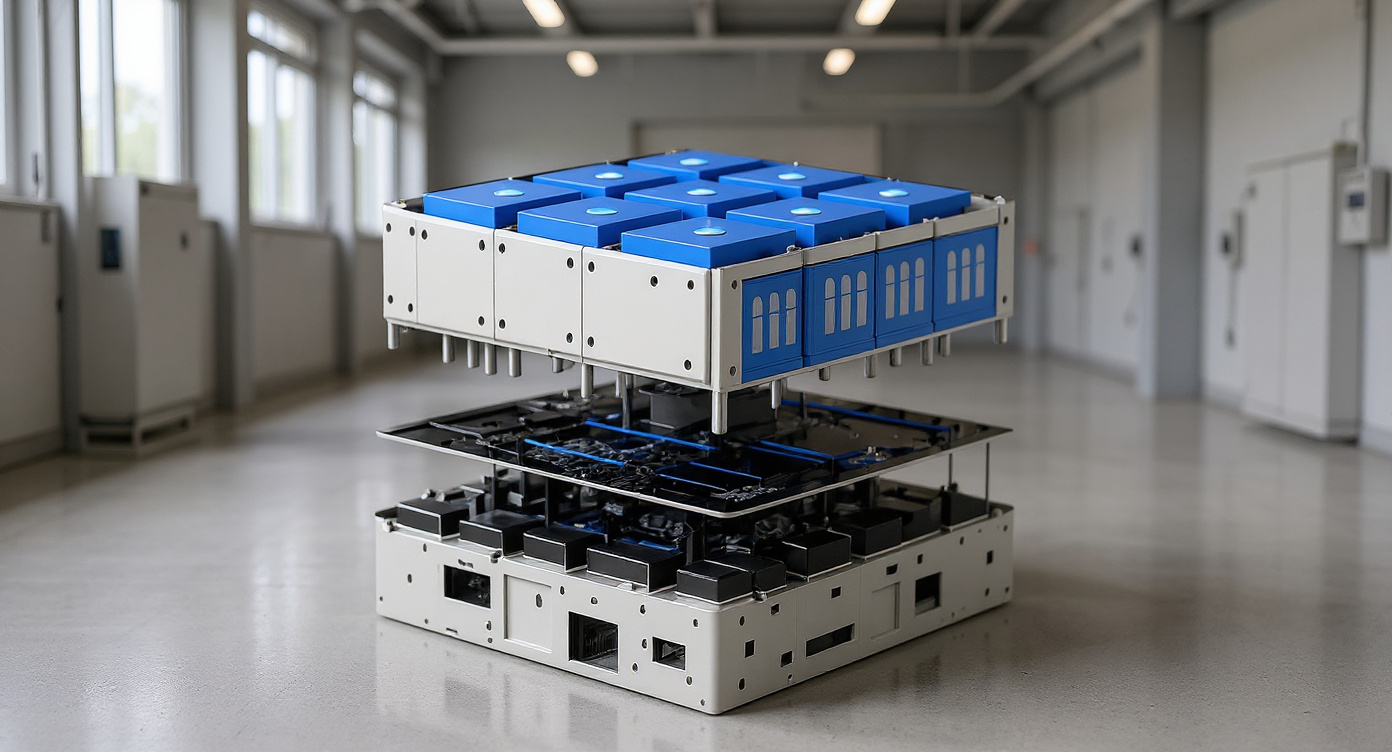
Why balancing can’t be separated from BMS, EMS, cooling, and fire testing
A lot of buyers ask for active balancing as if it’s a standalone upgrade. It isn’t. It’s one layer inside a bigger system.
The BMS monitors cell voltages, temperatures, and protection thresholds. The active balancer manages energy redistribution between cells or groups. The EMS decides how the asset charges, discharges, and responds to tariffs, backup events, or microgrid commands. If any one of those layers is weak, the rest can’t fully compensate.
Take temperature. The official FLEX16 details list forced-air cooling and an operating range of -20°C to +55°C. That’s useful, but it doesn’t mean every project can operate carelessly across that full band with identical results. Cell mismatch tends to get worse when temperature distribution is uneven. So if one cabinet area runs hotter than another, balancing has more work to do and less chance of keeping the whole pack aligned.
Take communications. FLEX16 lists CAN, RS485, and Ethernet. In commercial deployments, that matters because monitoring and controls need to surface cell and cabinet behavior clearly enough for operators to act before small divergence turns into chronic underperformance.
Take procurement. The U.S. Department of Energy battery energy storage system procurement checklist is useful here because it pushes buyers past top-line capacity and into system integration questions, safety, controls, and application fit. That’s where balancing belongs, inside a procurement checklist, not floating alone as a buzzword.
And take fire testing and siting. A project team still needs to understand how product testing intersects with local installation rules and hazard mitigation. UL 9540A and NFPA 855 guidance matters more to site approval than any balancing feature list.
If a supplier talks only about balancing and not about cooling, controls, monitoring, communications, operating modes, and compliance, that’s not enough for C&I work.
When active balancing is worth paying for in C&I storage
It is more likely to pay off when the site cycles every day, depends on accurate state of charge, and needs to preserve dispatchable energy over years rather than months.
A few cases stand out.
Factories doing peak shaving often run predictable daily charge and discharge windows. Small losses in usable capacity repeat over and over, so tighter cell matching matters. Commercial buildings that use battery storage for tariff management have a similar pattern. Microgrid and backup projects can benefit too, especially when they alternate between standby readiness and deeper cycling during outages or fuel-saving events.
Data centers and industrial parks also care about consistency. They don’t just want stored energy. They want a system that behaves the same way on cycle 50 and cycle 2,000 within the expected degradation curve.
Where would active balancing matter less? A lightly used battery that spends most of its life idle, cycles shallowly, and rarely approaches pack limits may not see enough divergence for the extra complexity to move the economics much. In that kind of application, the value may come more from integration quality, service support, and safety documentation than from balancing method alone.
For buyers comparing systems, these are the questions worth asking vendors:
1. At what cell or module level does the balancing function operate?
2. What balancing current or operating logic is used, and under what conditions is it active?
3. Does balancing continue during charge, discharge, idle, or only at certain voltage thresholds?
4. How does the BMS report imbalance trend data over time?
5. How does cabinet cooling affect cell temperature spread during high-load operation?
6. What usable operating window is recommended for long cycle life versus maximum daily throughput?
7. How should the EMS strategy change for peak shaving, backup reserve, or off-grid use?
Those answers matter more than a simple yes or no on whether a system includes active balancing.
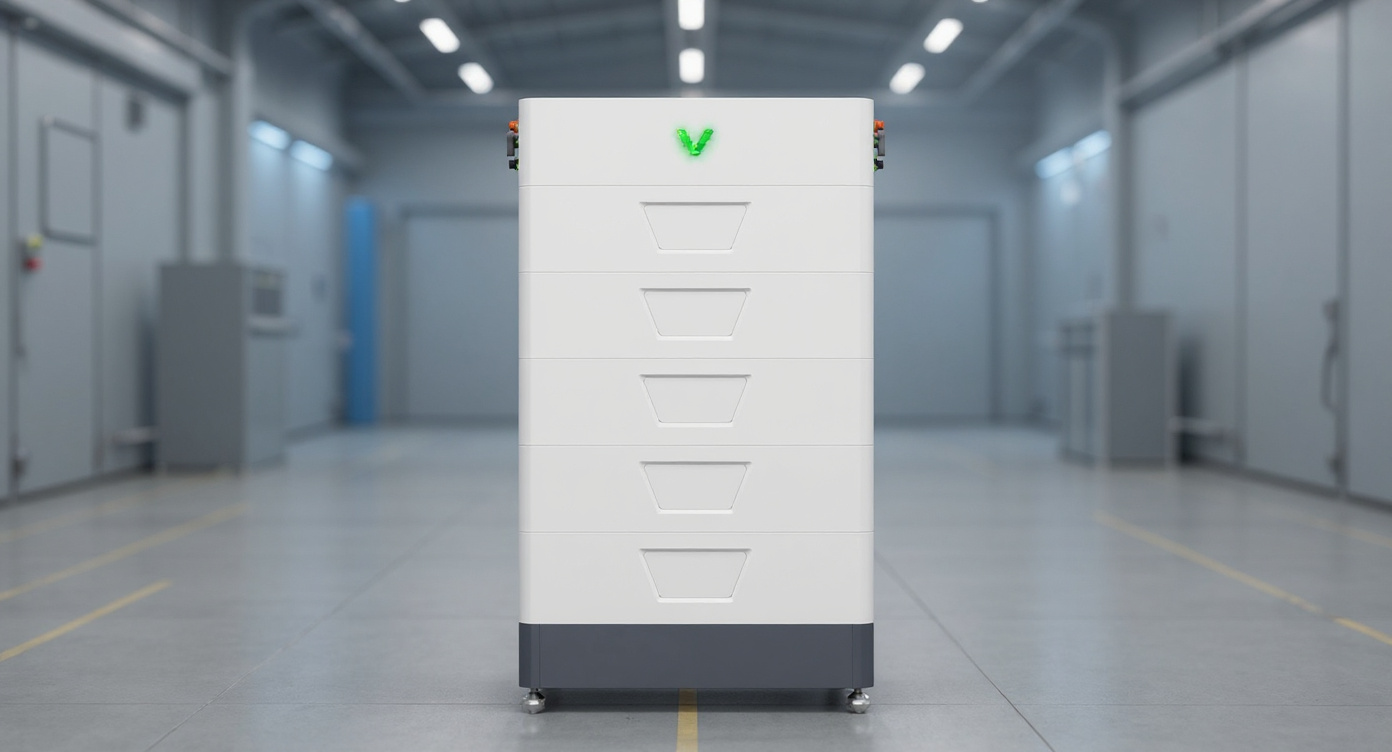
The high-voltage cabinet ESS from Lithium Valley is a good example of why detailed questions matter. Its official page lists modular expansion, active balancing, remote monitoring, wireless cabinet stacking, and at least 6,000 cycles at 80% DOD. It also lists 96kWh per cabinet, up to 12 cabinets, and up to 3.08MWh, and those figures don’t align arithmetically on their face, so the exact maximum configured capacity should be confirmed directly before a project is scoped.
FAQ buyers usually ask before they spec active balancing
What is the difference between active and passive cell balancing?
Passive balancing removes excess energy from higher cells as heat. Active balancing transfers that energy to lower cells. In commercial ESS terms, active balancing is generally better suited to preserving usable energy and limiting avoidable heat when the system cycles frequently.
Is BMS different from active balancer?
Yes. The BMS is the supervisory layer that monitors voltages, temperatures, protections, and overall battery behavior. An active balancer is a specific function or circuit used to redistribute energy between cells or groups. Some systems integrate both tightly, but they are not the same thing.
Will two batteries in parallel equalize?
They can move toward the same voltage when connected in parallel, but that doesn’t mean they are truly balanced in a healthy, controlled sense. Equalization current can be high if the voltage difference is large, and parallel connection does not solve internal cell mismatch, ageing differences, or thermal issues inside each battery.
What is active battery balancing?
It’s a method of moving charge from higher-energy cells to lower-energy cells so the pack stays more uniform. In a commercial LiFePO4 ESS, that can help reduce early cutoffs caused by one cell group hitting voltage limits before the rest.
Does active balancing increase usable capacity in a commercial ESS?
It can increase usable capacity in practice by reducing mismatch losses across the pack. It does not raise the nameplate capacity. What it can do is help the system access more of the capacity that already exists, especially in high-cycle applications.
When is active balancing worth paying for in C&I storage?
Usually when the project cycles often, has strong throughput economics, and depends on stable dispatch behavior over time. Peak shaving, tariff arbitrage, and microgrid projects are common cases. It is less compelling when the battery is lightly used and spends most of its time idle.
Can active balancing fix a battery pack with thermal or ageing problems?
No. It can help manage normal drift between cells, but it won’t repair thermal damage, severe ageing, bad module matching, or a failing cell. If the root problem is heat, degradation, or poor system design, balancing alone won’t save the project.
The bottom line for storage buyers who don’t want surprises later
If you’re weighing commercial ESS active balancing benefits, the right answer isn’t to chase the feature by itself. It’s to ask whether the balancing strategy matches the job, the cycling pattern, the thermal design, and the controls stack.
For a C&I project that needs modular high-voltage LiFePO4 storage, remote monitoring, grid-tied and off-grid modes, and active cell balancing in the same platform, the LITHIUMVALLEY FLEX16 High Voltage C&I Energy Storage System is the kind of option that belongs on the shortlist. If you’re trying to avoid the usual headache of good paper specs that don’t translate cleanly into site performance, you can see LITHIUMVALLEY FLEX16 High Voltage C&I Energy Storage System and confirm the exact project configuration before you commit.