Yes, commercial battery storage can pay back, but only in a handful of use cases where the value stack is real and the controls are set up to capture it. The projects that work tend to reduce demand charges, keep critical loads alive through outages, increase on-site solar use, or avoid expensive service upgrades, not just chase a vague idea of “energy savings.”
A lot of bad projects start with the battery and try to force a use case onto it. The better way is the reverse. Start with the bill, the outage profile, the interconnection limits, and the site’s operating rhythm. Then decide whether storage belongs there at all.
The projects that usually pay back first
The most reliable commercial BESS applications are the boring ones. Peak shaving. Backup for high-cost downtime. Solar self-consumption where export is limited or poorly compensated. Sometimes demand flexibility tied to a utility tariff. These are less glamorous than market trading, but they’re easier to underwrite.
Peak shaving works when a site gets hit hard by short demand spikes. A battery that clips 15-minute or 30-minute peaks can save more money than one that chases small energy arbitrage spreads all day. If a facility has a flat load shape and low demand charges, storage has a tougher job.
Backup value is even more site-specific. A cold-storage building, a small manufacturer with process interruptions, a clinic, or a farm with critical pumps can lose far more from one outage than from a year of minor tariff optimization. In those cases, battery economics aren’t just about kWh shifted from one hour to another.
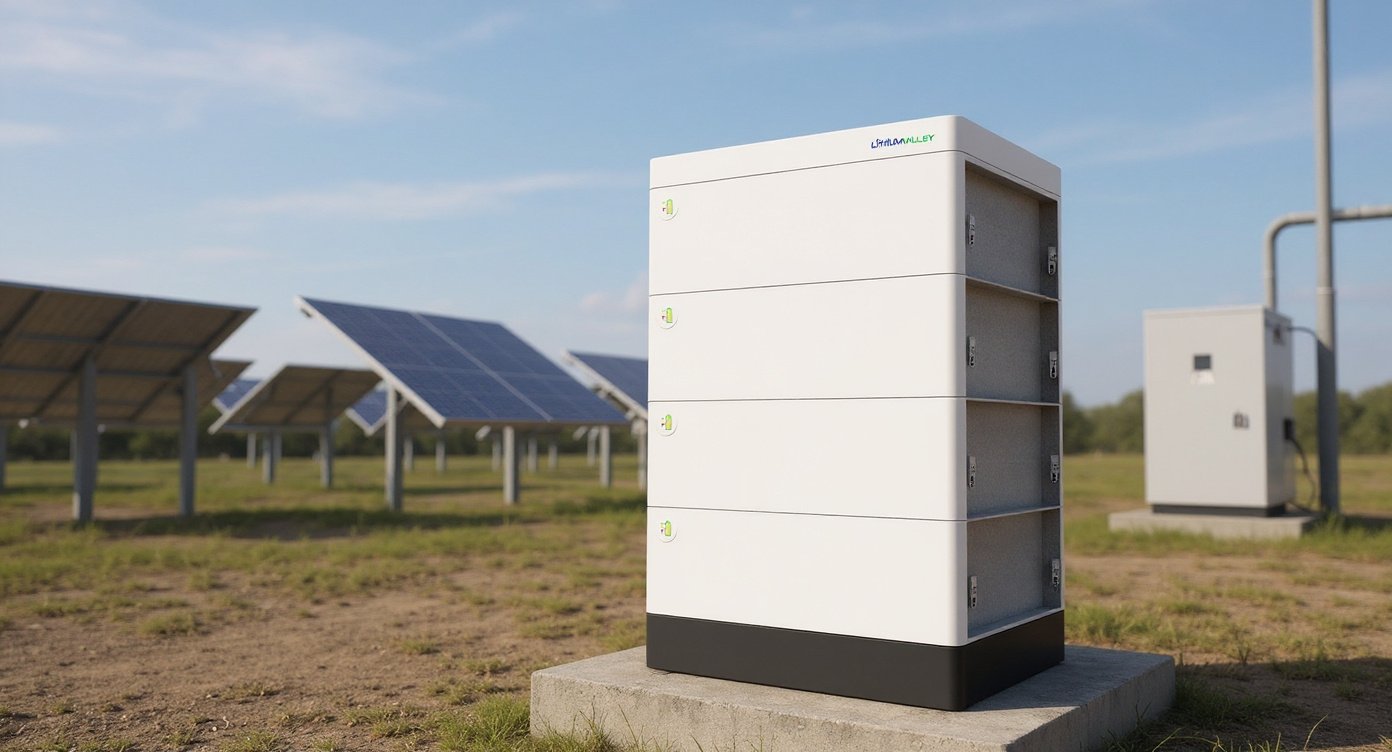
Solar self-consumption can pencil out when the exported solar is worth much less than avoided imported power. A battery stores midday overproduction and pushes it into late afternoon or evening. That gets more interesting when the site already has PV, the utility discourages export, or the main service is constrained.
Where buyers get into trouble is assuming every site can capture all those benefits at once. It can happen, but only if the controls, inverter scope, protection scheme, and operating permissions all line up. A cabinet that’s meant for one duty cycle may not be ideal for another.
What the math actually depends on
Storage economics don’t come from a single number. They come from interactions: load profile, interval tariff, outage cost, round-trip losses, operating window, reserve state of charge, and cycle count. A project with a strong tariff signal but weak controls can underperform a smaller system with smarter dispatch.
For commercial buyers, the first pass usually comes down to five questions:
1. How much of the electric bill is demand charge versus energy charge?
2. How often do short spikes set the monthly peak?
3. Is there on-site solar, and if so, is export restricted or poorly credited?
4. What loads actually need backup, and for how long?
5. Can storage defer a service upgrade, transformer upgrade, or generator runtime?
6. What operating modes are actually approved by the utility, AHJ, and equipment configuration?
That last one gets skipped too often. Plenty of systems look good in a spreadsheet, then hit a wall in permitting or controls integration. The U.S. Department of Energy’s battery energy storage system procurement checklist is useful here because it pushes buyers to define dispatch strategy, interconnection, controls, maintenance, and safety before signing off on hardware.
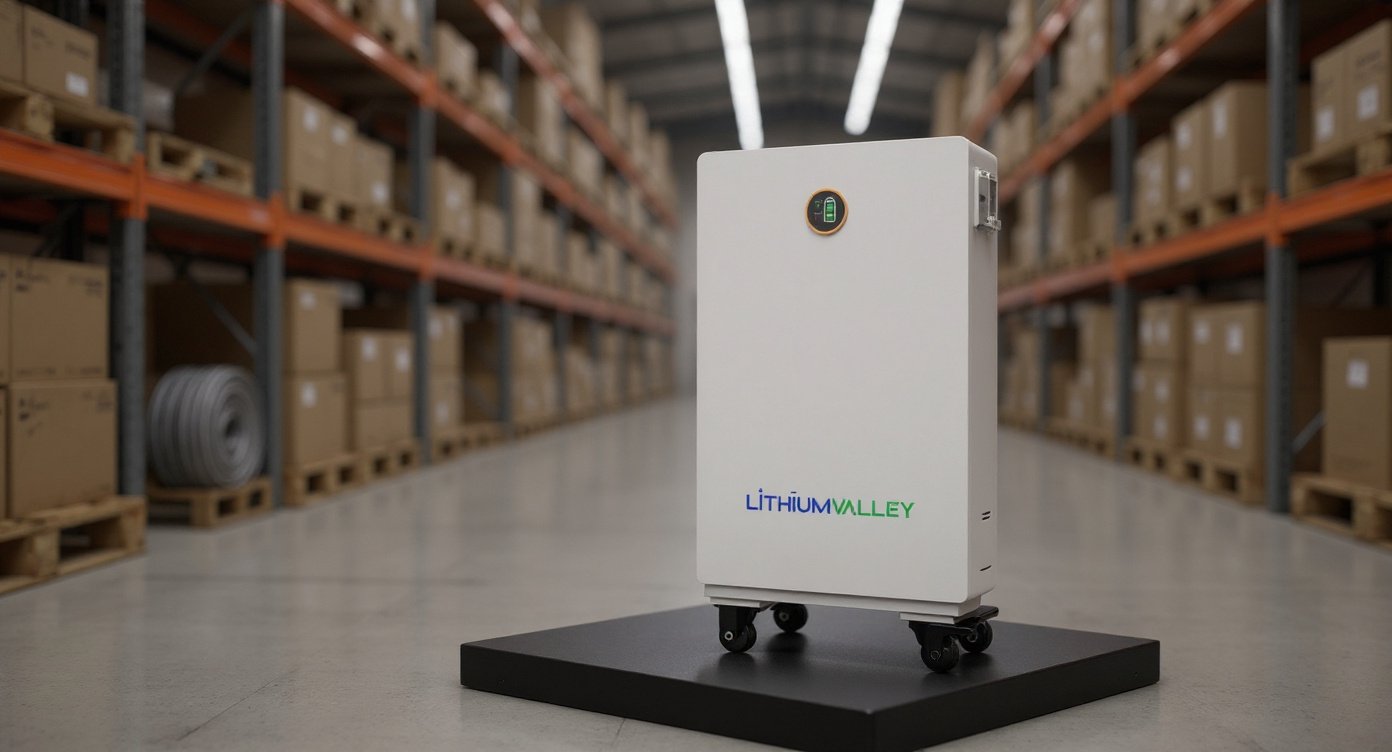
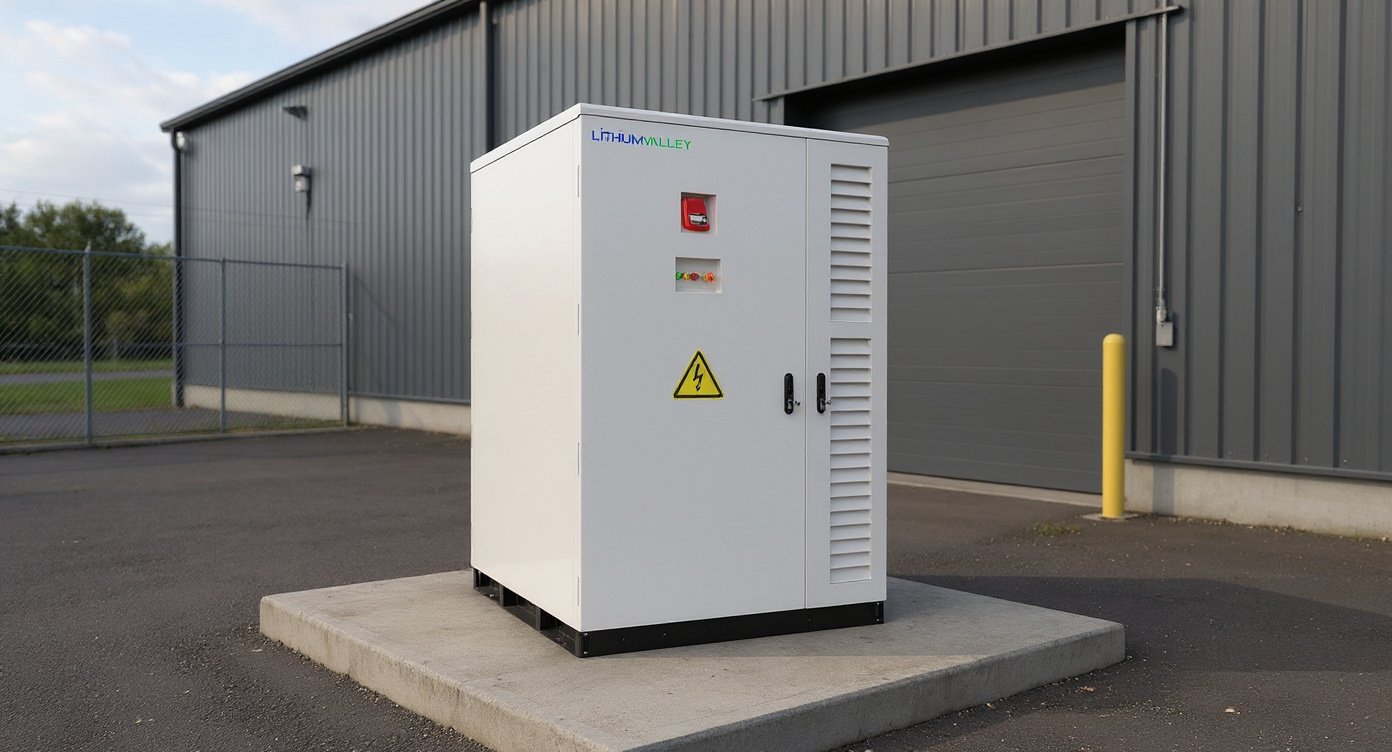
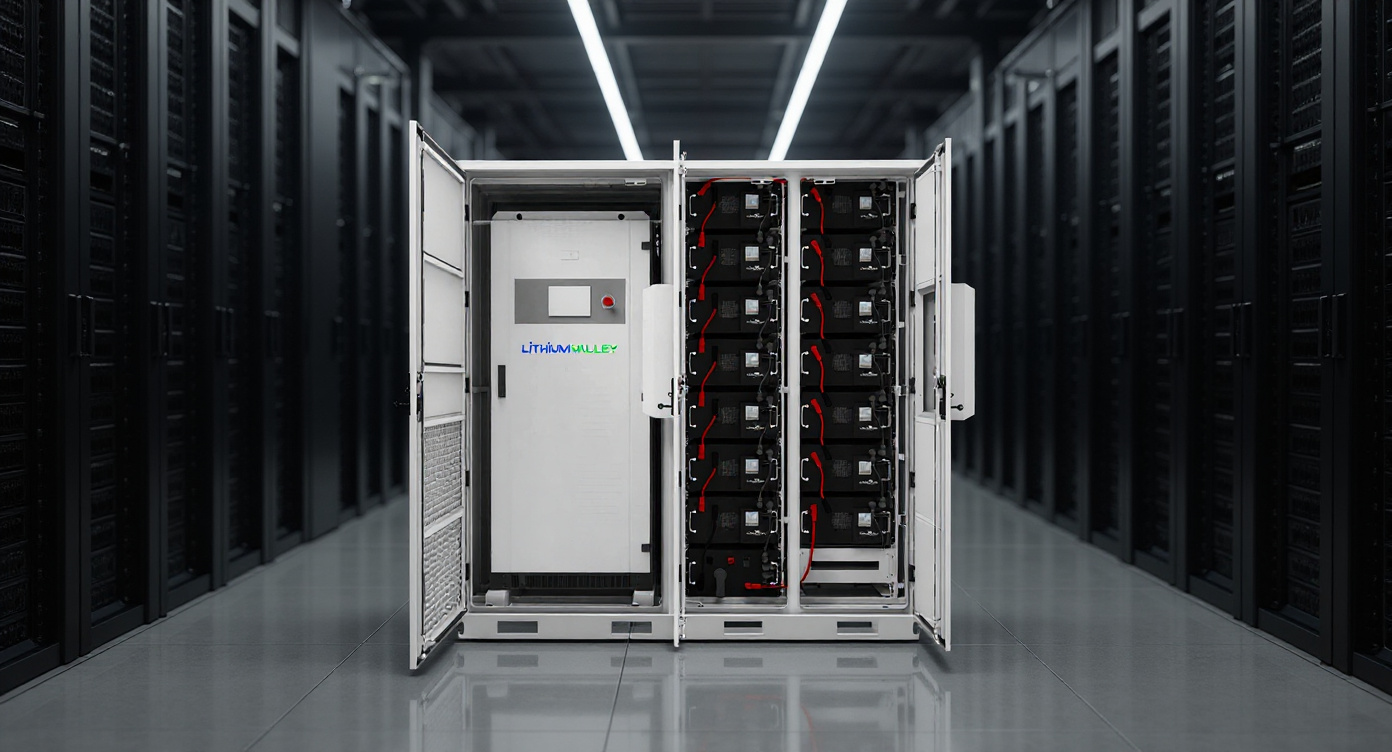
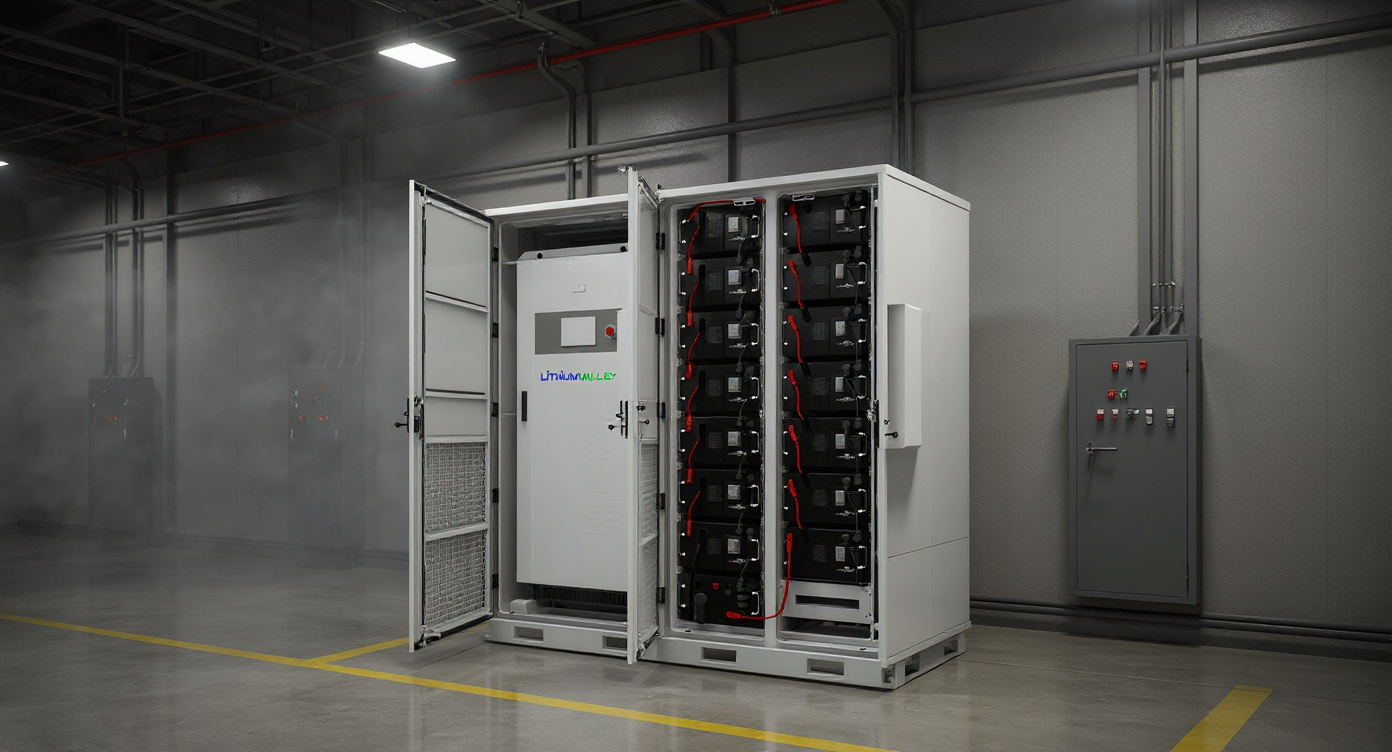
This is also where integrated hardware starts to make sense. A purpose-built Integrated Energy Storage Cabinet for commercial and industrial projects can simplify procurement, but only if you confirm the actual configuration, battery capacity, PCS scope, EMS scope, enclosure rating, cooling method, fire protection, and the approved on-grid or off-grid operating modes for that exact build.
A simple way to think about value is this: the battery has to solve an expensive problem often enough to justify cycling, controls complexity, and capital cost. If the site has one tiny summer peak and no outage pain, the battery may sit there being technically impressive and financially mediocre.
Where commercial BESS applications go wrong
The biggest failure mode isn’t usually the battery chemistry. It’s bad matching.
A system sized for backup only may be too small to make a dent in demand peaks. A system tuned aggressively for peak shaving may keep too little reserve for outage support. If the controls don’t forecast load well, the battery can discharge too early, miss the actual peak, and still leave the site with the full demand charge.
Then there’s interconnection reality. Some buyers assume storage can be dropped behind the meter and used however they want. In practice, export rules, anti-islanding requirements, transfer scheme design, and utility permissions shape what the system can do. A project that needs to support solar plus backup plus peak reduction at the same time has to be engineered for that stack, not patched together after the fact.
Safety scope matters too. Commercial installations need far more than a battery nameplate and inverter brochure. Testing, listing, fire response planning, and installation details all matter. UL energy storage system testing and certification is a useful reference because it lays out the role of system-level certification, not just component-level claims. And UL 9540A and NFPA 855 guidance helps explain why authorities ask about thermal runaway testing, spacing, and installation conditions before they approve a project.
That’s not red tape for the sake of it. It affects siteability, insurance, room design, ventilation, separation distances, and emergency planning. A “cheap” battery package can get expensive fast if it creates friction at every approval step.
One more problem: overselling energy arbitrage. In a lot of commercial settings, buy-low sell-high spreads alone aren’t enough. If your whole project depends on a narrow price spread and perfect daily cycling, the margin for disappointment is wide.
A practical comparison of the main value stacks
Not every revenue or savings stream is equally dependable. Here’s the plain version.
| Use case | What creates value | Best fit sites | Main risk | Notes |
|---|---|---|---|---|
| Peak shaving | Reduces billed peak demand | Facilities with short sharp spikes | Controls miss the actual peak | Often strongest first-use case |
| Backup power | Avoids outage losses | Critical operations, fragile grid areas | Overestimating required runtime | Reserve SOC strategy matters |
| Solar self-consumption | Stores excess PV for later use | Sites with poor export compensation | Solar profile and load don’t overlap well | Good with export limits |
| Service upgrade deferral | Avoids near-term electrical upgrade | Growing loads, constrained service | Battery may only delay, not eliminate upgrade | Needs hard utility coordination |
| Generator optimization | Reduces generator runtime or size | Hybrid off-grid or resilience sites | Control complexity | Stronger in remote or outage-prone settings |
| Market participation | Grid services or tariff response | Advanced projects with approvals | Rules change, revenue uncertain | Usually not the first commercial win |
The pattern is pretty consistent. The strongest projects usually have two value streams, maybe three. More than that sounds great in a slide deck, but every added duty complicates controls and can fight with the others.
For example, a battery held at high state of charge for outage readiness has less room to absorb midday solar. A battery cycled deeply for energy shifting may not be in the best position for a late-day demand event. You can do both, but the dispatch logic has to prioritize one objective over another based on season, tariff window, and site risk.
Leasing, incentives, and the subsidy trap
Battery Energy Storage System leasing can make sense if preserving cash matters more than absolute lifetime cost, or if the buyer wants a service model that bundles monitoring and maintenance. But a lease doesn’t rescue a weak project. It changes who owns the asset and how payments are timed. It doesn’t magically create value where the tariff signal is thin.
Before considering a lease, ask for clarity on these points:
1. Who owns the performance risk if savings miss the model?
2. Who controls dispatch, the site, the integrator, or a third party?
3. What maintenance is included, and what’s excluded?
4. What happens if the facility load profile changes in year 2 or year 5?
5. Are there limits on cycling, backup use, or operating windows?
6. What are the end-of-term options, return, buyout, extension, replacement?
Those details matter more than the monthly payment headline.
The same caution applies to incentives. The CT Energy Storage Solutions program, and programs like it elsewhere, can absolutely improve project economics. But it’s risky to design a project around incentives first and operational value second. Program rules change. Budgets fill. Performance requirements can shape system operation in ways that don’t fully align with the site’s actual pain points.
A healthier approach is to build a project that works on its fundamentals, then let incentives improve the return or shorten the payback window. If the project only survives with maximum subsidy assumptions, it’s fragile.
This is where commercial BESS applications get overhyped. Incentives can help. They shouldn’t be the whole story.
Commercial and utility-scale storage are not the same animal
People often lump all battery sites together, especially when a large proposed installation shows up near homes or farmland. But a behind-the-meter commercial project is a different category from a utility-scale storage plant.
Commercial systems are usually tied to one facility or campus load. Their purpose is local: reduce bills, support backup, improve solar utilization, or manage site power quality and resilience. Utility-scale projects are built to serve grid-level functions like wholesale market participation, capacity, transmission support, or broader balancing.
The differences show up fast:
| Factor | Commercial BESS | Utility-scale BESS |
|---|---|---|
| Primary purpose | Site savings and resilience | Grid services and market participation |
| Typical location | Behind the meter at a facility | Front-of-meter on dedicated sites |
| Dispatch priority | Facility load and tariff needs | Grid operator or market signals |
| Backup role | Often essential | Usually not the main function |
| Project driver | Facility economics | Grid economics and system planning |
That matters for public conversations too. A rural resident worried about a very large battery site is usually reacting to a utility-scale proposal, not the smaller commercial cabinet installed to support one business. The planning, siting, operating profile, and community impact can be very different.
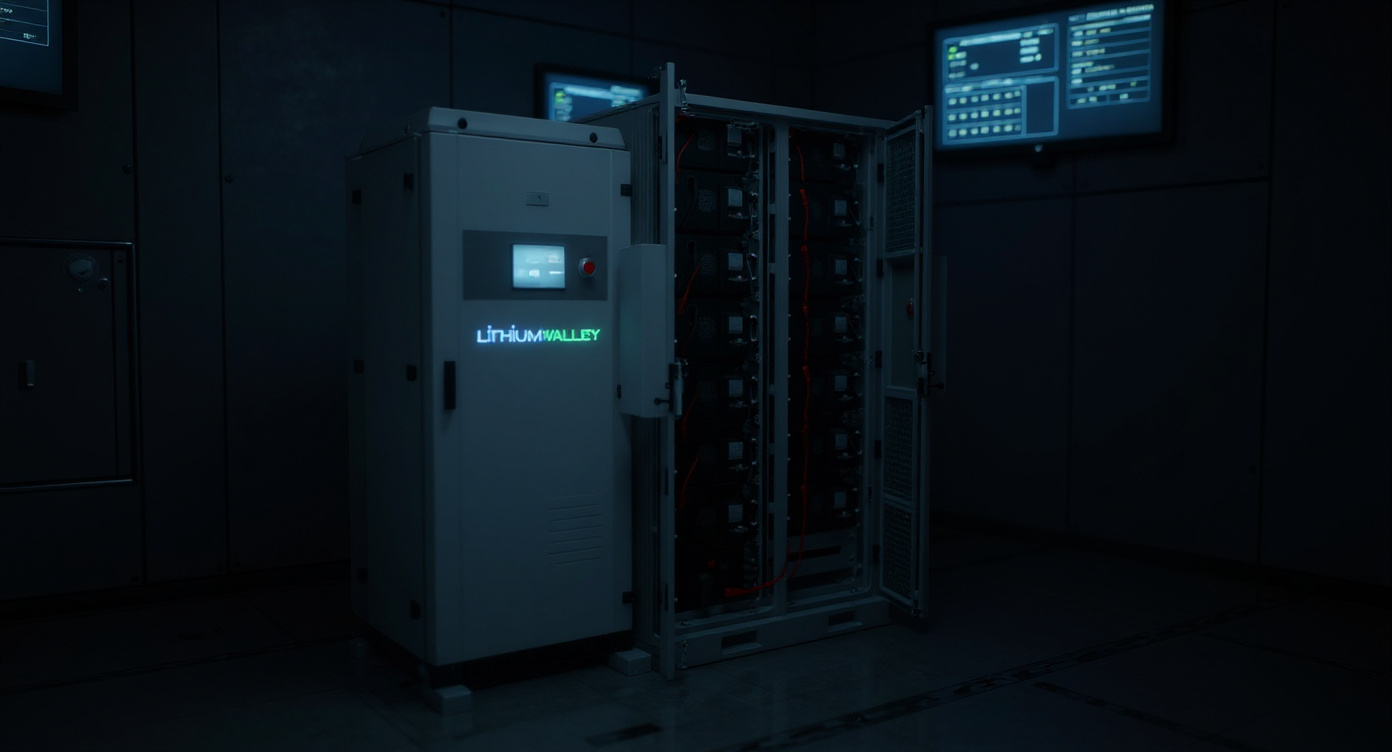
There’s also a design difference inside the fence. Commercial buyers often need a tighter package with integrated supervisory control, battery management, and safety systems because they’re solving a site problem, not building a merchant asset from scratch. That’s why integrated cabinet systems are common in this segment.
What matters most for buyers choosing a system right now
The solar and storage landscape keeps shifting, but a few questions have become more important, not less.
First, can the system do the exact jobs you need, in the combinations you need? “Supports on-grid or off-grid projects” is useful, but it still needs detail. Confirm the PCS role. Confirm the EMS role. Confirm whether the intended configuration supports peak shaving, solar charging, generator coordination, islanding, backup transfer strategy, and the site’s actual load classes.
Second, what is the battery chemistry and what does that mean for the application? In this case, LiFePO4 is a common fit for commercial storage because of its thermal stability profile and broad market acceptance. That doesn’t remove the need for full system-level safety review, but it does tell you the project is built around a chemistry widely used in stationary applications.
Third, ask about operating windows and reserve logic. A battery that looks large on paper can feel small if 20% to 30% of its capacity is routinely held in reserve for backup, or if seasonal dispatch narrows the usable window further. Buyers need to see modeled dispatch, not just nameplate energy.
Fourth, don’t ignore cooling, enclosure rating, and fire protection. Those aren’t side notes. They affect where the equipment can go, what climates it can handle, and how smoothly the approval process moves. For any selected cabinet, those details should be confirmed in writing for that exact configuration, not assumed from a family brochure.
Fifth, think in terms of critical loads, not whole-building fantasy. A lot of disappointment comes from expecting a battery to run everything. Often the smarter design backs up the loads that actually matter and uses the remaining capacity for tariff work when available.
Questions buyers ask before they sign
What is a BESS and why suddenly so many countries are building them?
A BESS is a Battery Energy Storage System, a package that combines batteries with power conversion, controls, and safety systems so electricity can be stored and discharged when needed. More countries are building them because grids now have more variable renewable generation, more peak stress, and more need for local resilience and flexibility.
For commercial projects, how do battery storage economics actually pencil out?
Usually through avoided demand charges, outage cost reduction, better use of on-site solar, and sometimes deferred electrical upgrades. The math is strongest when at least one of those value streams is clear and frequent, not hypothetical.
Battery Energy Storage System leasing?
It can be useful if the site wants lower upfront spend or a service contract structure. But the lease terms need scrutiny. Dispatch rights, maintenance scope, cycle limits, performance guarantees, and end-of-term options matter more than the headline payment.
The CT Energy Storage Solutions program, is it worth designing a project around incentives?
It’s better to design around site economics first. If an incentive improves an already sound project, great. If the project only works under the most favorable subsidy assumptions, that’s a warning sign.
The solar and battery landscape is shifting. What matters most for commercial buyers now?
Practical fit. The load profile, utility tariff, export rules, outage tolerance, interconnection path, and approved operating modes matter more than broad claims about storage growth. Commercial BESS applications only work well when those basics line up.
Our rural dream is under threat from a huge battery storage site. How is commercial BESS different from utility-scale storage?
Commercial storage is usually behind the meter and sized to support a specific facility. Utility-scale storage is a grid asset on a dedicated site and serves much broader system needs. They differ in purpose, siting, dispatch, and community footprint.
What is the difference between commercial and utility-scale BESS?
Commercial systems optimize a building, campus, or industrial site. Utility-scale systems optimize for the grid or wholesale market. One is driven by facility bills and resilience, the other by grid operations and market revenue.
Can a commercial BESS support both solar self-consumption and backup power at the same time?
Yes, if the system architecture and controls are built for both. The trade-off is that reserve capacity for backup can reduce the energy available for solar shifting or peak shaving, so dispatch priorities need to be set deliberately.
So what actually deserves a quote
If your site has demand spikes, weak outage tolerance, export-limited solar, or a looming service upgrade, battery storage is more likely to pay off. If the facility has flat loads, low demand charges, no resilience need, and no interconnection pressure, it may not.
That’s the honest dividing line.
Most buyers aren’t looking for a battery in the abstract. They’re trying to solve a power problem without creating a permitting, controls, or safety mess in the process. If that’s where you are, the Integrated Energy Storage Cabinet is the kind of solution to look at closely because it’s built for commercial and industrial storage with LiFePO4 modules, supervisory control, and scalable on-grid or off-grid use, provided the selected configuration matches the job. If you want to compare it against your site needs, see Integrated Energy Storage Cabinet.