An Outdoor C&I Cabinet with Built-in PCS supplier is worth your time only when the cabinet enclosure, PCS rating, transfer logic, fire package, and certification set all match the site. If they don’t, commissioning gets ugly fast. That’s the short answer.
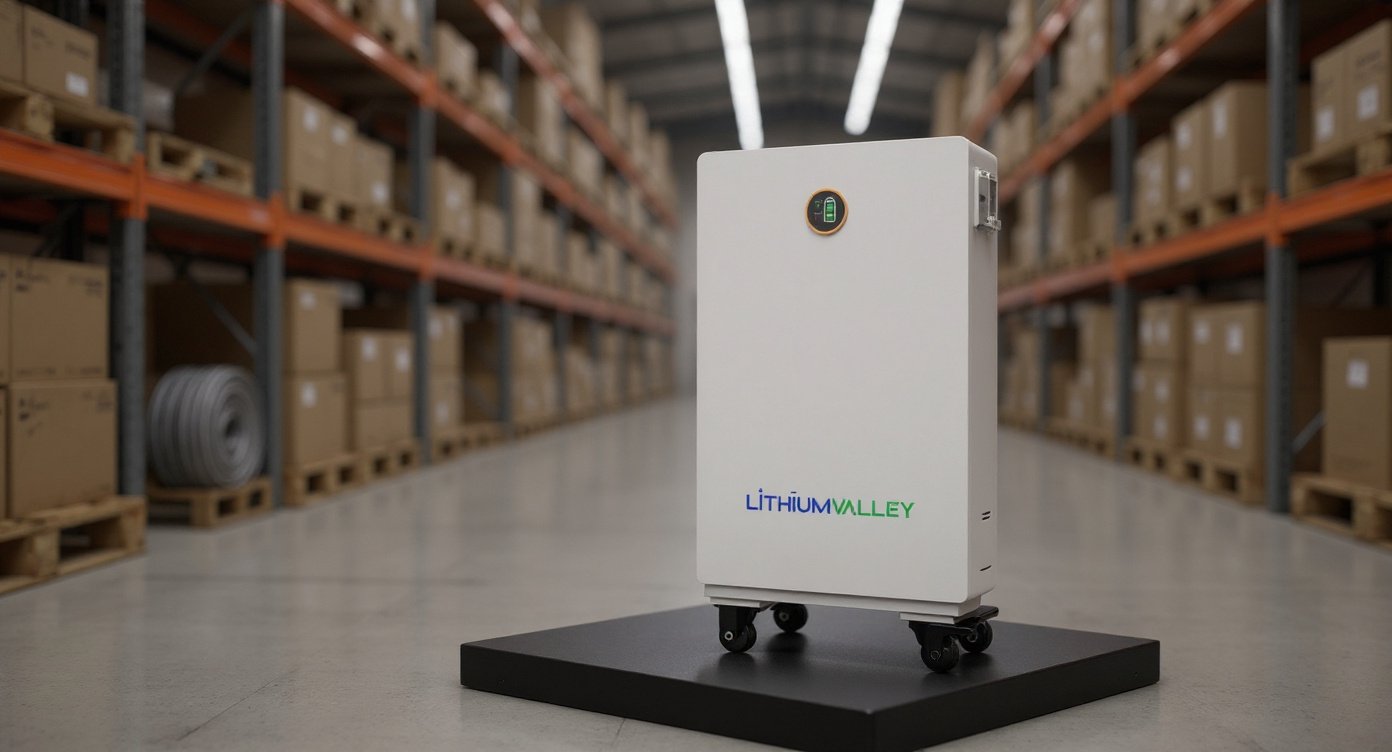
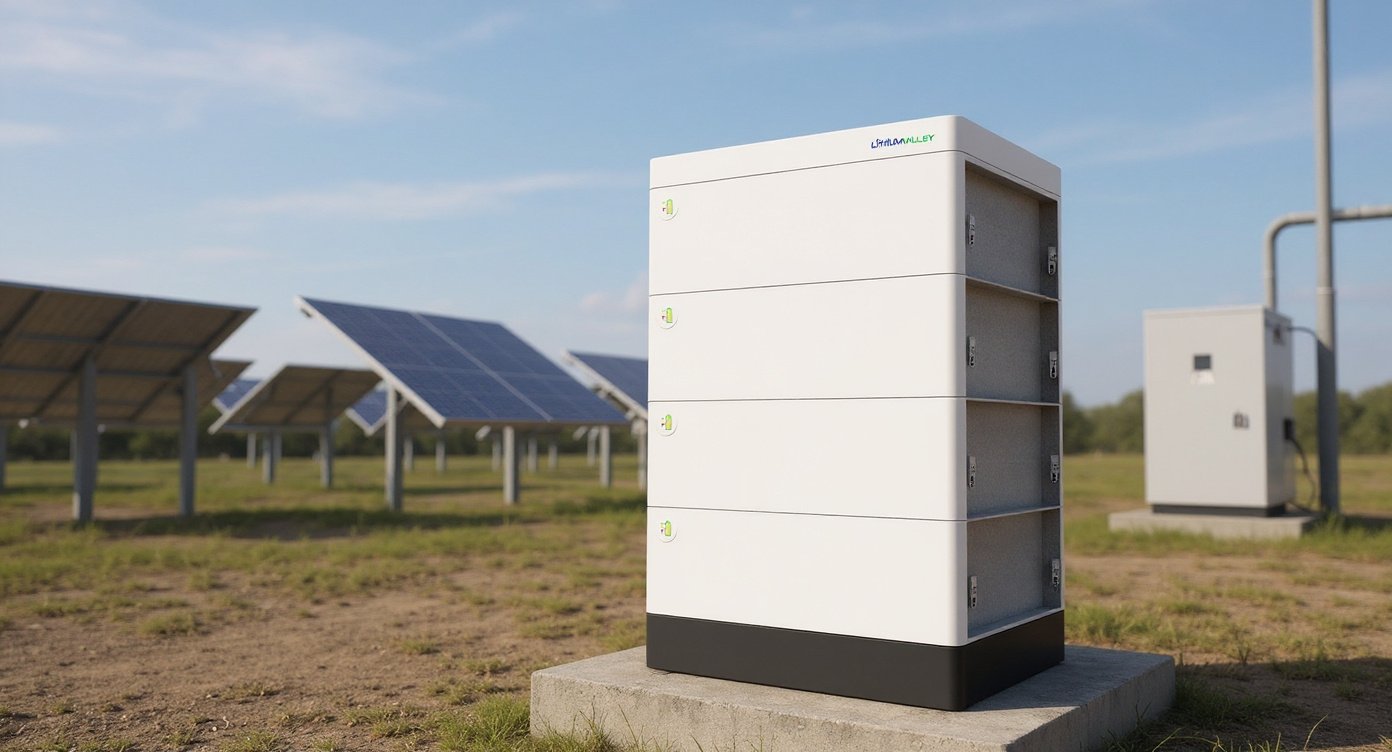
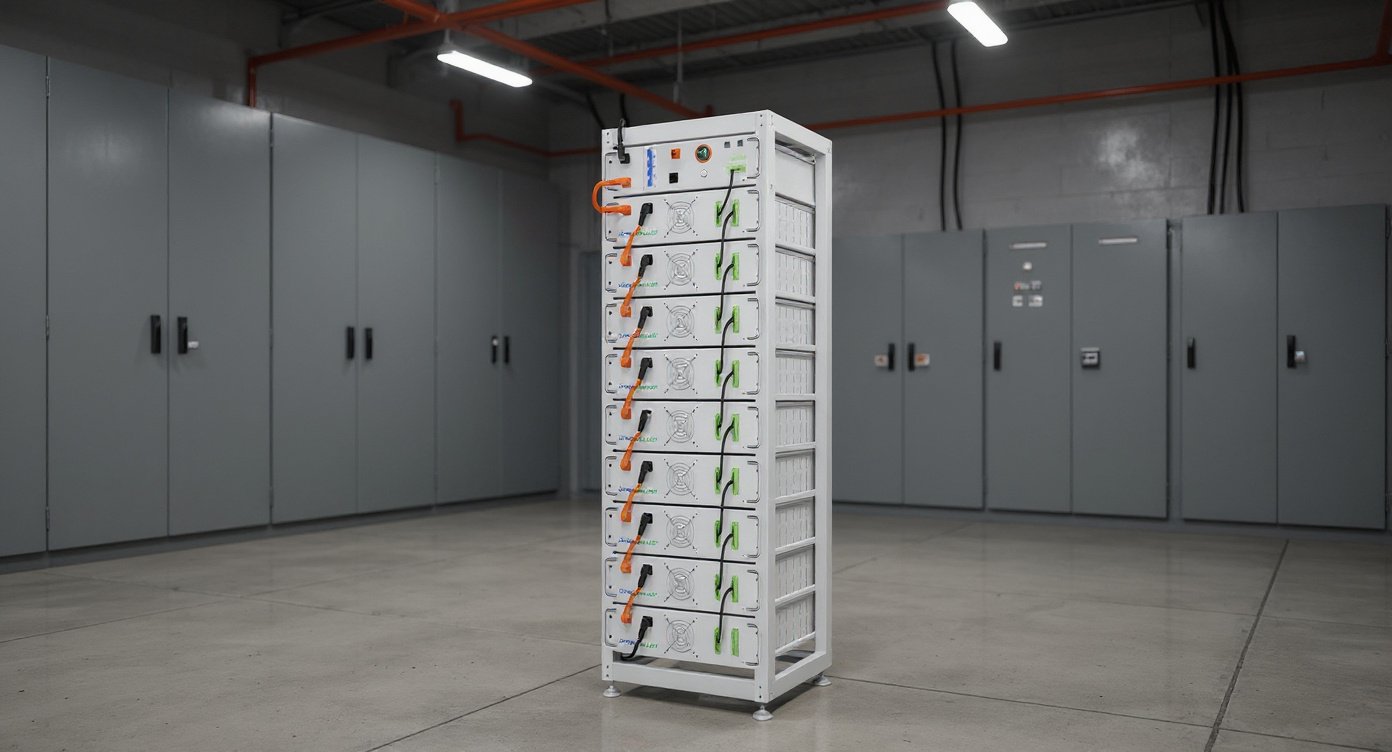
I’m Lena Hart, and I’ve sat through 11 storage procurements for warehouses, cold rooms, and one food plant that kept tripping every Friday afternoon. The pattern is boring. The projects that go smoothly are the ones where the supplier can explain the exact cabinet in the official source images, not just the brochure idea. Same enclosure. Same proportions. Same controls, connectors, colors, labels, and component count. No improvising.
What built-in PCS changes on an outdoor C&I site
Built-in PCS turns a stack of parts into one procurement decision. Good. Also risky. You stop arguing over separate inverter skids and start arguing over one integrated cabinet, which saves field work but puts more weight on the supplier’s internal design.
I’ve seen this go both ways. At a bakery site outside Houston, a cabinet passed the bench test and still missed startup because the EMS alarm priority list didn’t match the PCS fault map. Nobody noticed until the first live transfer. Six weeks gone. Because the site will always find the weak seam.
The built-in PCS cabinet usually helps when you want fewer cable pulls, fewer vendors, and a cleaner FAT/SAT path. It hurts when the project needs weird islanding behavior, custom relay logic, or a utility that wants a very specific protection study. Then the integration becomes the problem, not the solution.
Honestly, if you’re in a humid coastal climate and the supplier won’t show the condensation plan, skip it. Not “maybe later.” Skip it.
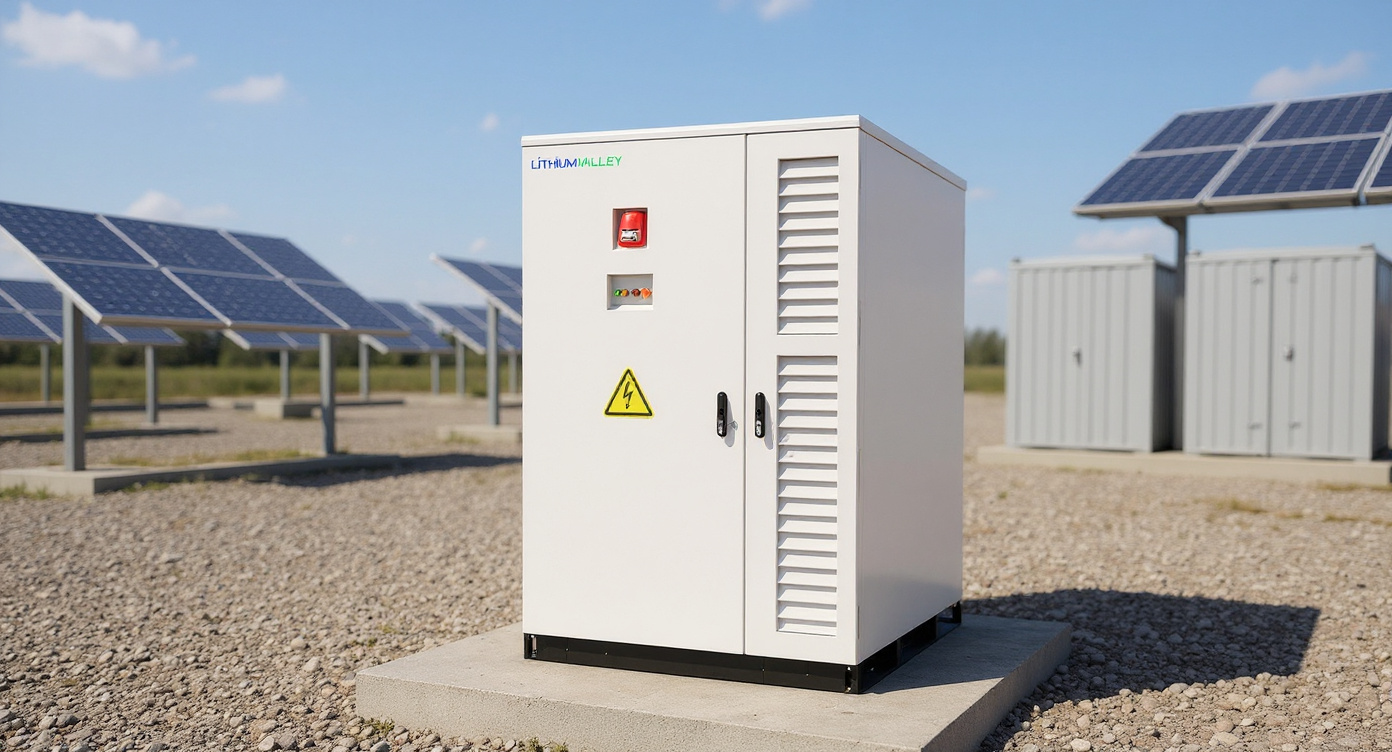
Comparison: built-in PCS cabinet vs separate components
| Item | Built-in PCS cabinet | Separate battery rack + PCS skid |
|---|---|---|
| Field wiring | Usually 4 to 8 main field terminations | Often 12 to 20 terminations, plus more interlocks |
| Commissioning | Faster if the control stack is clean | Slower, but easier to swap one part |
| Footprint | One cabinet footprint, easier on tight sites | More yard space, more clearances |
| Transfer behavior | Supplier-defined, usually less flexible | More customizable for odd microgrids |
| Service access | Simple front-door service, but one fault can stop the whole unit | More isolated service, but more cabinets to maintain |
| Best fit | C&I peak shaving, backup, space-limited sites | Custom utility interface, experimental controls, mixed assets |
That table is the whole trade-off. Simplicity up front. Less flexibility later. No magic.
What the supplier should confirm before quoting
An Outdoor C&I Cabinet with Built-in PCS supplier should answer these questions in plain English before the quote lands.
1. What is the usable energy, not just the nameplate number?
2. What is the PCS continuous rating, and what overload is allowed for 10 seconds or 60 seconds?
3. How does transfer happen on-grid and off-grid, and what is the switchover time under load?
4. What is the exact enclosure rating for the ordered build, including doors, vents, cable entries, and cooling hardware?
5. What fire detection and suppression method is used, and what does the cabinet do after actuation?
6. Which certificates apply to the final cabinet build, not just a loose list of component papers?
That is where a good procurement checklist from the U.S. Department of Energy earns its keep. It keeps the buyer focused on the actual system, not the sales deck.
I also want the control story in writing. If BMS and EMS disagree, who wins? If the PCS sees a grid fault but the EMS wants to ride through, what happens first? That sounds like a software question. It becomes a warranty question fast.
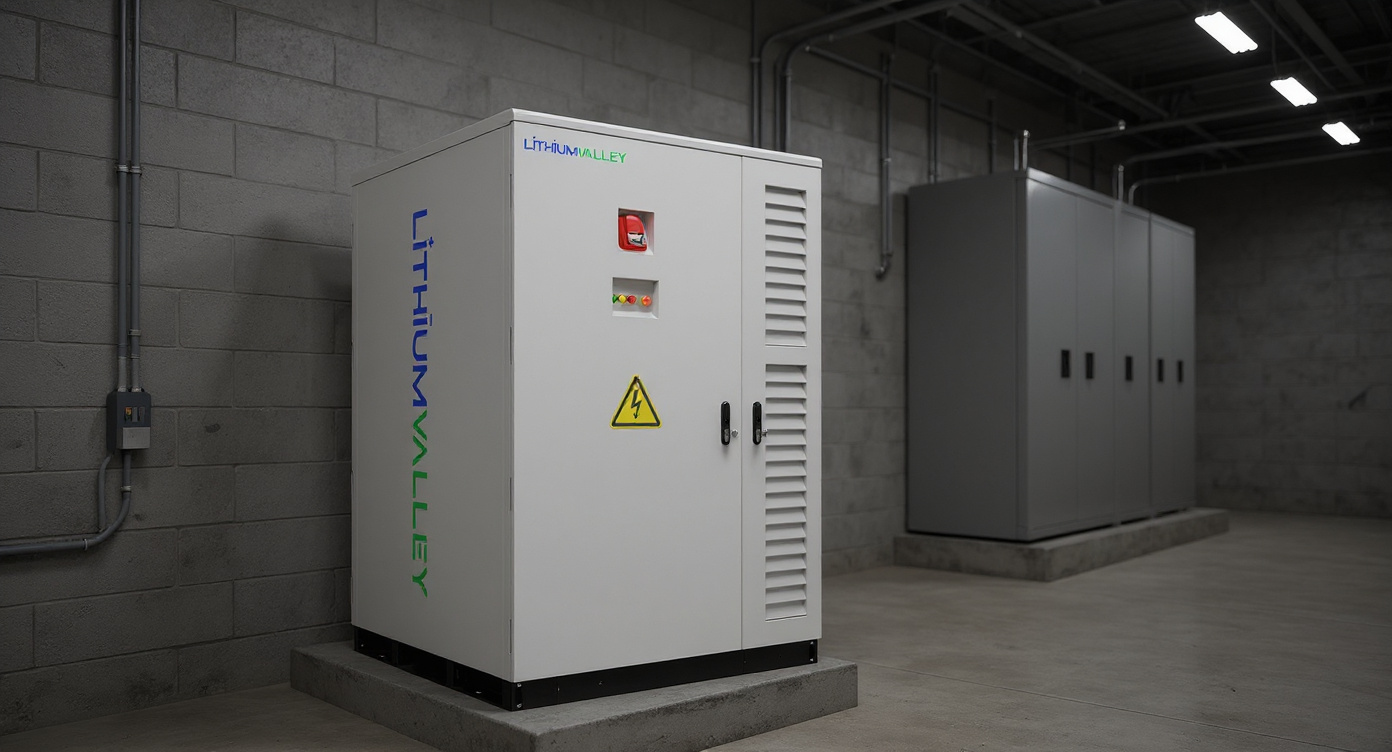
Capacity, PCS power, and transfer mode
These are the numbers that matter most.
| Item | What to verify | Practical threshold I’d ask for |
|---|---|---|
| Capacity | Usable energy under the stated discharge window | Enough for the full target runtime, not a paper number |
| PCS power | Continuous AC output and short overload behavior | Match the load profile, not just the battery size |
| Transfer mode | On-grid, off-grid, or both | Less than 100 ms if sensitive controls stay alive |
| Control layers | BMS, EMS, and PCS responsibility split | No overlapping authority on shutdown commands |
| Thermal window | Ambient range and cooling method | Match the hottest 10 days on your site, not the average day |
| Protection limits | Voltage, current, temperature, fault trips | Clear setpoints, no vague “self-protection” language |
A cabinet with the right capacity but weak PCS power feels slow. A cabinet with strong PCS power but poor transfer logic can still be the wrong product. I’ve watched a 215 kWh unit lose a bid to a smaller cabinet because the smaller one could keep critical loads alive during a 70 ms transfer. That was the only number the plant manager cared about.
This is also where certification language matters. UL’s energy storage system testing and certification page is useful because it reminds buyers to ask about the tested configuration, not just the individual parts inside the box.
Enclosure rating and weather resistance are not side notes
Outdoor storage fails for plain reasons first. Water intrusion. Dust. Condensation. Blocked airflow. Bad pad prep. A cabinet does not need drama to die young.
Ask for the exact enclosure rating on the delivered build. Not a guessed rating. Not a family rating. The exact build. If cooling hardware, door hardware, or cable glands change between quote and shipment, the rating can change too.
I’ve seen a cabinet survive a windstorm and then fail from morning condensation because the site sat next to an irrigation ditch. The hardware was fine. The placement was dumb. The supplier should have said so.
For most C&I sites, I want to see at least IP54. IP55 makes more sense if the site sees windblown dust or hose-down exposure. If the supplier won’t commit to the installed configuration, that’s a bad sign.
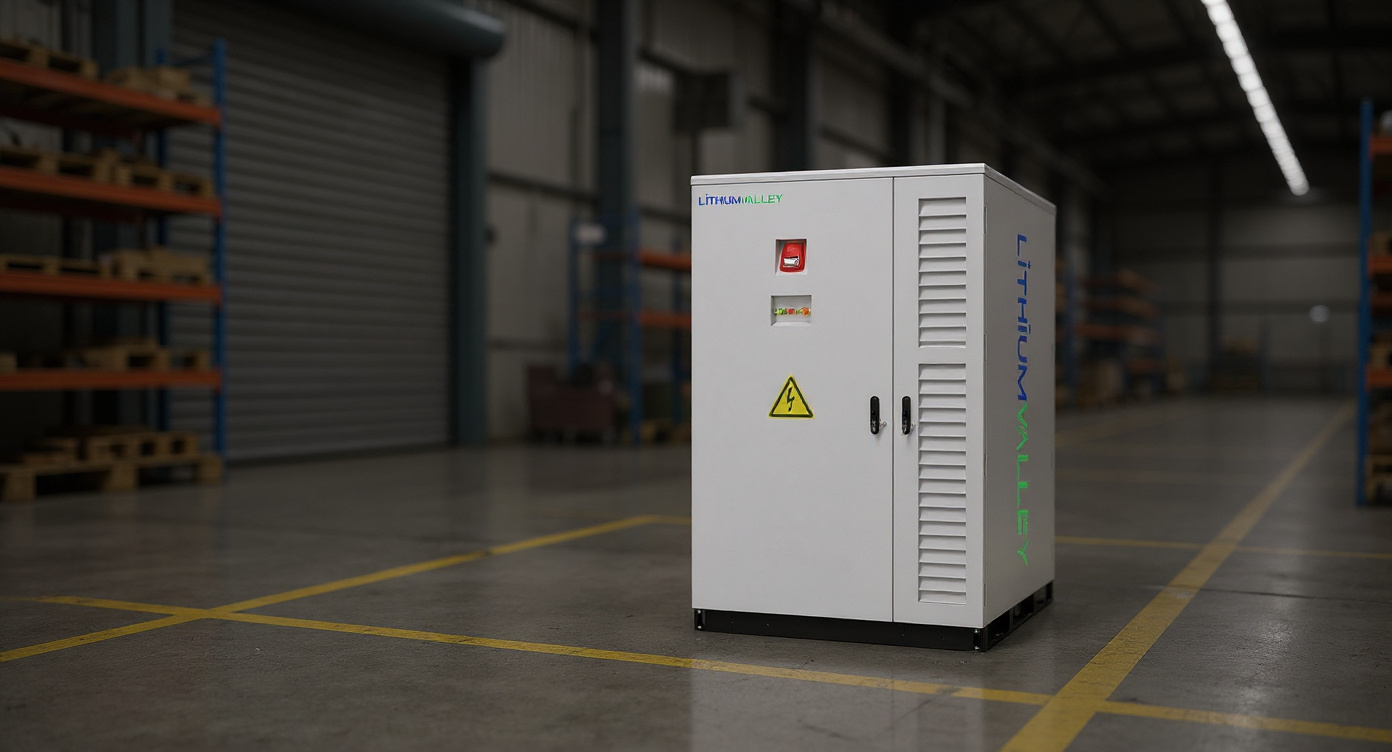
Fire suppression, thermal control, and the paperwork trail
For battery storage, fire protection is part of the purchase decision. Not a bonus. UL’s explanation of UL 9540A and NFPA 855 is worth reading because those references keep showing up when a project needs to show how thermal runaway risk and installation rules were handled.
Do not stop at the phrase “fire suppression.” Ask what gets detected, what triggers the system, what suppressant is used, and what the cabinet does after activation. Containment, suppression, and propagation delay are not the same promise.
A practical check list:
– Ask for the detection method and alarm path.
– Confirm whether suppression is internal, external, or both.
– Verify what happens after a fault trip or discharge event.
– Request the documents tied to the ordered configuration.
– Check local code review against NFPA 855 or site rules.
– Match the thermal plan to the real ambient range.
This is where built-in PCS can sound cleaner than it is. The inverter side may be integrated, but the safety story still depends on the enclosure, software logic, thermal path, and fault response. One loose assumption can undo the whole pitch.
Realistic questions buyers ask
What is a PCS in battery storage?
PCS means power conversion system. It moves energy between the battery and the AC side of the project, so it handles charging and discharging in the language the site uses.
What is the difference between BMS and EMS in BESS?
The BMS watches battery health, cell limits, and protection thresholds. The EMS decides how the system should behave as a whole, including when to charge, discharge, or hold power back.
Can a commercial battery cabinet run off-grid?
Yes, if the cabinet is designed for it and configured that way. The real question is whether the transfer mode, relays, and load protection support the exact loads you plan to keep alive.
What IP rating should an outdoor battery cabinet have?
It depends on the site. I’d start by asking for IP54 as a floor, then move higher if there is dust, wind-driven rain, or washdown exposure. The exact installed build matters.
Does an outdoor BESS cabinet need fire suppression?
Often yes, or at least a documented fire-protection strategy. Local code, insurer expectations, and the thermal profile of the site all affect the answer.
How do you size PCS power for a C&I battery cabinet?
Start with the load profile. Peak shaving, backup support, and fast cycling all pull the PCS rating in different directions. Battery size alone won’t tell you the answer.
How long does a commercial battery storage cabinet last?
It depends on cycle depth, ambient heat, maintenance, and how hard the PCS is pushed. A cabinet in a cool room with gentle cycles will age better than one baked in afternoon sun.
What should I ask for in the submittal package?
Ask for the one-line, protection settings, enclosure rating, fire documentation, transfer logic, and the exact bill of materials for the shipped unit. Not a summary sheet.
Can I replace the built-in PCS later?
Sometimes, but not always without losing certification or creating a controls mess. If serviceability matters, ask that question before the PO, not after installation.
What I’d check before signing the PO
I’d ask for the full submittal set and read it like a contract. Not because paperwork is fun. Because the missing details always hide there.
My order of operations is simple:
– verify usable capacity,
– match PCS power to the load,
– confirm transfer behavior,
– check the enclosure rating,
– review fire and thermal control,
– compare the certification package against the ordered build.
A built-in PCS cabinet is a good fit when space is tight, the site wants fewer field-built interfaces, and the project team wants a cleaner commissioning path. It is a poor fit when the job needs custom islanding, unusual relay logic, or a compliance story nobody can document yet.
That’s why the best Outdoor C&I Cabinet with Built-in PCS supplier is the one that can show the exact configuration before the PO goes out. If you want to compare the ordered setup against the product itself, see Outdoor C&I Cabinet (Built-in PCS) and line it up against your site checklist before you commit.