Yes, if your site needs indoor, rack-mounted, high-voltage storage with real controls and a defined operating window. No, if you want a simple box to toss into a bad electrical room and hope for the best.
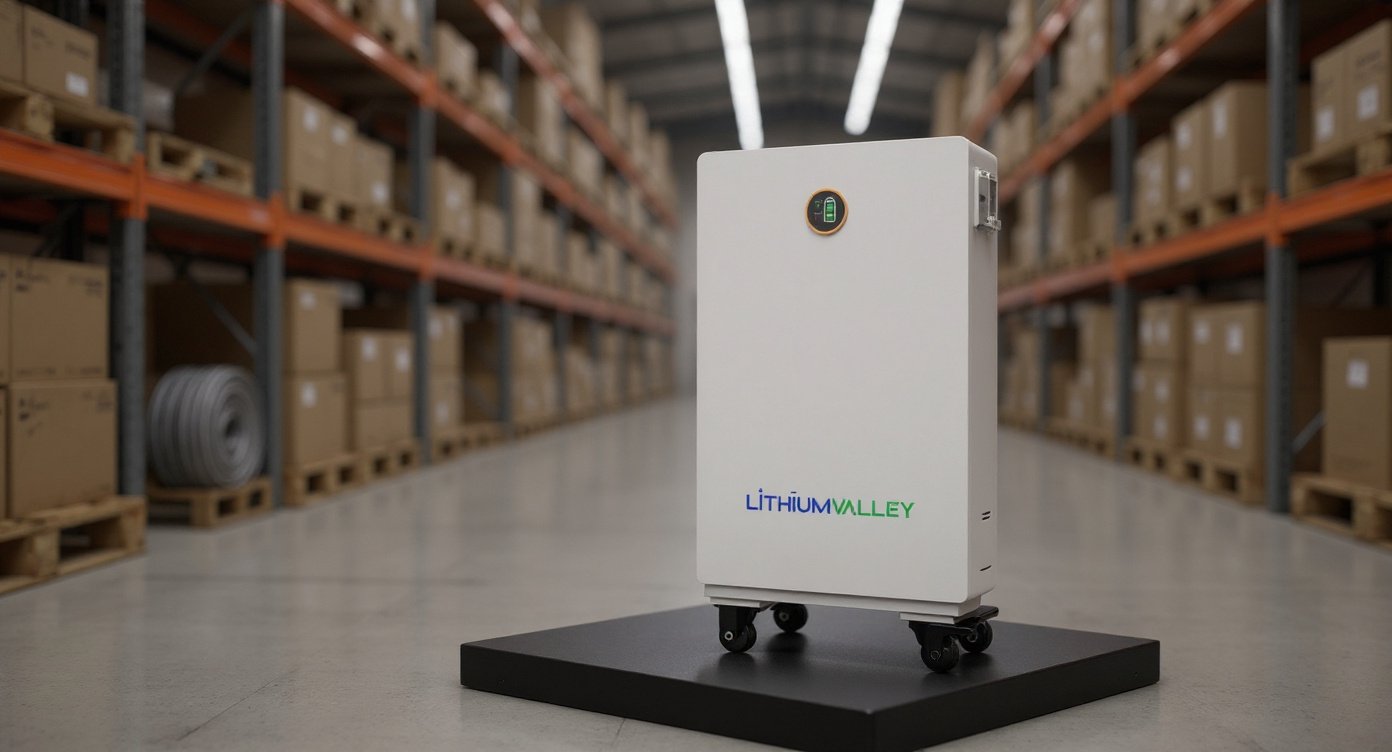
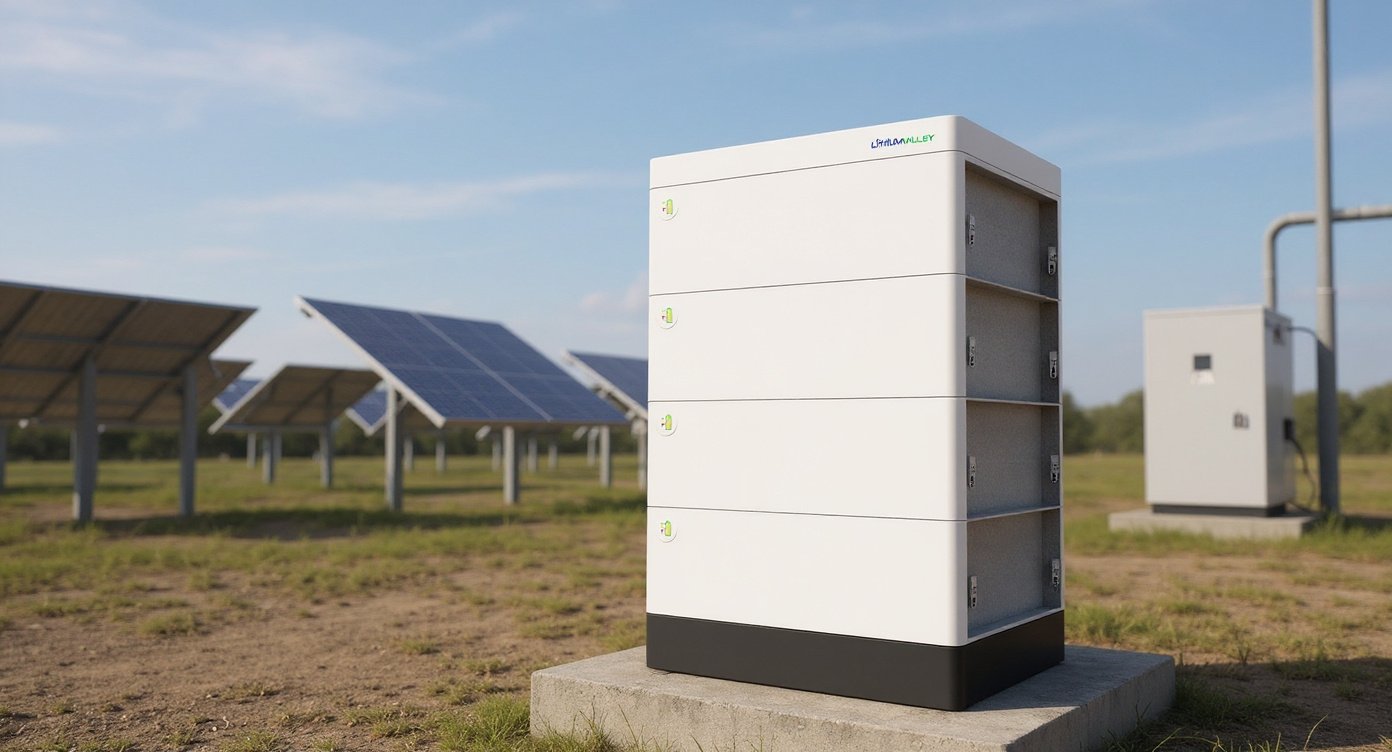
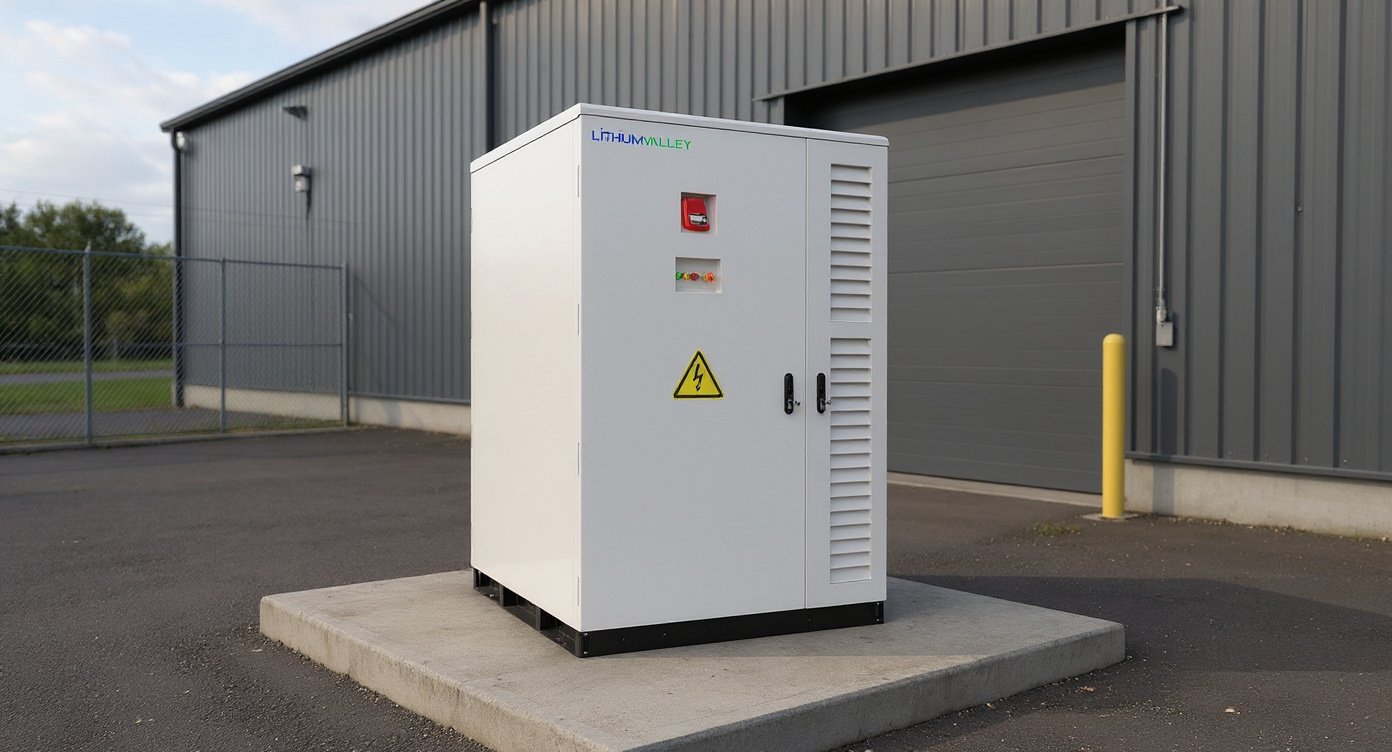
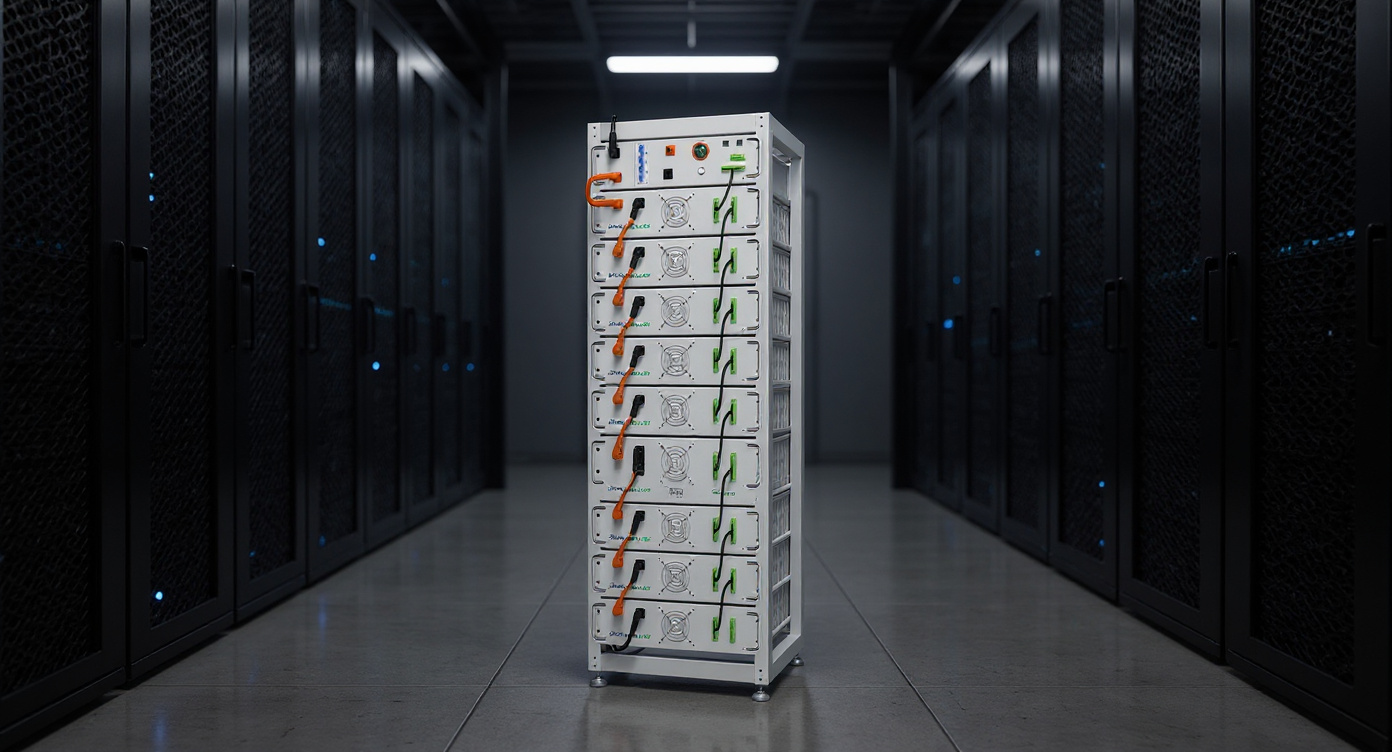
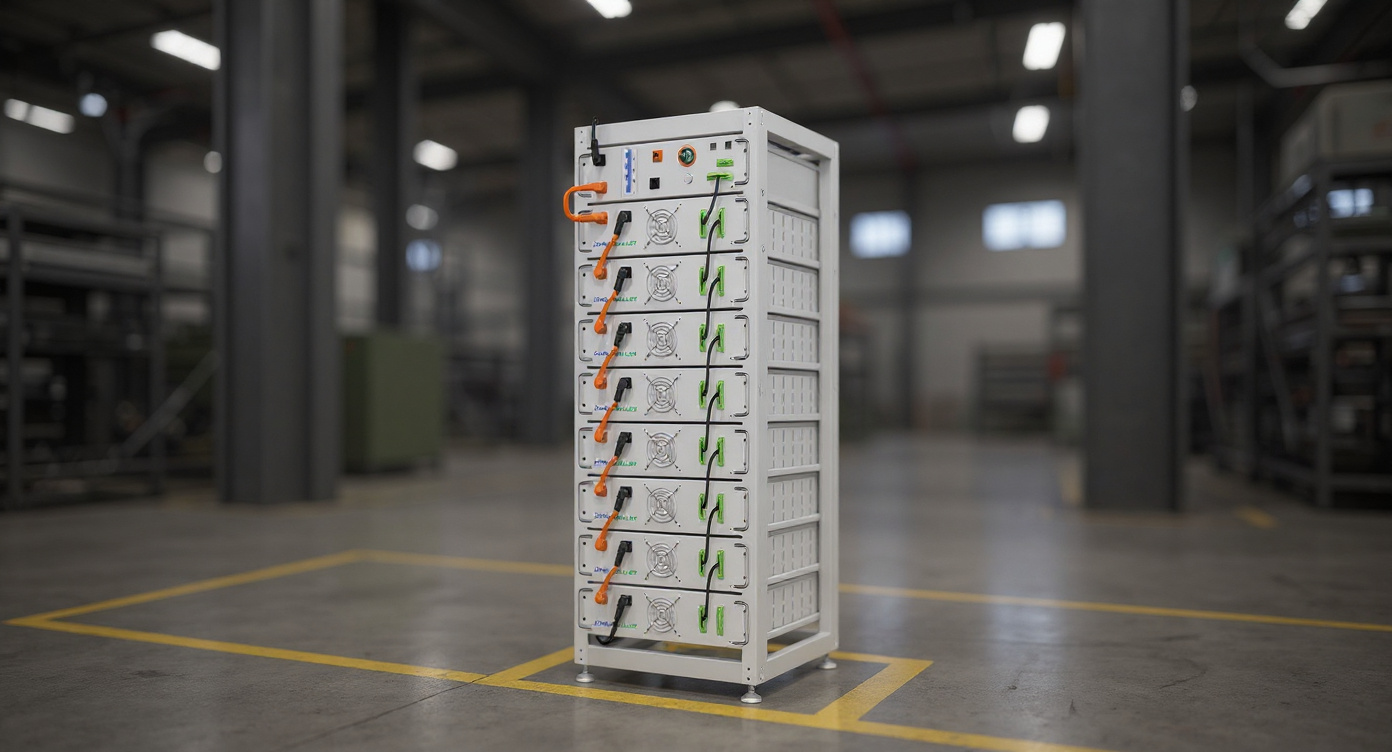
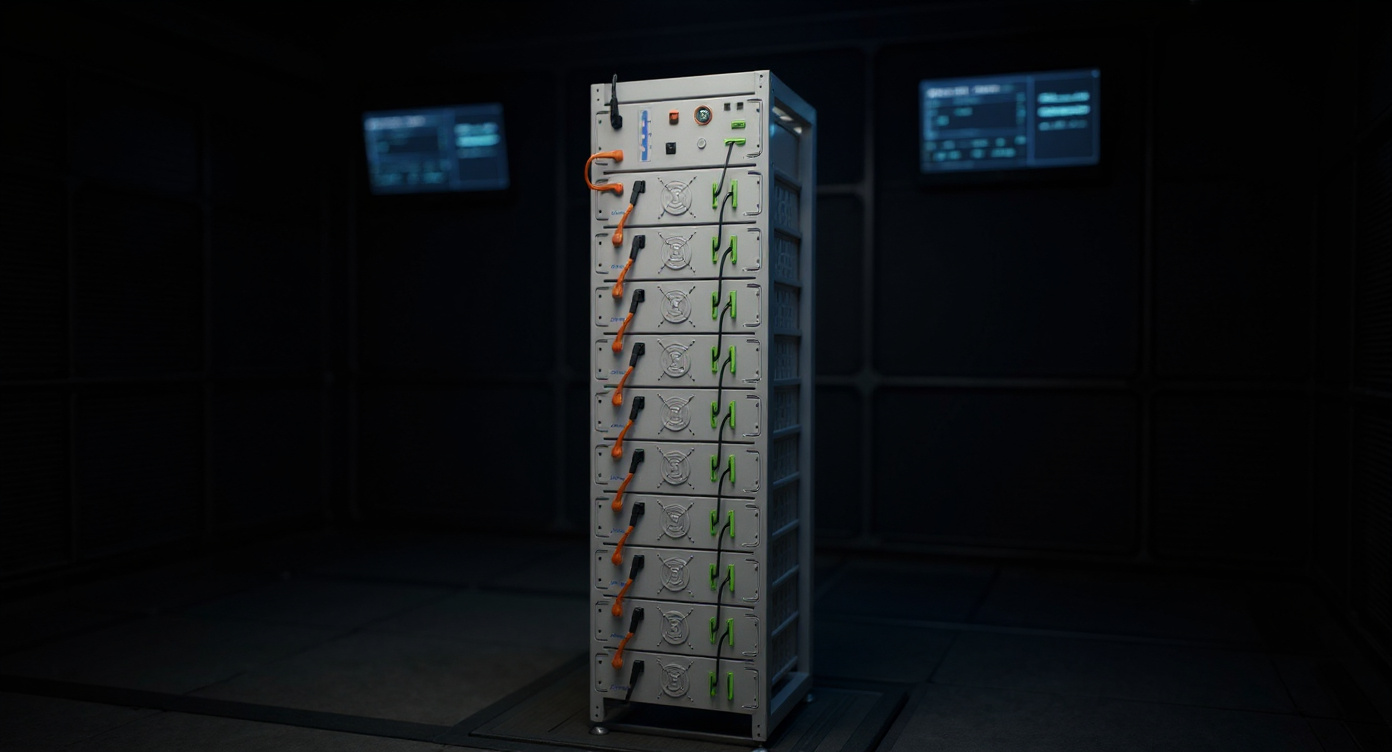
I’m writing about the exact LV-IESS-Hx_RH5.12x 50kWh Indoor rack-mounted installation hardware, not a generic battery cabinet. That matters. The enclosure, proportions, controls, connectors, labels, and component count all drive the install, the permit set, and the service plan.
I’ve seen these projects go two ways. One site gets a clean install because the room, one-line diagram, and current limits were sorted before anyone signed a PO. Another site buys the rack first, then spends six weeks arguing with the electrician, the AHJ, and the controls vendor. Ugly. Expensive. Predictable.
This won’t work if the room is cramped. It won’t work if the inverter sizing is vague. It won’t work if the battery is being asked to cover a load profile nobody bothered to measure.
What this hardware is for
The LV-IESS-Hx_RH5.12x 50kWh Indoor rack-mounted installation hardware is for sites that want a defined storage block inside a controlled room, with LiFePO4 cells, a BMS, and the kind of protection features that belong in commercial equipment, not hobby gear.
For the right buyer, the use cases are plain:
– shave a short, ugly peak that lasts 30 to 90 minutes
– keep critical circuits alive long enough for a generator start or orderly shutdown
– move energy off a bad tariff window
– support a site that cannot spare more service capacity
If your utility bill has demand charges above about $15 to $20 per kW-month, peak shaving starts to look real. If the peak is tiny, or random, or only shows up twice a month, the math gets weak fast. A battery does not fix a messy load.
The real fit, not the brochure fit
The product page calls out 500 to 584V operation, 100A maximum continuous charge or discharge under stated temperature conditions, IP20 protection, a multi-level BMS, module heat absorption and fire-extinguishing features, aerosol firefighting, LiFePO4 chemistry, 15-year design life, and 26,000 cycles.
That is a serious spec set. It is also a spec set that needs context.
26,000 cycles sounds great until you ask the plain questions. At what depth of discharge? At what temperature? At what C-rate? On paper, a number can look bulletproof. In a hot electrical room with poor ventilation, it can age fast. I watched one light-industrial site lose most of its savings because the battery sat in a room that ran 92 F by midafternoon. The equipment still worked. The economics did not.
Honestly, if you need outdoor installation or washdown conditions, skip this entirely. IP20 is not the badge you want for that job.
Where the money comes from
Most projects live or die on one of four things: demand charge reduction, outage tolerance, tariff shifting, or avoided upgrade cost. The last one gets ignored a lot, and it should not be.
Here is the rough decision line I use when someone asks if storage is worth a quote.
| Use case | Real threshold | What breaks the case | What good looks like |
|---|---|---|---|
| Peak shaving | Demand charges above $15 to $20/kW-month | Peak is too short or too random | One daily spike, 30 to 90 minutes |
| Backup bridge | Critical load can be isolated | No load-shed plan, bad transfer logic | 10 to 60 minutes of clean ride-through |
| Load shifting | Off-peak to on-peak spread of 8 to 15 cents/kWh | Spread too thin after losses | Predictable daily cycle |
| Deferred upgrade | New service or transformer is expensive | Load growth is uncertain | A clear 12 to 36 month delay |
| Indoor rack storage | Room, ventilation, access, and fire plan are ready | Cramped room, no shutdown path | Clean mechanical and electrical layout |
A few cents matter here. If round-trip losses and controls eat 10 to 15 percent of the arbitrage spread, the spreadsheet can flip fast. That is why I like projects with a real demand problem more than projects built on energy price speculation.
A client once asked me if storage was worth it for a small packaging line. The answer was no, at least not for the reason they gave me. Their load was flat. The battery would have sat there looking expensive. Six months later, after a tariff review, the answer changed because the demand charge had been hiding in plain sight.
Specs that decide the install
These are the numbers I would look at first for the LV-IESS-Hx_RH5.12x 50kWh Indoor rack-mounted installation hardware:
– LiFePO4 chemistry
– 500 to 584V operating range
– 100A max continuous charge or discharge, under stated temperature conditions
– IP20 protection
– multi-level BMS
– aerosol firefighting and module-level heat management
What I would not treat as finished design data yet are the life claims. Fifteen years and 26,000 cycles are worth paying attention to, but they still need the full datasheet, the depth-of-discharge basis, and the ambient temperature assumptions.
If you want a simple rule, use this one: high cycle count only matters if your site actually cycles the rack hard enough to earn it. One shallow trim each day is not the same as a full daily swing. Not even close.
Safety and permitting come first
This is where a lot of good projects get slowed down. Fire spacing, access, room ventilation, emergency shutoff, conduit routing, and alarm tie-in need to be drawn before the hardware lands on a pallet.
For standards context, the names that matter are UL 9540, UL 9540A, NFPA 855, NEC 706, and your local AHJ requirements. UL’s energy-storage system testing and certification overview is a useful starting point, and UL’s UL 9540A and NFPA 855 guidance explains why thermal runaway testing and siting rules get tied together.
For buyers, the hard questions are simple:
1. Where does the rack tie into the one-line?
2. What is the continuous current limit, and does the inverter match it?
3. What is the shutdown path if the BMS throws a fault?
4. Who gets access for maintenance, and can they reach it without moving other gear?
5. What room temperature is acceptable for the stated life claim?
6. What does the warranty say about cycle count, depth of discharge, and heat?
I’ve seen one indoor rack project pass review in two meetings because those six points were answered up front. I’ve seen another sit in limbo for four months because nobody could say who owned the shutdown contactor. Same hardware class. Different outcome.
Where this specific product makes sense
If you need a 50kWh indoor rack with defined voltage limits, LiFePO4 chemistry, and built-in protection features, the LV-IESS-Hx_RH5.12x 50kWh Indoor rack-mounted installation is the kind of unit that belongs on a short list.
If you are comparing it against a generic cabinet, compare the room requirements too, not just the battery label. The enclosure is part of the product here. So is the current limit. So is the fire plan.
FAQ
What is the average cost of commercial battery storage?
For a 50kWh indoor rack project, the battery hardware is only part of the bill. Installed cost often lands in the $20,000 to $45,000 range for small commercial jobs, and can go higher once fire protection, wiring, controls, and labor are included.
Why are people against BESS?
Three reasons show up most: fire concerns, bad past installs, and siting friction with the AHJ or neighbors. Most pushback is about poor planning, not storage itself.
How long can BESS store energy?
A charged battery can sit for hours or days. The practical question is how much self-discharge, standby draw, and temperature drift you can live with. For this class of system, plan on using it in a day-ahead or same-day window, not as a long-term warehouse for power.
How close are we to solid state batteries?
Closer than five years ago, but not close enough for most industrial projects to wait on. For a site that needs a permit this year, current lithium iron phosphate systems still win on availability, service access, and bankability.
What is a BESS and why are so many countries building them?
BESS means battery energy storage system. Governments and utilities want them because they can trim peaks, support renewables, and respond fast when grid conditions change.
Is large-scale battery storage now more about dispatch than arbitrage?
Yes, for a lot of projects. Arbitrage alone gets thin when spreads are small. Dispatch value, demand response, resilience, and capacity support often do more of the heavy lifting.
When does a 50kWh rack make sense instead of a bigger cabinet?
When the load problem is narrow and repeatable. A 50kWh block fits a short peak, a bridge load, or a staged rollout. If you need hours of backup for a whole plant, this is too small.
What should I check before buying the LV-IESS-Hx_RH5.12x 50kWh Indoor rack-mounted installation hardware?
Check the one-line diagram, the inverter match, the room temperature, the access path, the fire plan, and the warranty terms. If any one of those is fuzzy, stop and fix that before you order.
Bottom line
The LV-IESS-Hx_RH5.12x 50kWh Indoor rack-mounted installation hardware is a fit when the site already has a clear indoor storage use case, a real load shape, and a permit path that can survive scrutiny.
If the tariff is ugly, the peak is repeatable, and the room is ready, this starts to look like a tool instead of a fancy expense.
If those pieces are not in place, walk away. The battery will not save the project.