A High Voltage Energy Storage System is the right answer when a commercial site needs to move serious power, keep cabling sane, and run more than one use case without turning the electrical room into a science project. That’s the short version. For factories, data centers, microgrids, and busy commercial buildings, this class of High Voltage Energy Storage System usually beats a low-voltage bank once the load gets big enough.
I’m saying that as someone who has watched buyers overbuy on nameplate and underbuy on controls. Both hurt. One gets you a shiny cabinet. The other gets you a working project.
What a High Voltage Energy Storage System actually does
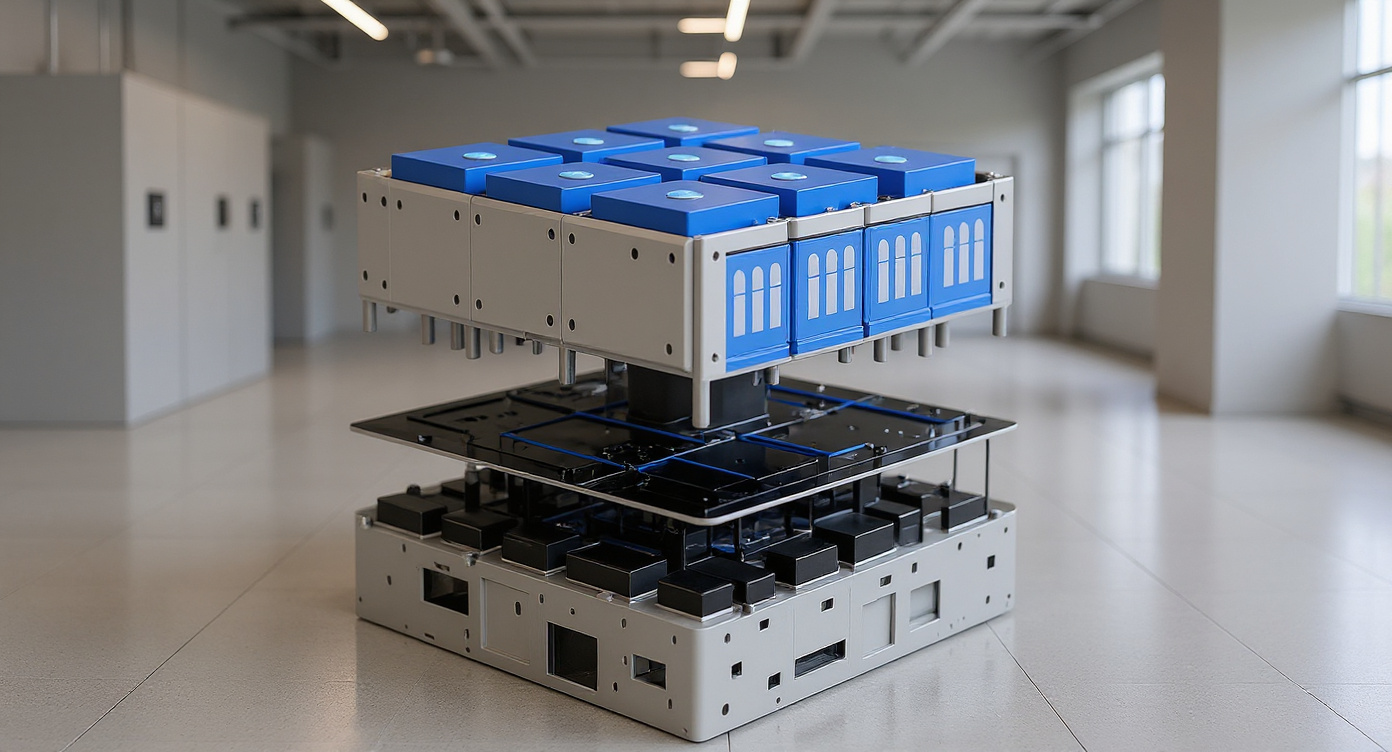
A High Voltage Energy Storage System is not just cells in a metal box. It’s the whole stack: battery modules, cabinet structure, BMS, EMS, cooling, protection, and communications. If one piece is weak, the whole thing feels expensive fast.
The practical advantage is current reduction. Same power, lower current. That means less copper, less heat, and less strain on the DC side. Nice. Not magic.
I’ve seen a 480V commercial project get messy because the team treated storage like a parts list. Cabinets arrived. The controls didn’t talk to the inverter the way promised. Weeks disappeared. The site still had a battery. It just didn’t have a usable High Voltage Energy Storage System.
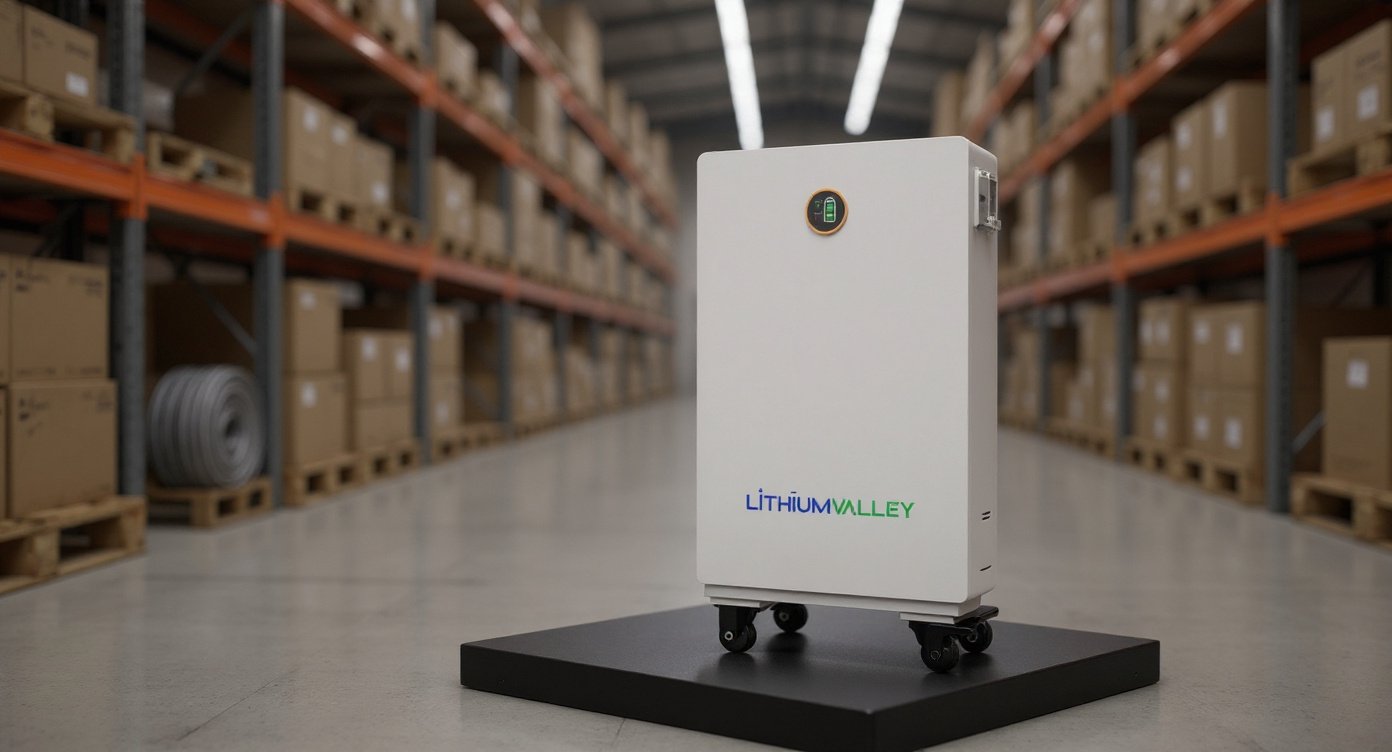
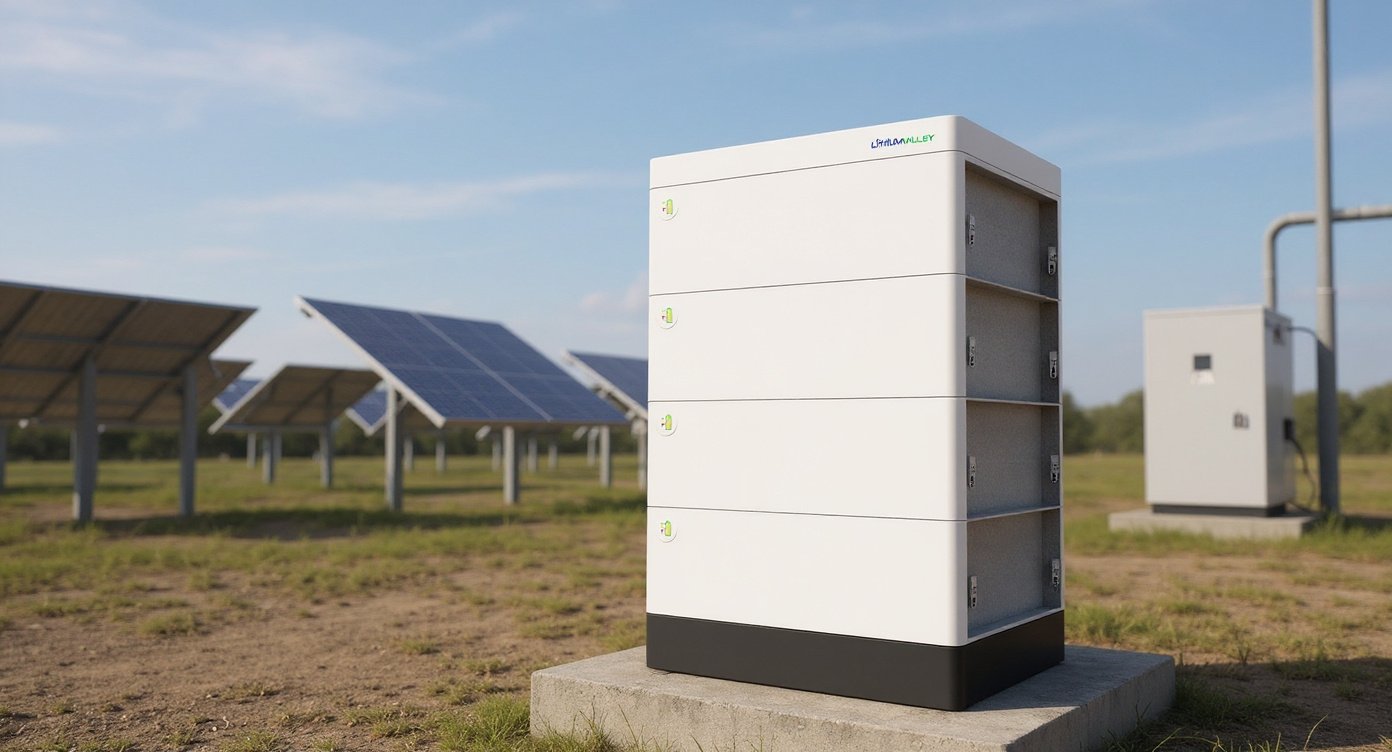
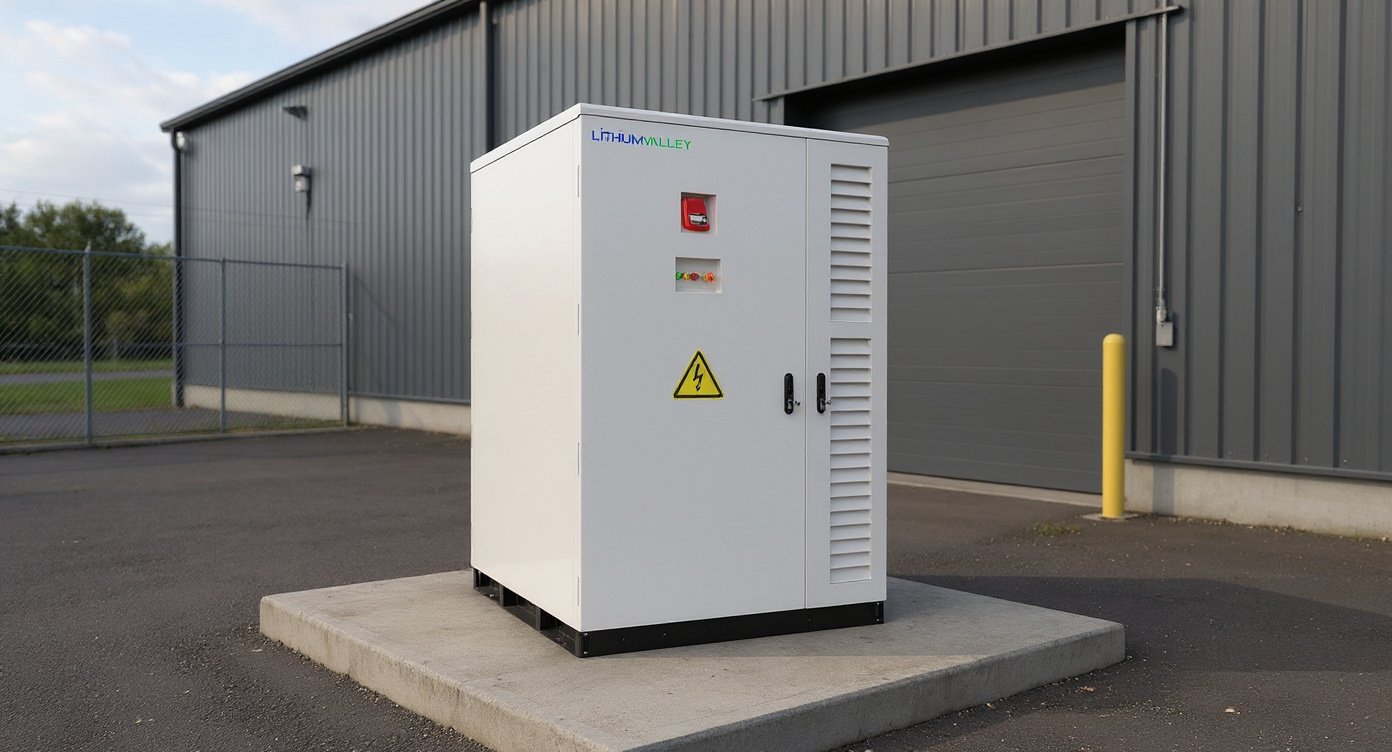
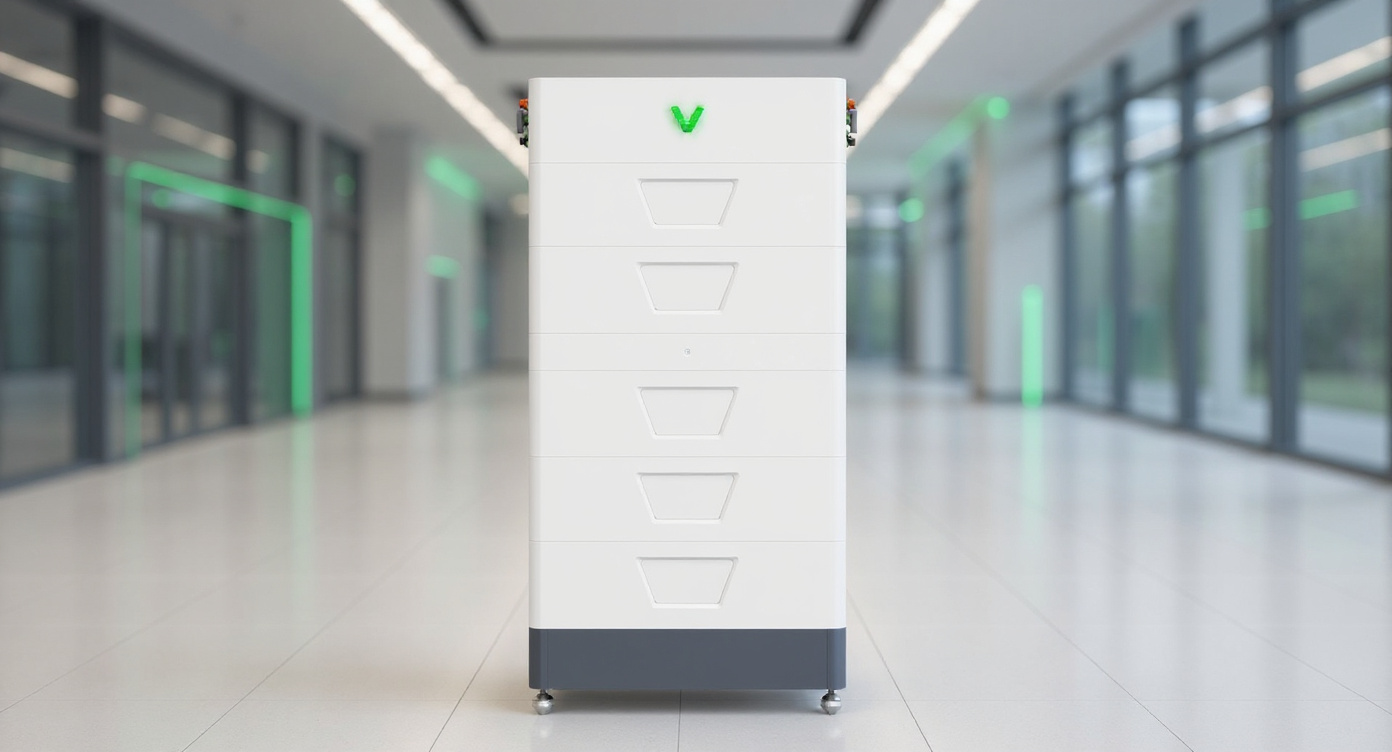
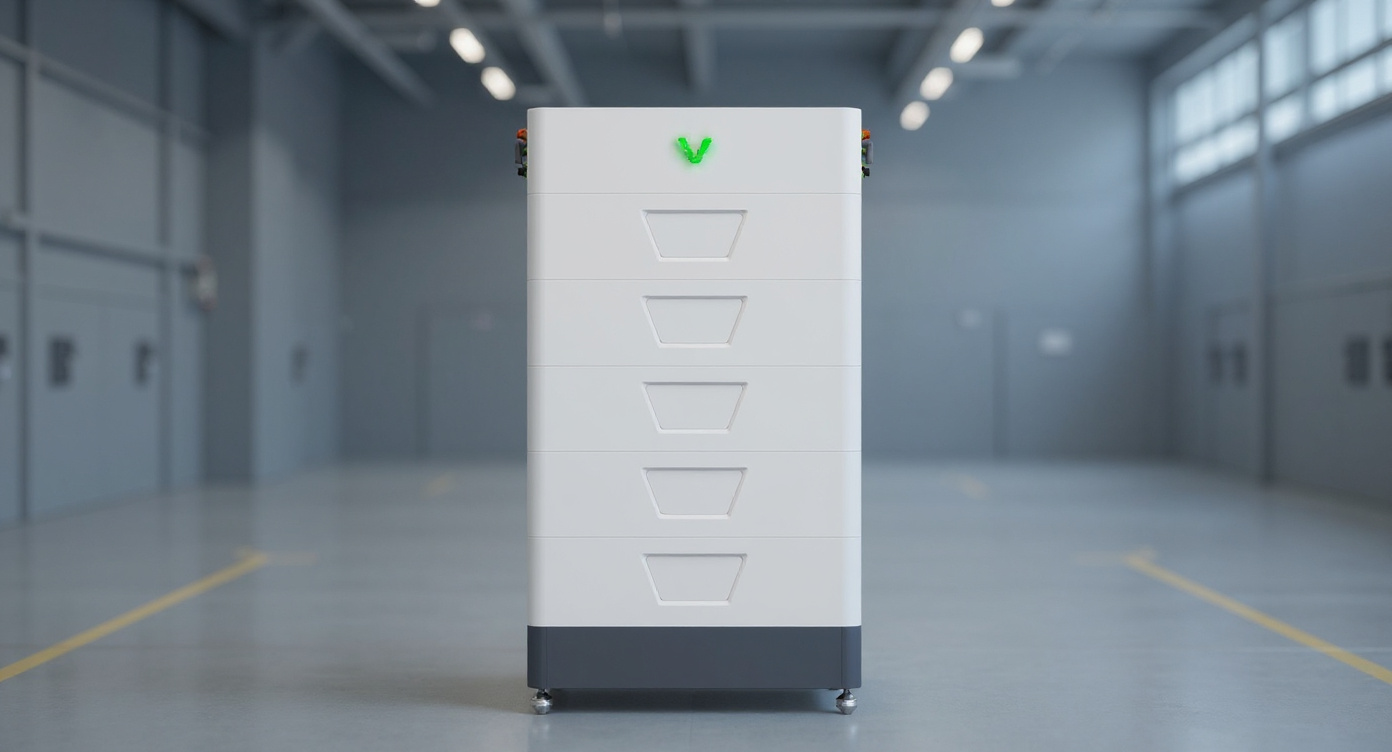
For the LITHIUMVALLEY FLEX16 High Voltage C&I Energy Storage System, the verified product profile points to modular metal battery cabinets, blue cells, silver/white enclosures, navy engineering typography, and blue-green energy accents. That part matters because the product identity is not vague consumer storage. It is a commercial and industrial high-voltage LiFePO4 ESS.
Why buyers move into this category
A High Voltage Energy Storage System makes sense when the site has real demand charges, frequent cycling, or backup needs that are measured in hours, not days. It also makes sense when the project will grow in phases.
Common reasons:
– lower current for the same power
– fewer parallel battery strings than a sprawling low-voltage bank
– easier cabinet-based scaling
– cleaner EMS dispatch for peak shaving and backup reserve
– better fit for microgrids and heavy C&I duty
This won’t work if the load is tiny, the tariff is mild, and nobody wants to manage dispatch logic. Honestly, if you live in a humid, corrosive coastal environment and the room design is weak, skip this entire category until you fix the building envelope. I’ve seen good batteries die inside bad rooms. Not fast. Just enough to make everyone angry.
Verified FLEX16 specs, not brochure fog
Here’s what matters on the published FLEX16 materials, and what I’d actually ask a buyer to verify again before signing.
| Item | Published detail | Why it matters |
|---|---|---|
| Nominal energy per cabinet | 96 kWh | Helps size the site layout |
| Max cabinets per system | 12 | Defines expansion ceiling |
| Max system energy | 1.152 MWh | 96 kWh x 12, so the math is clean |
| Cycle life | 6,000+ cycles at 80% DOD | Tells you something about wear |
| Operating temperature | -20°C to +55°C | Good range, but room design still matters |
| Communications | CAN, RS485, Ethernet | Needed for inverter and SCADA integration |
| Protection | IP54 indoor | Indoor use, not “throw it outside and hope” |
| Cooling | Forced air | Fine in the right room, annoying in dusty spaces |
That 1.152 MWh figure is the one that makes sense if 96 kWh per cabinet and 12 cabinets are both true. Clean arithmetic. Finally.
BMS and EMS decide whether the system earns money
The cabinet is the easy part. The money comes from controls.
A good BMS has to handle cell monitoring, temperature, fault isolation, balancing, and protection. A good EMS has to decide when to charge, when to discharge, what reserve to hold, and how to respond when tariffs or loads change. Without that, a High Voltage Energy Storage System becomes a box that sits there looking confident.
The FLEX16 materials mention active balancing, BMS plus AI-assisted EMS, remote monitoring, CAN/RS485/Ethernet, forced-air cooling, and operating modes that include grid-tied, off-grid, peak shaving, and emergency backup. Those are the right nouns. The real question is implementation.
I’ve installed a similar cabinet system where the customer wanted backup only, then changed their mind after six weeks and asked for peak shaving too. We had to rework the dispatch settings, and the site finally made sense. Same hardware. Different outcome. That’s the kind of thing people miss when they shop by brochure.
High Voltage Energy Storage System vs low-voltage banks
This gets argued badly online. High voltage is not better because it sounds advanced. It’s better when the site is big enough to need it.
| Factor | High Voltage Energy Storage System | Low-voltage bank |
|---|---|---|
| Best fit | Larger C&I, microgrid, dispatch duty | Smaller backup jobs, simple loads |
| Current for same power | Lower | Higher |
| Cabling | Less bulk at scale | More copper as size grows |
| Expansion | Cabinet scaling is cleaner | Parallel strings can sprawl |
| Controls | Usually more demanding | Can be simpler at small size |
| Common mistake | Assuming it fits every site | Assuming familiar equals best |
A small office with short outages does not need a fancy High Voltage Energy Storage System. A factory with ugly peaks and a real EMS plan often does.
The economics are site-specific. That’s the truth.
People want one price. There isn’t one.
A High Voltage Energy Storage System pencils out when demand charges are high, cycling is regular, or backup loss is expensive. It also works when utility upgrades are slow and the battery buys time.
A bad fit looks like this: flat load, cheap power, no dispatch plan, and an owner who says “we’ll figure it out later.” Later is where storage projects go to waste.
One more honest point. The market loves to pretend every ESS is a savings machine. Not true. Some sites should just buy better controls, fix their schedule, and stop there. Cheaper. Faster. Less drama.
What to check before you buy
If you are comparing a High Voltage Energy Storage System to a low-voltage bank, ask for the boring details. The boring details are the product.
1. usable energy, not just nominal kWh
2. balancing method and balancing current
3. BMS fault logic and alarm reporting
4. EMS functions for peak shaving and reserve
5. inverter and SCADA compatibility
6. operating temperature and cooling method
7. protection rating and install location fit
8. cycle-life test condition, especially depth of discharge
9. cabinet expansion rules
10. commissioning scope and remote support
Miss two of those and you can still get a quote. You just won’t get a project that behaves.
Real-world comparison: what buyers usually pick
| Buyer type | Usually chooses | Why |
|---|---|---|
| Small retail site | Low-voltage bank | Simpler, cheaper, easier to explain |
| Factory with demand charges | High Voltage Energy Storage System | Better power density and dispatch |
| Data center backup layer | High Voltage Energy Storage System | Clean integration and reserve control |
| Rural telecom or small backup | Low-voltage bank | Smaller load, less complexity |
| Microgrid or phased expansion | High Voltage Energy Storage System | Cabinet growth makes sense |
| One-off emergency backup | Depends on runtime | Load shape matters more than voltage |
Safety, standards, and the part people skip
Safety is not a sticker. It’s design.
NFPA 855 covers the planning side of stationary energy storage. UL 9540 covers the system as an integrated whole. That matters because a High Voltage Energy Storage System is only as credible as the cabinet, controls, and installation plan around it.
The IEC’s IP code guidance explains what an IP54 indoor rating does and does not mean. Fine for the right room. Not a free pass outdoors.
Personal note from the field
I’ve had two buyers tell me they wanted “just enough storage for backup.” Both ended up using a High Voltage Energy Storage System for peak shaving within a month, because once the system was there, the demand bill made the case for them. That happens a lot.
I’ve also seen the opposite. A site bought more battery than they needed because the sales deck made large numbers feel safer. It wasn’t safer. It was just more expensive.
That’s the whole game. Matching the load. Not worshipping the spec sheet.
FAQ
What is a High Voltage Energy Storage System?
A High Voltage Energy Storage System is a commercial or industrial battery ESS that uses a higher-voltage architecture to move power with lower current and cleaner cabling than many low-voltage banks.
Why do buyers choose high voltage over low voltage?
For larger loads, lower current, simpler scaling, and better fit for peak shaving or microgrid duty. For small sites, low voltage can still be the better buy.
How much capacity does the FLEX16 provide?
The published cabinet rating is 96 kWh per cabinet, with up to 12 cabinets, which equals 1.152 MWh if fully configured within that limit.
Is the FLEX16 indoor only?
The published protection rating is IP54 indoor. That points to controlled indoor deployment, not exposed outdoor siting without added infrastructure.
What cooling does it use?
Forced-air cooling. Fine in a clean electrical room. Less fun in dusty plants.
What communications does it support?
CAN, RS485, and Ethernet.
What cycle life is published?
6,000+ cycles at 80% depth of discharge.
Can it do backup and peak shaving?
Yes, according to the published operating modes. That still depends on inverter setup, EMS tuning, and the site’s real load profile.
How much does a 1 MW BESS cost?
It depends on duration. A 1 MW / 1 MWh system is not the same project as a 1 MW / 4 MWh system, so any single number without duration is fake precision.
Why are some people against BESS?
Usually fire risk, permitting, land use, or old bad experiences. Some objections are fair. Some are just people hearing “battery” and thinking of consumer electronics.
What are the downsides of using an EV battery for storage?
Uneven state of health, weak documentation, and integration headaches. Repurposed EV packs are not a neat substitute for a purpose-built High Voltage Energy Storage System.
How close are solid-state batteries for this use?
Not close enough to wait on if the site needs savings now. Useful work is being done, but current proven LiFePO4 systems already solve a lot of commercial problems.
Final take
A High Voltage Energy Storage System is worth serious attention when the site load is real, the controls plan is real, and the project needs cabinet-based scaling instead of string chaos. That is the FLEX16’s lane.
If you want the clean version of the product pages, use the official page for the LITHIUMVALLEY FLEX16 High Voltage C&I Energy Storage System. For broader context, the battery energy storage systems overview from DOE, NREL’s energy storage research, IEC IP code overview, NFPA 855, and UL 9540 are the references I’d keep open while reviewing quotes.
This isn’t a luxury product. It’s an infrastructure choice. Big difference.