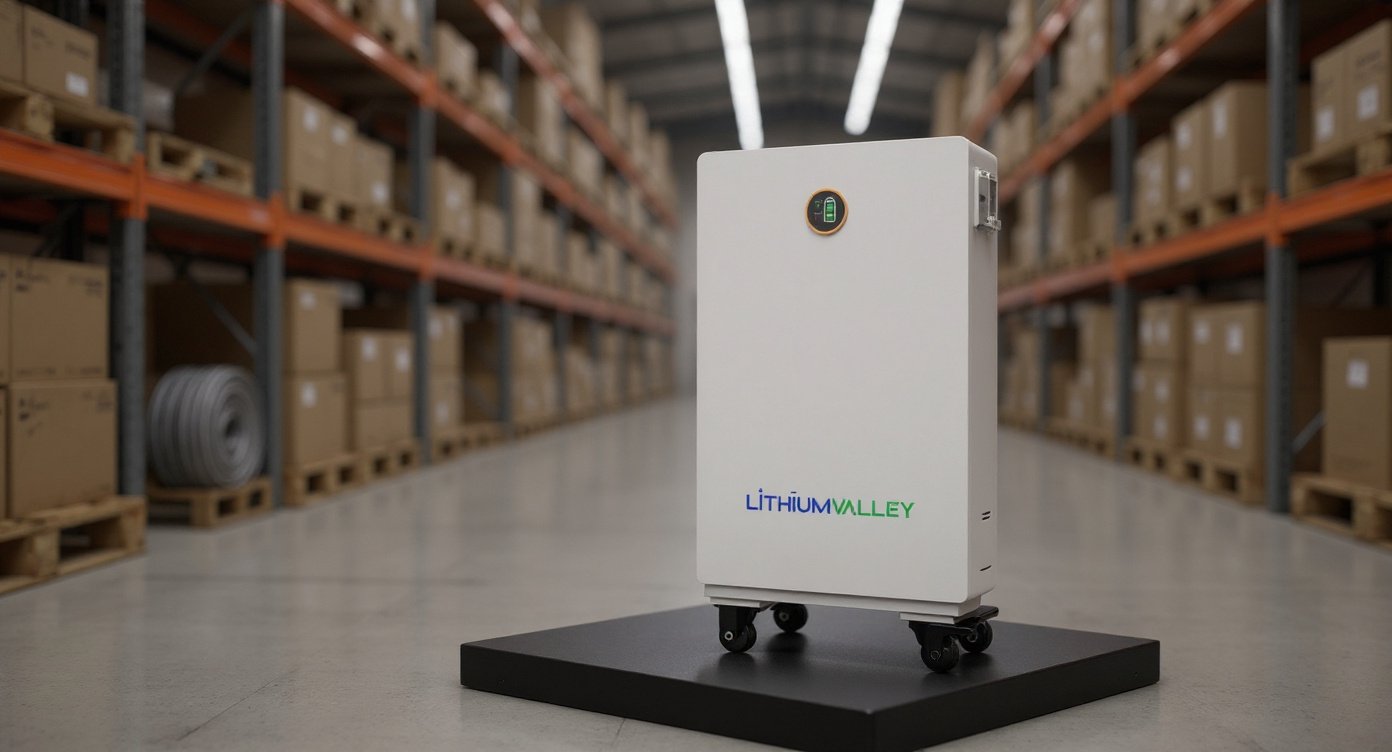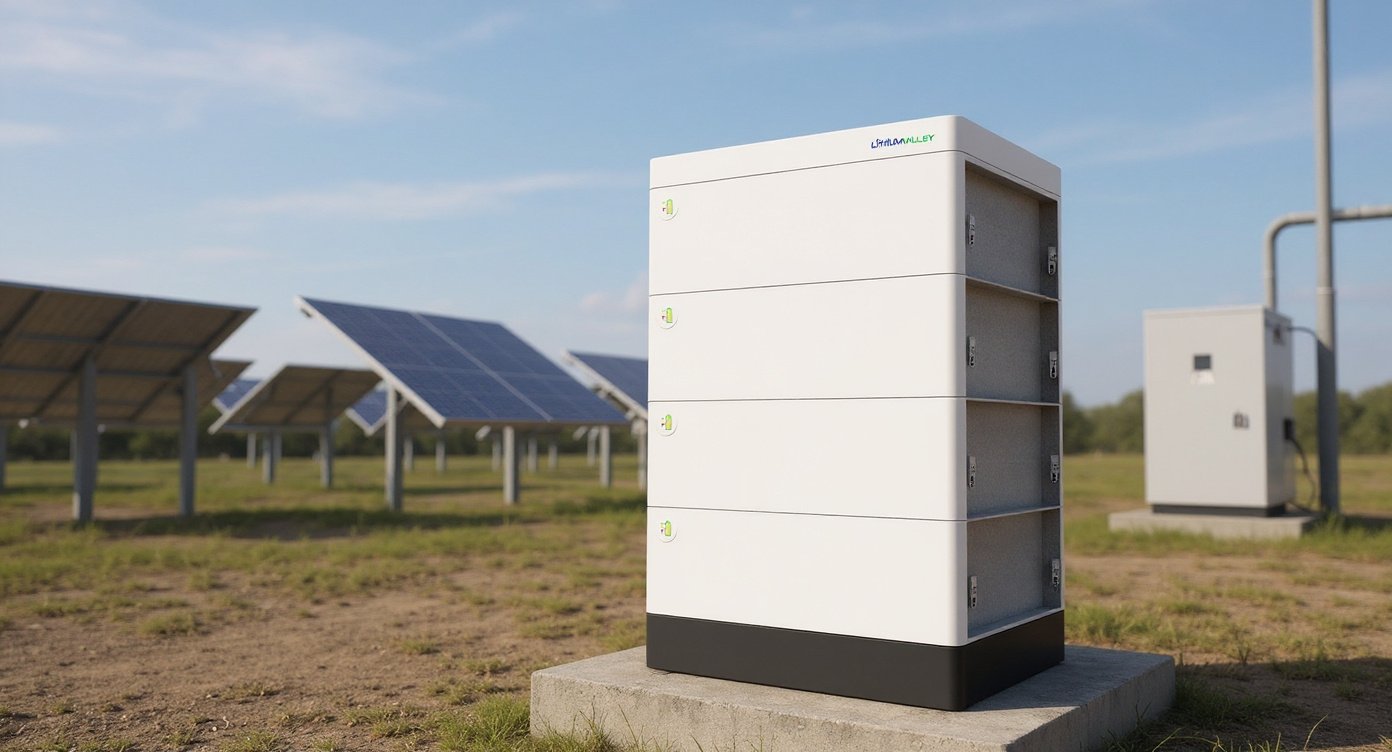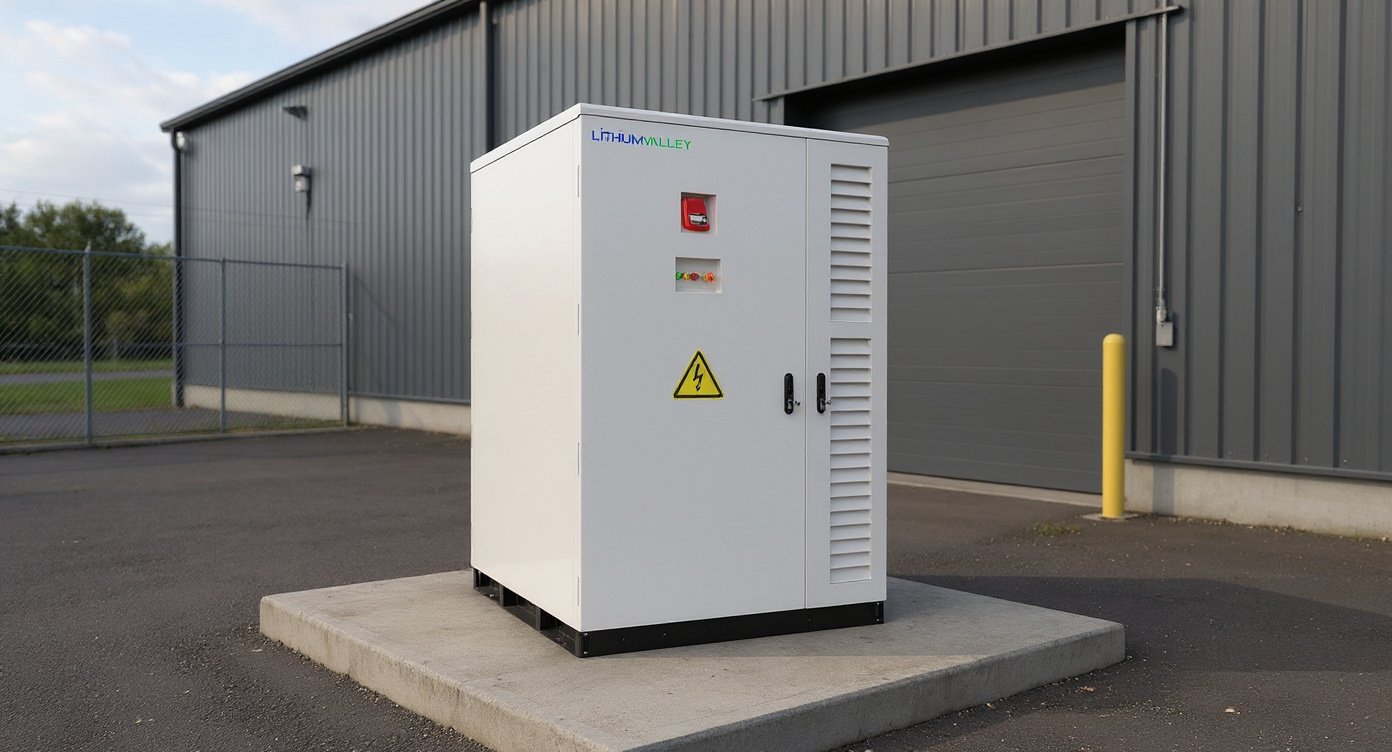
A W15-5A-style residential LFP battery makes sense when you need 51.2V storage that can sit with a home inverter, manage imbalance through a BMS, and scale to the capacity your backup plan actually needs. The W15-5A (Residential LFP Battery Series) is the exact product to look at if you want a module-based system with configurations up to 280Ah and 14.336kWh, not a vague “home battery” label.
What the 51.2V rating tells you before you size anything
51.2V is the part that matters first because it tells you what class of inverter and charging gear you’re shopping for. In plain terms, this is a residential LiFePO4 battery series built for 51.2V systems, so it belongs in the same conversation as hybrid inverters, backup circuits, and off-grid or grid-tied storage setups that already know what to do with a low-voltage battery bank.
The current product page lists capacities up to 280Ah and 14.336kWh. That gives you a real ceiling to work from, which is better than guessing by marketing language. If you’re comparing home storage options, the useful question isn’t “Is 14.336kWh big?” It’s “How much of my load does that cover, and at what depth of discharge?” Those are different questions.
For a quick sanity check, here’s the math on the top-end module: 51.2V × 280Ah = 14,336Wh, or 14.336kWh nominal. That’s the rated figure, not the usable figure, so you still need the BMS settings, discharge limits, and inverter cutoffs before you assume how much backup time you’ll get.
A lot of buyers skip straight to kWh and then wonder why the system never behaves the way the brochure implied. Don’t do that. Start with voltage, then compatibility, then usable capacity, then runtime.

Can it work with your inverter, or will it just sit there?
Maybe. That’s the honest answer. Compatibility depends on the inverter’s battery voltage range, communication support, charge/discharge limits, and whether the system is expecting LiFePO4 behavior rather than a generic lead-acid profile.
The product page says the series includes BMS monitoring and multiple installation options, which is a good sign, but it doesn’t replace an inverter check. You still need to confirm:
1. The inverter accepts 51.2V nominal battery banks.
2. The charge voltage window matches LiFePO4 settings.
3. The inverter’s current limits don’t exceed what the battery and cabling are designed for.
4. Any CAN or RS485 communication protocol is supported on both sides.
5. The installation format fits the space you actually have.
For residential energy storage, testing and certification matter as much as capacity. UL’s guidance on residential energy storage system safety testing is a good reminder that this isn’t a “hook it up and hope” category. Also, if you’re checking whether a system is marked for home use, UL’s note on Q&A marking for residential ESS is worth reading before you buy anything that will live inside or near a house.
Here’s the practical version: if your inverter already has a clean LiFePO4 profile and the right voltage window, the battery is a much easier fit. If not, the system may still work, but only after proper setup, and sometimes not at all. W15-5A (Residential LFP Battery Series) belongs in the shortlist only after that check passes.
Rated capacity, usable capacity, and why the gap matters
This is where home storage gets mis-sold the most. Rated capacity is what the battery can hold in theory. Usable capacity is what you can actually spend without stressing the cells or tripping the BMS.
The exact usable number for this series isn’t stated in the product context, so don’t let anyone hand-wave it. Confirm the discharge limits, reserve setting, and inverter low-voltage cutoff. A battery rated at 14.336kWh doesn’t automatically give you 14.336kWh of useful energy. It rarely does.
Capacity check table
| Spec | What’s given | What it means for you |
|---|---|---|
| Nominal voltage | 51.2V | Match to a 51.2V-class inverter or charger |
| Max capacity listed | 280Ah | Larger banks can cover longer outages or higher nightly loads |
| Max energy listed | 14.336kWh | Top-end nominal storage figure, not automatically usable |
| Battery chemistry | LiFePO4 | Better fit for cycling and home storage than many older chemistries |
| BMS | Included monitoring | Helps manage charging, discharging, and protection |
If you’re planning around nightly use, peak shaving, or outage backup, usable capacity is the number that pays rent. If you’re planning around short outages and modest loads, a smaller configuration may be enough and cheaper to install cleanly.
The thing I would not buy is a battery sized only by headline kWh. That usually leads to either overspending or disappointment. Size it by the loads you need to carry, the inverter limits, and the depth of discharge you’re willing to use every cycle.
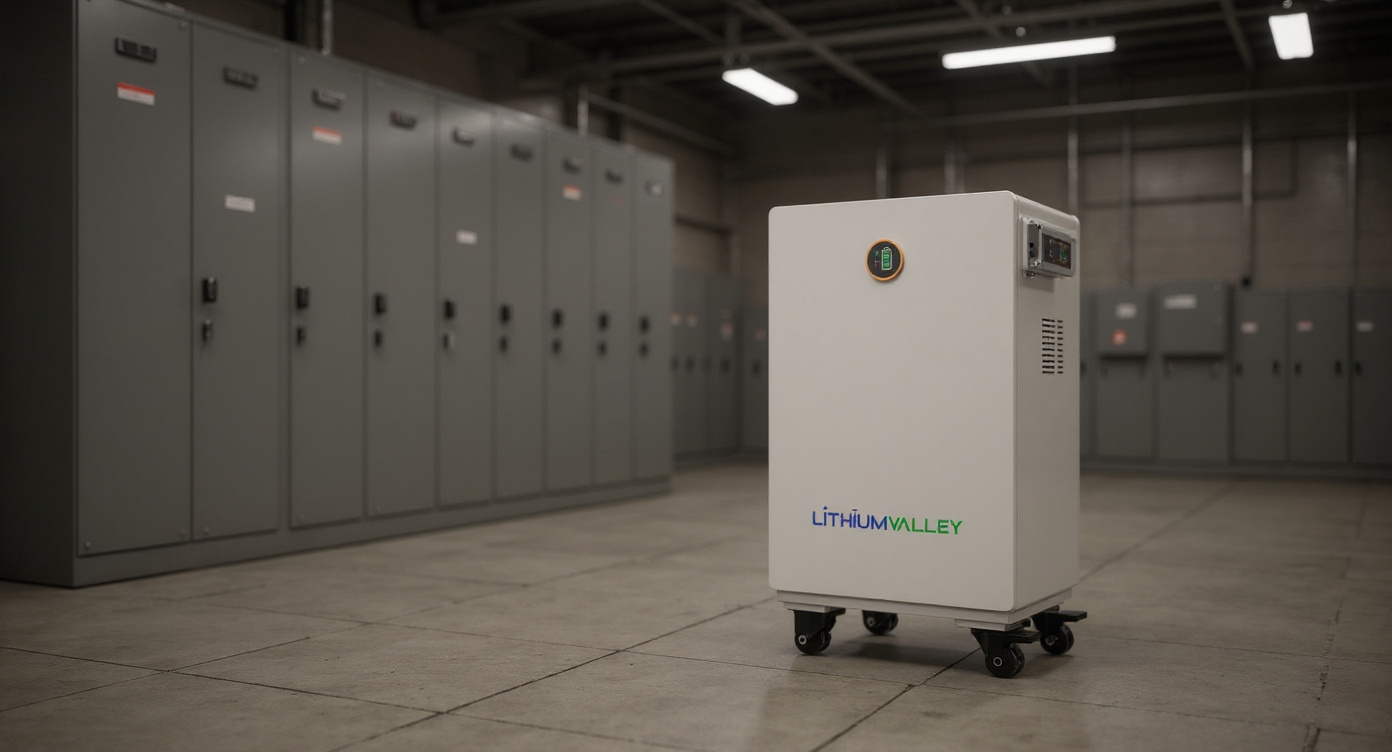
Where 10kWh and 15kWh plans land in real life
People ask for 10kWh or 15kWh because those are easy numbers to say out loud. Fair enough. The better way is to map those targets back to the module’s listed capacity and the system’s usable window.
If one module can reach 14.336kWh nominal, then a 10kWh target may be a single-unit conversation, depending on the usable percentage you’re comfortable with. A 15kWh target is different. Since the current listing tops out at 14.336kWh, that kind of project may need more than one module or a different configuration, depending on the actual usable energy and inverter strategy.
Numbered sizing logic
1. List the loads you want to keep alive, not the appliances you own.
2. Separate critical circuits from convenience loads.
3. Estimate runtime in hours, then convert that into kWh.
4. Check whether one 51.2V module covers the usable target.
5. Confirm the inverter can handle the discharge current and charging behavior.
6. Leave headroom for battery reserve and inefficiency.
A small home with refrigeration, lights, internet, and a few outlets may not need a giant bank. A house that wants HVAC support, well pumping, or long outage runtime is a different story entirely. Don’t force one battery to behave like a whole utility.
This is also where multiple installation options start to matter. A clean install is not just about mounting, it’s about service access, cable routing, breaker placement, and whether the system will still be easy to inspect a year from now.
LiFePO4 safety, cycle life, and the habits that make it last
LiFePO4 is the chemistry most homeowners should be looking at for stationary storage because it’s built for repeated cycling, not just one-time energy delivery. I’m not going to promise a magic lifespan number here, because the actual life depends on depth of discharge, temperature, charging profile, and how hard you push the battery every day.
That’s the honest part. The useful part is this: a residential LFP battery usually lasts longer when you keep it in a moderate operating window, avoid unnecessary high-current stress, and don’t leave the system sitting hot for long periods. The BMS exists to help with that, but it can’t fix bad sizing.
The U.S. Department of Energy has a solid home-upgrades overview at Energy Saver, and while it’s broader than batteries, the same logic applies, reduce waste first, then size storage for what remains. That usually gives you a smaller, cleaner system that works harder for each dollar.
I would not choose a battery chemistry just because a number looks larger on paper. For home storage, predictable cycling and thermal behavior matter more than brochure drama.
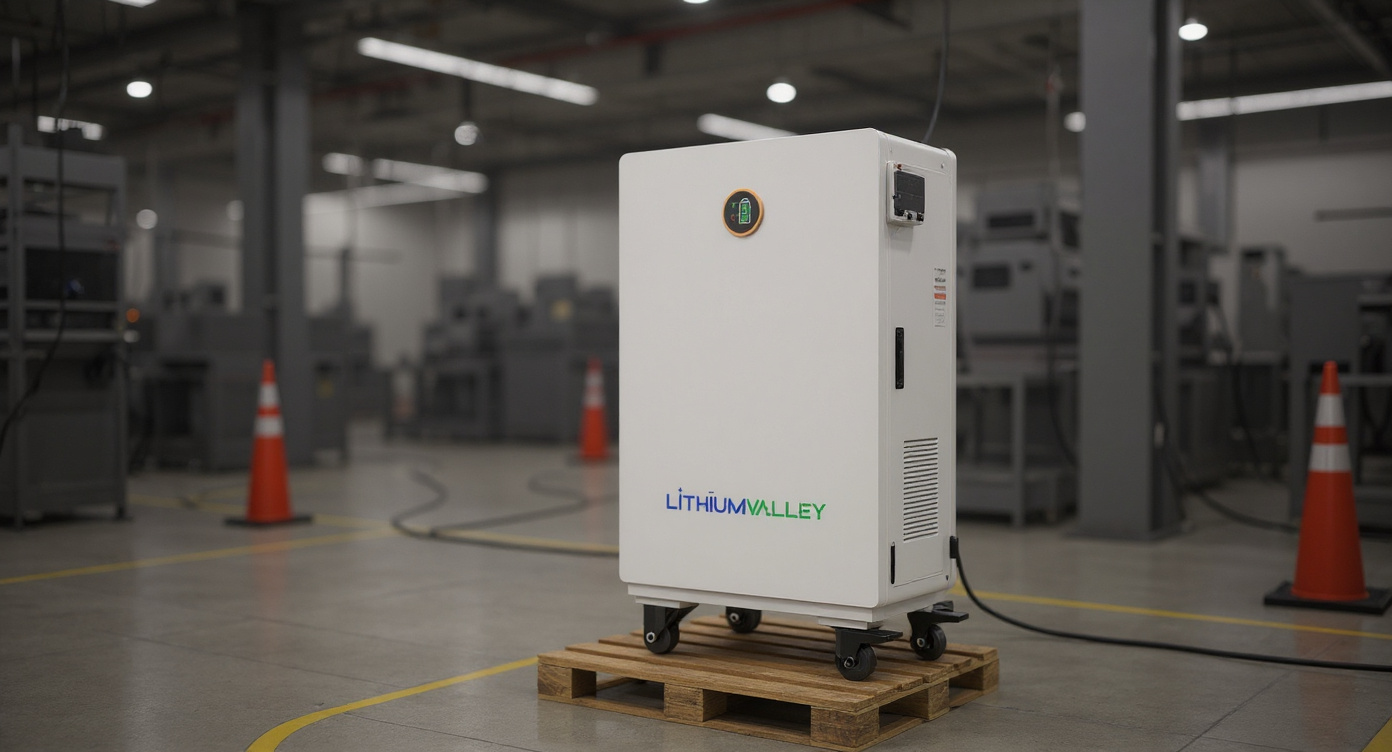
What to confirm before you place an order
Before buying any residential battery, make the project manager version of yourself do the boring checks. They save money.
– Confirm the inverter brand and battery protocol support.
– Verify the actual capacity you’re ordering, not just the series name.
– Ask for usable capacity assumptions, not only nominal kWh.
– Check the warranty term, cycle conditions, and any exclusions tied to temperature or installation method.
– Confirm operating limits for charge, discharge, and ambient conditions.
– Make sure the mounting or installation format matches the site.
– Ask whether monitoring data is local, app-based, or both.
Warranty details matter more than people admit. If a seller won’t spell out the coverage window, cycle limits, or what counts as improper use, that’s not a small detail. That’s the whole deal.
FAQ: the questions people actually ask before buying
Can W15-5A work with my inverter?
Only if your inverter supports 51.2V LiFePO4 batteries and the communication or voltage settings line up. Check voltage range, charge profile, current limits, and protocol support before you assume it’ll connect cleanly.
How many W15-5A modules do I need for 10 kWh or 15 kWh?
That depends on the usable capacity you’re planning around, not just the nominal rating. Since the series lists configurations up to 14.336kWh, a 10kWh target may be covered by one module in some setups, while 15kWh usually means more than one module or a different configuration.
Is LiFePO4 safer than NMC for home storage?
For stationary home use, LiFePO4 is often preferred because it’s generally more tolerant of regular cycling and heat management than many NMC setups. Safety still depends on the full system, enclosure, BMS, installation, and code-compliant wiring.
What is the usable capacity versus rated capacity on W15-5A?
The rated capacity is the headline figure, up to 14.336kWh at the top end of the listed series. The usable number depends on depth of discharge, BMS settings, inverter cutoff, and project-specific limits, so confirm it with the seller before ordering.
How long does a residential LFP battery last?
There isn’t one honest number that fits every home. Lifespan depends on how deep you cycle it, how often you cycle it, temperature, and charge behavior. A gentler operating window usually helps a lot.
Can W15-5A power my home during outages?
Yes, if the inverter, transfer equipment, and installed capacity are sized for the loads you want to keep on. A battery alone doesn’t create backup power, it works as part of a system.
What warranty details should I confirm before buying?
Confirm the warranty length, cycle or throughput conditions, temperature limits, installation requirements, and what voids coverage. Ask whether monitoring and firmware issues are covered too.
Is the W15-5A the same as a 15kWh 5kW home storage system?
No, not by default. A battery series name, a storage capacity, and an inverter power rating are different things. The W15-5A (Residential LFP Battery Series) is a battery platform, while 15kWh and 5kW describe system attributes that depend on configuration.
The bottom line on choosing storage that fits your house
If your problem is backup time, self-consumption, or a cleaner way to ride through outages, the real job is matching voltage, usable energy, and inverter behavior to your load profile. That’s where a 51.2V residential LiFePO4 battery earns its keep, especially when the product gives you BMS monitoring and multiple installation options instead of making you improvise.
If your project is still fuzzy on capacity, compatibility, or warranty terms, slow down and confirm those basics first. Then see W15-5A (Residential LFP Battery Series) and compare the listed configuration against the exact backup job you need it to do.