


Industrial battery storage works best when you buy for usable energy, inverter power, and safety paperwork, not for the big nameplate number on the quote. For a 100kWh/50kW cabinet, the real question is how much energy you can actually deliver, how the system behaves under load, and what the site has to prove before install day.
What the 100kWh/50kW label leaves out
A 100kWh label tells you the nominal battery size, not the amount you can count on after limits, reserves, and auxiliary draw. A 50kW inverter tells you the maximum power stage on the AC side, but it does not tell you whether the cabinet can hold that output for the whole duty cycle your site needs.
That gap is where buyers get tripped up. A cabinet can look large on paper and still come up short if the usable window is conservative, the climate control pulls more than expected, or the control logic keeps a buffer you can’t override.
The four numbers that matter most are simple:
– nominal capacity, in this case 100kWh
– inverter power, in this case 50kW
– cycle-life claim, here listed as at least 8,000 cycles under stated test conditions
– enclosure protection, listed here as IP54
Those are only the starting point. Usable energy is the real procurement number, and it should be stated at the discharge rate and temperature range that match your site. If that figure is missing, you do not have a complete offer yet.
The same goes for auxiliary loads. Air cooling, controls, fire systems, and communications gear all take power. If the cabinet uses a chunk of its own energy just to stay online, the delivered figure can be lower than the marketing headline.
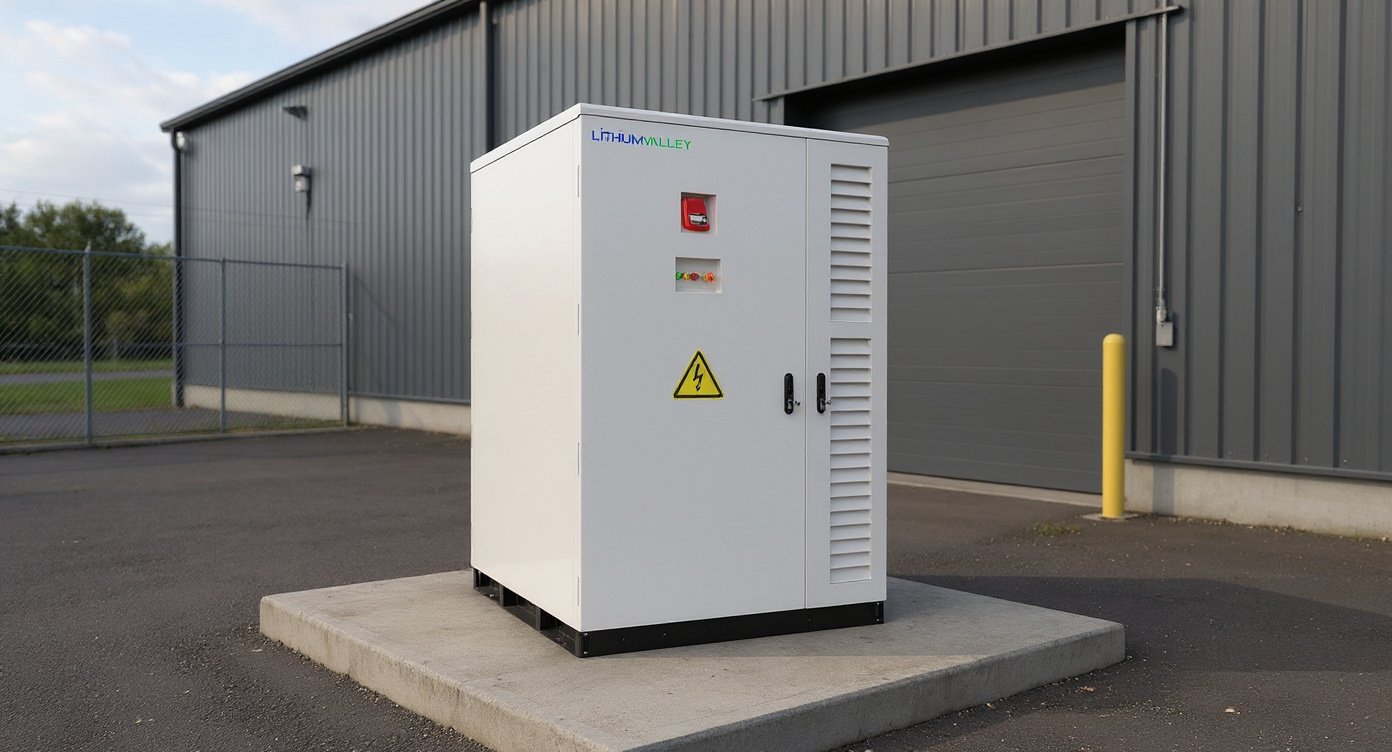
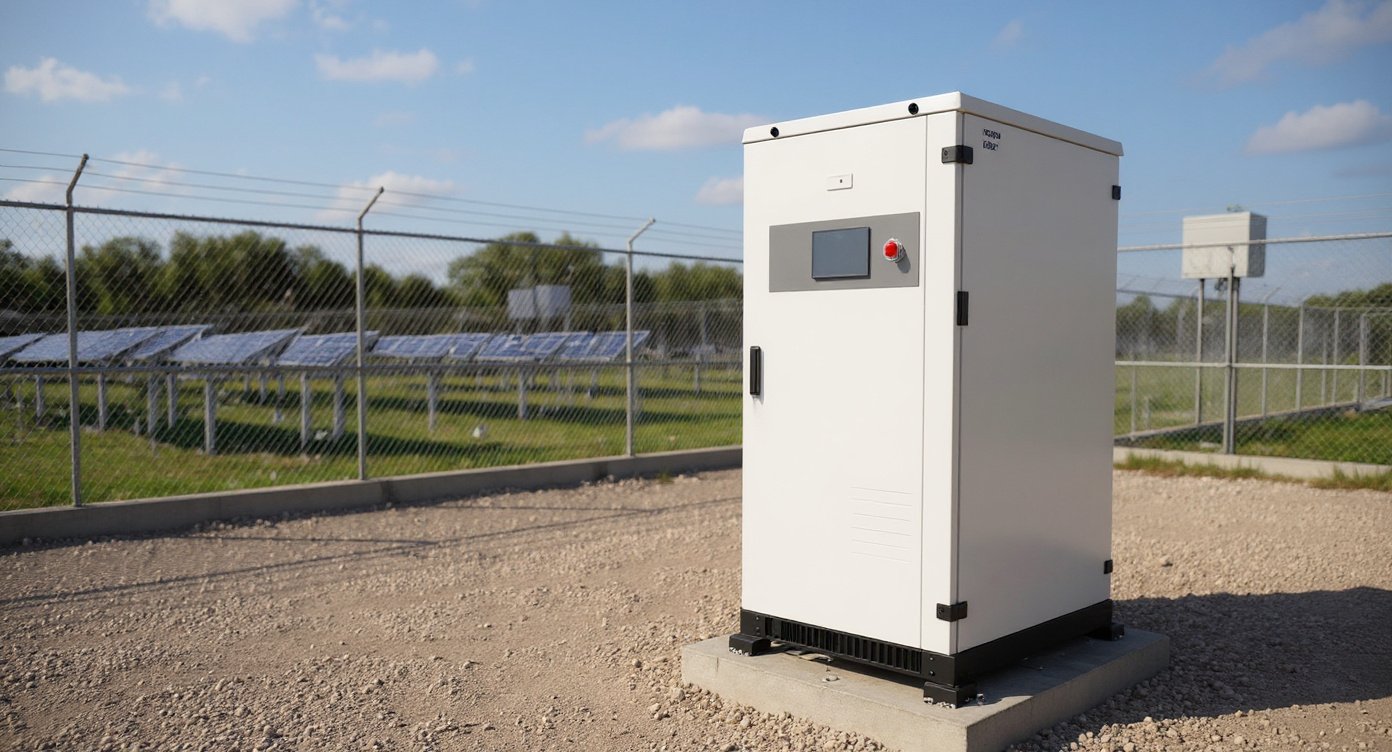
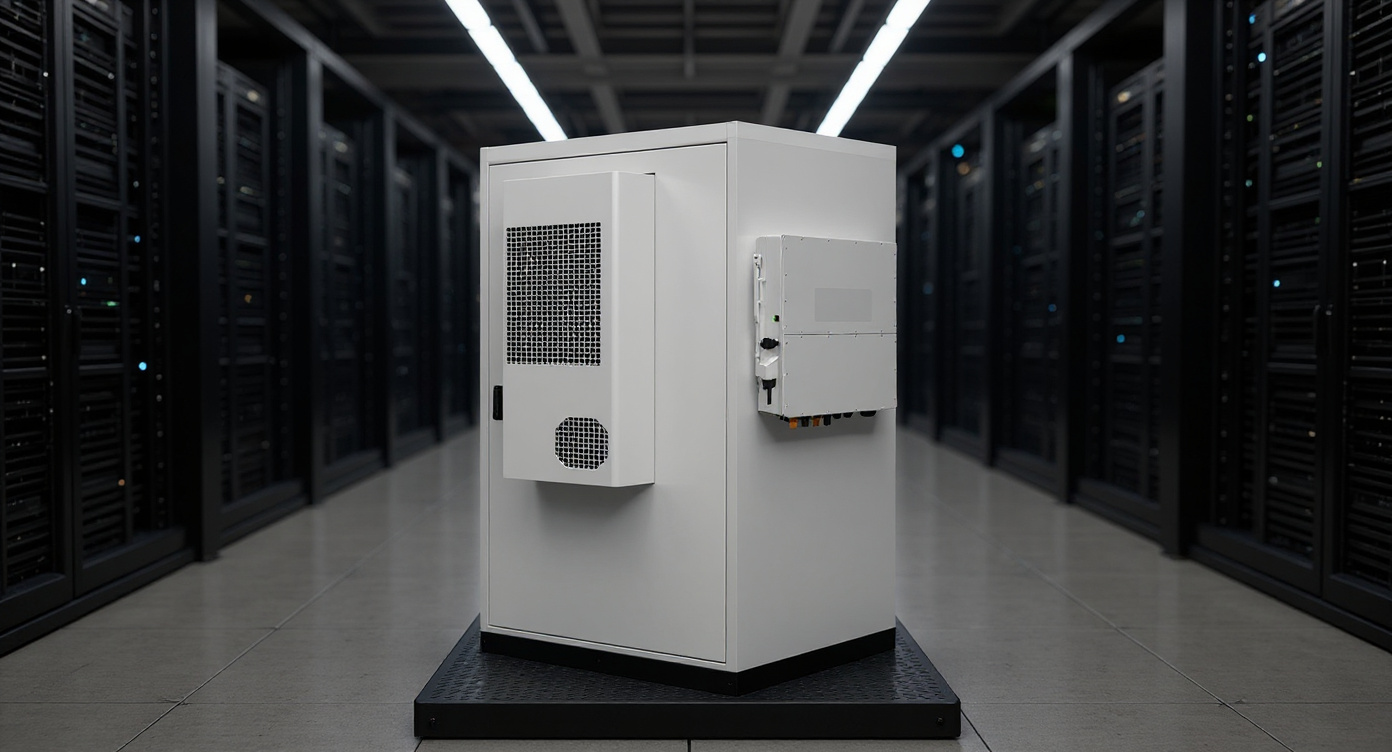
That is why the SafecubeA100A50PT matters as a reference point here, a 100kWh nominal, 50kW all-in-one cabinet with LiFePO4 cells, LAN/CAN/RS485 communications, IP54 protection, and cabinet plus pack fire-suppression functions.
What industrial battery storage buyers should verify before signing
The best quote packs read like a checklist, not a sales pitch. If you have to keep asking for the missing pieces, the offer is not ready.
Here’s the short list I’d use before I even start comparing suppliers:
1. Ask for usable energy at the actual operating point. You want the deliverable number, not the nominal figure, and you want the test assumptions beside it.
2. Ask what the auxiliary load is in standby, in charge mode, and in discharge mode. A cabinet that spends too much energy on itself is a poor fit for tight cycling.
3. Ask whether the 50kW rating is continuous, peak, or limited by temperature. A lot of confusion disappears once that is written down.
4. Ask for the cycle-life test conditions behind the 8,000-cycle claim. Depth of discharge, temperature, rest periods, and end-of-life definition all matter.
5. Ask for the certification packet. For this class of equipment, the buyer should not accept a vague note when the site needs documents for review, commissioning, or insurance.
6. Ask how the BMS, EMS, and site controller talk to each other. LAN, CAN, and RS485 sound useful, but you still need the actual integration map.
The questions look basic, but they save money fast. The wrong cabinet can be oversized in one dimension and undersized in another. A site that needs 35kW for four hours is solving a different problem than a site that needs 50kW for a short daily peak.
The paperwork that should arrive with the quote
A good procurement packet should make the technical and safety story boring. If it doesn’t, keep pressing.
UL’s page on energy storage system testing and certification is a useful reminder that the model name is only one part of the story. You still need the test scope, the standard referenced, and the boundary of what was actually evaluated.
For fire review, UL’s explanation of UL 9540A and NFPA 855 is the better guide. It helps frame why fire behavior, installation rules, and site planning can’t be treated as an afterthought.
And for buying discipline, the U.S. Department of Energy’s battery energy storage system procurement checklist lines up with the same idea. Get the operating limits, warranty terms, safety documentation, and commissioning needs before the order is locked.
A clean quote should answer these questions without a fight:
| Document or data point | What it should tell you | What happens if it’s missing |
|---|---|---|
| Usable energy report | Delivered kWh under stated conditions | You are guessing at runtime |
| Cycle-life test conditions | How the 8,000-cycle claim was measured | The endurance claim is hard to compare |
| Safety certification files | What standard and scope were covered | Compliance reviews slow down |
| Fire documentation | What the cabinet does and what the site must do | The installation plan gets shaky |
| Communications map | How the cabinet integrates with the site | Controls work becomes a guessing game |
IEC 62619 documentation belongs in that packet too, along with any site-specific fire requirements and the local review path. If the supplier can’t hand over the right papers, the hardware is not the only risk.
Where this cabinet fits, and where it doesn’t
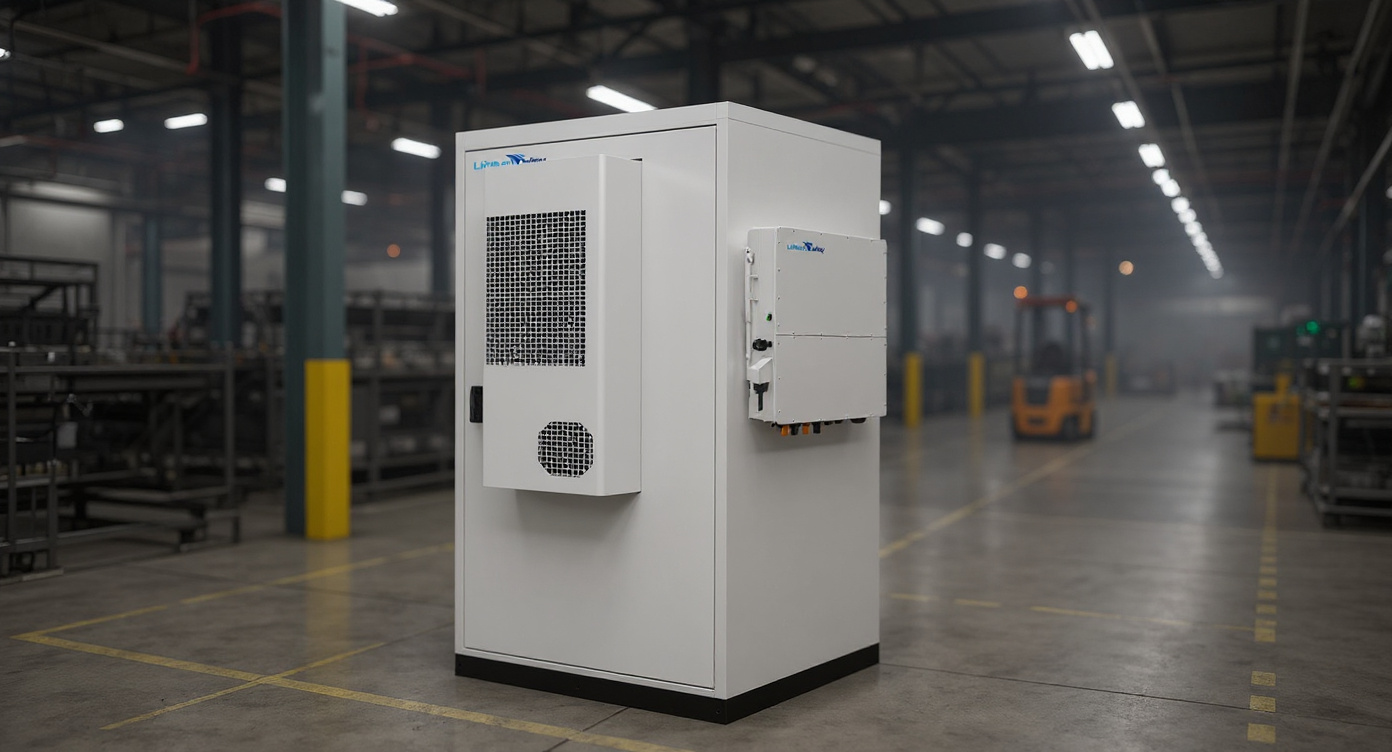
This class of cabinet makes sense when you need a compact, all-in-one storage block and your duty cycle matches the power rating closely. It fits peak shaving, short backup windows, controlled charging from on-site generation, and sites that care more about clean integration than about building a custom battery room.
It is less attractive when the project needs long-duration discharge, heavy daily throughput, or a power level well above 50kW for extended periods. In those cases, a single cabinet can be the wrong shape of answer, even if the energy number looks comfortable at first glance.
Here’s a simple comparison that helps:
| Site need | Good fit | When I’d look elsewhere |
|---|---|---|
| Short daily peak shaving | 50kW class cabinet | If the peak lasts many hours |
| Backup for critical loads | All-in-one cabinet | If runtime needs exceed usable energy |
| Solar self-consumption | Straightforward integration | If the site needs complex multi-string control |
| Process support power | Useful for moderate demand | If power swings are too large |
| Multi-building campus load | Good for one node | If you need distributed storage |
The product family here is named like a cabinet, and that’s the right mental model. It’s a bounded system, not a magic box. If your load profile is messy, the first job is to map the curve. If your load profile is clean, the job is easier.
Questions buyers ask before they sign
Is 100kWh the energy I can actually use?
Not always. It’s the nominal figure. Ask for usable energy at the stated operating point before you compare offers.
Does the 50kW inverter mean continuous 50kW output?
Sometimes yes, sometimes no. You need the exact duty rating, temperature limits, and any derating curve.
Why does air cooling matter?
It affects parasitic load, maintenance expectations, and how the cabinet behaves in hot or dusty spaces. It also changes what you should ask about service intervals.
What does IP54 cover?
It’s an ingress protection rating, so it tells you something about exposure tolerance. It does not replace site design, fire review, or indoor-outdoor placement checks.
How do I judge the 8,000-cycle claim?
Look for the test conditions. Depth of discharge, temperature, and the end-of-life threshold can change that number a lot.
Do I need the communications ports if my site is simple?
Maybe not on day one, but you often want them later. LAN, CAN, and RS485 give the integrator options, which is useful when controls get more serious.
What should I ask for if fire rules are strict?
Ask for the fire documentation, the safety certification files, and the install assumptions in writing. Then line that up with the local review path before you place the order.
What if the listing doesn’t show dimensions or materials?
Treat that as missing procurement data. You need the cabinet footprint, service clearances, and enclosure details before you commit space on site.
So is it worth the money?
It’s more likely to pay off when the usable energy is close to the nominal figure, the auxiliary draw stays modest, the 50kW output matches the load profile, and the documentation pack is complete. If you need longer runtime, higher power, or a very specific fire approval path, I’d keep comparing options until the numbers line up.
If the main headache is sorting usable energy, integration, and compliance without buying a bigger cabinet than you need, see SafecubeA100A50PT and compare its specs against your site list before you send out the PO.