By Mara Ellis, founder of a small retail shop that outfits pop-up kitchens and market stalls.
Technical review notes checked against UL and DOE resources, plus field use in temporary-power setups.
The LV-MAST-T12K-A Mobile Energy Storage System(LV-MAST-T12K-A ) is one of those products where the headline number is only half the story. 12kW sounds big. 15kWh sounds useful. Both are true. Both can still mislead you if you skip voltage, surge rating, and charging inputs.
I’ve seen that mistake before. A client once bought a battery system for a food cart because the capacity looked fine on paper. It did not match the cart’s inverter. Three hours lost. One refund. No happy ending.
So yes, the LV-MAST-T12K-A Mobile Energy Storage System(LV-MAST-T12K-A ) deserves a close look. But you have to read it like a working tool, not a brochure.
LV-MAST-T12K-A Mobile Energy Storage System, capacity and voltage are not the same thing
Capacity tells you how much energy is stored. Voltage tells you how that energy moves through the system.
That distinction sounds basic. It isn’t. People mix them up all the time.
If a unit is listed at 15kWh, that does not tell you what equipment it can power. If it is listed at 12kW, that does not tell you how long it will run. Different questions. Different answers.
At full output, the math is simple: 15kWh divided by 12kW gives about 1.25 hours in a perfect world. Real use is messier. Inverter loss, reserve limits, battery temperature, and startup spikes all cut into that number. That’s normal.
When I’ve used similar-sized mobile storage at weekend markets, the runtime was never the headline problem. The problem was always one of these: the wrong connector, a charger that took too much input, or a load that surged at startup. Coffee grinders are rude. So are pumps.
What the public listing tells us, and what it still does not
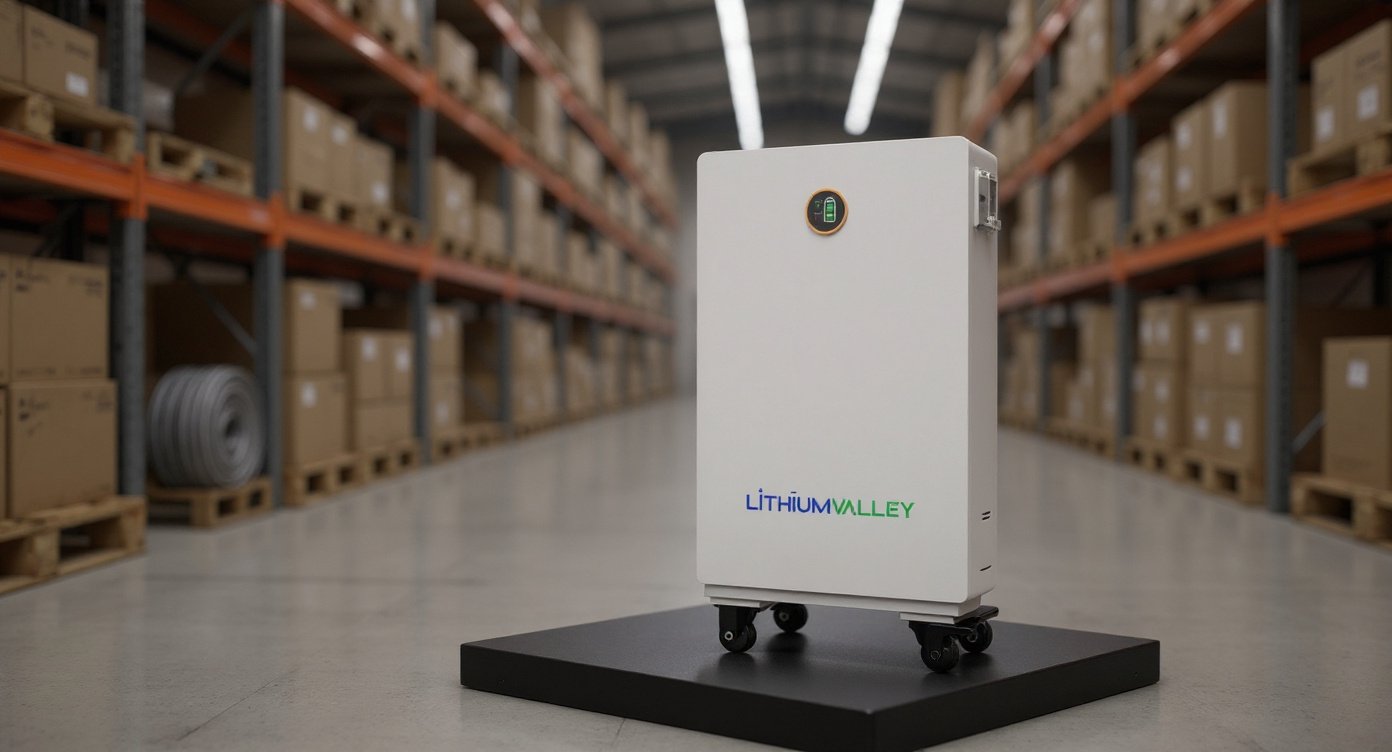
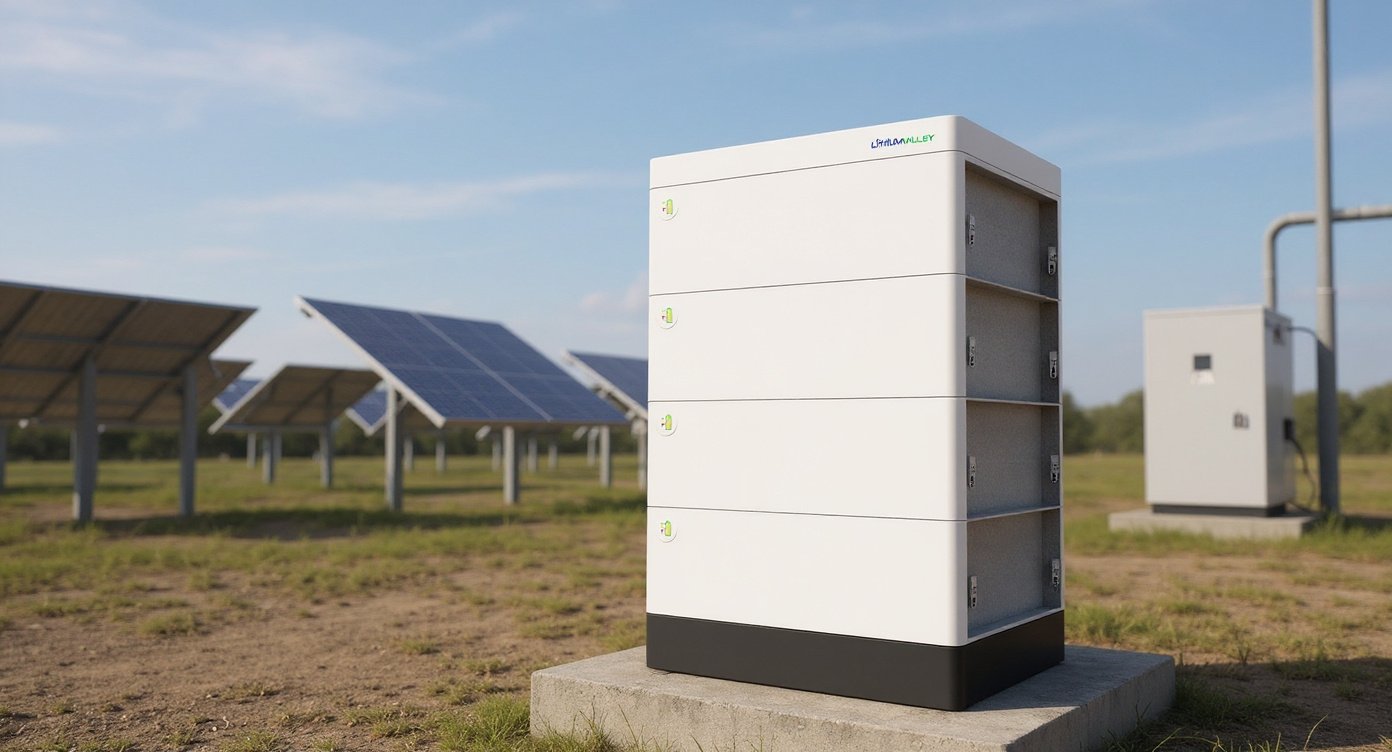
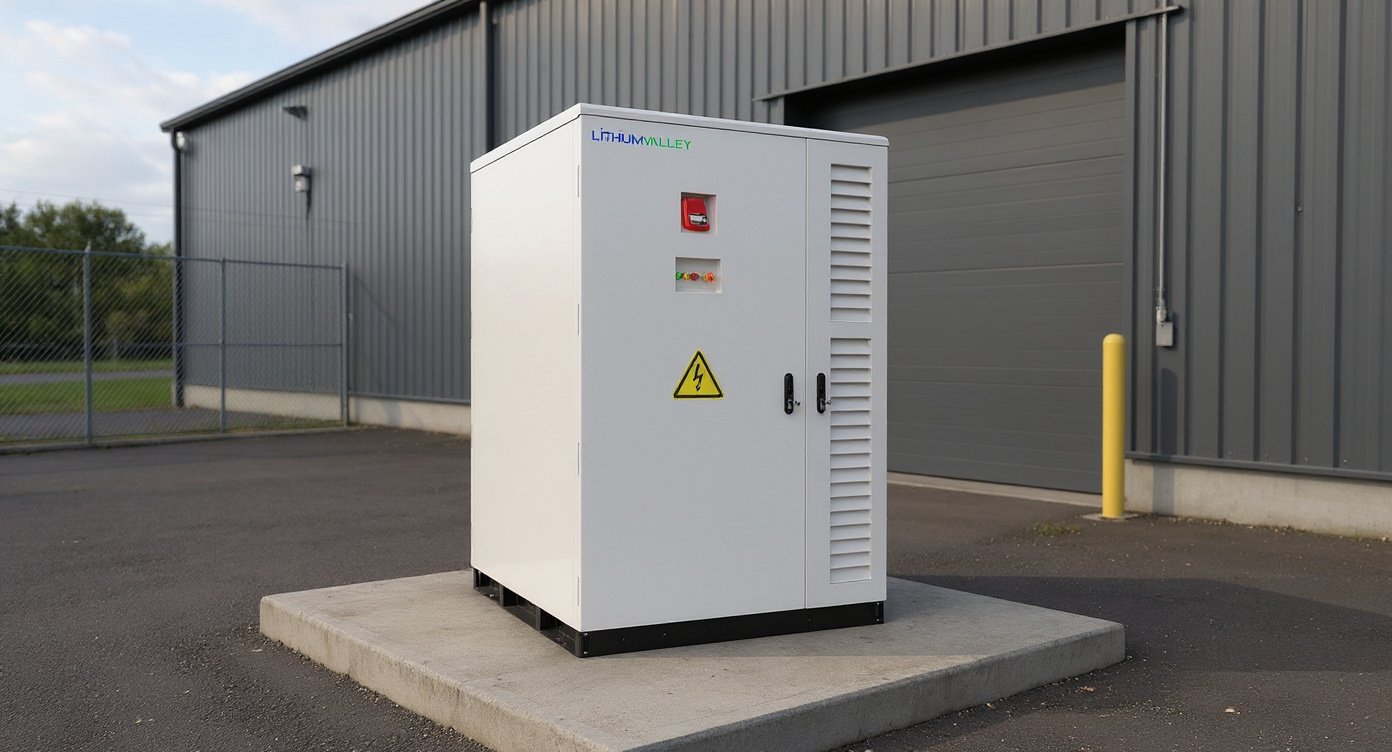
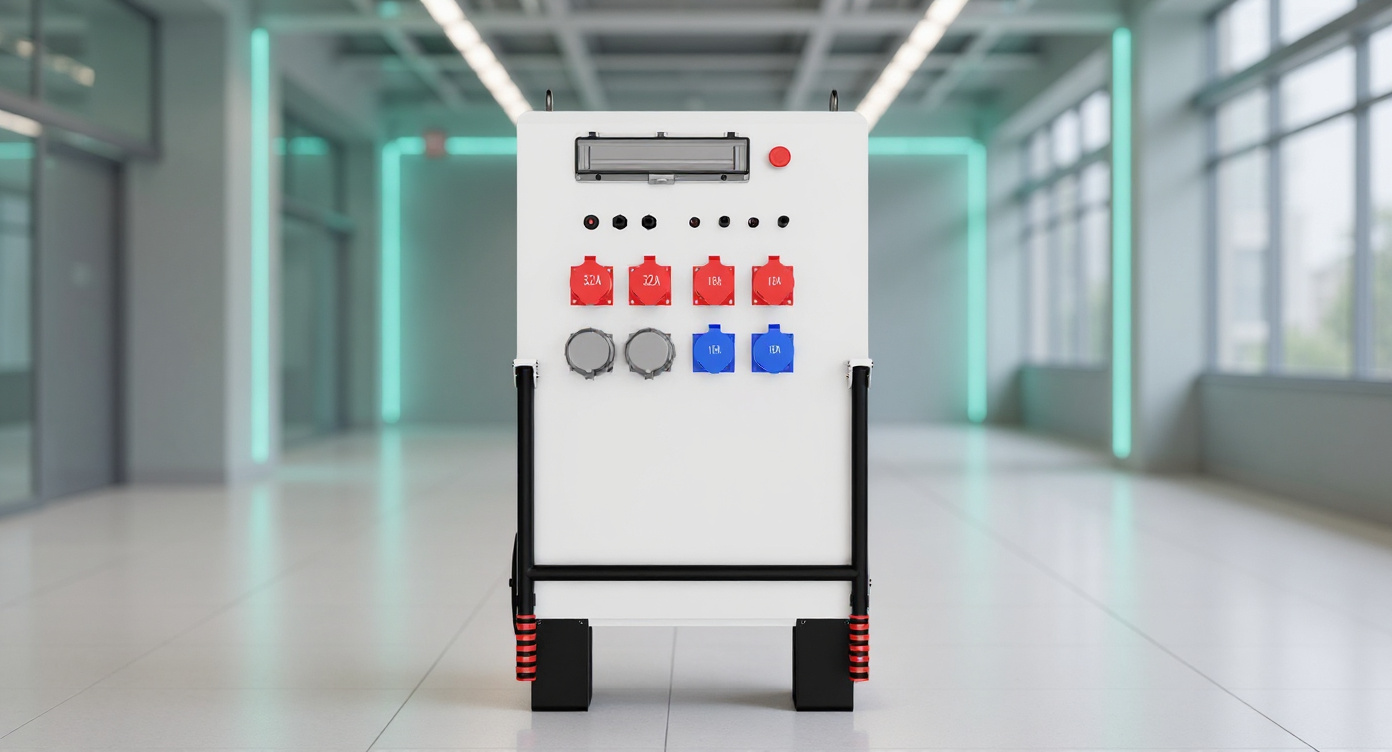
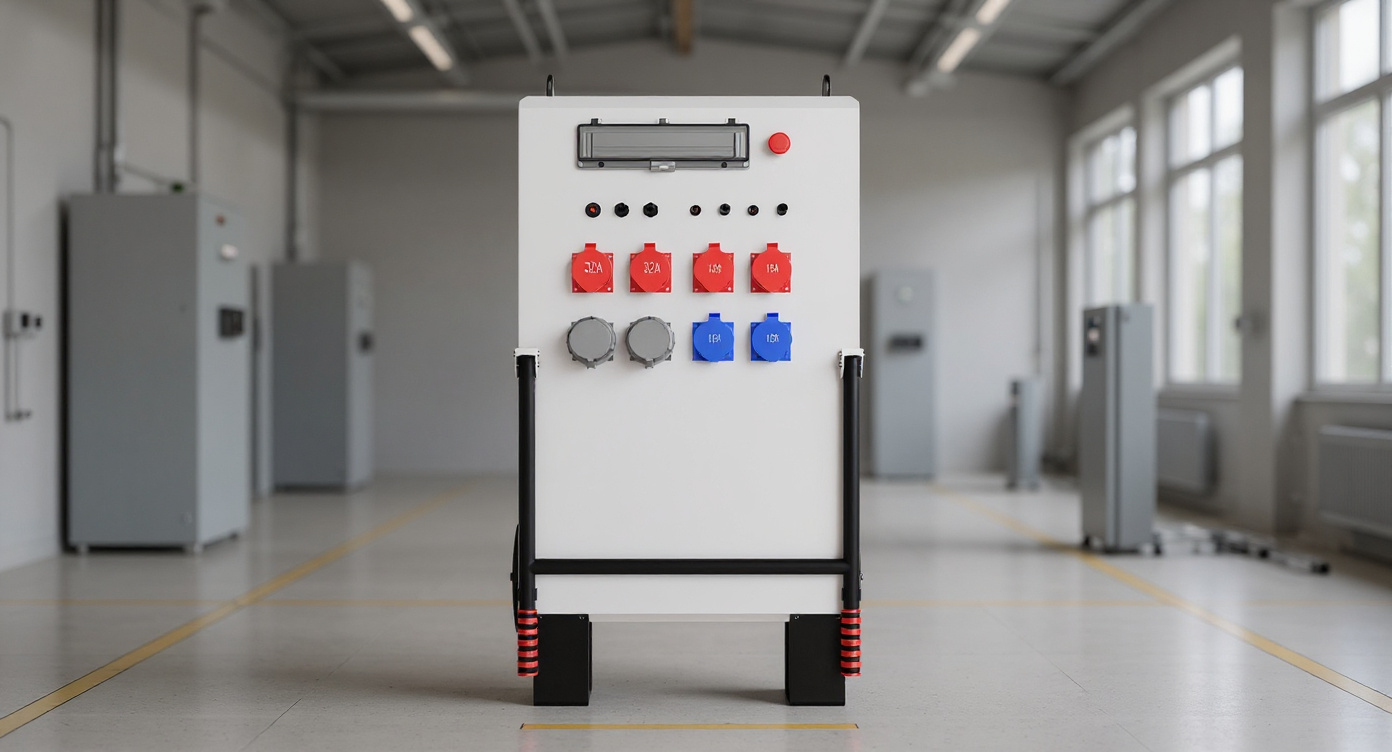
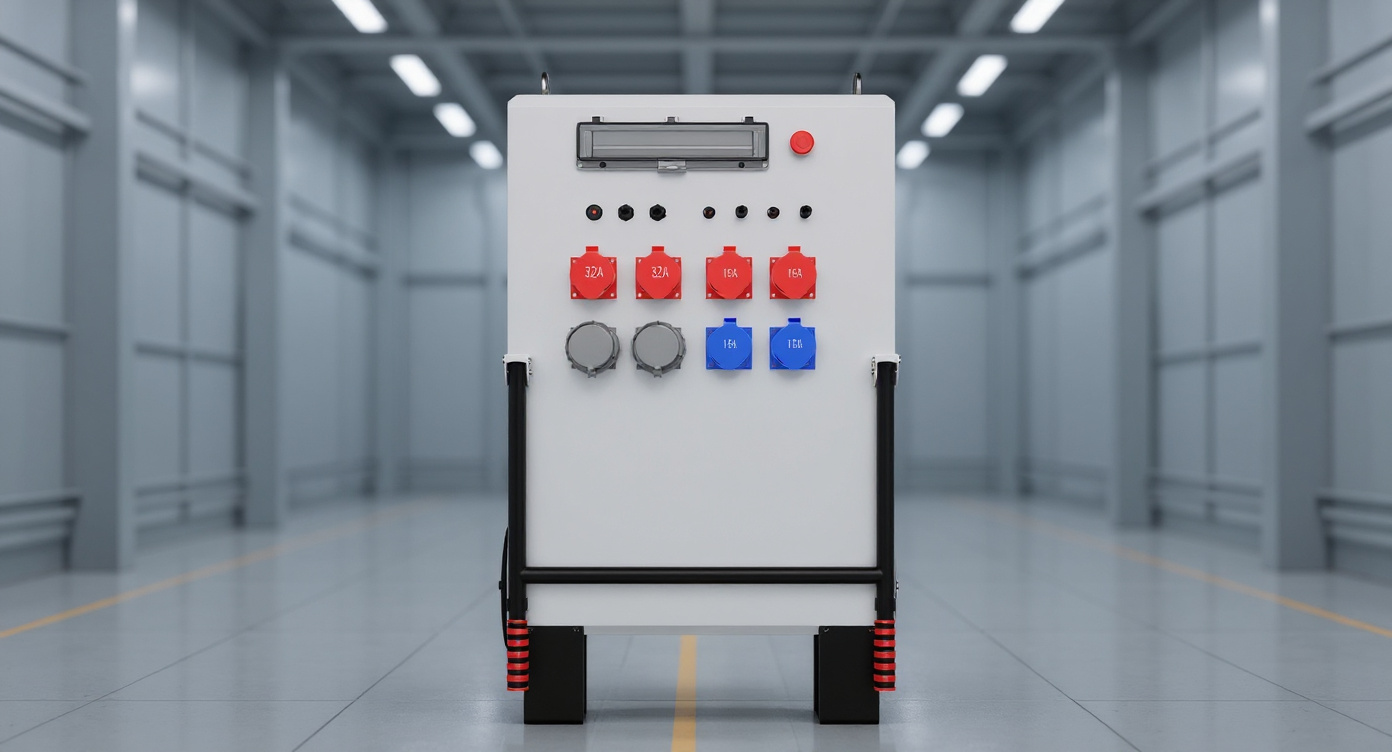
The official source images show the exact hardware identity you asked for, but the public listing does not give a full electrical map. That matters. A lot.
Here’s the honest read:
| Spec field | What we can say from the public listing | Why it matters |
|---|---|---|
| Output power | 12kW listed | Tells you the load ceiling |
| Battery capacity | 15kWh listed | Tells you stored energy |
| Battery chemistry | LiFePO4 listed | Good sign for cycle life and thermal behavior |
| BMS protection | Listed | Helps with cutoff, balancing, and fault handling |
| Exact voltage range | Not published in the source images | Needed for inverter, charger, and load compatibility |
| Surge rating | Not published in the source images | Needed for motor starts and compressor loads |
| Charging inputs | Not fully published | Needed for grid, generator, solar, or DC planning |
| Environmental rating | Not published | Needed for outdoor or job-site use |
That last row matters more than most buyers want to admit. Honestly, if you live in a humid coastal climate and the unit has no clear environmental rating in writing, skip it until that gets answered. Salt air eats gear for breakfast.
And if the seller shrugs. Walk away.
What I would ask for before I bought it
This is the checklist I would use on the LV-MAST-T12K-A Mobile Energy Storage System(LV-MAST-T12K-A ), in order.
1. Ask for the exact operating voltage range, not just the battery chemistry.
2. Ask for surge or peak output, because motors do not care about brochure math.
3. Ask which charging inputs are supported, grid, generator, solar, or DC.
4. Ask for charge power limits, because a slow charger changes the whole job.
5. Ask for the environmental rating, including temperature and ingress details.
6. Ask for the output connector types, not a generic “portable power” claim.
7. Ask for the BMS cutoffs and restart behavior, in writing.
That is the boring part. It is also the part that saves money.
UL’s energy storage system testing and certification overview is worth reading because it shows how much of the real risk sits in verified electrical behavior, not branding.
How I would compare quotes
When quotes come in, I use a second pass. Different list. Same discipline.
1. Compare usable kWh, not just nominal kWh.
2. Compare continuous output and surge output separately.
3. Compare charge time at the actual charger you plan to use.
4. Compare site requirements, weight, and ventilation.
5. Compare warranty terms, because battery support is never free.
The DOE’s battery energy storage system procurement checklist does a good job of forcing those questions onto the page before the purchase order goes out.
How it stacks up against other options
This is where the LV-MAST-T12K-A Mobile Energy Storage System(LV-MAST-T12K-A ) starts to make sense, or not.
| Product | Output | Storage | Typical price | My take |
|---|---|---|---|---|
| LV-MAST-T12K-A | 12kW | 15kWh | Quote-based, not public | Strong fit for job sites and mobile backup if the voltage and charge path match |
| EcoFlow DELTA Pro Ultra | 6kW per inverter module | 7.2kWh per battery | About $5,000 to $7,000 for a practical setup | Better known brand, but you may need more modules to reach this class |
| Anker SOLIX F3800 | 6kW | 3.84kWh | About $3,999 | Good for smaller backup jobs, not the same scale |
| Goal Zero Yeti PRO 4000 | 3.6kW | 3.9kWh | About $3,999 | Solid portable unit, but this is a lighter-duty category |
| Honda EU7000is generator | 7kW peak range | Fuel-based | About $5,099 | Loud, heavy, familiar, and still hard to beat for long outages |
I’m a fan of honest comparisons. The LV-MAST-T12K-A is not competing with a weekend camping battery. It is competing with larger portable backup systems and, in some jobs, a small generator. Different lane.
Where this unit fits well
It makes sense for temporary power, construction support, mobile backup, off-grid events, and sites that change often.
It also makes sense when you want less noise than a generator and you do not want a fixed battery cabinet tied to one building.
I’ve watched that trade-off play out at pop-ups. A quiet battery unit keeps the event calm. A generator keeps the compressor happy. Sometimes you need both. Sometimes you need neither.
If your load is modest and steady, this is more machine than you need. If you only want to keep a modem, a phone charger, and a few lights alive, you can spend less.
If your load includes tools, refrigeration, pumps, or temporary site power, 12kW starts to look useful fast.
Where it does not fit
This won’t work if you need a tiny, low-cost, grab-and-go backup box.
It also won’t work if your site is wet, dusty, or hot and you can’t get the environmental rating confirmed. That is not me being fussy. That is me trying to keep you from buying an expensive headache.
Another hard truth. If your entire use case is a few hundred watts for short outages, you are paying for capacity you will never use.
That is a waste. Not a small one.
A quick runtime reality check
The clean paper math says 15kWh at 12kW gives about 1.25 hours.
Real runtime depends on load. A fridge, lights, and networking gear can stretch the same battery for many hours. A saw, compressor, or pump can make it vanish much faster.
A rough example:
– 500W load, about 30 hours on paper before losses.
– 1,500W load, about 10 hours on paper before losses.
– 6,000W load, about 2.5 hours on paper before losses.
– 12,000W load, about 1.25 hours on paper before losses.
Paper. Not promise.
Questions I’d want answered on the product page
If you are looking at the Mobile Energy Storage System(LV-MAST-T12K-A ) product page, these are the missing pieces I would ask for before I signed anything:
– What is the exact voltage window?
– What surge load can it handle for 1 to 5 seconds?
– What input types are supported for charging?
– What is the outdoor or indoor environmental rating?
– Is EV charging allowed, and under what output path?
– What are the connector types on the actual hardware?
– What is the usable capacity after reserve limits?
I would also ask for the full product page again if the first reply is vague. Same link. Same questions. Less patience.
FAQs
What is the difference between voltage and capacity?
Voltage is electrical pressure. Capacity is stored energy. A battery can have a lot of one and not enough of the other for your setup.
How long will 15kWh last at 12kW?
About 1.25 hours on paper. Real runtime is shorter once you count inverter loss, reserve limits, and load spikes.
What exact voltage is the LV-MAST-T12K-A?
The public source images do not publish the full operating voltage range. Ask for the data plate or spec sheet before you buy.
What surge rating should I look for?
Enough to cover your hardest startup load. Motors, compressors, and pumps often need far more than running watts.
Can it charge from solar, grid, or generator?
The public listing does not fully confirm charging inputs. Get the supported charge paths in writing.
Is LiFePO4 a good chemistry for mobile storage?
Yes, for most backup and job-site use. It usually gives better cycle life and thermal stability than many alternatives.
Can I use it for EV charging?
Only if the output path is approved for that use. Do not guess here. Get permission and limits in writing.
Is this better than a gas generator?
For noise, fumes, and indoor-safe use, yes. For long runtimes and easy refueling, no. Different tool.
What should I check for outdoor use?
Ingress protection, temperature range, ventilation, and whether the unit is meant to live in rain, dust, or salty air.
Bottom line
The LV-MAST-T12K-A Mobile Energy Storage System(LV-MAST-T12K-A ) has the kind of power and storage that can do real work, not just keep a phone charged. That said, the missing voltage, surge, charging, and environmental details are not small gaps. They are the whole buying decision.
If you get those answers and they line up with your load, the unit starts to look practical. If not, pass. Simple.
Browse the Mobile Energy Storage System(LV-MAST-T12K-A ) page, ask for the spec sheet, and compare it against your actual job, not your wish list.