A good battery setup can absolutely make a home more resilient, but the right buy depends on three things first: how many kilowatt-hours you actually use, how long you need backup to last, and whether you’re building for outage protection, solar self-consumption, or full off-grid living. If you’re shopping for a home battery storage system, the biggest mistake is buying by marketing label instead of matching battery capacity, inverter compatibility, protections, and installation limits to your real loads.
Plenty of systems look similar on paper. They aren’t. Some are meant to shave utility bills for a few evening hours. Some are built mainly for critical loads during outages. Some can scale well enough for larger backup windows, but only if the stack size, inverter pairing, and site conditions all line up.
That is why the practical questions matter more than brand hype. What is the per-module energy? How many modules can be stacked? What does the battery management system protect against? What floor loading does the install area need to handle? What clearances are required around the unit? If those answers are vague, the purchase decision should wait.
Start with load math, not battery marketing
Battery sizing starts at the panel and the appliance list, not the product page. A lot of people say they want to “run the house,” but that can mean anything from a refrigerator, router, a few lights, and a well pump, to central air, electric water heating, laundry, cooking, and EV charging. Those are very different targets.
The simplest way to estimate need is to break it into daily energy use and peak power demand. Energy is measured in kilowatt-hours. Power is the instant load your inverter has to supply. A battery bank can have enough stored energy for the night and still fail the job if the inverter can’t handle startup surges or too many large loads at once.
The U.S. Department of Energy’s home upgrades guidance is useful here because it pushes the same basic discipline: reduce waste first, then size equipment around actual household use. If weatherization, better control of HVAC runtime, or more efficient appliances cut your demand, the battery system you need can shrink fast.
A rough sizing exercise usually looks like this:
1. List critical loads first, fridge, freezer, internet gear, lighting, sump or well pump, medical devices, security.
2. Add each load’s wattage and typical hours of use over a 24-hour period.
3. Separate surge-heavy loads such as pumps, compressors, and some HVAC equipment.
4. Decide how many hours or days of backup you want.
5. Leave margin for inverter losses, cold-weather performance, and future load creep.
6. Check the battery’s usable expansion path, not just the starting module.
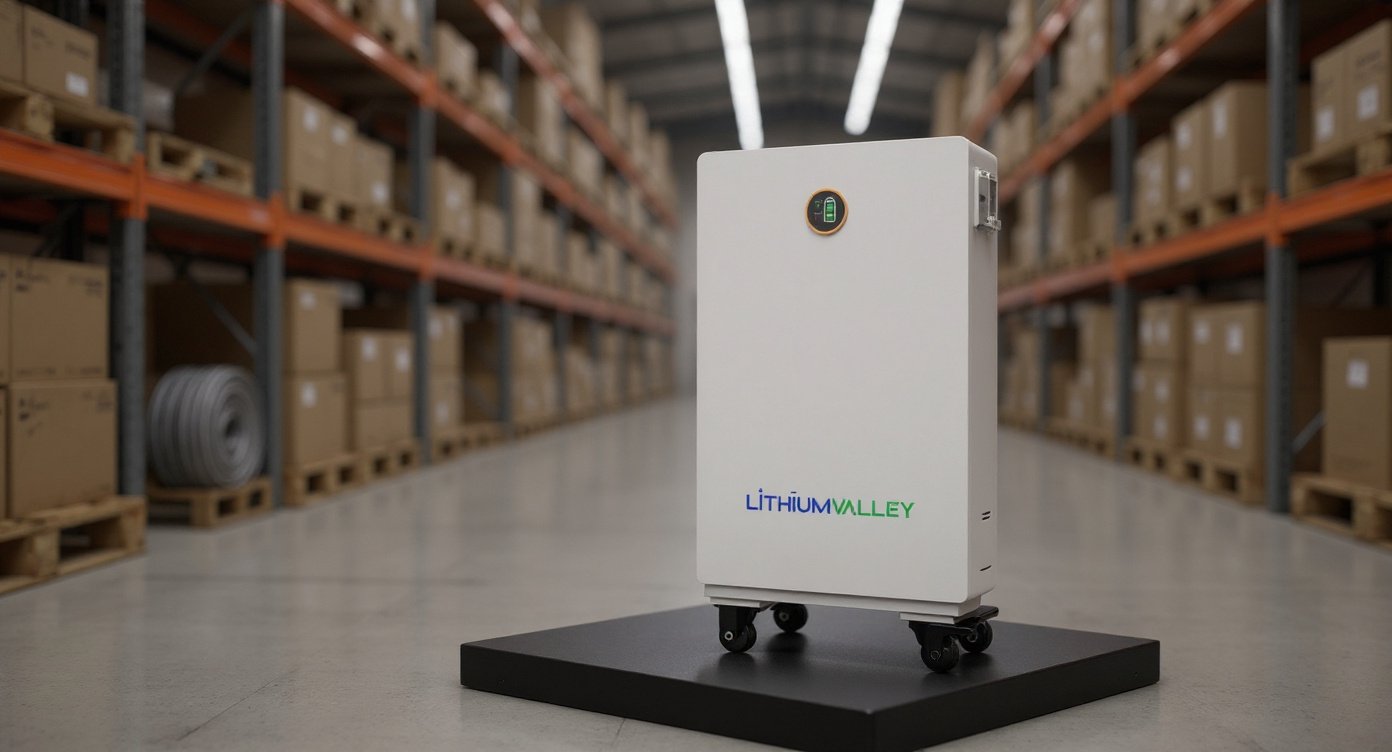
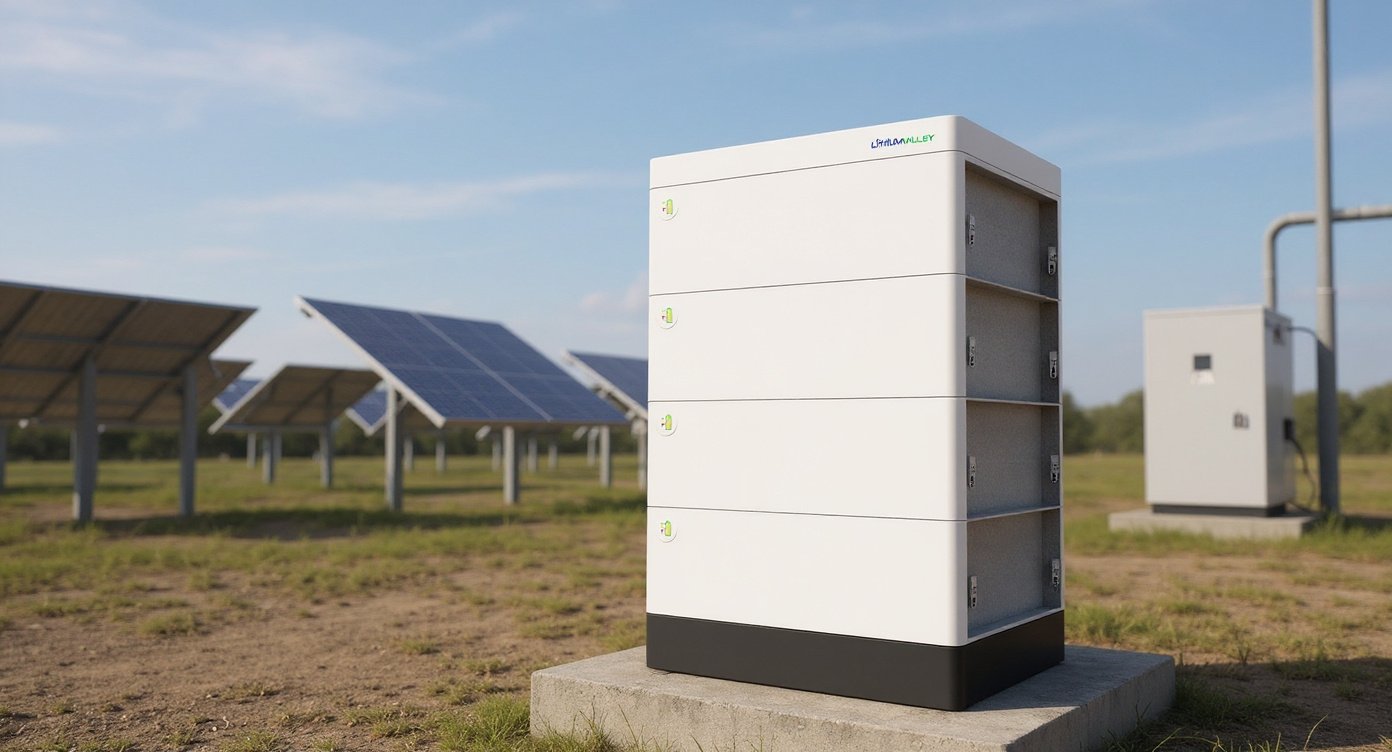
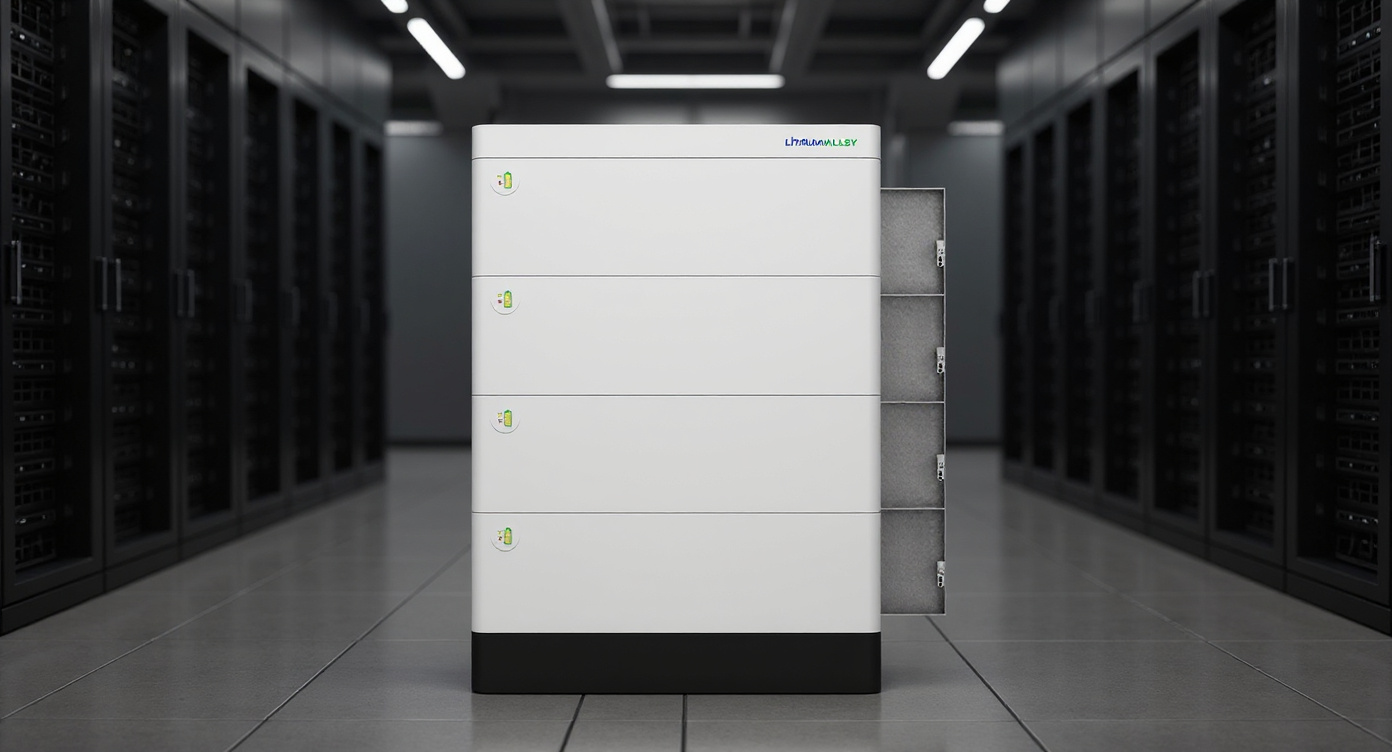
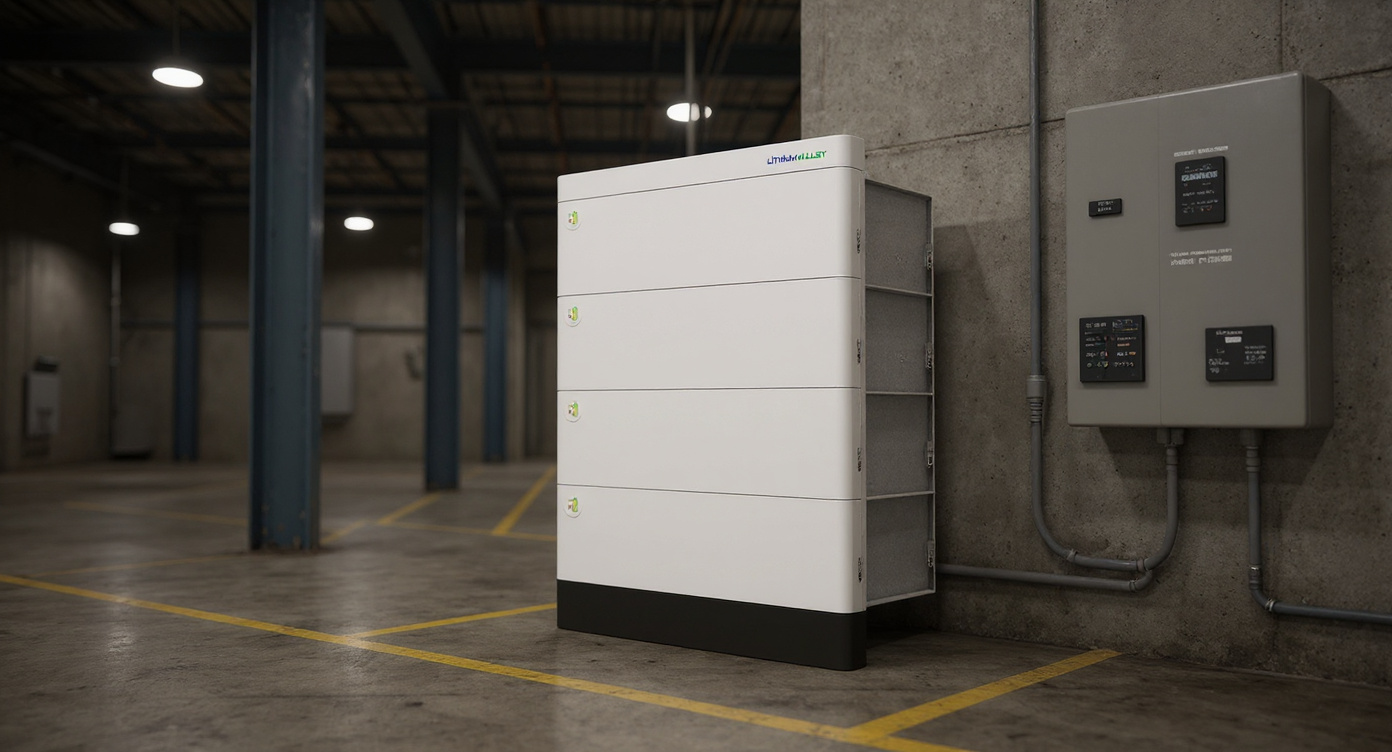
That last point matters a lot with modular gear. A stackable platform makes sense when today’s need is modest but the house may add solar, a heat pump, or longer outage coverage later. The LV-BST-L2.56Aa(Stackable Battery) is positioned exactly in that lane: residential LiFePO4 storage with modular expansion, BMS monitoring, and voltage and temperature protections. Before treating it as a fit, though, confirm the module energy, maximum stack size, inverter compatibility, floor loading, and installation clearances on the current product page.
What actually makes a residential battery system usable
Chemistry gets a lot of attention, and for good reason. LiFePO4 is commonly chosen for residential storage because it’s well established in this category and is widely used where cycle life and thermal behavior matter. But chemistry alone doesn’t make a system usable in a real house.
A battery setup becomes practical when the rest of the system supports safe operation, serviceability, and sensible scaling. That includes BMS oversight, the inverter relationship, fault protections, physical install requirements, and code-facing safety testing. Residential energy storage products are commonly evaluated against safety requirements, and UL’s residential ESS testing overview gives a good snapshot of what that landscape looks like.
Here are the features that deserve attention before you care about anything cosmetic or promotional:
| Buying factor | Why it matters in a house | What to verify |
|---|---|---|
| Module energy | Tells you how much storage each stack increment adds | Exact kWh per module |
| Maximum stack size | Sets the ceiling for future expansion | Max supported module count |
| BMS protections | Helps prevent damage from unsafe voltage or temperature conditions | Over/under-voltage and temperature protections |
| Inverter compatibility | Determines whether the battery will actually integrate cleanly | Approved or confirmed inverter pairing |
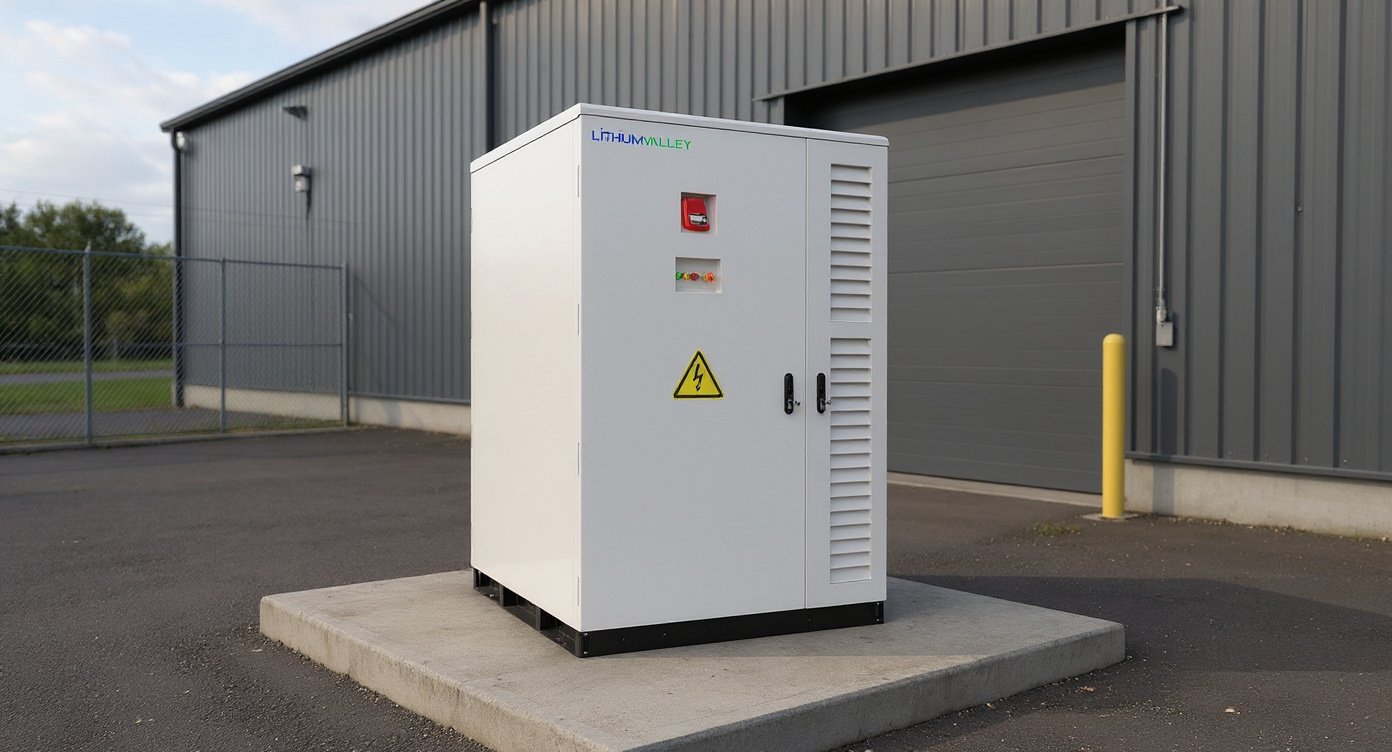
| Floor loading | Batteries are heavy enough that the install surface matters | Site load requirement |
| Installation clearances | Needed for safe service access and heat management | Front, side, top, and rear clearance specs |
| Certification and marking | Helps with code acceptance and insurance discussions | Product-specific compliance information |
A modular unit is more likely to pay off when your usage is uncertain or likely to grow. It’s less attractive if you already know the exact capacity target and a fixed-size package fits it neatly. Expansion flexibility is valuable, but only if every expansion step has known electrical and installation limits.
This is where the LV-BST-L2.56Aa deserves a close look, not a blind yes. If the current specifications line up with your inverter and your expected backup window, a stackable LiFePO4 system can be a cleaner path than replacing a whole setup later.
How much battery is enough for your house
Most battery sizing mistakes come from skipping one uncomfortable truth: whole-house backup is expensive in energy terms, and many homes don’t actually need it. Critical-load backup is usually the better starting point.
If the target is a refrigerator, communications, a handful of lights, and intermittent pump use, the capacity requirement can stay relatively moderate. Add electric range cooking, resistance water heating, or central air, and the storage target jumps. EV charging during outage backup changes the math again.
People often ask two slightly different questions as if they’re the same one:
– How big should the battery bank be?
– How big should the battery be to run the whole house?
The first question is solvable with a load sheet. The second is almost always a conversation about trade-offs.
A practical way to think about it:
– Small backup target: critical loads only.
– Medium backup target: most daily living loads, with some big loads managed or staggered.
– Large backup target: near-whole-home operation, often requiring both substantial battery capacity and a properly sized inverter stack.
Without hard numbers for your house, nobody honest can tell you the exact capacity you need. What can be said is this: if you want long-duration backup and you aren’t willing to shed big loads, you need more storage than most first-time buyers expect. If you can live with load management, the system gets more affordable and easier to expand in stages.
That’s where a modular platform tends to make more sense than a one-shot guess. Start at the capacity your present critical loads demand, then build upward if your outage experience, solar production pattern, or utility rate structure proves the extra storage is justified.
Cost questions are really capacity and scope questions
“How much does a whole house battery system cost?” sounds simple, but it hides too many variables to answer with one number. Battery capacity, inverter size, transfer equipment, labor, permitting, electrical upgrades, and install conditions all move the total. If a seller throws out a universal price without clarifying scope, that’s a red flag.
A better way to frame the budget is by project type.
| Project type | What it usually covers | Price certainty |
|---|---|---|
| Critical-load backup | Selected circuits, moderate storage, outage focus | Varies by configuration |
| Solar self-consumption add-on | Battery paired to existing or new solar for evening use | Varies by inverter and interconnection |
| Near-whole-home backup | Larger storage and inverter capability, more circuits | Quote only |
| Full off-grid system | Storage, inverter, solar/generator strategy, load discipline | Quote only |
The battery itself is only one piece. You also need to know whether your intended inverter speaks the same language as the battery BMS, how the transfer scheme will be handled, and whether your service equipment needs changes.
For residential systems, safety and marking details matter almost as much as capacity because they affect local approval and install viability. UL’s Q&A on marking for residential energy storage systems is worth a read if you’re trying to understand why labels, documentation, and listing details keep coming up during quoting.
As for the promoted unit here, the price field is not provided, so it should be treated as quote-dependent until the seller publishes a firm number. That makes the decision less about sticker shock and more about getting the real spec sheet answers first.
DIY setup or professionally installed, the weak points are predictable
A DIY battery storage setup can work for the right person, but this won’t work if you’re unclear on code requirements, inverter programming, battery communications, or emergency disconnect planning. Storage is not like dropping in a new shelf or swapping a light fixture. Errors can become expensive fast.
The usual weak points show up in the same places.
First, undersized planning. People size for average consumption, then forget startup surges, winter conditions, or what happens on day two of a long outage.
Second, inverter mismatch. A battery can look perfect until you realize the intended inverter isn’t confirmed compatible, or only supports a subset of the functions you expected.
Third, physical placement. Floor loading and clearances sound boring until the only available install spot doesn’t meet them.
Fourth, no load strategy. If every circuit is treated as essential, the battery gets drained where a simple critical-load subpanel would have stretched useful runtime.
Fifth, paperwork. Marking, approvals, utility rules, and local inspection are part of the job. Ignore them and the project can stall after the hardware arrives.
For a modular product like this one, a sensible buyer checklist looks like:
1. Confirm exact module energy.
2. Confirm maximum stack size.
3. Confirm supported inverter models.
4. Confirm floor loading requirements for the planned install surface.
5. Confirm all required clearances.
6. Confirm whether the application is grid-tied backup, solar shifting, or off-grid.
7. Confirm what protections the BMS actively provides and how faults are communicated.
If those answers are clear, then a stackable system gets much easier to evaluate. If not, pause. Hardware is the easy part. Integration is the hard part.
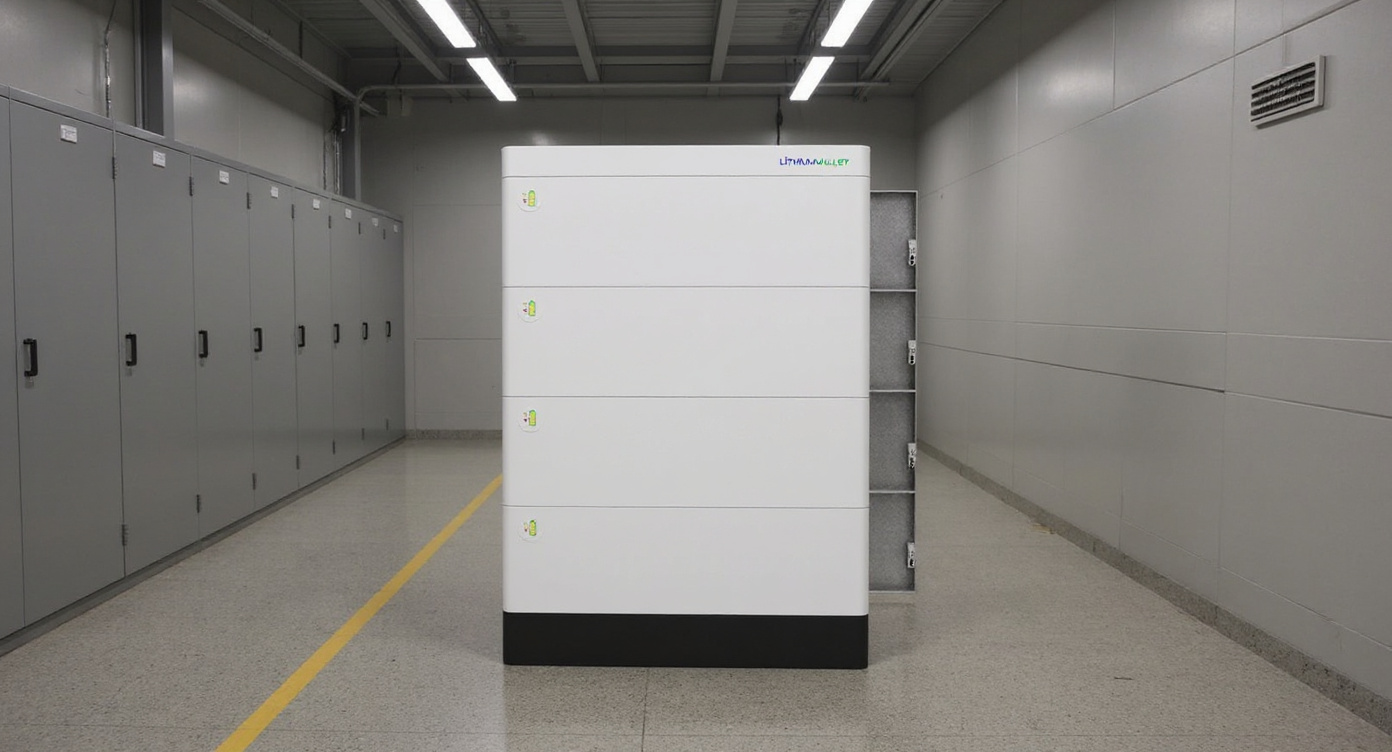
For buyers looking at modular residential storage specifically, this stackable LiFePO4 battery system belongs on the shortlist only after those seven checks are answered with real specifications.
Straight answers to the questions buyers actually ask
How much does a whole house battery system cost?
There isn’t a single honest number. Total cost varies by battery capacity, inverter size, transfer equipment, installation complexity, permits, and whether you’re backing up only critical loads or nearly the entire home. For this specific product, no published price is provided here, so treat it as quote only.
How big of a battery bank do you need to run a house?
Enough to cover your intended loads for the required number of hours, with margin for losses and surges. A house running only refrigeration, lights, internet, and a pump needs far less storage than a house trying to keep HVAC, cooking, water heating, and laundry online. The right answer starts with a load list.
What is the best home backup battery system?
The best one is the system that matches your inverter, your loads, your outage pattern, and your expansion plan. A modular LiFePO4 platform is often a strong fit when future scaling matters. A fixed-size package can be better if your target capacity is already known and won’t change.
How big of a battery do you need to run a house?
If “run a house” means true whole-home operation, the battery requirement climbs quickly. If it means a critical-load panel, the requirement is much more manageable. Those are different projects. Don’t size around the phrase. Size around the circuits.
What are your essentials for a DIY battery storage setup?
At minimum: a verified battery and inverter pairing, a clear load plan, overcurrent protection, disconnects, suitable installation space, known floor loading limits, required clearances, and a path through local code and inspection. Missing any one of those can derail the project.
Anyone running a whole home battery system?
Yes, but the successful installs nearly always involve load prioritization, careful inverter sizing, and realistic expectations about high-draw appliances. Very few setups run every large electric load indefinitely without a large storage budget and a disciplined charging strategy.
Are any home battery solutions designed for fully off-grid use?
Some are, but “off-grid capable” depends on more than the battery. It requires a complete system design that includes inverter capability, charging sources, seasonal energy planning, and usually generator strategy for extended poor-production periods. A residential stackable battery may fit into that, but it doesn’t prove off-grid suitability by itself.
Seeking advice on a battery energy storage system that’s upgradable
Look for modular expansion with clearly stated per-module energy, maximum supported stack size, BMS protections, and confirmed inverter compatibility. Upgradable is only useful when the expansion rules are explicit. If a product page is vague on that, ask before buying.
The buying call that matters most
If you’re tired of vague battery sales talk, that’s fair. This category is full of big promises and missing details, and the missing details are exactly what determine whether a system helps or becomes an expensive wiring project.
The more sensible path is to match storage to your actual loads, confirm the installation constraints, and choose a platform that can grow if your needs grow. If that points you toward a modular LiFePO4 setup with BMS monitoring and built-in voltage and temperature protections, the LV-BST-L2.56Aa(Stackable Battery) is a natural place to look next. You can see LV-BST-L2.56Aa(Stackable Battery) and check the current specifications before deciding whether it fits your house.