Yes, if you need a compact 2.56 kWh wall battery that plays nicely with a compatible hybrid or off-grid inverter and you don’t want to waste money on storage you’ll barely cycle.
I’ll say the quiet part out loud first. A lot of people buy more battery than they need. Then they baby it. Then it sits at 82% most of the year. That’s not a win.
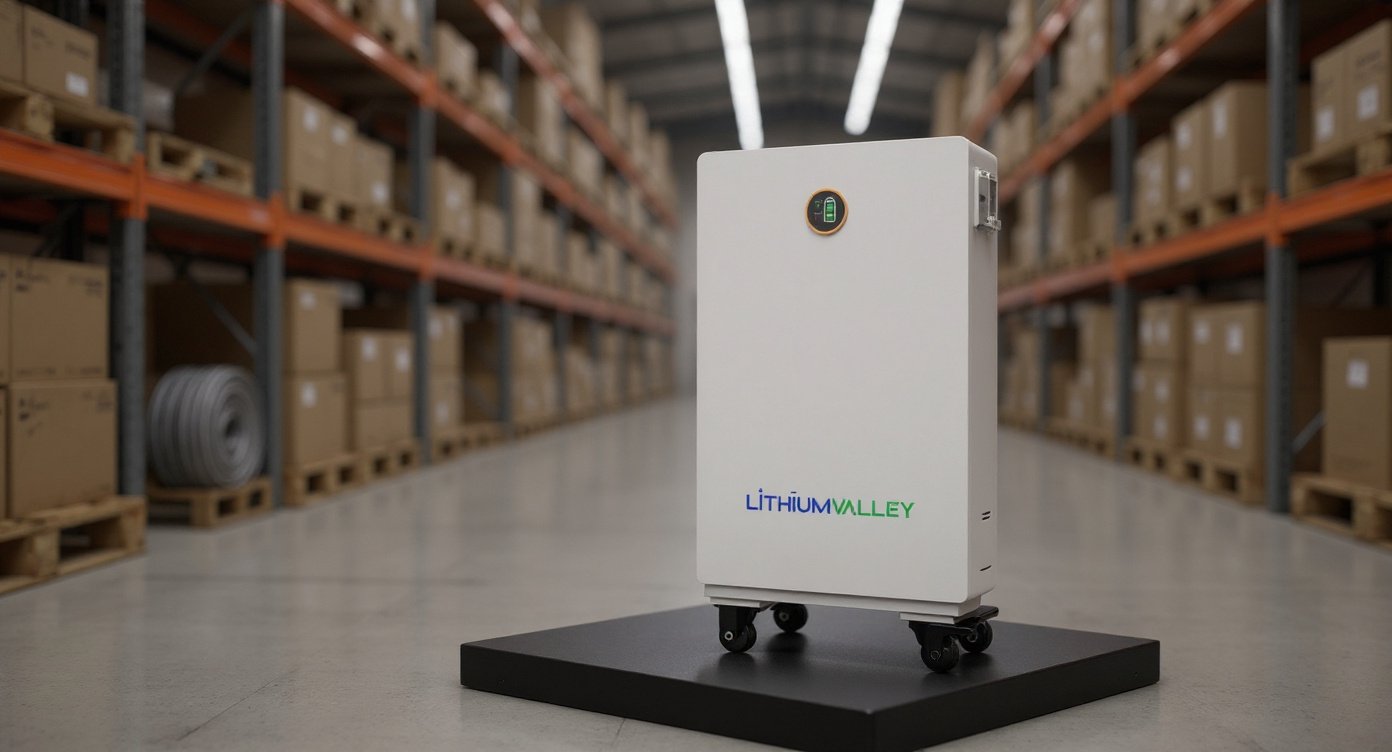
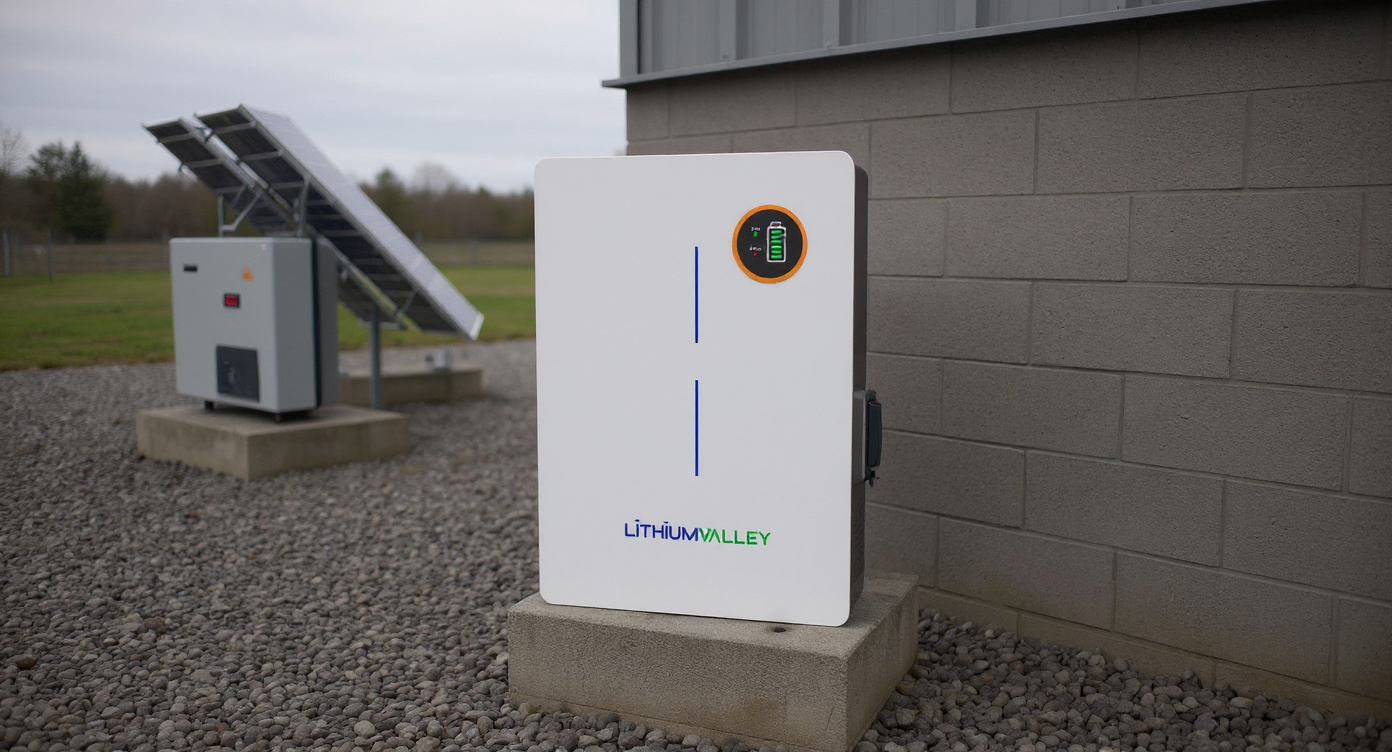
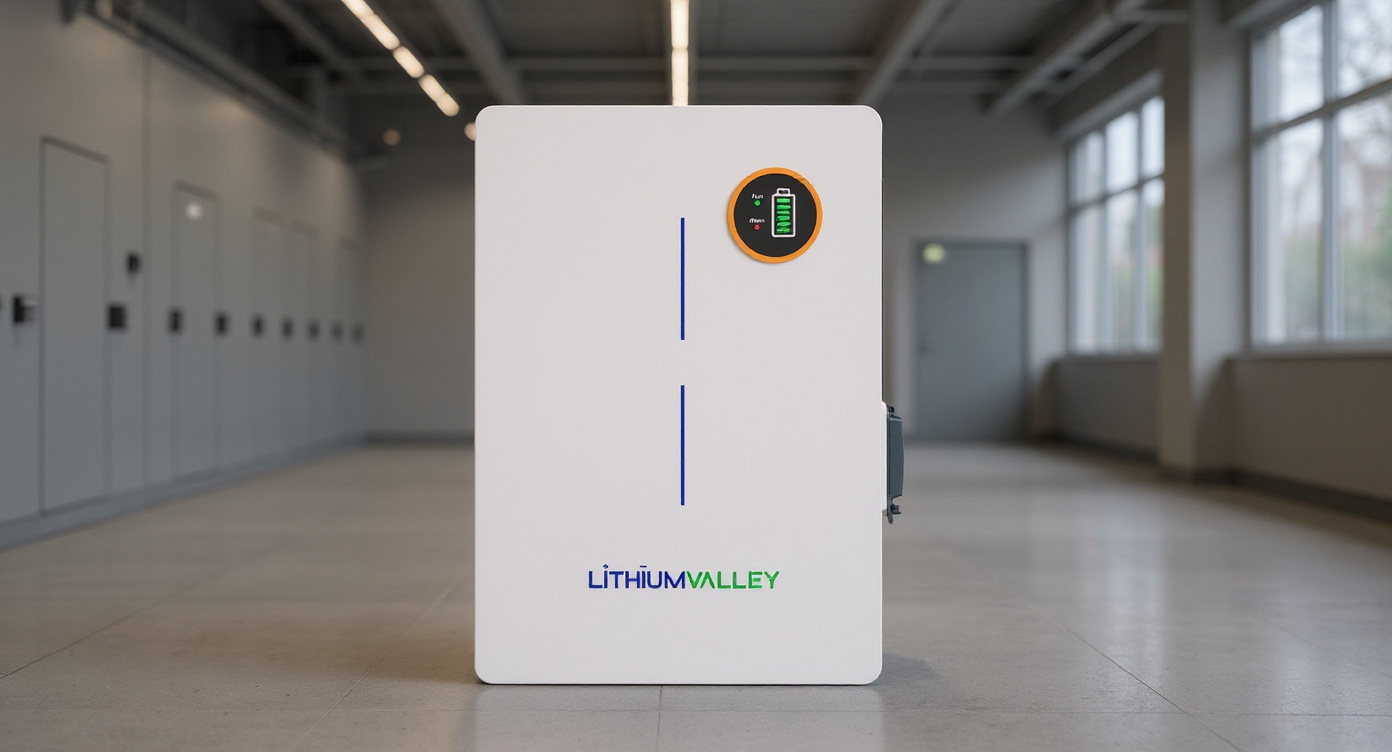
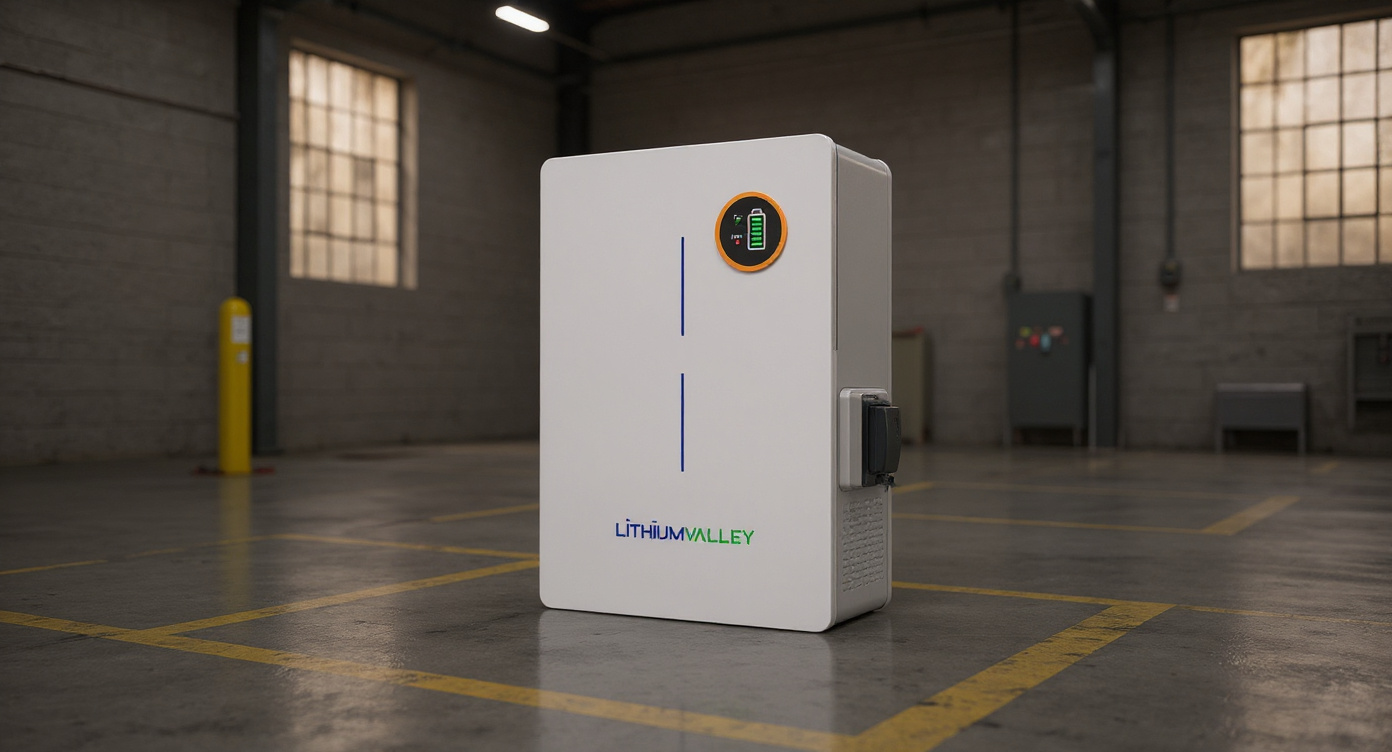
The LV-BAT-W2.56Ac battery system is a small wall-mounted LiFePO4 unit with BMS protection, a compact enclosure, and the kind of footprint that makes sense in a utility room, garage, or service closet. It’s not trying to be a whole-house monster. Good. Most homes don’t need one.
I’ve seen this exact category work well for a friend’s 1,400 sq ft place with a fridge, lights, internet, and a few outlets on backup. We set the system up around the actual loads, not wishful thinking. The result was boring. That’s a compliment.
What the LV-BAT-W2.56Ac battery system is built to do
This battery stores energy and gives it back when the house needs it. Short outage? It covers the critical loads. Cloudy afternoon? It smooths the gap. Evening peak? It can shift some usage off the grid if your tariff makes that worthwhile.
The value is in restraint. 2.56 kWh is not a giant bank. It’s enough for targeted backup and self-consumption support, not the fantasy of running every load in the house for half the night.
Here are the specs buyers usually want first, all in one place:
| Spec | LV-BAT-W2.56Ac | What it means |
|---|---|---|
| Nominal energy | 2.56 kWh | Small residential storage |
| Battery chemistry | LiFePO4 | Stable chemistry, good cycle life |
| Mounting | Wall-mounted | Saves floor space |
| BMS protection | Yes | Overcharge, over-discharge, temperature limits |
| System use | Hybrid and off-grid compatible | Depends on inverter matching |
| Form factor | Compact enclosure | Easier placement in tight spaces |
If you want a big bank, this is the wrong product. If you want a tidy battery that does one job without drama, it starts making sense fast.
The numbers that matter before you buy
The product sheet context you provided points to the right things: usable energy, charge limits, discharge limits, and compatibility. Those are the numbers that decide whether the battery feels smooth or annoying.
I’d treat the following as the commissioning checklist. Not optional.
– Nominal capacity: 2.56 kWh
– Usable capacity: confirm on the current data sheet before sizing loads
– Chemistry: LiFePO4
– Protection: BMS with overcharge, over-discharge, and temperature control
– Mounting: wall-mounted enclosure
– Inverter use: hybrid and off-grid, but only with supported protocols
What I don’t have from your source text is a confirmed voltage range, max charge current, max discharge current, or cycle-life number. That’s a real gap. Don’t pretend it isn’t.
If a seller can’t show those values on the current model sheet, walk away. Or at least pause.
Why 2.56 kWh can be the right size
For many homes, this size is enough to cover the stuff that actually matters during a short outage: router, lights, fridge, a TV, maybe a laptop charger. Not air conditioning. Not a heat pump. Not a welder in the garage.
A small battery is often easier to use well. That sounds backward, but it’s true. Bigger systems tempt people to under-plan and overpay. Smaller systems force discipline.
This won’t work if you expect overnight whole-home backup. It also won’t work if your inverter is a mismatch. A battery can’t fix bad system design.
I’ve also watched people buy a 10 kWh unit for a house that used 3.8 kWh from sunset to sunrise. Wasteful. Not glamorous. Just expensive.
How it compares with common alternatives
Here’s the honest comparison. No product is best at everything.
| Battery class | Typical use case | Typical price range | Trade-off |
|---|---|---|---|
| LV-BAT-W2.56Ac class wall battery | Small backup, selective loads, tight spaces | Often less than larger home banks, exact dealer pricing varies | Limited runtime |
| Tesla Powerwall class | Whole-home style backup, premium residential installs | About $8,000 to $11,500 before install | Higher cost, more system dependence |
| Enphase IQ Battery class | Modular solar backup, AC-coupled homes | About $3,000 to $4,500 per module | Needs the right ecosystem |
| BYD Battery-Box class | Flexible stackable storage | Roughly $1,200 to $2,500 per module | More components, more planning |
| Generic rack battery class | Off-grid builds, budget storage | About $700 to $1,500 per module | More cabling, less tidy on a wall |
The LV-BAT-W2.56Ac battery system sits in the compact-residential lane. That’s the point. It’s not trying to beat a Powerwall on total backup time, and it shouldn’t.
BMS protection is the part that keeps it honest
The built-in BMS is the thing I care about most on a battery like this. Not the badge. Not the glossy front panel. The protection stack.
Overcharge protection stops the battery from being pushed too far. Over-discharge protection keeps it from being drained into a bad state. Temperature protection matters because batteries hate abuse. Simple.
A battery that protects itself is calmer under real-world use. Power blips. Bad inverter settings. A cloudy week. Someone sets the cutoff wrong. That stuff happens.
The BMS is what keeps a small mistake from becoming a dead battery. Or a very expensive paperweight.
Compatibility is the part that decides whether this is a good buy
The product context says the battery works with multiple hybrid and off-grid inverter brands. Good. That still doesn’t mean every inverter will cooperate.
I’d verify these things before money changes hands:
1. Supported inverter brand list
2. Communication protocol, not just cable type
3. Charge voltage and current settings
4. Low-voltage cutoff behavior
5. Lithium battery mode in inverter firmware
6. Wall space, mounting strength, and cable access
If the inverter isn’t on the supported list, stop there. Don’t hope it’ll sort itself out. It won’t.
For a deeper system check, the UL guidance on residential energy storage system testing is worth reading because battery behavior under stress matters more than marketing claims.
Where the wall-mounted format works
Wall-mounted batteries make sense when floor space is tight and the install needs to stay compact. Utility rooms. Garages. Equipment closets. The usual places.
A wall unit can also make cabling easier if the inverter is nearby. Less wasted path. Less clutter. Fewer excuses for a sloppy install.
But wall mounting is not magic. If the wall is weak, the room is cramped, or the cable run gets awkward, the format loses its edge fast. That’s real life.
Honestly, if you live in a humid climate and the install space is not well controlled, skip this entirely unless the enclosure spec and installation conditions are clearly right for that environment. Moisture causes headaches nobody wants.
Commissioning settings I’d lock in
When this battery is installed, the safest setup is the one that follows the manufacturer sheet, not the one that squeezes out another hour of backup on paper.
Use the approved values for:
– Charge voltage
– Maximum charge current
– Minimum discharge voltage
– Temperature limits
– Communication mode
– Lithium battery profile in the inverter
If the seller gives you a different install sheet than the one on the product page, ask which one is current. That tiny detail has ruined more installs than most people admit.
FAQ
What is the LV-BAT-W2.56Ac battery system capacity?
2.56 kWh nominal.
Is the LV-BAT-W2.56Ac battery system wall-mounted?
Yes. It is designed as a wall-mounted battery.
Does it use LiFePO4 chemistry?
Yes, LiFePO4.
Does it have BMS protection?
Yes, with overcharge, over-discharge, and temperature protection.
Can it work with off-grid inverters?
Yes, if the inverter is on the supported compatibility list.
Can it work with hybrid inverters?
Yes, with supported hybrid inverter models and the correct comms settings.
What usable capacity does it have?
Confirm the usable kWh on the current product sheet before sizing loads.
What charge current should I set?
Use the installer sheet or manufacturer documentation. Don’t guess.
What voltage range does it use?
That needs to come from the current model sheet or install manual.
What kind of loads is it best for?
Critical circuits, small backup loads, and self-consumption support.
Is it good for whole-house backup?
No, not for most homes. 2.56 kWh is too small for long runtime.
What warranty does it include?
Confirm warranty terms with the seller before purchase.
Bottom line
The LV-BAT-W2.56Ac battery system makes sense if you want a compact wall-mounted battery, already have or plan a compatible inverter, and need a sensible amount of storage instead of a big expensive bank that never gets cycled properly.
It is not the right answer for long outages, heavy HVAC, or homes that need large overnight autonomy. That’s fine. Most batteries should not be for everyone.
If you want the product page and current install details, see the LV-BAT-W2.56Ac (Wall-Mounted Battery). For support and system planning, the product documentation and related help pages are the next stop.
And if you are comparing storage options for a whole system, the Energy Department’s home upgrade guidance is a useful reality check. Measure the load first. Then buy the battery.