A deep-cycle lithium battery is worth the money when you cycle hard, want real usable capacity, and are done babysitting lead-acid. For a 12V system, the 12.8V 300AH unit is a lead-acid replacement pack, not a starter battery, and that distinction matters more than people think.
If your charger is wrong, the battery will get blamed. If your wiring is undersized, the battery will get blamed. If your load is too small, you may have overspent for no gain. That part is boring. It’s also the whole game.
I’ve seen this play out on a fishing boat twice. One owner swapped in lithium, kept the old converter, and wondered why the pack never hit full charge. The other changed the charger profile, checked cable gauge, and got three long seasons with no drama. Same chemistry. Different result.
The short answer on the 12.8V 300AH battery
Buy it if you need a large 12V house battery with a built-in BMS, stable voltage under load, and support for parallel expansion. Skip it if your setup is tiny, your charger can’t be changed, or your battery lives in a place that gets cold enough to block charging.
Honestly, if you live in a humid climate and the battery compartment floods or stays wet, skip this entirely until you fix the enclosure. Battery chemistry won’t save a bad install.
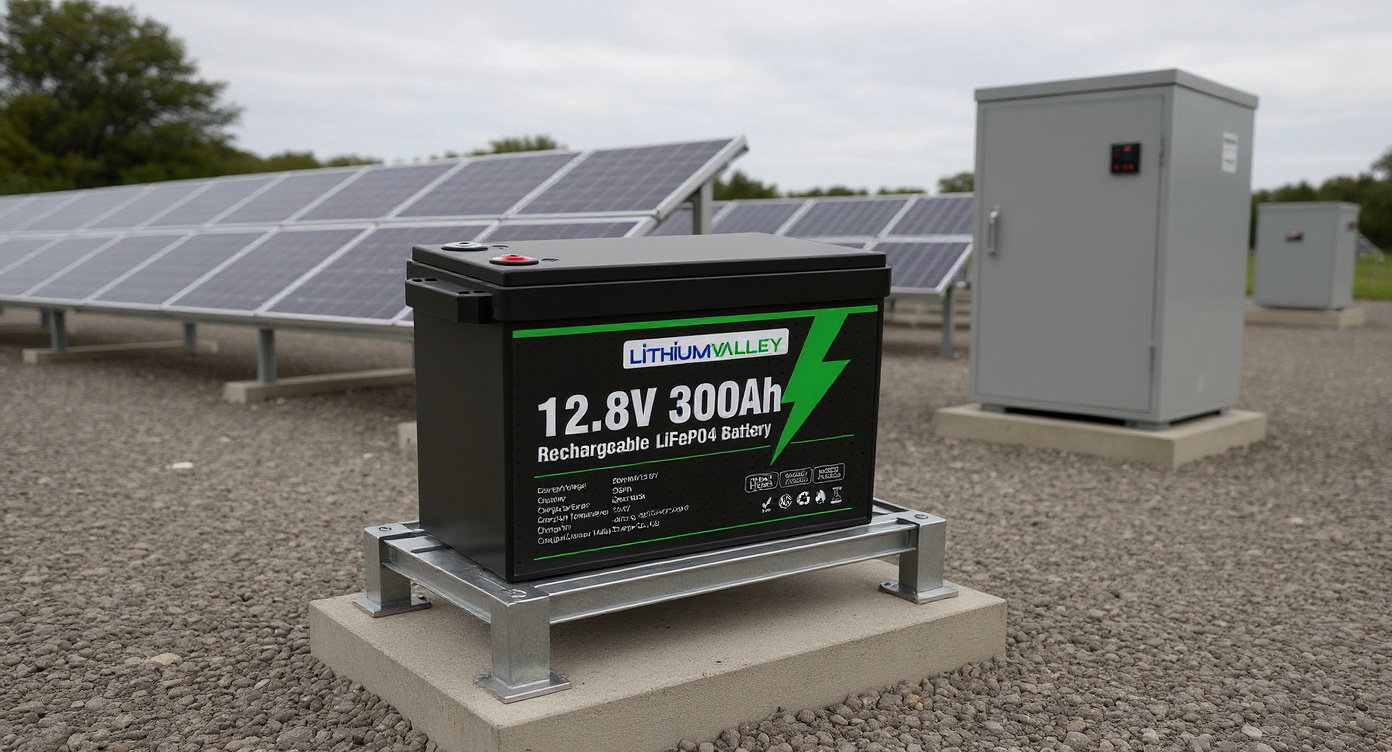
Why a deep-cycle lithium battery beats lead-acid in real use
The main reason people move to a deep-cycle lithium battery is usable capacity. A 300Ah lithium pack gives you far more of the label than a lead-acid bank of the same printed size, because lead-acid gets unhappy when you pull it deep over and over.
Voltage is the other big win. Lead-acid sags under load. A lithium pack holds its shape better, which matters when you’re running a trolling motor, inverter, fridge, fans, and lights on the same bank.
Charging is faster too, but not magic. Lithium wants the right charge profile, and then it wants to be left alone. No long absorption stage. No topping rituals. No checking specific gravity with a little bulb tester from 1987.
Here’s the trade-off people skip: lithium is less forgiving of bad system design. If your alternator, shore charger, solar controller, or inverter-charger is set for flooded batteries, the battery itself may be fine while the rest of the system misbehaves.
A few concrete checks before you buy:
1. Nominal voltage, because 12.8V sits in the 12V class but isn’t lead-acid.
2. Usable capacity, not just the headline number.
3. BMS protection limits for overcharge, over-discharge, and temperature.
4. Charging profile, since lithium wants different voltage behavior.
5. Parallel support, if you plan to expand later.
6. Physical size, because the compartment decides the truth.
Specs that actually change the outcome
The spec sheet that matters is the one that tells you how the battery behaves under real load, real heat, and real charging.
| Spec area | What to check | Why it matters |
|---|---|---|
| Nominal voltage | 12.8V | Fits standard 12V systems |
| Capacity | 300Ah | Sets runtime and reserve |
| Chemistry | LiFePO4 deep-cycle design | Better cycle life than lead-acid |
| BMS | Integrated protection and recovery | Prevents damage from abuse |
| Parallel support | Confirm the max count | Needed for a larger bank later |
| Temperature window | Confirm charge and discharge limits | Cold charging can lock the pack out |
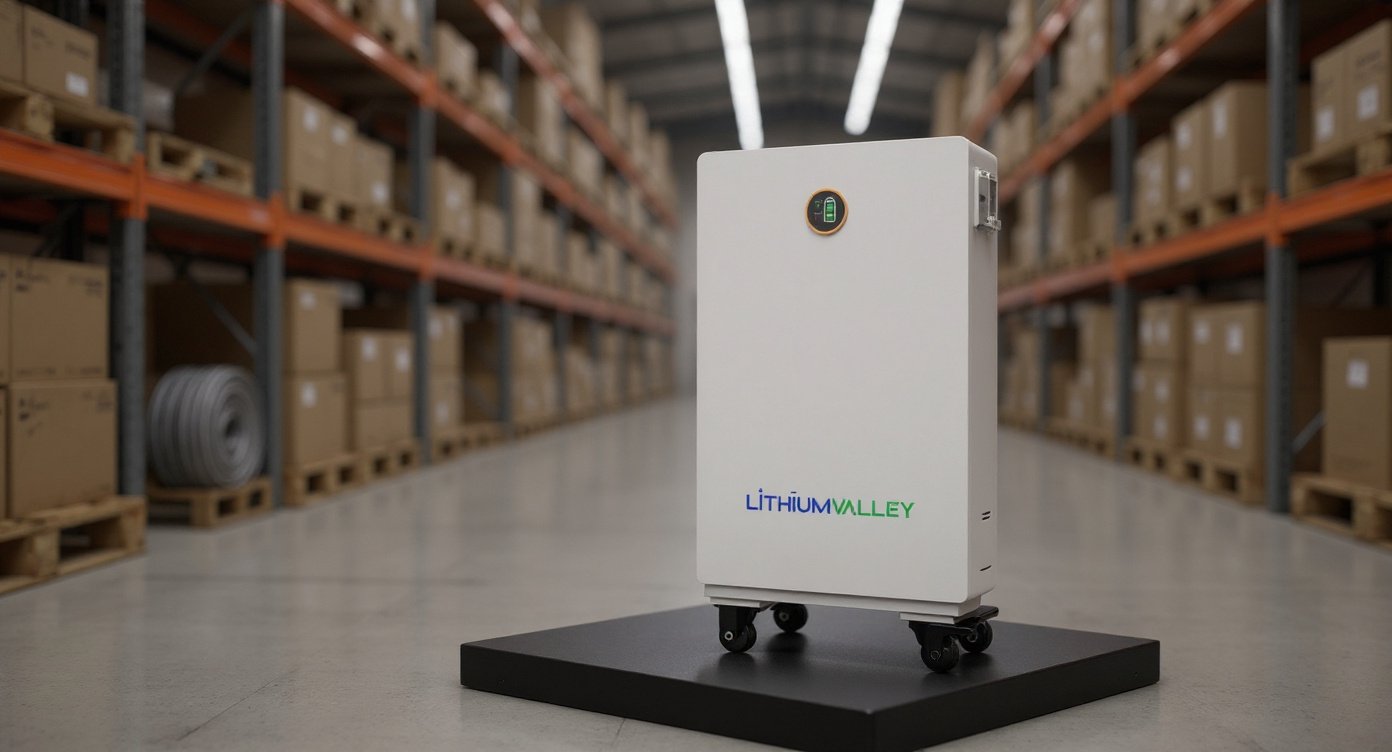
The product identity here is specific: the exact 12.8V 300AH hardware shown in the official source images, with its enclosure, proportions, controls, connectors, colors, labels, and component count preserved. That matters because a lot of batteries look similar in photos and then turn out to be a different box in person. Different internals. Different ports. Different reality.
The useful facts to confirm before purchase are the exact maximum parallel count, continuous discharge current, peak current, dimensions, and operating temperature range. Without those, you’re guessing.
A lithium battery guide from the U.S. Department of Energy is a good refresher on how battery systems depend on charging and management over time: electric-battery basics. For safety and storage, the U.S. EPA’s handling guidance is still worth reading: used lithium-ion batteries. If you want a more practical buying checklist, our lithium battery comparison guide helps sort the specs that matter from the ones people brag about on forums.
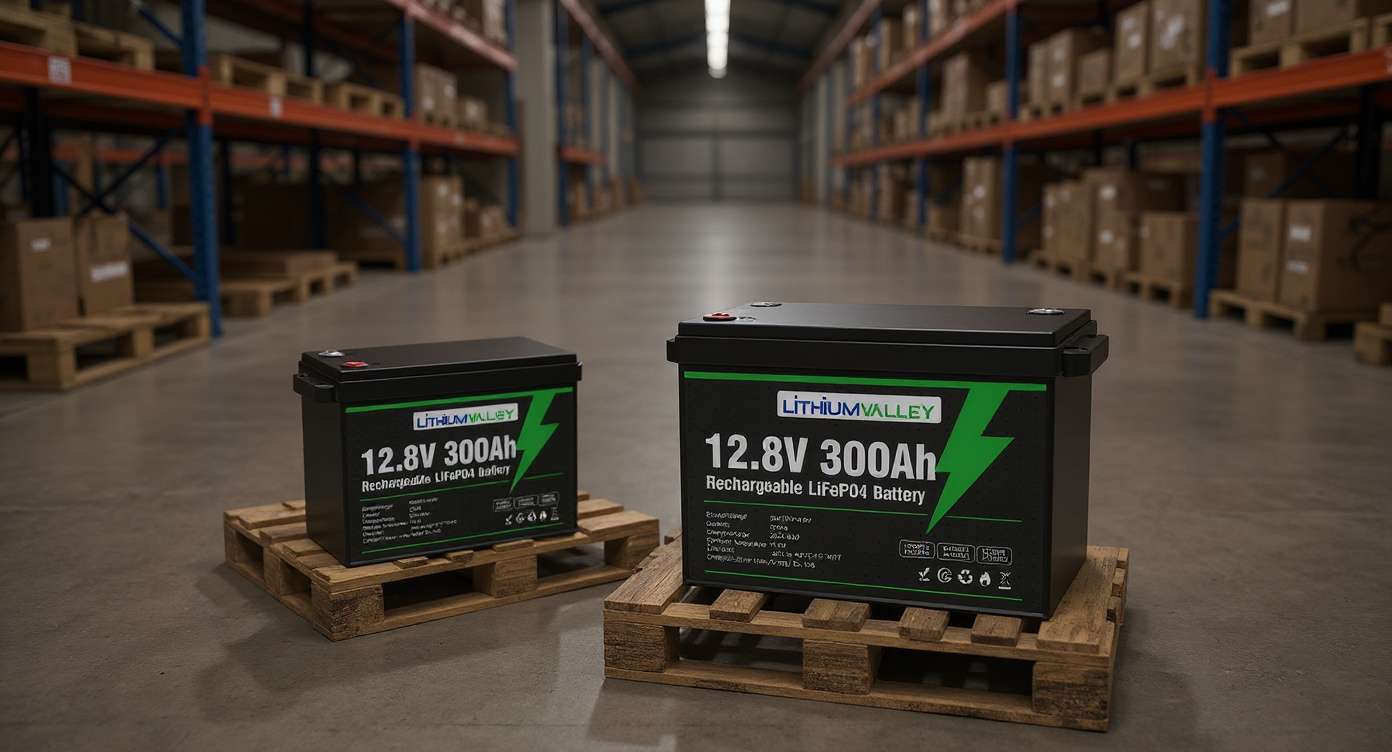
How the 12.8V 300AH fits boats, RVs, and backup power
This is a house battery. A big one. Not a starter battery.
For boats, the first question is current draw. Trolling motors can pull hard, and if the battery’s continuous rating doesn’t match the motor, the runtime chart on the box stops meaning much.
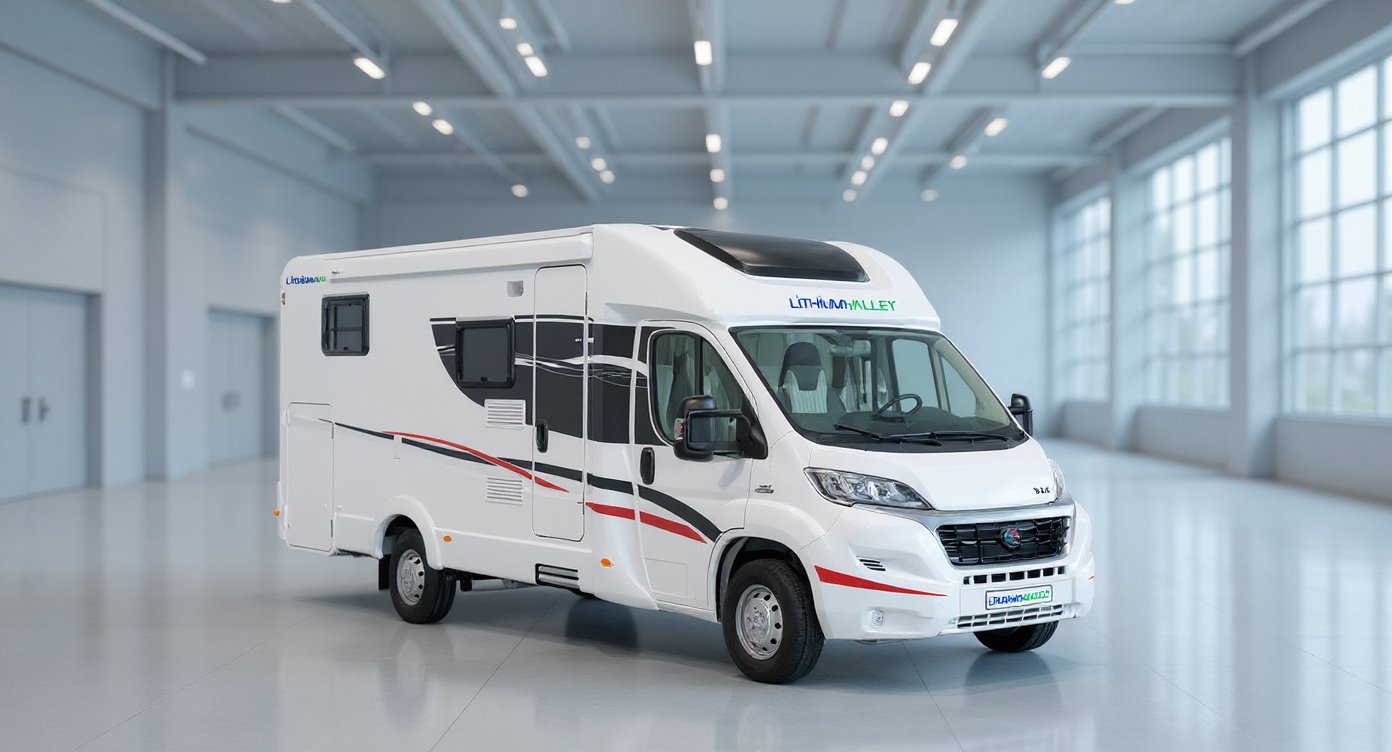
For RVs, the issue is usually the converter. I’ve seen plenty of rigs where the battery was fine and the RV charger was the bottleneck. That’s a frustrating $0 problem hiding behind a $1,000 battery purchase. The pack won’t fix that.
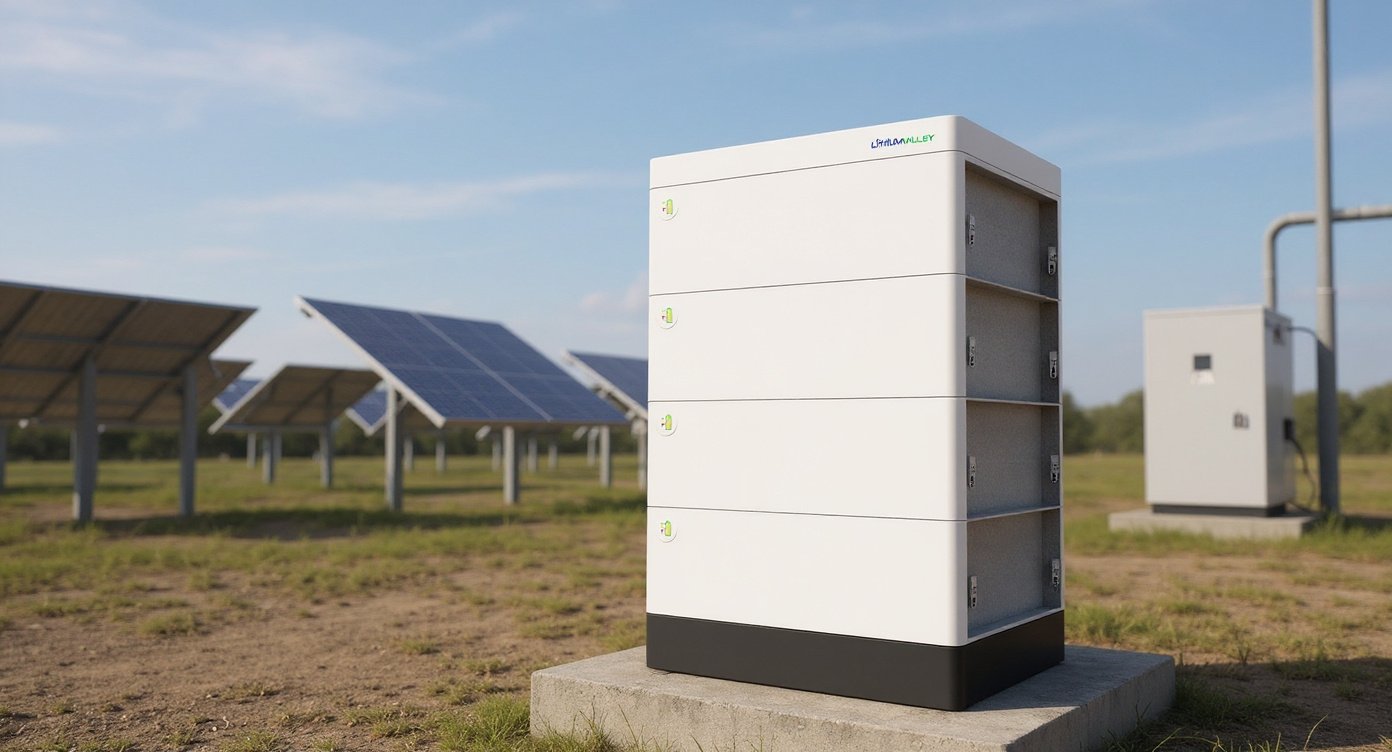
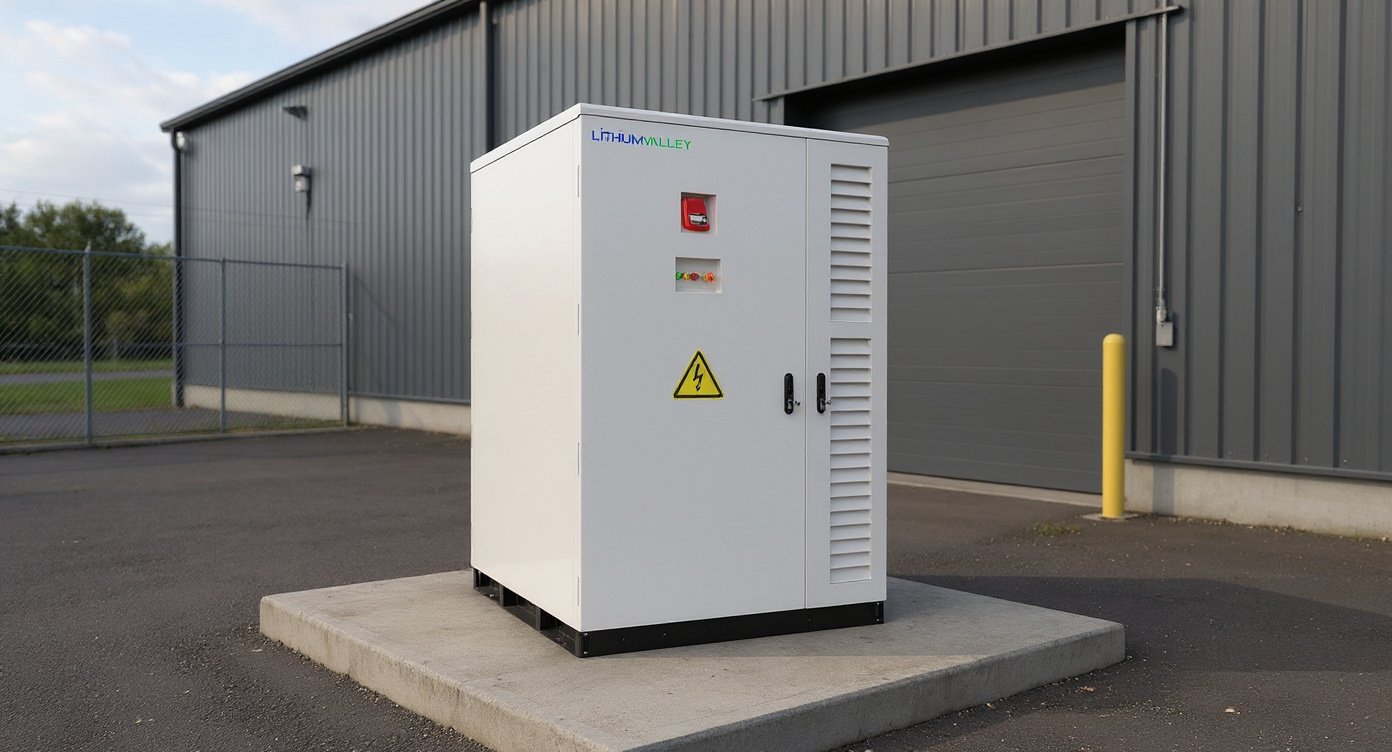
For backup power, the appeal is simple: you want capacity, clean standby behavior, and less voltage drop when the load kicks in. Lights, routers, small appliances, fans. That sort of thing.
My own rule is blunt. If you’re using less than half the pack on a normal day, the battery may be too much. Bigger isn’t a personality trait.
Comparison: what usually fits which buyer
| Buyer type | Better fit | Why |
|---|---|---|
| Light weekend RV use | Smaller lithium or lead-acid | Lower cost often makes more sense |
| Heavy off-grid RV use | 12.8V 300AH class pack | Bigger reserve, fewer voltage dips |
| Trolling motor setup | Lithium with enough current headroom | Needs steady output under load |
| Backup house battery | Lithium with a proper BMS | Better cycling and standby behavior |
| Seasonal use | Depends on charger and storage | Setup matters more than chemistry |
A lot of people want a brand answer. I get it. But specs beat branding here. A Renogy, Battle Born, Victron, and Dakota Lithium all live in this conversation, and their prices vary a lot by capacity and BMS features. A 100Ah Battle Born can run about $900 to $1,100. Renogy’s 100Ah class batteries often sit closer to $450 to $700. Victron is usually the expensive one. Dakota Lithium sits in the middle to upper middle. None of that helps if your charger is wrong.
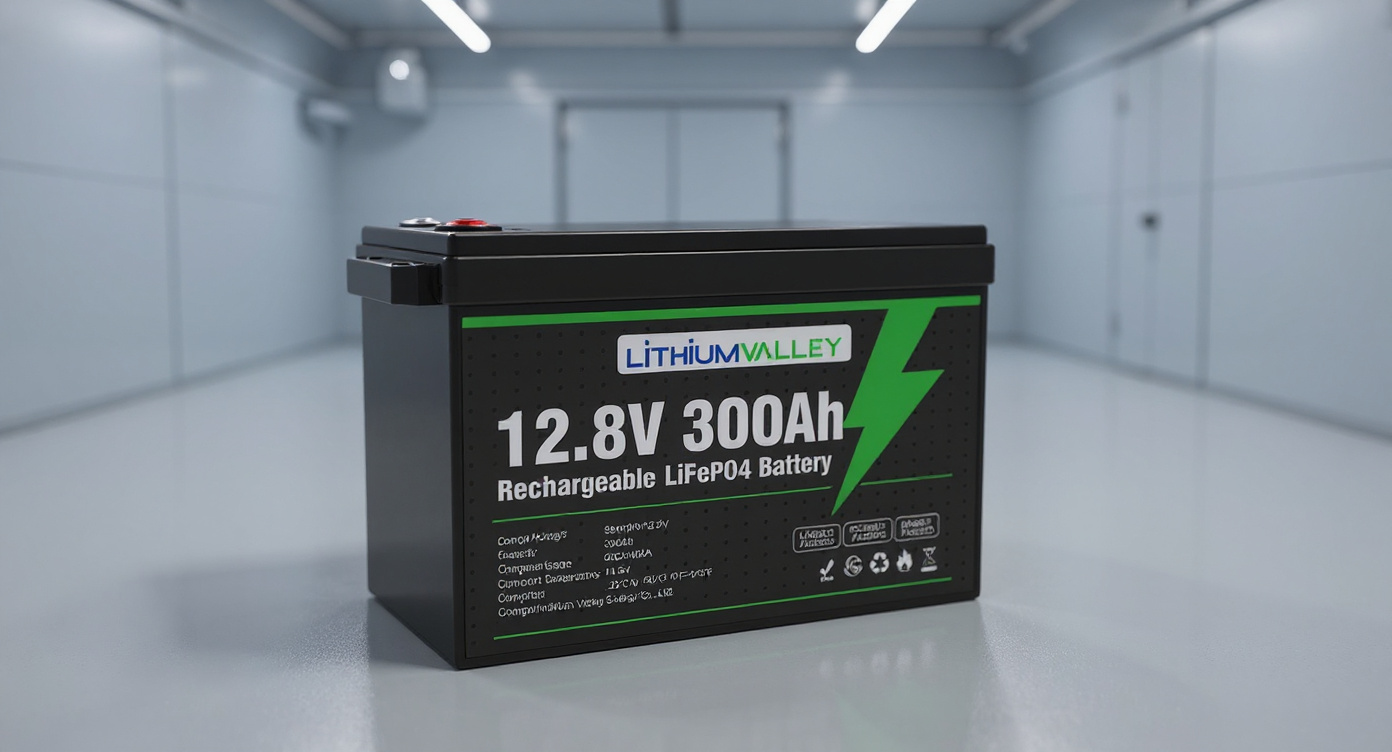
What to check before replacing lead-acid
Switching chemistry without changing the rest of the system is the most common mistake.
Start with the charger. Then check the cables. Then the fuses. Then the physical space. People often do that backwards. That’s how you end up with a battery that shuts down at the worst time, or never reaches proper charge, or gets blamed for a problem in a shore charger from 2014.
Use this order:
1. Confirm the charger has a lithium profile or can be set for one.
2. Verify low-temperature charging rules for the installation space.
3. Size fuses and cable for actual current.
4. Measure the compartment before ordering.
5. Check whether parallel expansion is part of your future plan.
6. Decide if one large battery beats several smaller batteries.
This is where a 12.8V 300AH pack can make sense. Fewer interconnects. Less clutter. Cleaner wiring. That only helps if the system is already built for it.
Real trade-offs nobody likes talking about
Lithium is not a universal upgrade.
If you store the battery in a cold shed, charging can be blocked. If your system gets left empty for long stretches, the battery still needs care. If you’re only camping three weekends a year, the payback can be thin.
And if you’re trying to save money by oversizing, don’t. I’d rather see a correctly sized 100Ah pack than a badly integrated 300Ah one.
Here’s the awkward truth. Some buyers want the battery because it sounds cleaner, but their use case doesn’t justify the cost. That’s fine. Spend less. Sleep well.
FAQ
What is a deep-cycle lithium battery good for?
A deep-cycle lithium battery is best for repeated discharge and recharge in RVs, boats, solar storage, and backup systems.
Is the 12.8V 300AH battery good for RV use?
Yes, if your RV charger supports lithium and your actual daily load justifies a 300Ah bank.
Can I use this battery for a trolling motor?
Yes, if the motor’s continuous and peak current fall within the battery’s output limits.
Does the battery need a special charger?
Yes. Use a lithium-compatible charger profile. Flooded lead-acid settings are not the same thing.
Can I put two of these batteries in parallel?
Only if the product’s stated parallel limit allows it. Check the exact spec before building the bank.
Will it charge below freezing?
Usually not safely. Many lithium batteries block charging at low temperatures to protect the cells.
Is this better than lead-acid for backup power?
Usually yes, if you want more usable capacity and less voltage sag. If you need the cheapest upfront option, lead-acid still exists.
What brand is best for a deep-cycle lithium battery?
The best brand is the one with clear BMS limits, a real lithium charge profile, and support that can answer basic setup questions.
How long does a 300Ah lithium battery last?
That depends on the load. A 1,200W inverter load will empty it far faster than lights and a router.
What should I compare before buying?
Voltage, usable capacity, BMS limits, temperature range, dimensions, and parallel support.
Is a bigger battery always better?
No. Bigger only helps if your charger, wiring, and load actually need it.
Do I need the exact dimensions before ordering?
Yes. A battery that fits on paper but not in the compartment is just an expensive paperweight.
So is it worth the money?
A deep-cycle lithium battery earns its keep when you cycle often, want stable voltage, and can match the charger and wiring to the battery. That’s the honest answer.
For bigger 12V house banks, the 12.8V 300AH class pack is a strong fit when you need fewer batteries, cleaner wiring, and real reserve. If you want to compare the exact hardware and specs, see 12.8V 300AH and compare it with our lithium battery comparison guide before you buy.
If you want a battery that acts like a lead-acid replacement but performs like lithium should, this is the lane. If not, don’t force it.
{
“@context”: “https://schema.org”,
“@type”: “FAQPage”,
“mainEntity”: [
{
“@type”: “Question”,
“name”: “What is a deep-cycle lithium battery good for?”,
“acceptedAnswer”: {
“@type”: “Answer”,
“text”: “A deep-cycle lithium battery is best for repeated discharge and recharge in RVs, boats, solar storage, and backup systems.”
}
},
{
“@type”: “Question”,
“name”: “Is the 12.8V 300AH battery good for RV use?”,
“acceptedAnswer”: {
“@type”: “Answer”,
“text”: “Yes, if your RV charger supports lithium and your daily load justifies a 300Ah bank.”
}
},
{
“@type”: “Question”,
“name”: “Can I use this battery for a trolling motor?”,
“acceptedAnswer”: {
“@type”: “Answer”,
“text”: “Yes, if the trolling motor’s continuous and peak current fall within the battery’s output limits.”
}
},
{
“@type”: “Question”,
“name”: “Does the battery need a special charger?”,
“acceptedAnswer”: {
“@type”: “Answer”,
“text”: “Yes. Use a lithium-compatible charger profile. Flooded lead-acid settings are not the same thing.”
}
},
{
“@type”: “Question”,
“name”: “Can I put two of these batteries in parallel?”,
“acceptedAnswer”: {
“@type”: “Answer”,
“text”: “Only if the product’s stated parallel limit allows it. Check the exact spec before building the bank.”
}
},
{
“@type”: “Question”,
“name”: “Will it charge below freezing?”,
“acceptedAnswer”: {
“@type”: “Answer”,
“text”: “Usually not safely. Many lithium batteries block charging at low temperatures to protect the cells.”
}
},
{
“@type”: “Question”,
“name”: “Is this better than lead-acid for backup power?”,
“acceptedAnswer”: {
“@type”: “Answer”,
“text”: “Usually yes, if you want more usable capacity and less voltage sag. If you need the cheapest upfront option, lead-acid still exists.”
}
},
{
“@type”: “Question”,
“name”: “What brand is best for a deep-cycle lithium battery?”,
“acceptedAnswer”: {
“@type”: “Answer”,
“text”: “The best brand is the one with clear BMS limits, a real lithium charge profile, and support that can answer basic setup questions.”
}
},
{
“@type”: “Question”,
“name”: “How long does a 300Ah lithium battery last?”,
“acceptedAnswer”: {
“@type”: “Answer”,
“text”: “That depends on the load. A 1,200W inverter load will empty it far faster than lights and a router.”
}
},
{
“@type”: “Question”,
“name”: “What should I compare before buying?”,
“acceptedAnswer”: {
“@type”: “Answer”,
“text”: “Voltage, usable capacity, BMS limits, temperature range, dimensions, and parallel support.”
}
},
{
“@type”: “Question”,
“name”: “Is a bigger battery always better?”,
“acceptedAnswer”: {
“@type”: “Answer”,
“text”: “No. Bigger only helps if your charger, wiring, and load actually need it.”
}
},
{
“@type”: “Question”,
“name”: “Do I need the exact dimensions before ordering?”,
“acceptedAnswer”: {
“@type”: “Answer”,
“text”: “Yes. A battery that fits on paper but not in the compartment is just an expensive paperweight.”
}
}
]
}