A modular battery energy storage system is only worth buying if the cabinets, battery modules, controls, thermal design, and expansion rules all fit the site you have, not the site shown in a sales render. That’s the short answer.
I run a small shop in the power equipment space, and I spend an odd amount of time talking people out of buying more battery than they need. Not less. More. Two years ago, a light industrial customer came in fixated on headline megawatt-hours, then we walked the room, looked at the HVAC, looked at the dust load from their packaging line, and the real issue turned out to be airflow and service clearance. Boring stuff. Expensive if missed.
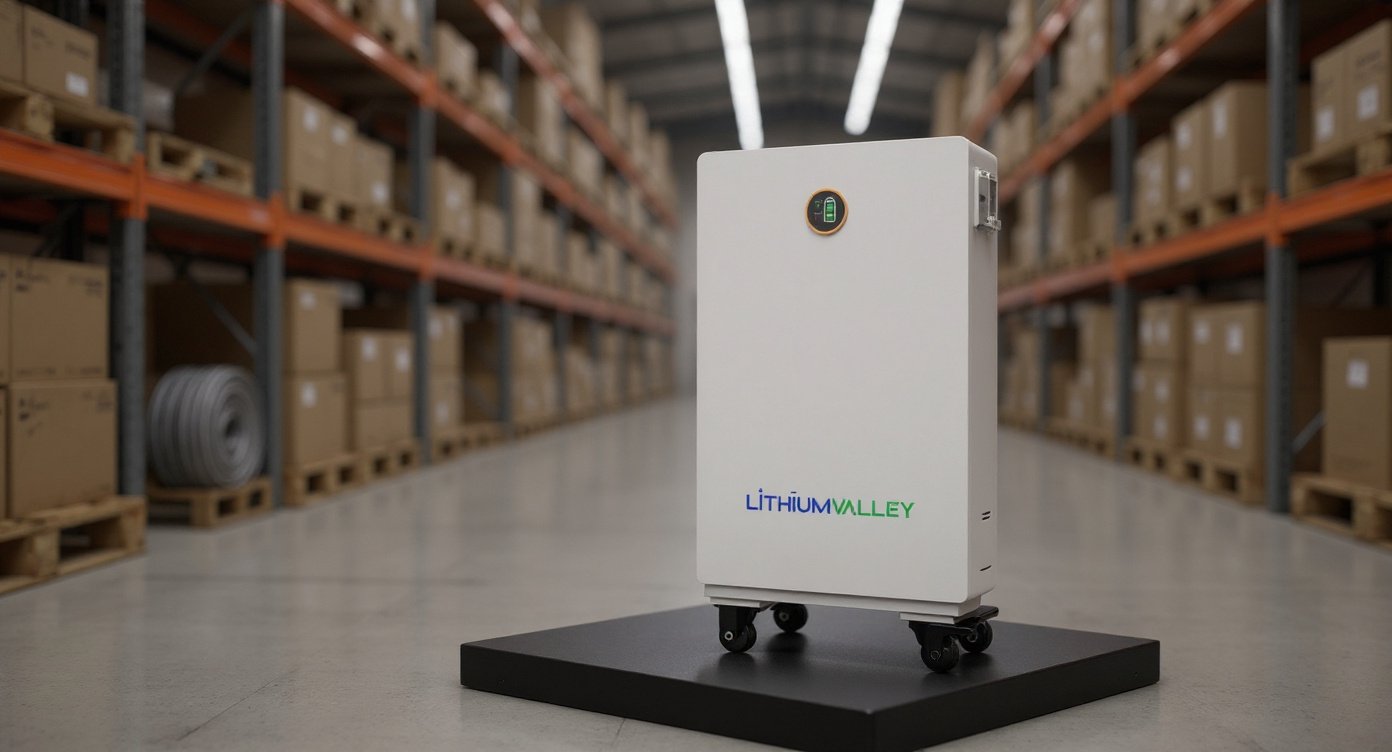
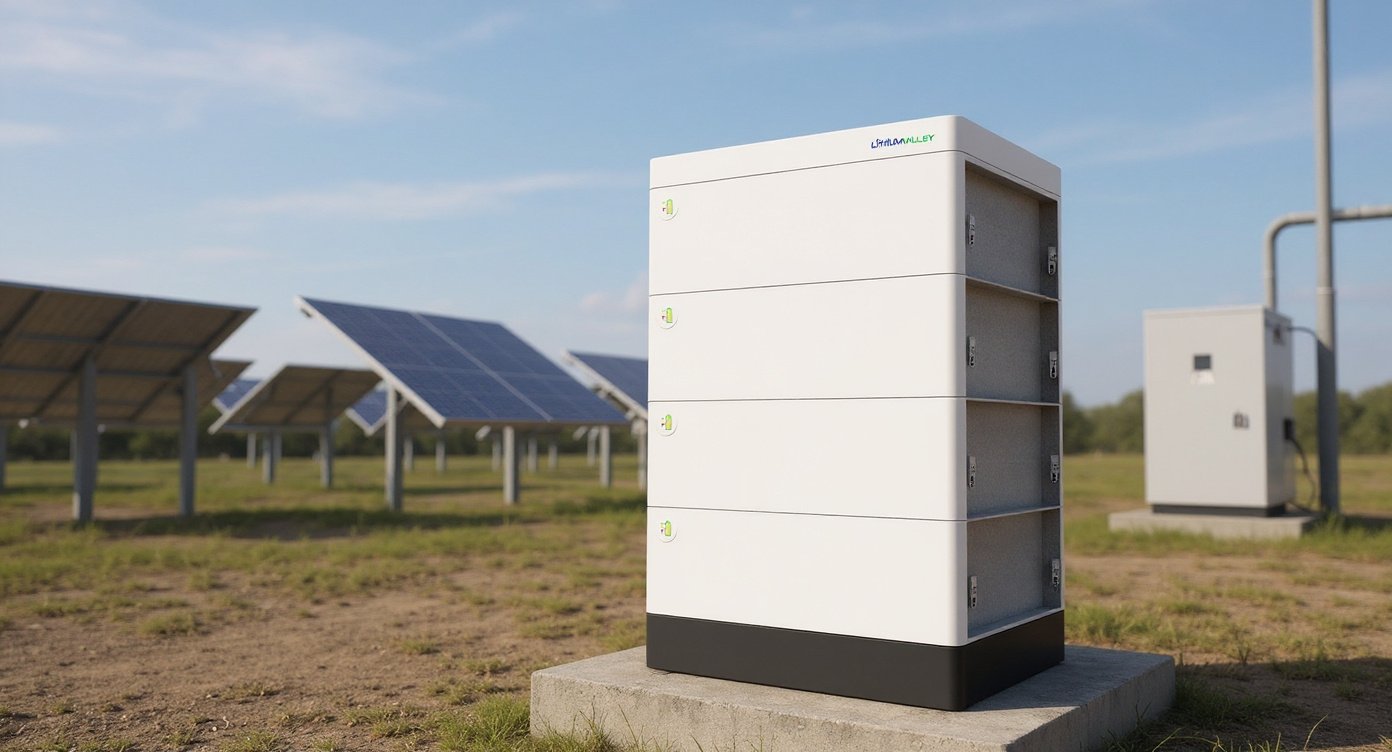
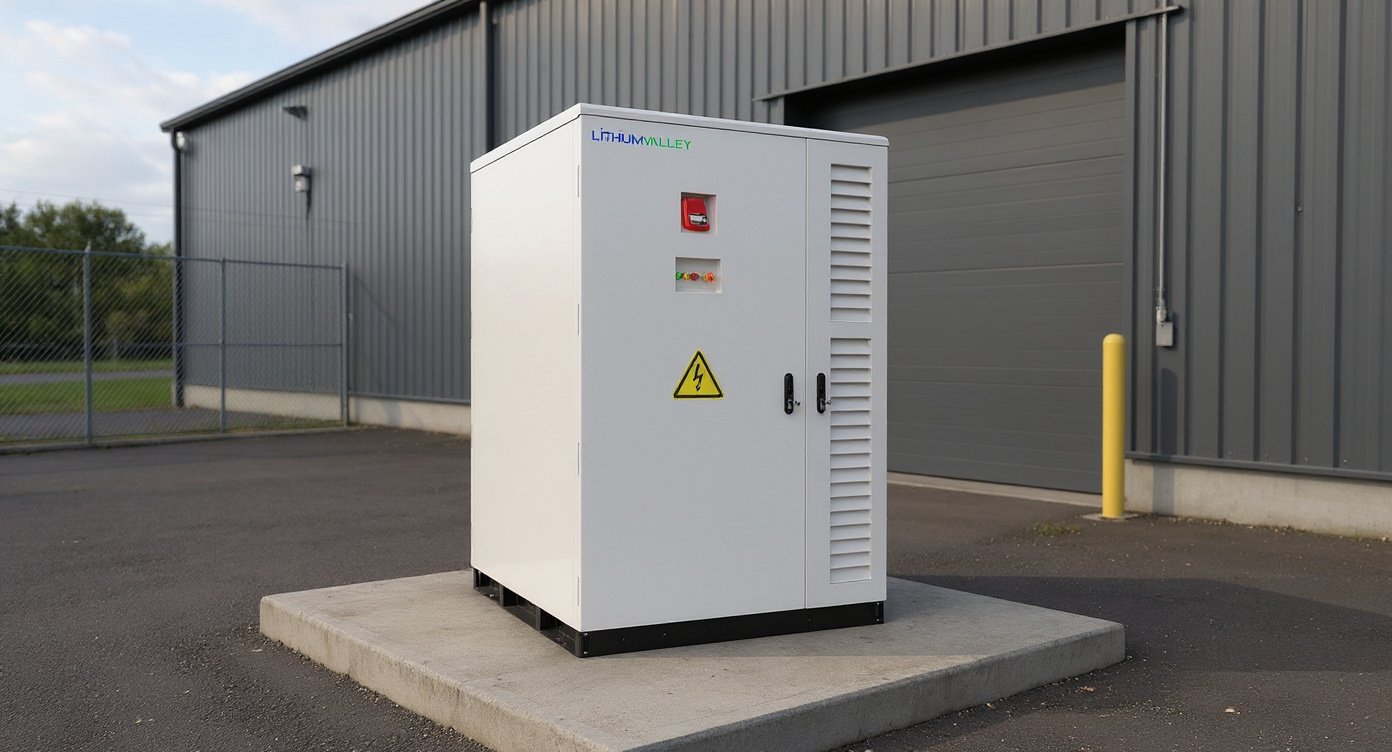
For this article, the product category is specific: a large-scale commercial and industrial high-voltage LiFePO4 ESS, built as modular metal battery cabinets and technical battery-module assemblies, with blue cells, silver-white enclosures, navy engineering typography, and blue-green energy accents. Not a home battery. Not a DIY cell stack. Not a portable box.
And here’s the blunt part most articles won’t say: if your team still wants a posted web-shop price before they’ve defined operating mode, inverter pairing, room conditions, and fire protection assumptions, they are not ready to buy a modular battery energy storage system. They are shopping, not procuring.
Modular battery energy storage system basics: cabinet size is the easy part
People love the clean number on the quote sheet. One cabinet, 96kWh. Or 100kWh. Or 215kWh. Feels concrete.
Real projects aren’t.
A modular battery energy storage system lives or dies on what happens after cabinet one. Can you add more metal cabinets without rewriting controls logic? Can the battery-module assemblies stay balanced and visible to the BMS as the plant expands? Can your integrator keep CAN, RS485, and Ethernet talking to the inverter, EMS, and plant controls without weird workarounds six months later?
That matters more than brochure theater.
The LITHIUMVALLEY FLEX16 High Voltage C&I Energy Storage System is presented as a high-voltage LiFePO4 commercial and industrial system with modular cabinet expansion, battery-module assemblies, active balancing, BMS plus EMS, remote monitoring, and support for grid-tied, off-grid, peak shaving, and emergency backup modes. On paper, that’s the right shape for a serious modular battery energy storage system.
That kind of mismatch isn’t rare, by the way. I’ve seen CATL-backed container systems quoted one way in deck slides and another way in the technical schedule. I have also seen Dyness and Pylontech distributors round capacities in ways that make engineering people grumpy. Fair enough.
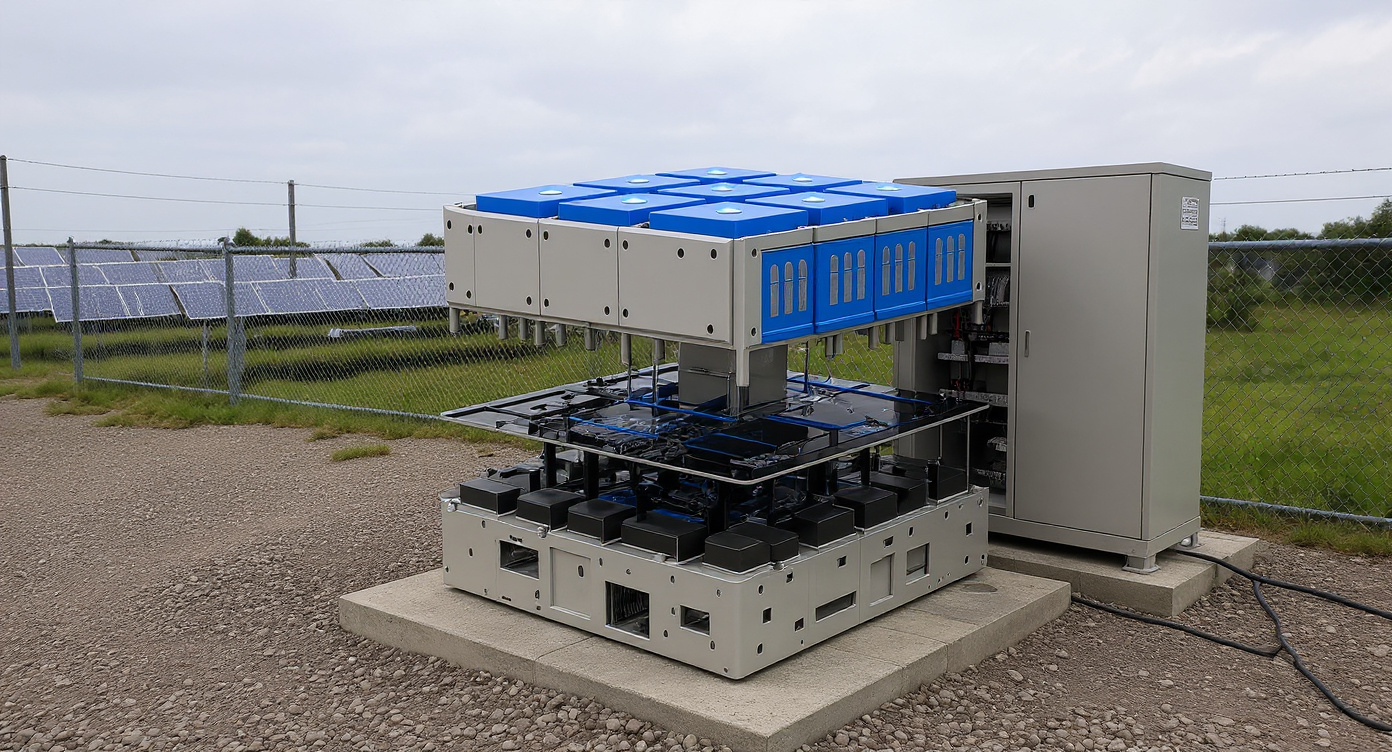
Why a modular battery energy storage system can save a project, or complicate it
Modularity is useful when growth is messy.
Factories add lines in phases. Industrial parks fill tenant space unevenly. Data centers want resilience now and more capacity next budget year. A modular battery energy storage system fits those situations because you can start with a cabinet block and expand if the control stack was designed for it.
But modularity has a downside. More cabinets means more interconnections, more communications points, more thermal assumptions, more service paths, and more places for installers to do one small thing wrong.
I learned this the hard way on a cabinet row inspection in 2021. We had a clean one-line diagram, good equipment, plenty of confidence. Then we found the rear access aisle had been pinched by conduit routing changes made after the battery layout was approved. Nobody had left enough room to pull a module assembly without turning a service call into half a day. Not dramatic. Just dumb. And expensive.
This won’t work if your site wants expansion in theory but refuses expansion space in practice.
A quick yes-no screen before you buy
Use this before requesting a final quote for a modular battery energy storage system:
– Yes: Your load is expected to grow in stages.
– Yes: You need more than one value stream, such as demand shaving plus backup reserve.
– Yes: Your controls team can define protocol and inverter compatibility early.
– No: You haven’t confirmed room temperature, ventilation path, and dust conditions.
– No: You need outdoor exposure but only have an indoor-rated cabinet concept.
– No: You need a fixed final capacity now, but the vendor’s max architecture still isn’t numerically clear.
If you hit two or three No answers. Stop there.
Safety, battery-module assemblies, and controls matter more than chemistry alone
LiFePO4 is a strong chemistry for stationary storage. Safer behavior profile than a lot of alternatives, good cycle life, familiar to EPCs and AHJs, and easier to defend in a boardroom than something exotic.
Still, chemistry isn’t the whole machine.
A modular battery energy storage system includes metal battery cabinets, battery-module assemblies with blue cells, BMS, EMS, thermal management, communications, protective enclosure design, and the handoff to power conversion equipment. The U.S. Department of Energy makes the same basic point in its overview of storage systems: a BESS is batteries plus power conversion plus controls, not loose energy in a box, Battery Energy Storage Basics.
The FLEX16 listing calls out active cell balancing, BMS plus EMS, and remote monitoring. Good. That is what I want to see in a high-voltage modular battery energy storage system. If a seller is vague on balancing method, fault visibility, and reserve logic, the low quote can become the high total cost.
NREL has published a lot of work on diagnostics, balancing, and pack behavior over time, and that body of research is worth reading because battery aging is never abstract in the field, NREL battery research. One module drifts. Then another. Then your dispatch window gets smaller. Then your finance team wants to know why the site isn’t hitting modeled savings.
It happens.
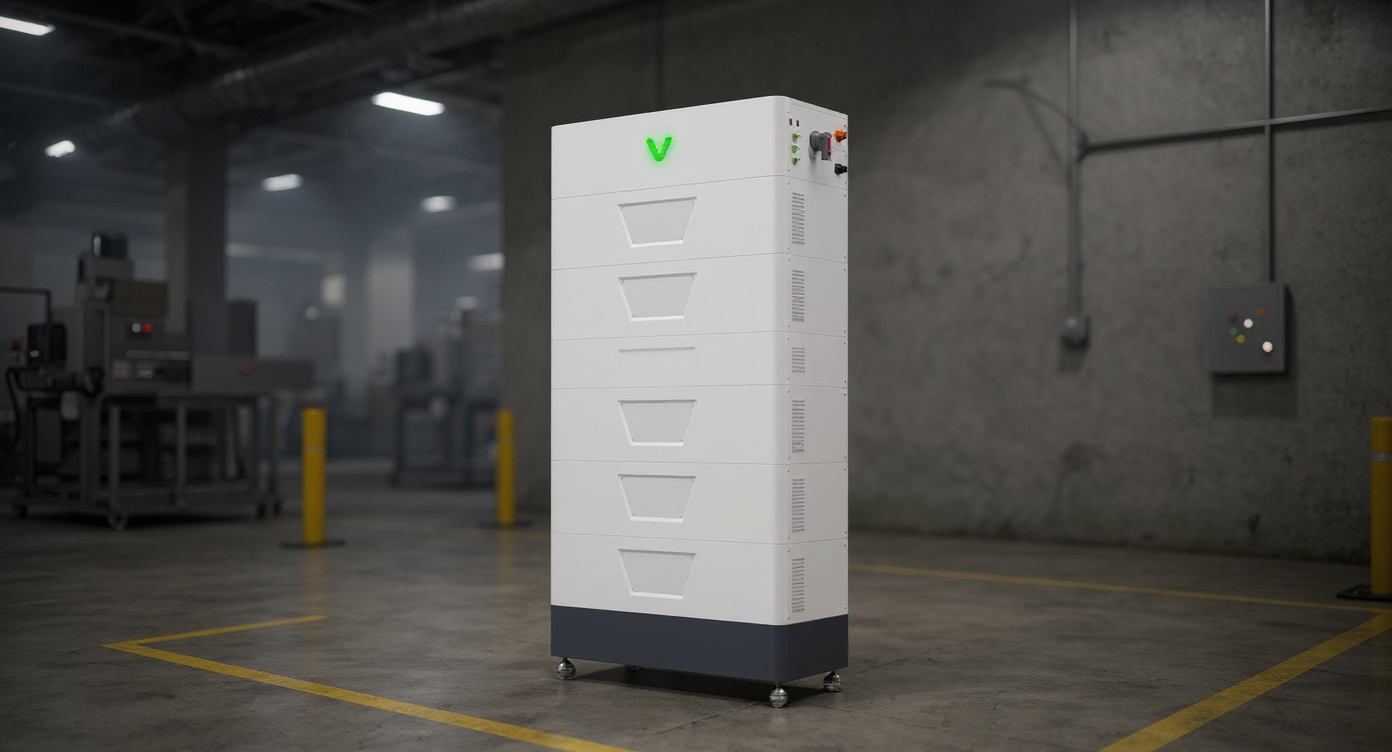
Comparing real C&I options, not fantasy ones
A lot of buyers ask for a comparison and then get handed a table where every row says “advanced” and every column says “smart.” Useless.
Here is a more honest snapshot of the market segment. Prices move. Integrator scope moves even more. These are practical reference points I hear in live quoting, not promises.
Modular battery energy storage system comparison table
| Brand / product family | Typical format | Chemistry | Typical quoted scale | Rough market price | Honest note |
|---|---|---|---|---|---|
| LITHIUMVALLEY FLEX16 | Modular metal cabinets, high-voltage battery-module assemblies | LiFePO4 | 96kWh per published cabinet | Quote-only | Good feature set on paper, but verify the 12-cabinet / 3.08MWh math before sign-off |
| BYD Battery-Box Commercial / larger ESS lines | Cabinet or larger C&I configurations | LFP | Project dependent | Often $220 to $310 per kWh before full BOS, depending on scope | BYD has broad bankability, but integrator quality varies a lot |
| Sungrow PowerStack | Liquid-cooled C&I cabinet | LFP | Commonly 200kWh+ class | Often $280 to $390 per kWh installed in smaller C&I projects | Nice package, but not the cheapest once fire and commissioning scope are added |
| Tesla Megapack | Utility-scale container | LFP | MWh-scale | Usually not a fit for smaller indoor C&I rooms | Great for utility or large front-of-meter work, overkill for many cabinet-based indoor projects |
| Fluence Gridstack / utility platforms | Containerized utility ESS | LFP-heavy portfolio | Multi-MWh | Project quote only | Strong controls reputation, usually outside the size and budget of a cabinet-room retrofit |
| Pylontech Force / cabinet-adjacent C&I lines | Smaller commercial stacks | LFP | Smaller C&I blocks | Often lower hardware price than premium utility names | Fine in the right scope, but don’t compare these directly to a heavy high-voltage industrial cabinet line |
A note on pricing. If someone tells you they can compare a Tesla Megapack to an indoor modular battery energy storage system made of silver-white cabinets and battery-module assemblies in a factory electrical room, they are flattening two different categories into one slide. Ignore that slide.
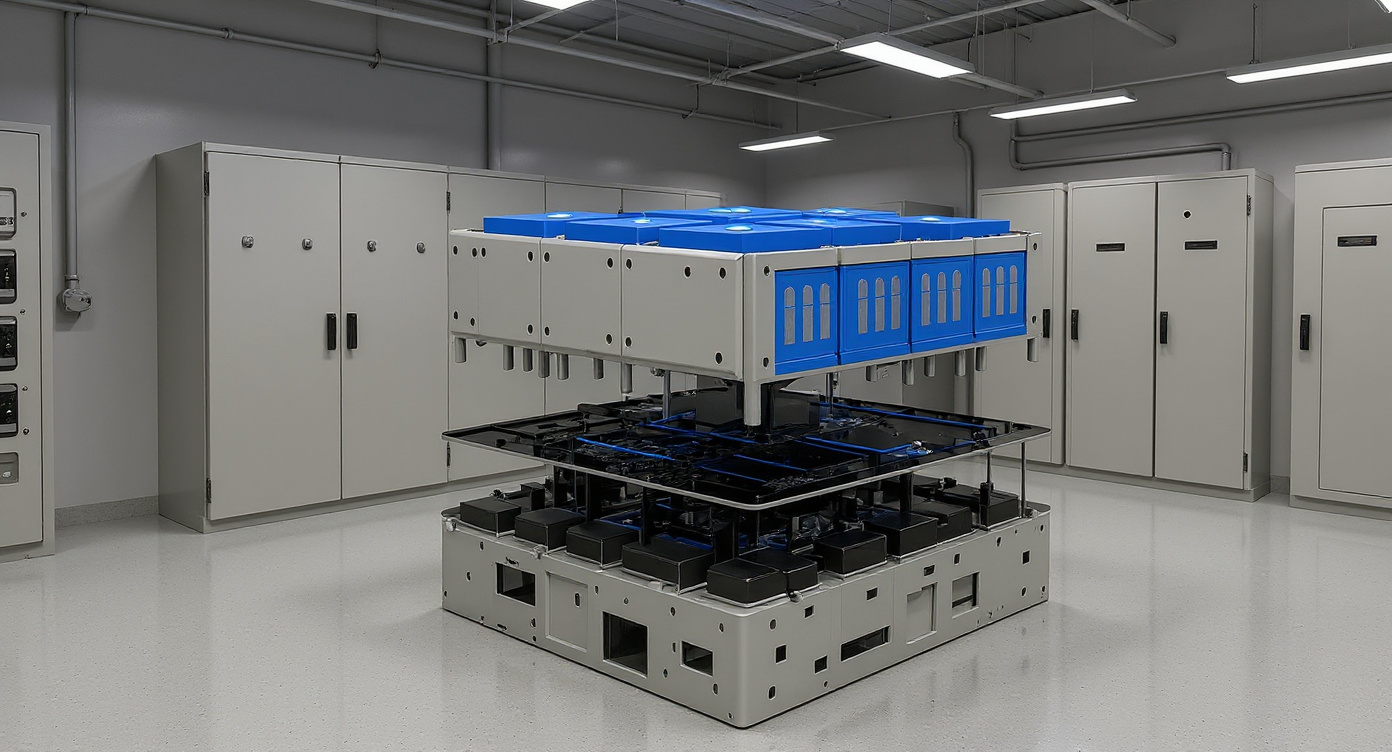
Operating modes decide whether the numbers pencil out
Peak shaving is one job. Emergency backup is another. Off-grid support is another. Microgrid coordination is another.
A modular battery energy storage system earns its keep when one asset can cover several of those jobs without creating new headaches in controls. The FLEX16 is published with grid-tied, off-grid, peak shaving, and emergency backup support. That’s promising because many commercial and industrial sites need mixed use, not one narrow dispatch mode.
The EPA’s energy storage material is useful here because it frames storage across resilience, load management, and grid interaction rather than one single use case, EPA energy storage resources.
But here is the trade-off. Multi-mode capability can be oversold.
If your utility tariff has weak demand-charge savings and your outage cost is modest, a modular battery energy storage system can still be technically good and financially mediocre. I’ve had to say that to customers before. Nobody loves hearing it, but better in week one than after procurement.
Thermal reality: read the room, not just the datasheet
Published operating range matters. So does cooling method.
IP54 is useful. It is not magic. The IEC guidance on ingress protection is still the baseline reference if your team is fuzzy on what dust and splashing-water claims actually cover, IEC IP Code overview.
Honestly, if your installation area runs hot, carries conductive dust, and the owner won’t fund proper HVAC maintenance, skip this entire category of forced-air indoor cabinet ESS and look at a better-protected architecture. There. Said it.
I’ve seen a food-processing site try to save money by sharing battery room air with a neighboring mechanical area. Three months later, filters were loading up faster than modeled and everyone was acting surprised. They shouldn’t have been.
Where a modular battery energy storage system fits best
The sweet spot is not every site.
A modular battery energy storage system usually makes sense for:
– factories with repeat demand spikes and a real outage cost
– industrial parks adding capacity in phases
– commercial buildings balancing peak shaving with reserve power
– data centers that need carefully integrated support around existing backup architecture
– microgrid projects that need mode switching, not one static duty cycle
– mines and remote industrial sites where fuel displacement and continuity both matter
It may be a poor fit for:
– tiny sites that don’t need high-voltage architecture
– teams asking for DIY-style comparisons against raw cells
– outdoor-only installs where the selected cabinet is indoor-rated
– buyers who need fixed final expansion math today, but the vendor’s architecture notes are still fuzzy
Simple.
What buyers skip, then regret
Not the chemistry. The details around it.
Here are the five problem areas I see most often in modular battery energy storage system projects:
1. Service access
If technicians can’t isolate a cabinet or pull a battery-module assembly without moving half the room, maintenance becomes a budget leak.
2. Protocol fit
CAN, RS485, and Ethernet are not brochure filler. They determine whether the ESS talks cleanly to your inverter, plant controls, and remote monitoring layer.
3. Thermal assumptions
Forced-air cooling can work well. It can also punish lazy room design.
4. Reserve logic
Backup power isn’t one switch. You need defined reserve percentages, transfer behavior, and outage-duration expectations.
5. Cycle-life context
A claim like 6,000 cycles at 80% depth of discharge means something. Without the depth-of-discharge condition, it means very little.
The International Energy Agency has been consistent on this systems view of storage for years, IEA energy storage tracking. That’s the frame buyers need.
Internal resources worth checking before procurement
If you’re evaluating a modular battery energy storage system, don’t stop at one product page. Use supporting material too.
– Review the main LITHIUMVALLEY FLEX16 High Voltage C&I Energy Storage System page for the cabinet baseline.
– Ask for the detailed product specs and one-line architecture notes tied to your inverter pairing.
– Request installation guidance for room clearance, airflow path, and maintenance access.
– Ask for case studies in factories, commercial buildings, or microgrid deployments, not just generic ESS slides.
– Get the commissioning checklist before PO approval. Not after.
Those last four resources should exist for any serious vendor, even if they live behind sales contact instead of public navigation.
Modular battery energy storage system buyer checklist
Use this as a final screen:
| Checkpoint | Yes means proceed | No means pause |
|---|---|---|
| Capacity math is internally consistent | Cabinet count and total MWh align | Vendor numbers still conflict |
| Operating mode is defined | Peak shaving, backup, off-grid, or mixed use is written down | Team keeps saying “flexibility” without specifics |
| Room conditions are verified | Temperature, dust, ventilation, and clearance are known | Room is still a rough assumption |
| Protocol compatibility is confirmed | ESS can talk to inverter and site controls cleanly | Integration depends on custom patchwork |
| Service plan is realistic | Filters, access, fault response, and module replacement are planned | Nobody owns maintenance after commissioning |
| Financial case is honest | Tariff and outage savings are modeled conservatively | Savings depend on best-case assumptions |
FAQs buyers actually ask about a modular battery energy storage system
What is a modular battery energy storage system?
It is a battery energy storage system built from repeatable high-voltage cabinet units and battery-module assemblies that can be deployed in stages for commercial and industrial sites.
What makes a modular battery energy storage system different from a home battery?
Scale, voltage, controls, and integration burden. A C&I modular battery energy storage system uses metal cabinets, high-voltage battery-module assemblies, plant communications, and site-level EMS logic.
Is LiFePO4 the right chemistry for this type of ESS?
Often yes. LiFePO4 is widely used in stationary storage because it offers a strong safety profile and good cycle life. It still needs competent BMS, thermal design, and fault handling.
How much capacity should one cabinet have?
There is no magic number. What matters is whether the cabinet size matches your load profile, expansion plan, and inverter architecture. In the FLEX16 material, the published building block is 96kWh per cabinet.
Why does capacity math matter so much?
Because inconsistent numbers create design risk. If a vendor lists 96kWh per cabinet and 12 cabinets maximum, the total should equal 1.152MWh unless another architecture is being referenced.
What communications should a modular battery energy storage system support?
For most C&I projects, CAN, RS485, and Ethernet are the practical baseline because they give integrators options for inverter control, EMS connection, and remote diagnostics.
Can one modular battery energy storage system handle peak shaving and backup at the same time?
Yes, if the controls are set up for mixed-use dispatch and reserve logic. The key is defining how much energy stays reserved for outages versus daily tariff work.
When should I avoid a modular cabinet ESS?
Avoid it when the room is unsuitable, the project needs outdoor-only equipment with tougher enclosure strategy, or the owner has not defined the operating mode and integration path.
Is this the same thing as building a battery bank from raw cells?
No. A modular battery energy storage system for commercial or industrial use is a packaged high-voltage product category with cabinet enclosures, battery-module assemblies, protection logic, and formal integration requirements.
What cycle life should I expect?
Read the conditions, not just the headline. A published figure like 6,000 cycles at 80% depth of discharge is more useful than a larger number with no test basis attached.
Does modularity always reduce cost?
No. It can reduce upfront spending and make phased deployment easier, but it can also add communication, service, and integration complexity.
What should I ask before I request a quote?
Ask for verified total capacity math, maximum cabinet architecture, protocol compatibility, operating mode support, thermal requirements, maintenance access needs, and commissioning scope.
Final take
A modular battery energy storage system is a strong fit when you need scalable high-voltage LiFePO4 storage in metal cabinets, visible battery-module assemblies, serious controls, and room to grow without redesigning the whole plant. It is a weak fit when the room is wrong, the financial case is hand-wavy, or the vendor’s own numbers don’t add up.
If you’re looking at the FLEX16 class of modular battery energy storage system, start with the published 96kWh cabinet block, the stated communications stack, the listed operating modes, and the indoor IP54 forced-air assumptions. Then do the unglamorous part. Confirm the real maximum architecture in writing before the project moves forward.