If you’re asking which Containerized Commercial & Industrial ESS specifications matter most, here’s the short answer: capacity in kWh, power in kW, backup duration at your real load, transfer and islanding behavior, and the safety/compliance package. Those five decide most of the project outcome. Not the brochure cover. Not the prettiest HMI screen. I’ve watched buyers fixate on nameplate MWh and then get blindsided by a 500 kW PCS bottleneck, a 20% backup reserve lockout, or an AHJ that wanted a different fire review package.
I’m writing this from the perspective of someone who’s sold and sourced site equipment for small commercial operators and contractors for years. Different category, same pattern. The expensive mistake is almost never the obvious one. It’s the thing buried in the third PDF.
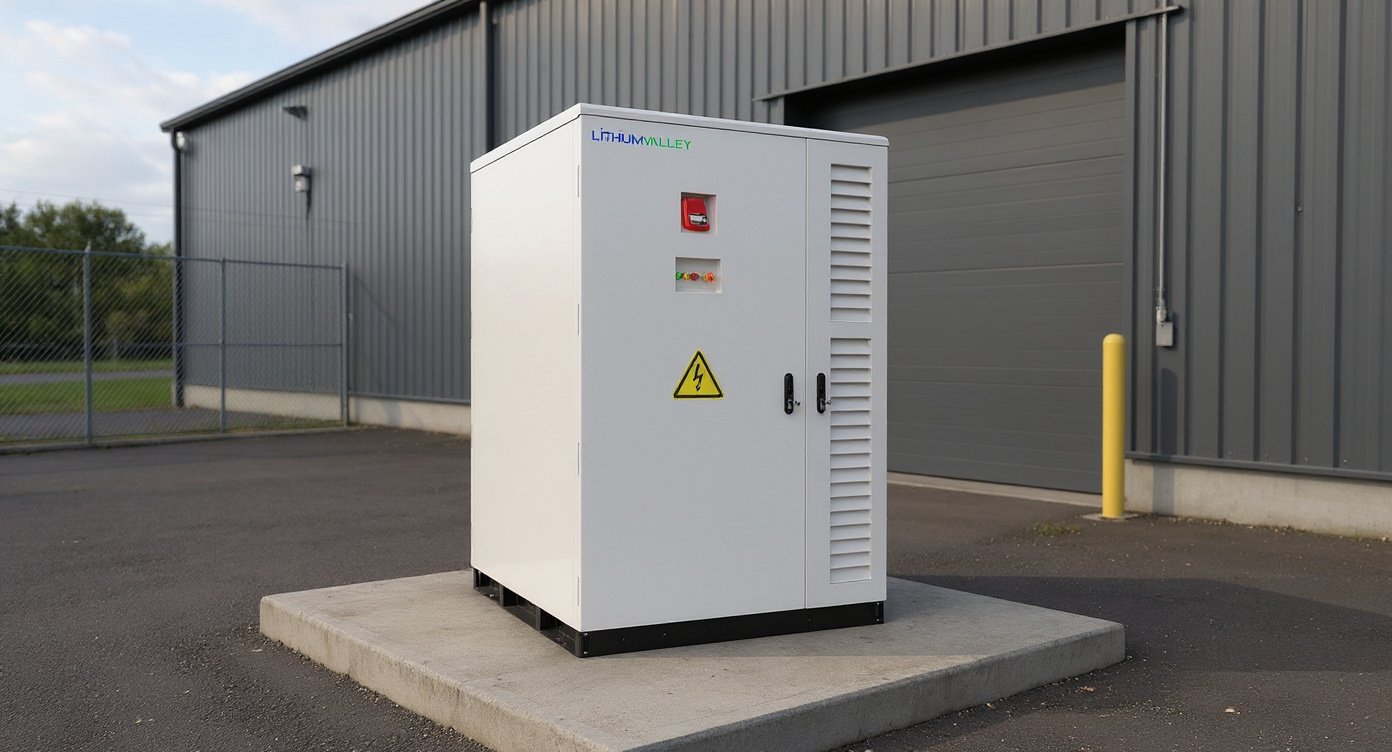
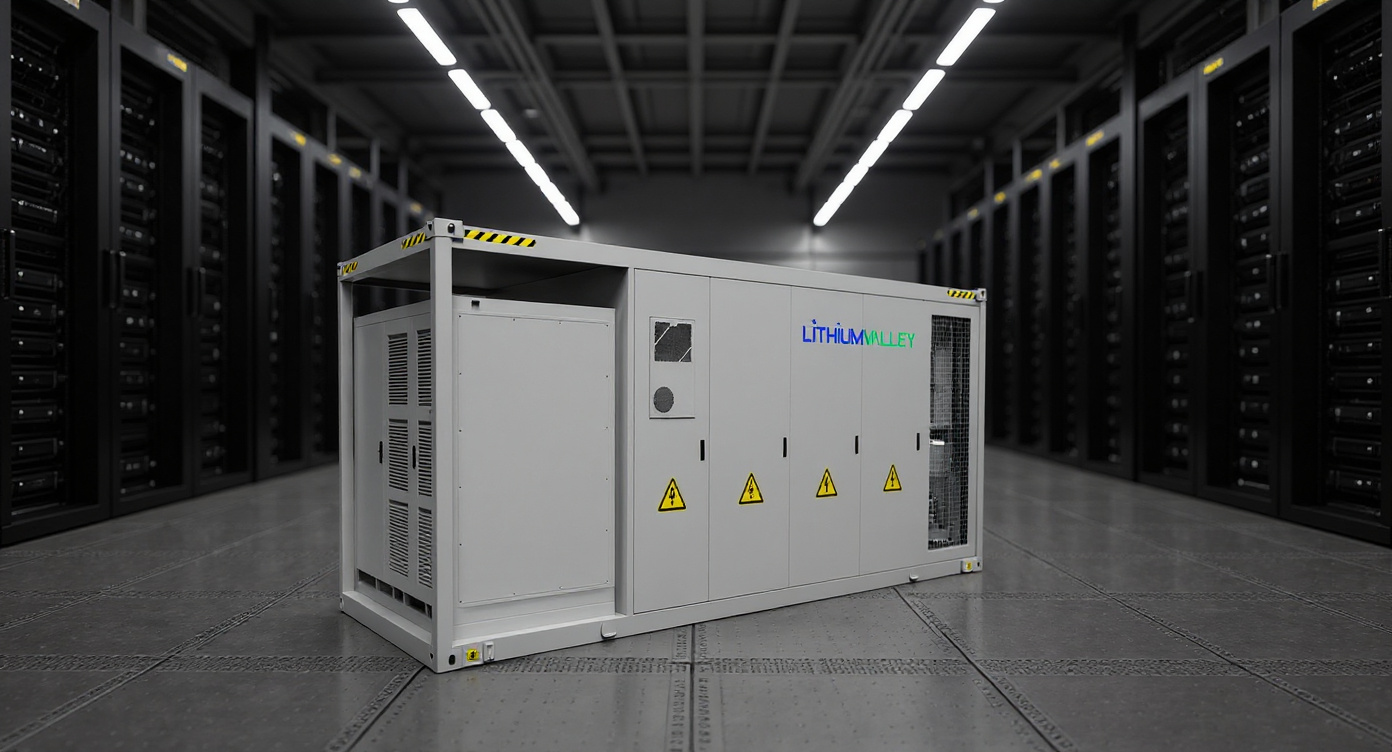
For the exact Containerized Commercial & Industrial ESS, the enclosure format is a real advantage if you need compact deployment, temporary power, island operation, emergency supply, energy preservation, backup, or battery storage integrated with PV generation and utility power. But only if the specs fit the job. That part matters more than people want to hear.
The 5 Containerized Commercial & Industrial ESS specifications that matter first
Here are the five I’d check before I spent one dollar on detailed engineering:
1. Usable battery capacity, not just nameplate capacity
2. PCS or inverter power rating
3. Runtime at the actual critical load
4. Transfer time, black start, and grid-forming or islanding behavior
5. Safety certifications, fire protection method, and site code fit
That’s the spine of the project.
Everything else hangs off it.
A quick example. If your facility has a 420 kW critical load and you want 2 hours of backup, the math says you need 840 kWh delivered to the load. If the system only allows 90% depth of discharge and your round-trip plus conversion losses eat another 8% to 10%, a 840 kWh nameplate unit won’t do it. You’d want closer to 1,020 kWh to 1,080 kWh depending on how much reserve you hold back. That’s the kind of gap that causes fights in commissioning.
Capacity without power is a trap
This is the oldest trick in the book. Sell the big kWh number. Hope nobody asks about kW.
Energy capacity tells you how much fuel is in the tank. Power rating tells you how wide the pipe is. A 1 MWh container with a 250 kW PCS gives you a 4-hour system at full output. Same 1 MWh with a 500 kW PCS, now you’re at 2 hours. With a 1,000 kW PCS, 1 hour. Same energy. Different job.
For commercial and industrial sites, the common duration bands I see quoted are:
– 0.5 hour systems for ride-through and short peaks
– 1 hour systems for generator bridging or brief demand events
– 2 hour systems for many C&I peak shaving projects
– 4 hour systems for deeper backup and solar shifting
You can find 6-hour and 8-hour builds too, but the economics change fast.
And here’s the part many vendors skate past: usable energy is often 85% to 95% of nameplate, not 100%. Some of that is battery operating window. Some is conversion loss. Some is reserve held back for emergency use or battery life. If someone is selling you runtime based on full nameplate, ask them to put it in writing. Watch what happens.
I learned this the hard way on a smaller backup project years ago. Not utility scale, nothing glamorous. We had a client who kept saying, “But the battery is 100 kWh.” Sure. On paper. In operation, with reserve settings and inverter losses, he had closer to 82 kWh he could count on. He was not amused.
The specs that decide whether your loads actually stay up
Containerized Commercial & Industrial ESS specifications aren’t just storage specs. They’re behavior specs.
For outage support, ask these questions in plain English:
– What is the transfer time from grid loss to supported load?
– Does the system support seamless transfer, open-transition transfer, or does it require a brief interruption?
– Can it black start a dead bus?
– Is it grid-following only, or can it operate in grid-forming mode?
– What motor loads can it handle at startup?
– What happens if PV is producing during an outage?
Numbers matter here. A sensitive control room may care about transfer in less than 20 milliseconds. A warehouse with standard HVAC may tolerate more. Motor starting can demand 3x to 6x running current for a few seconds, depending on the equipment and whether soft starters or VFDs are in play. If your critical load includes a 75 hp motor and the PCS can’t handle the transient, you won’t get the backup performance you thought you bought.
This won’t work if your load profile is spiky and nobody has measured it. A 15-minute interval utility bill is not enough for some facilities. You may need sub-second or 1-second logging. Especially with compressors, pumps, or process equipment.
Integration with PV and the utility grid, where projects get messy
Most pain happens at the interfaces.
Not inside the container.
At the interfaces with PV, utility service, protection, SCADA, and site controls.
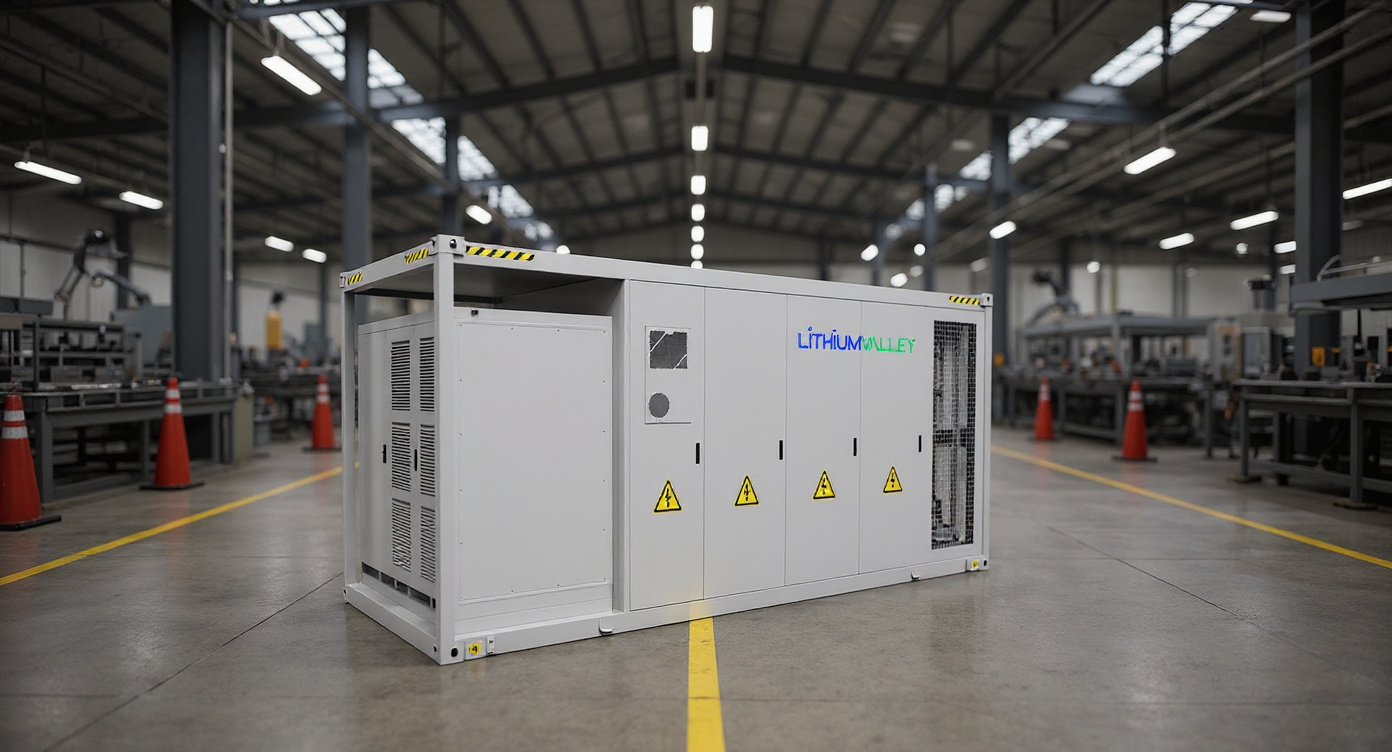
The product page positions this Containerized Commercial & Industrial ESS for battery storage integrated with PV generation and utility power. Good. That’s useful. But integrated systems need a pecking order. Who charges first. Who curtails first. How backup reserve is protected. What happens when the utility export limit is 0 kW at noon and the PV field is pushing hard.
Ask for written answers on:
– AC-coupled or DC-coupled architecture
– Supported communications protocols, Modbus TCP is common, DNP3 shows up on utility-facing jobs, IEC 61850 on some larger projects
– Export control logic
– State-of-charge reserve bands
– Reconnection and resynchronization sequence
– Metering points and telemetry requirements
A lot of buyers don’t budget enough for controls work. They should. Sungrow, BYD, CATL, Tesla Megapack, Fluence, Powin, and HyperStrong all have strong reputations in parts of the market, but nobody gets a free pass on controls integration. I’ve seen projects with good hardware lose three extra weeks because the site SCADA tags weren’t mapped right and the utility witness test failed on dispatch logic. Three weeks. Expensive weeks.
Safety, fire protection, and code review are not paperwork
This section gets hand-waved until the permit reviewer asks hard questions.
Then everyone suddenly cares.
For battery storage, the compliance stack usually involves different layers: product certification, fire testing basis, installation code, utility requirements, and local AHJ interpretation. Those are not the same thing. UL energy storage system testing and certification covers one part. UL 9540A and NFPA 855 guidance covers another part of the fire and siting conversation.
The facts worth quoting:
– UL 9540 is the common system-level safety certification referenced for ESS assemblies
– UL 9540A is a test method used to evaluate thermal runaway fire propagation characteristics
– NFPA 855 is an installation standard used by many jurisdictions for ESS siting and safety requirements
– Local code officials still have discretion, and utility requirements may add another review layer
Ask separately about:
– System certification pathway
– Detection method
– Suppression method
– Ventilation and gas detection, if applicable
– Emergency stop logic
– Separation distances
– Ambient operating range
Typical containerized ESS operating ranges on spec sheets are often something like -20°C to 50°C, but usable performance at the edges is another story. At 45°C ambient, many systems derate. At low temperatures, charge acceptance drops unless heating is built in and active. If your site is in Phoenix or Alberta, that sentence should get your attention.
Honestly, if your project team is treating fire review as something to “sort out after PO,” stop the project. I mean that. Better to lose two weeks in design than six months in redesign.
Mobility is real, but “portable” gets oversold
This is the contrarian bit most articles won’t say: if the system is going to sit in one place for 12 years, don’t pay a premium for mobility features you’ll never use.
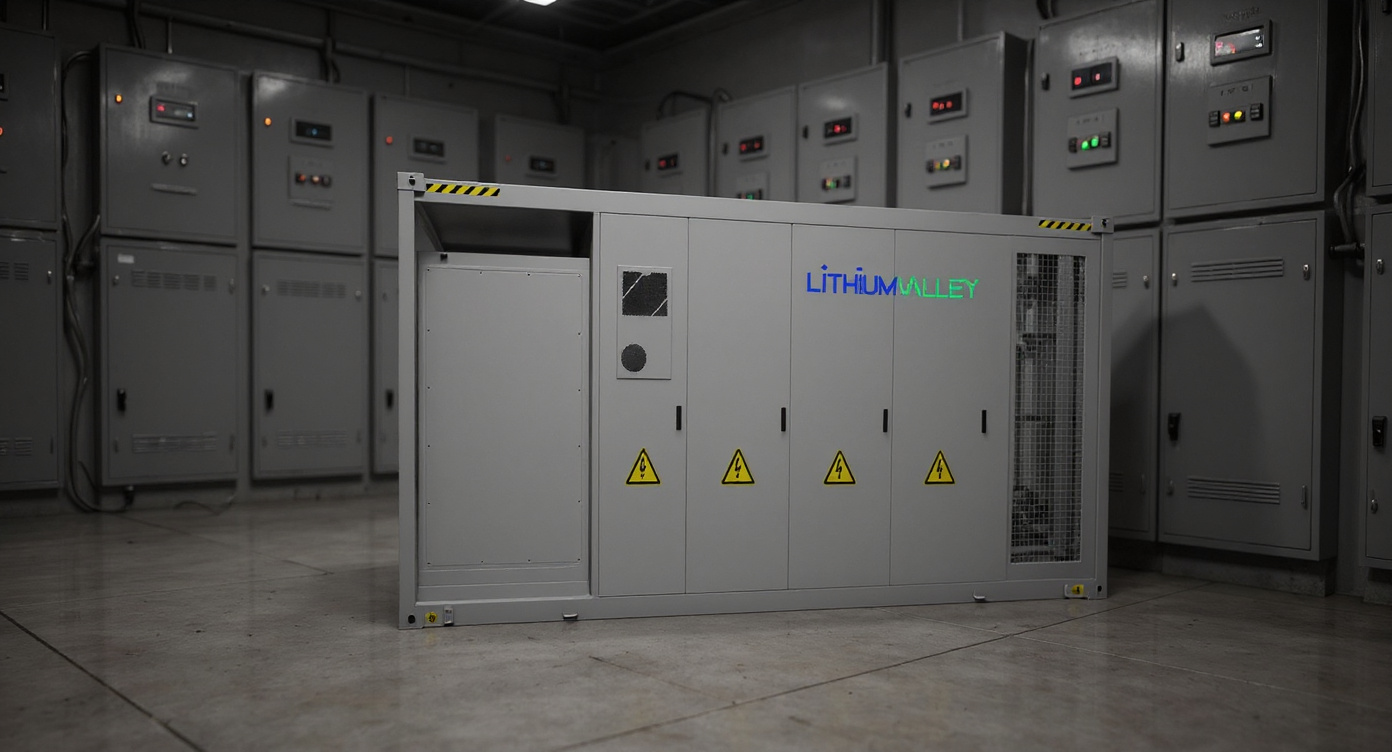
Containerized hardware is easier to deploy and easier to relocate than a room-built plant. True. But the hardware is only half the move. Pads, feeders, conduit, grounding, utility approvals, protection studies, fire review, controls integration, and commissioning all come back when you move it.
So yes, a containerized unit can preserve asset value across changing sites. That matters for temporary power, staged industrial jobs, rental fleets, mining, and projects with uncertain site tenure. It matters less for a fixed manufacturing plant with a stable 10-year load.
I had one customer years back, different equipment category but same lesson, who insisted on “future mobility” and paid extra for it. Five years later the unit had never moved once. He told me over coffee, “I bought a fantasy.” Brutal. Also accurate.
Example sizing table for containerized C&I ESS projects
This table is simplified, but it’s close enough to be useful in early-stage screening.
| Use case | Critical load | Target runtime | Minimum delivered energy | Practical nameplate range | Typical PCS range | Notes |
|---|---|---|---|---|---|---|
| Telecom or controls ride-through | 80 kW | 0.5 hr | 40 kWh | 48 to 60 kWh | 80 to 100 kW | Focus on transfer speed and UPS coordination |
| Small commercial backup | 150 kW | 2 hr | 300 kWh | 360 to 420 kWh | 150 to 200 kW | Reserve settings can cut usable runtime fast |
| C&I demand shaving | 500 kW | 1 hr | 500 kWh | 560 to 650 kWh | 500 to 600 kW | Billing interval data matters a lot |
| Solar shifting for a mid-size site | 300 kW | 4 hr | 1,200 kWh | 1,350 to 1,500 kWh | 250 to 350 kW | Good fit if PV curtailment is a problem |
| Mixed backup plus PV support | 400 kW | 2 hr | 800 kWh | 920 to 1,050 kWh | 400 to 500 kW | Needs clear reserve logic |
| Temporary industrial power | 700 kW | 1 hr | 700 kWh | 800 to 900 kWh | 700 to 900 kW | Mobility helps only if redeployment is planned |
Those nameplate ranges assume losses and reserve bands. Not fantasy math.
Price reality, with actual market context
The product page for the Containerized Commercial & Industrial ESS does the honest thing and leaves price configuration-specific. I prefer that to fake certainty.
Still, buyers need a sanity check.
As of the last few years, large grid-scale systems from top-tier brands such as Tesla Megapack or Fluence are often negotiated as project packages, not shelf-price items, and public pricing snapshots bounce around with PCS scope, duration, EPC content, freight, and commissioning. For smaller C&I containerized systems, I’ve seen budgetary numbers land anywhere from $287 per kWh to $612 per kWh installed, depending on duration, controls, site work, and compliance package. Hardware-only quotes can come in much lower. Installed projects usually don’t.
Competitor brand names worth knowing:
– Tesla Megapack, usually not aimed at small C&I buyers, and rarely transparent on unit pricing
– Sungrow PowerTitan, strong presence, often sharp on integrated container solutions
– BYD containerized storage, common in many markets, pricing varies by integrator
– CATL EnerC, increasingly visible, pricing tied to scale and region
– Fluence Cube, more utility-facing but still part of the comparison set
If someone quotes a containerized C&I ESS at a number that looks too low, check what’s missing. Fire package. Site controller. Transformer. Commissioning. Utility telemetry. Warranty terms. One of those is usually the culprit.
The specifications that change economics after the sale
The project doesn’t stop at delivery.
That’s where some systems start getting expensive.
The biggest economic surprises tend to be:
– Usable SOC window: many projects only dispatch 70% to 90% of nameplate in normal operation
– PCS bottlenecks: enough energy, not enough output power during the peak window
– Controls tuning time: backup reserve and tariff optimization can fight each other
– HVAC auxiliary loads: container cooling and heating eat energy, especially in hot or cold climates
– Service response: downtime hurts more on backup projects than on pure arbitrage projects
A small example. Suppose a site expects to offset a 500 kW peak for 30 minutes, 20 times per month. That’s 250 kWh delivered per event. If the system can only dispatch 420 kW because of PCS limits or thermal derating, the tariff savings model you approved is now wrong. Not a little wrong. Wrong enough to wreck the ROI.
What I would confirm before approving this exact containerized ESS
If I were evaluating this exact Containerized Commercial & Industrial ESS hardware for a client, I’d ask the seller for a written submittal covering these points:
1. Nameplate capacity and usable capacity at stated operating window
2. PCS rating in kW and overload capability for transient loads
3. Transfer mode and transfer time
4. Grid-forming, black start, and island operation capability
5. Supported PV and utility operating modes
6. Ambient operating range and derating curve
7. Certification package and fire safety basis
8. Communications and SCADA protocol list
9. Warranty terms, throughput limit if any, and service response expectations
10. Site work exclusions
Nothing exotic there.
Just the stuff that actually matters.
Real buyer FAQs about Containerized Commercial & Industrial ESS specifications
What is commercial and industrial energy storage (C&I ESS)?
C&I ESS is battery storage used at commercial or industrial sites to shift energy, reduce peaks, support backup loads, work with solar PV, or keep operations running during outages. Typical system sizes range from tens of kWh to multiple MWh depending on the site.
What is a containerized BESS?
A containerized BESS is a battery energy storage system packaged in a container-style enclosure. It often includes batteries, power conversion equipment, controls, protection, thermal management, and monitoring in one transportable enclosure.
Which five specs matter most for a containerized C&I ESS?
The five that matter most are usable capacity, PCS power rating, runtime at real load, transfer and islanding behavior, and safety/compliance package. Those five drive performance, permitting, and total project cost.
How do I size backup runtime for a containerized commercial ESS?
Multiply the critical load in kW by the required hours. Then add margin for inverter losses, reserve settings, and battery operating window. A 300 kW load for 2 hours needs 600 kWh delivered, which often means about 690 to 780 kWh nameplate.
How long can a containerized ESS provide backup power?
Backup time equals usable stored energy divided by supported load. If usable energy is 900 kWh and the critical load is 300 kW, expected runtime is about 3 hours, before extra margin for auxiliaries or reserve locks.
Can a containerized ESS work with solar PV and the utility grid at the same time?
Yes, if the controls and interconnection design support it. The key issues are export control, charging logic, reserve management, anti-islanding behavior, and reconnection sequence.
What power-to-energy ratio is common in C&I ESS?
Common ratios are 1:0.5, 1:1, 1:2, and 1:4, expressed as MW to MWh or kW to kWh equivalents. A 500 kW / 1,000 kWh system is a 2-hour system. A 500 kW / 2,000 kWh system is a 4-hour system.
What certifications should I ask for on a containerized ESS?
Ask about the system safety certification pathway, fire testing basis, and code alignment for installation. In many markets, buyers ask first about UL 9540, UL 9540A data, and NFPA 855 implications, plus local utility and AHJ requirements.
What ambient temperature range is typical?
Many containerized ESS products publish ambient ranges near -20°C to 50°C, but output and charging can derate outside moderate conditions. Always ask for the derating curve, not just the range line.
Can a containerized ESS be moved to another site?
Yes, the hardware can often be moved. But civil work, electrical interconnection, fire review, controls integration, and commissioning may need to be repeated at the new site.
Is price per kWh enough to compare systems?
No. Price per kWh hides PCS limits, safety package differences, controls scope, warranty terms, and site work. Two systems with the same $/kWh can perform very differently on the same facility.
What competitor brands should I compare against?
Common comparison brands include Tesla, Sungrow, BYD, CATL, Fluence, Powin, and HyperStrong. Compare them on usable capacity, PCS rating, controls scope, code package, warranty, and service support, not just on nameplate energy.
Where the decision usually lands
If the system will support real loads, on a real site, with real outages, then Containerized Commercial & Industrial ESS specifications have to be read as an operating document, not a brochure. Capacity, power, duration, transfer behavior, and safety package come first. Then controls. Then economics.
The exact Containerized Commercial & Industrial ESS makes sense when you need compact battery storage integrated with PV generation and utility power, especially for temporary power, island applications, emergency supply, energy preservation, and backup. It makes less sense when mobility is just a nice story or when the project team is still vague on the load profile. That part is boring. It also decides the outcome.