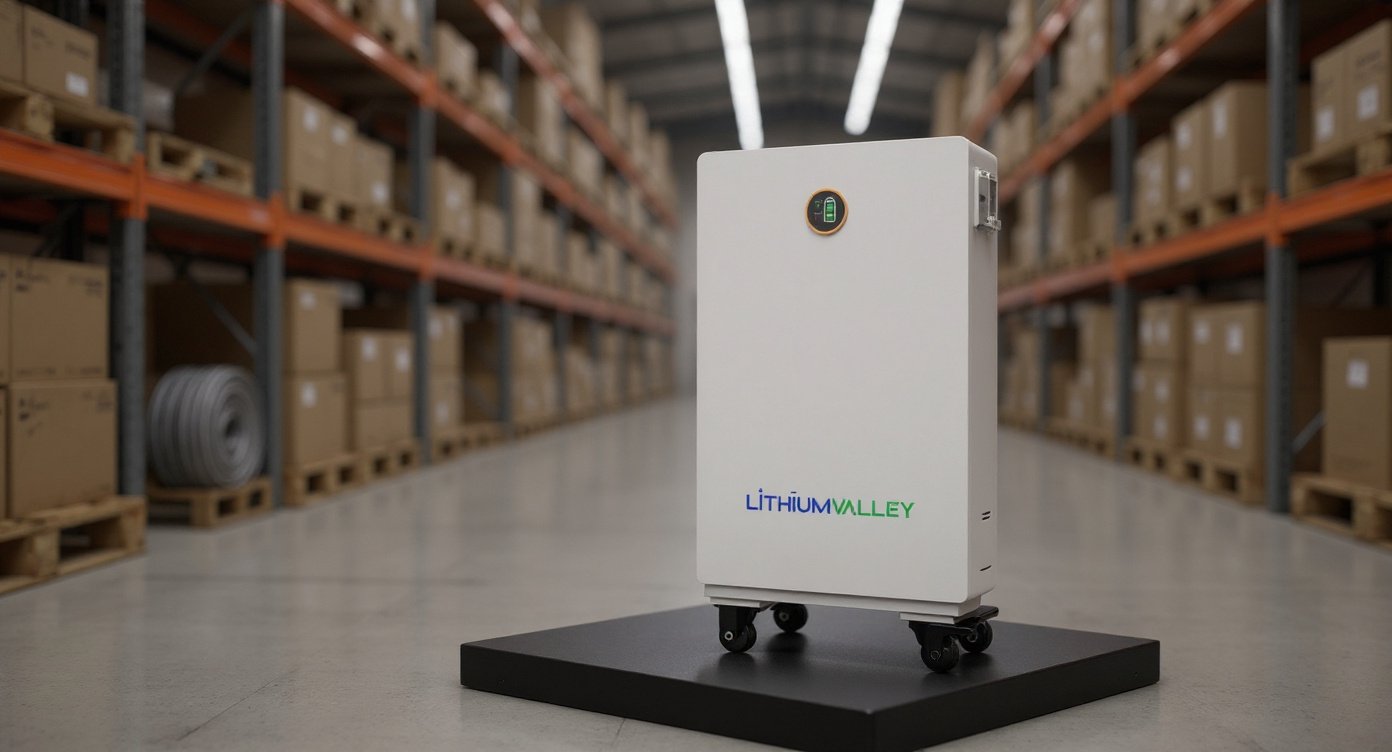
Yes, you can install the LV36100 in a 36V golf cart upgrade, but only after you verify fit, wiring, charger compatibility, and the cart family listed on the product page. Most failed conversions come from skipping those checks, not from the battery itself.
A clean lithium swap is less about wrestling parts into place and more about confirming the system before you loosen the first cable. If your cart is already a true 36V platform and the tray, connectors, and charging setup all line up, the job is usually straightforward. If one of those pieces is off, the whole install gets annoying fast.
What to verify before you pull the old batteries
Start with the boring stuff. It saves time.
The LV36100 is meant as a lead-acid replacement for compatible golf carts, and the official product page calls out compatibility with vehicle families such as Club Car and E-Z-GO. That does not mean every 36V cart in those families is automatically a match. Year, tray layout, cable routing, and charger setup still matter.
Before you plan the swap, confirm these six points:
1. System voltage. The cart must be a real 36V system, not a 48V cart with assumptions based on battery count.
2. Battery tray space. Measure length, width, height, and any obstructions above the tray. You need more than a rough eyeball check.
3. Main cable reach and terminal layout. A battery can be electrically correct and still be a headache if the positive and negative cable runs are wrong for your tray.
4. Charger compatibility. Lithium charging is not the same as lead-acid charging. The U.S. Department of Energy’s alternative fuels guidance on electric batteries lays out why battery chemistry changes the charging profile and system behavior.
5. Cart compatibility list. Check the official LV36100 battery page for the current supported vehicle families and details.
6. Accessory loads. If your cart has lights, a radio, or other add-ons, make sure the existing setup won’t create wiring surprises during the conversion.
This is also where a lot of people discover they don’t actually need more battery, they need better fit information. A 36V lithium conversion only works smoothly when the physical layout is solved first.
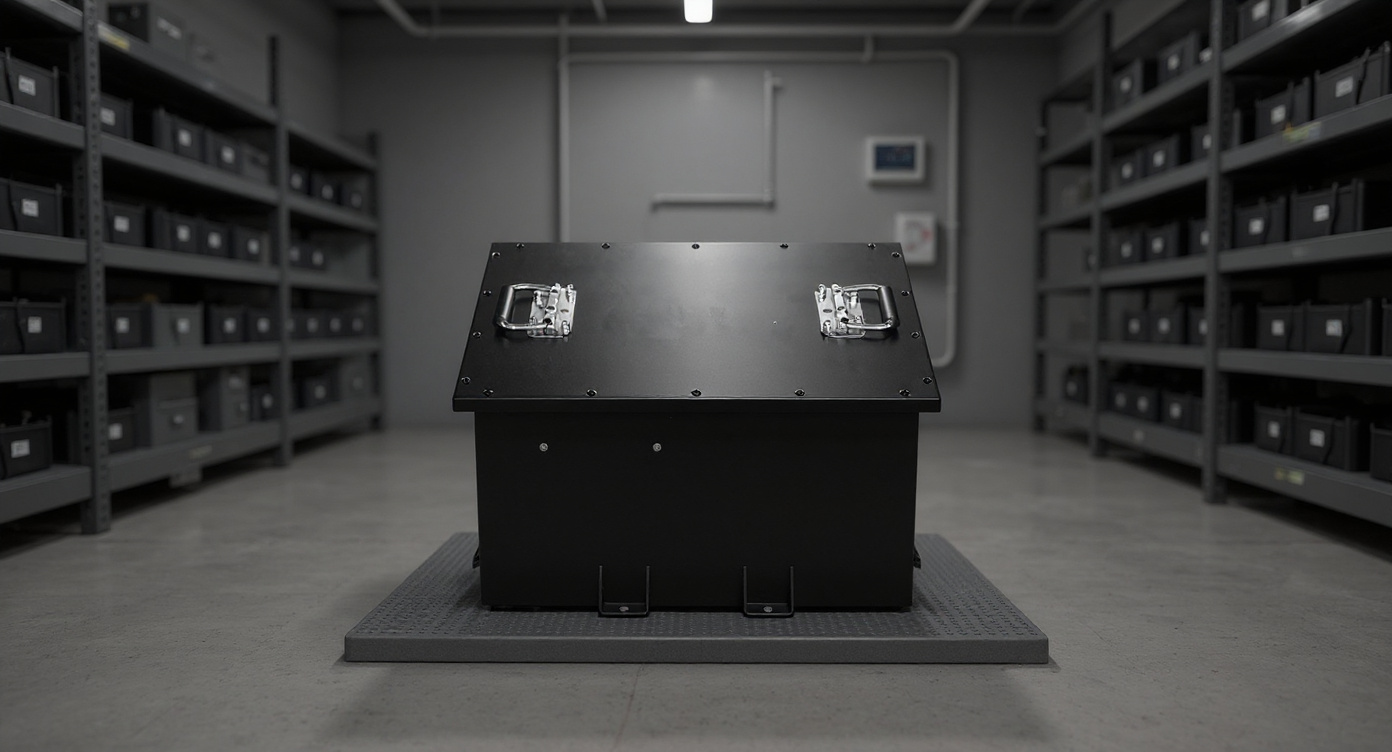
The tray fit check matters more than people expect
The quickest way to turn a one-day project into a week of irritation is to assume the battery tray will “probably fit.” Don’t do that.
Take the old batteries out only after you’ve measured the tray opening, inside tray footprint, hold-down area, and vertical clearance. Watch for lip edges, crossbars, charger leads, or seat pan interference. A pack can fit the tray floor and still hit something when the seat closes.
You also need to think about service space. The battery has to fit, yes, but you still need room to route cables cleanly, mount any required protection hardware, and access the connections without forcing tight bends.
For an LV36100 installation, the fit check is where many owners either gain confidence or realize they need one more call before buying parts. The product page specifically tells you to confirm tray dimensions, connectors, charger, and vehicle compatibility first. That’s good advice, because a battery swap is easy only when all four line up.
Here’s a simple way to think about the fit question:
| Checkpoint | What to confirm | Why it matters |
|---|---|---|
| Tray footprint | Inside length and width of the battery tray | Prevents a pack that sits crooked or won’t seat fully |
| Height clearance | Space from tray floor to any lid, seat base, or bracket | Avoids pinched wiring and contact with upper structure |
| Cable path | Distance from cart cables to battery terminals | Reduces cable strain and ugly rerouting |
| Hold-down method | Existing bracket or strap position | Keeps the battery secure under bumps and cornering |
| Charger lead location | Where the charging connection enters the compartment | Helps prevent awkward crossing or cable crowding |
If you’re still in the measuring phase, this is the moment to look closely at the LV36100 for golf cart replacement use and compare it to your tray, not the other way around.
Wiring, fuse protection, and disconnects are not optional extras
Lithium swaps get talked about like they’re just a battery change. They’re not. They’re a system change.
The pack may include integrated management electronics, but that doesn’t remove the need for sane installation practice. A battery management system protects the battery. It does not replace every layer of vehicle-side protection. You still want proper overcurrent protection and a way to disconnect the pack safely for service.
The exact fuse type, rating, cable gauge, and disconnect hardware depend on the cart, the controller, and the current draw under load. I don’t have hard numbers for your specific cart, so this is where guessing is a bad habit. If your existing cables are corroded, stiff, heat-damaged, or obviously undersized for the cart’s demand, replace them instead of trying to save an old lead-acid setup.
A few wiring checks matter almost every time:
– Inspect the main positive and negative cables for corrosion, broken strands, and overheated lugs.
– Confirm terminal orientation before tightening anything.
– Add or retain a correctly sized main fuse near the battery connection.
– Install a disconnect if the cart doesn’t already have a practical service isolation method.
– Secure cables so they can’t rub on tray edges or moving seat hardware.
– Verify accessory circuits before reconnecting chargers or key power.
If the cart is older, check the solenoid and major cable ends while the battery compartment is open. This is basic electric vehicle housekeeping, and the DOE maintenance guidance for electric drive vehicles is a useful reminder that less maintenance does not mean no maintenance.
People sometimes ask whether lithium requires a complete rewiring job. Usually no. But this won’t work well if the existing electrical path is already tired. A fresh battery won’t fix weak cables, ugly crimping, or a failing solenoid.
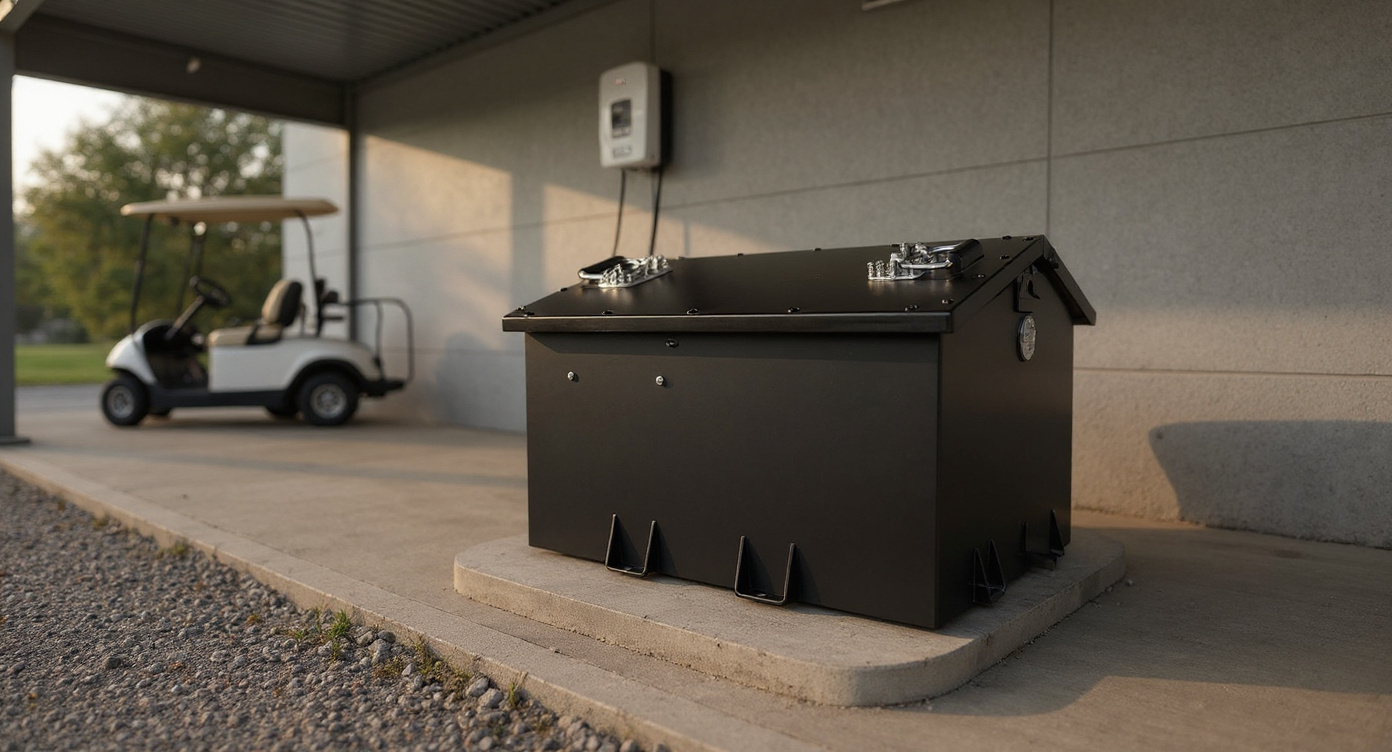
Charger problems are the most common post-install surprise
A lot of conversion trouble starts the first time the charger gets plugged in.
Lead-acid chargers are built around a different charging profile than lithium. Sometimes an old charger won’t charge correctly. Sometimes it cuts off too early. Sometimes it keeps trying to do a lead-acid finish stage the lithium pack doesn’t want. That’s why the product guidance tells you to confirm charger compatibility before installation.
This is one of those areas where people try to save money and create more work. If the charger isn’t known to work with the battery chemistry and voltage, treat it as incompatible until proven otherwise.
Here’s the plain comparison:
| Item | Existing lead-acid setup | Proper lithium-ready setup |
|---|---|---|
| Charge profile | Built for lead-acid behavior | Built for lithium charging behavior |
| End-of-charge behavior | May use lead-acid finishing stages | Matched to lithium pack needs |
| Battery communication expectations | Varies by older cart hardware | Must match the pack and cart arrangement |
| Risk level | Uncertain, can cause charge issues | Lower when confirmed compatible |
| What to do | Verify, don’t assume | Use the charger setup specified or approved for the pack |
If your charger has no clear lithium compatibility information, stop there and confirm before moving ahead. That’s especially true on carts that use proprietary onboard charging arrangements.
There’s also the end-of-life piece. If you’re removing old batteries and replacing them with lithium, dispose of the outgoing battery system responsibly, and if you ever retire the lithium pack later, follow EPA guidance on used lithium-ion batteries instead of tossing anything into general trash.
How the install usually goes, and where time gets lost
The actual wrench time for an LV36100 installation can be pretty reasonable if the cart is already compatible and the prep work is done. The delays usually come from cleanup, cable changes, charger confusion, or tray surprises.
A typical workflow looks like this:
If everything matches, the job may take only a few hours. If the cable lengths are wrong, the charger isn’t compatible, or the tray needs modification, the project stretches quickly.
This is why a lot of owners ask whether lithium conversion is hard. The answer is no for a matched system, yes for a guessed system. Big difference.
Another thing worth keeping in mind: lithium can change how the cart feels under use, but not in the magical way people sometimes expect. Reduced battery sag can make performance feel more consistent, especially later in a discharge cycle, yet top speed and acceleration still depend on the controller, motor, tire size, and overall setup. A battery alone doesn’t rewrite the whole cart.
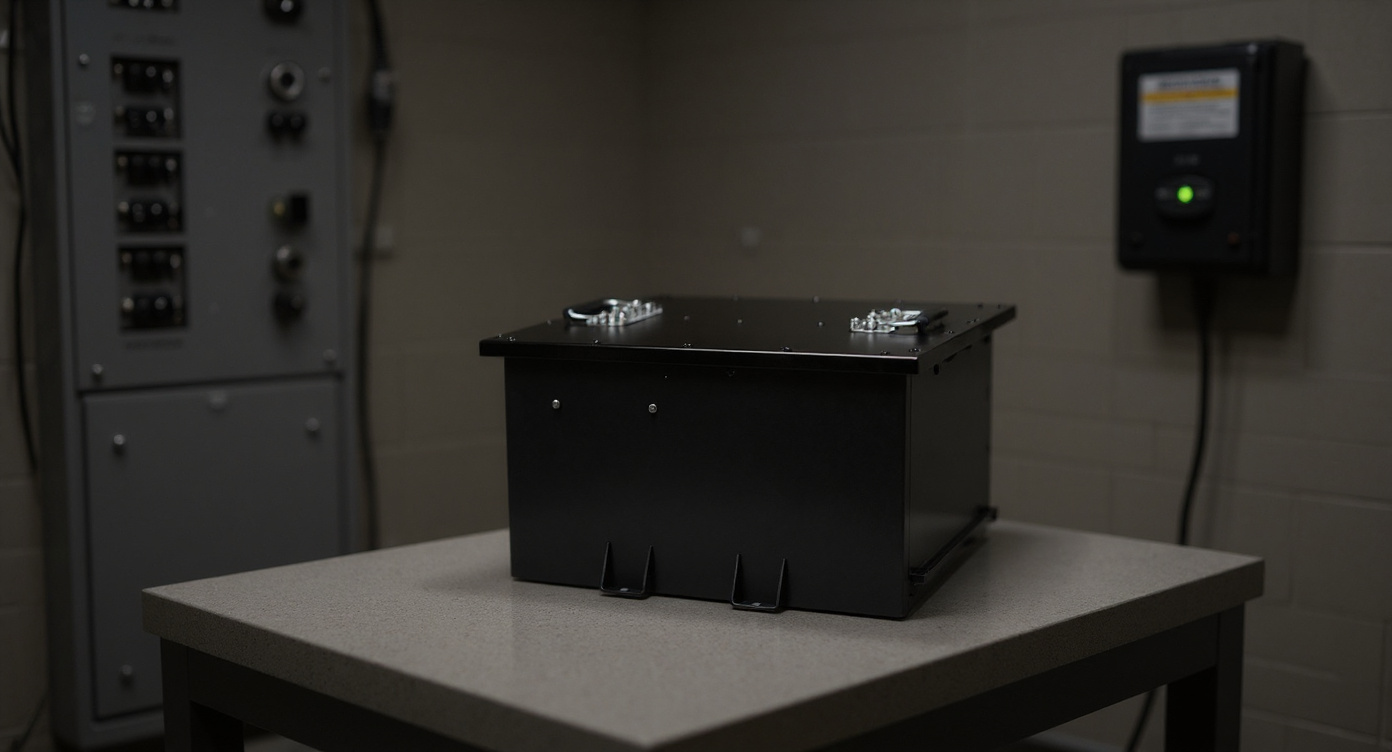
FAQ buyers ask before converting a 36V cart
Will a 36V lithium battery work in any 36V golf cart?
No. Matching voltage is only the first filter. You still need to confirm tray dimensions, connector layout, charger compatibility, and whether the specific cart family is supported. A 36V rating by itself doesn’t guarantee an easy swap.
Can I use my old lead-acid charger with a lithium golf cart battery?
Sometimes, but it should never be assumed. The safer answer is to verify the charger against the battery’s required charging behavior before installation. If the charger is designed only for lead-acid stages, it may not charge the pack correctly.
How do I know if the LV36100 will fit my golf cart battery tray?
Measure the tray’s inside footprint, the available height, and any obstructions above or around the battery space. Then compare those measurements with the current product information and connection layout. If you can’t verify dimensions cleanly, don’t order on guesswork.
Do I need to change the cables or solenoid when converting a golf cart to lithium?
Not always. If the existing cables are the right length, in good condition, and suitable for the cart’s current demand, they may stay. If they’re corroded, overheated, stiff, or poorly routed, replacement makes more sense. The solenoid should also be inspected, especially on older carts.
How long does it take to install a lithium battery in a golf cart?
For a cart that’s already confirmed compatible, many installs are finished in a few hours. If you run into charger changes, cable rerouting, tray modifications, or accessory wiring problems, it can take much longer.
Is a BMS enough protection, or do I still need a fuse and disconnect?
You still want a fuse and a practical disconnect. The BMS helps protect the battery pack, but it does not replace good vehicle-side overcurrent protection or safe service isolation.
Will converting to lithium make my golf cart faster or just increase runtime?
Usually it improves consistency and runtime more than raw speed. Some carts feel stronger because voltage sag is reduced compared with tired lead-acid batteries, but speed and acceleration are still limited by the rest of the drivetrain and control system.
What happens if my Club Car or E-Z-GO model isn’t listed on the product page?
Treat that as unconfirmed compatibility. Don’t assume it will work because the brand family is mentioned. The right move is to verify the exact model and setup before you order parts or remove the old batteries.
When the LV36100 makes sense, and when it doesn’t
If you’re fighting tired lead-acid batteries, uneven runtime, charger confusion, and a battery tray full of corrosion, a properly matched lithium replacement is usually the cleaner long-term path. The catch is that the match has to be real. Voltage, tray space, cable routing, charger setup, and cart compatibility all need to agree before this becomes an easy upgrade.
The LV36100 is more likely to pay off when your cart is a confirmed 36V candidate and you want a lead-acid replacement designed for compatible golf cart platforms rather than a generic battery workaround. If that’s where you’re at, take one more careful look at fit and charging details, then see LV36100 and compare it against your cart before moving ahead.