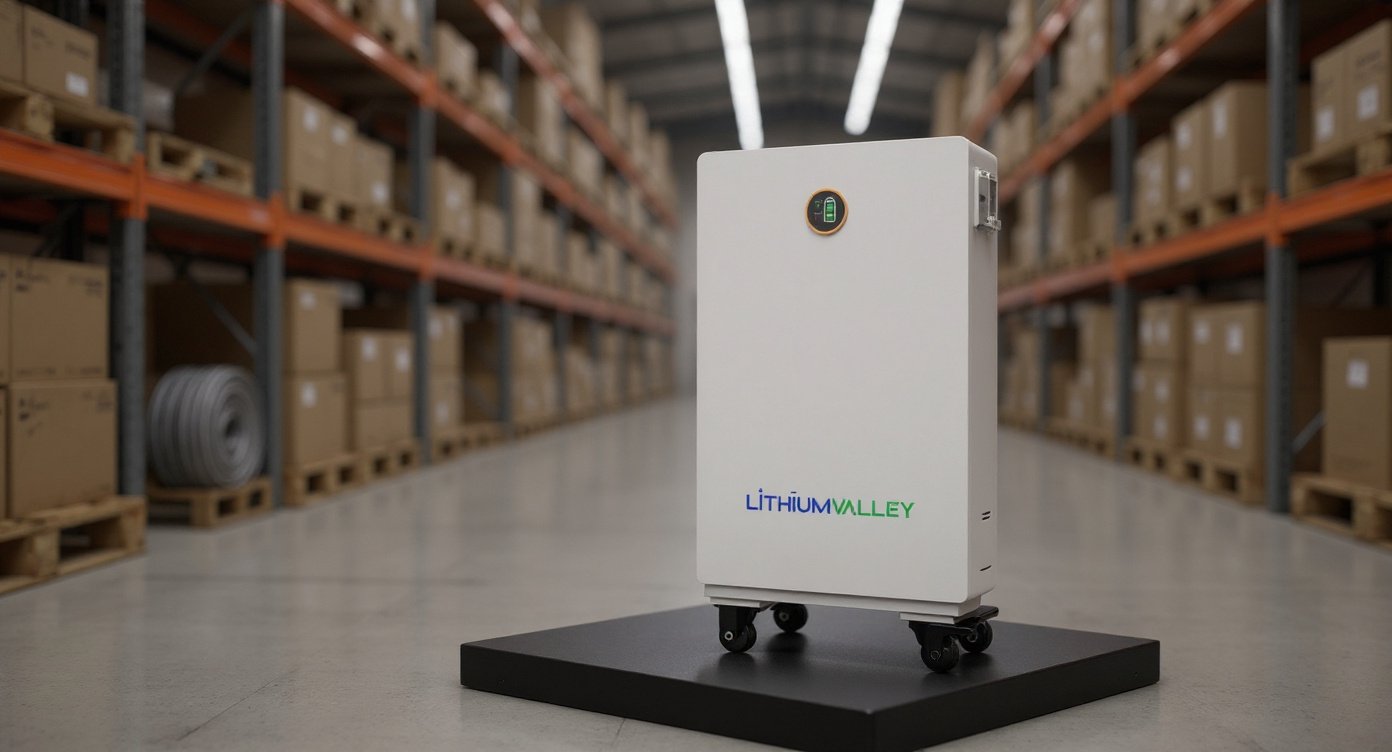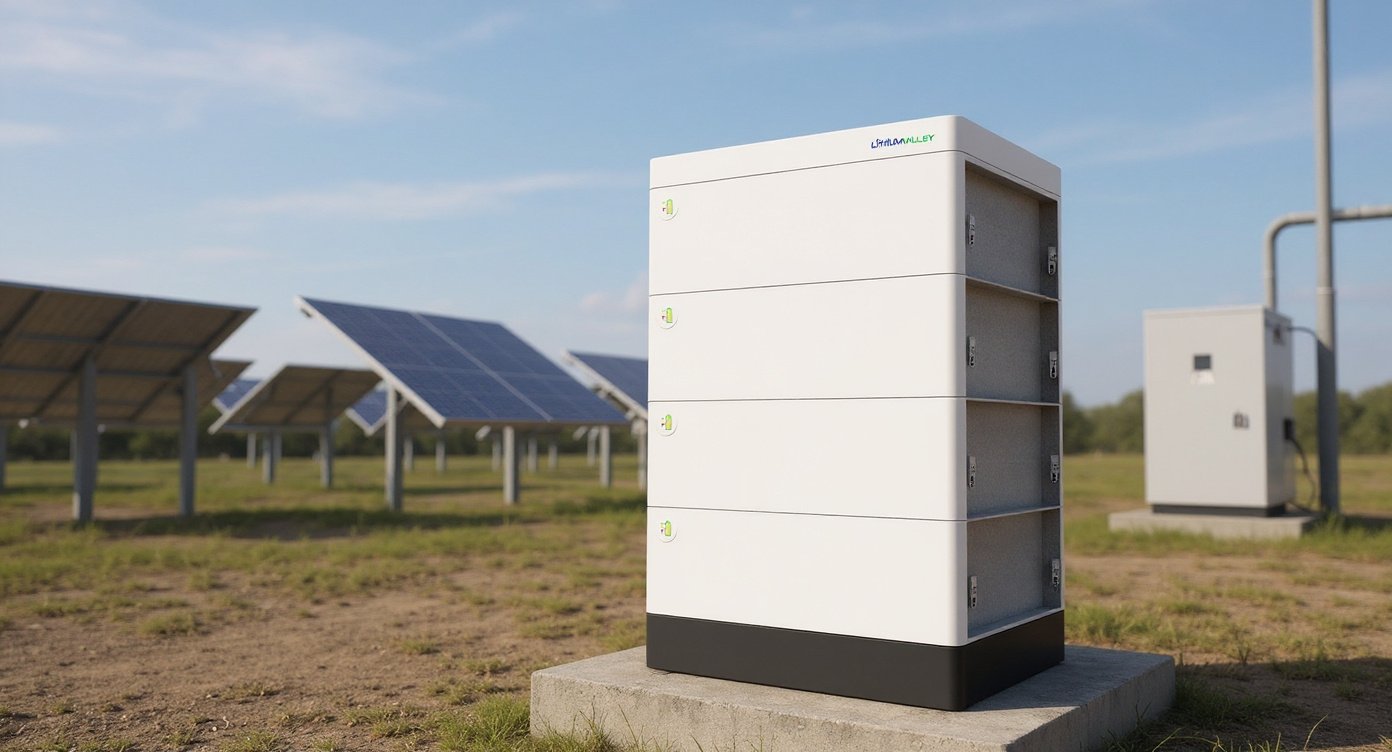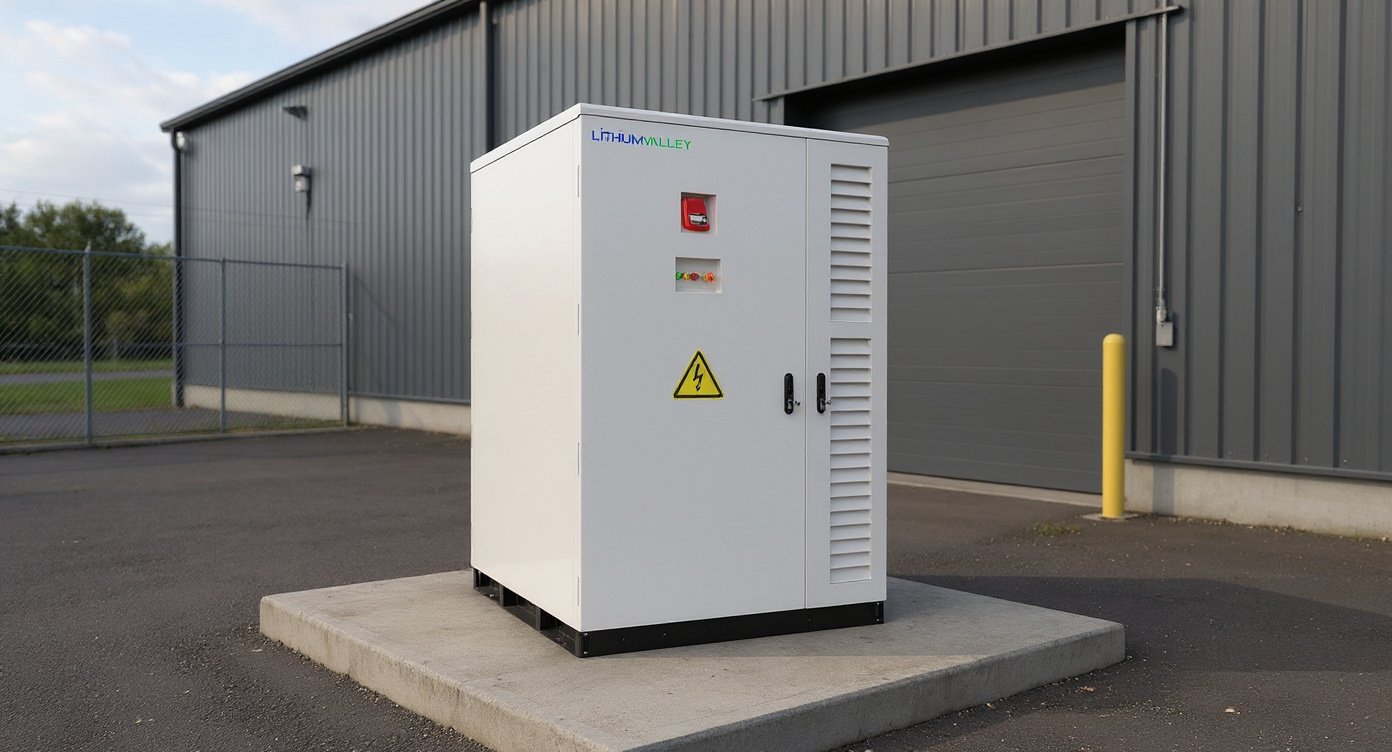
The SCA261L100P-13W capacity and voltage are best read as a high-voltage commercial storage cabinet, not a loose pile of cells. Based on the product page details provided, it’s built around a 1P260S LiFePO4 pack with 314Ah cells, about 250kWh total capacity, 832V nominal voltage, and a 728-949V operating window.
What the voltage numbers actually mean on a 1P260S cabinet
A 1P260S layout means one parallel string made up of 260 cells in series. That matters because series count is what drives voltage, while the 314Ah cell rating drives capacity. In plain terms, the system’s energy is coming from the cell count and cell size together, not from voltage alone.
832V nominal is the midpoint-style nameplate value you’d expect for the pack under its standard operating chemistry. The 728-949V range is the window the system is meant to live in while charging and discharging. If your PCS, switchgear, or site interconnect can’t handle that window, the cabinet is a bad fit no matter how attractive the kWh number looks.
The phrase SCA261L100P-13W capacity and voltage comes up a lot because those two figures do most of the buying work. For this unit, voltage tells you how the electrical stack is organized, while capacity tells you how long the cabinet can support a given load.
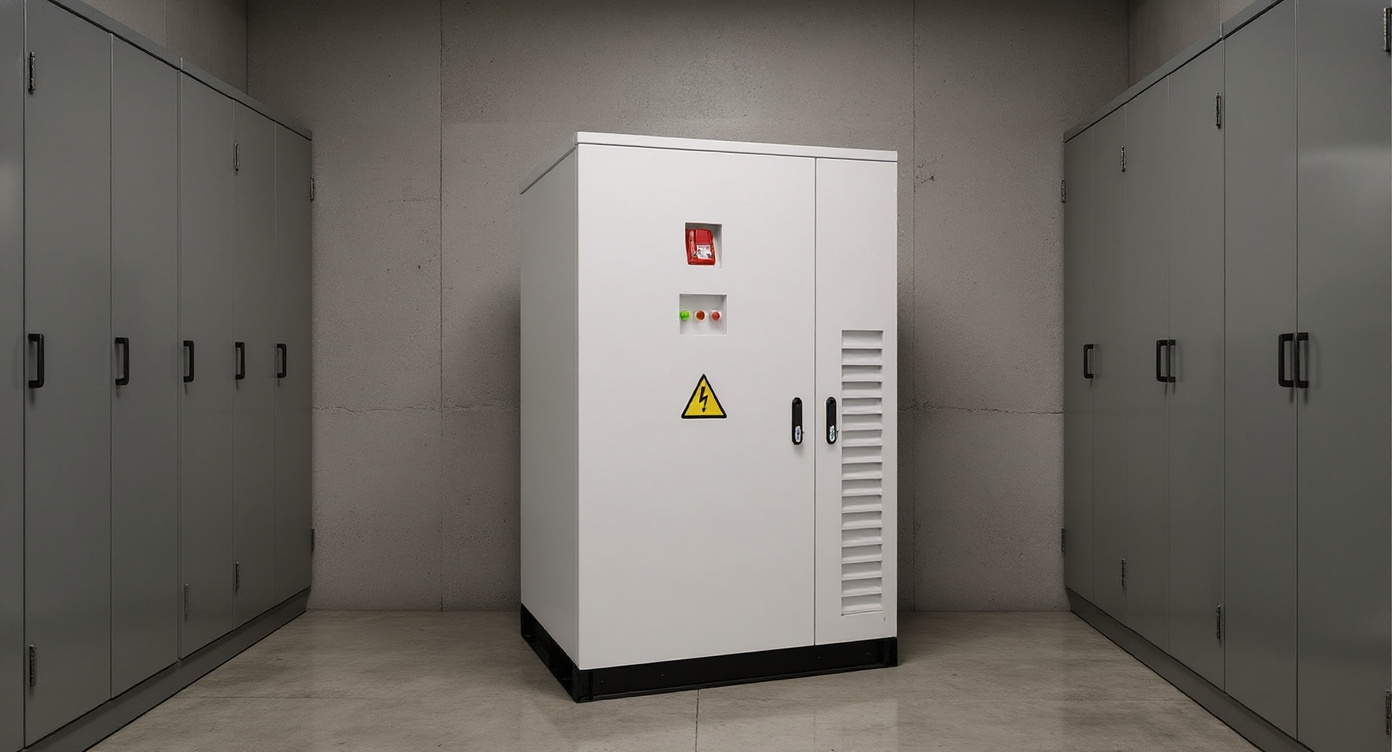
Is 250kWh nominal or usable energy?
That’s the first thing I’d ask before writing a check. The product page says approximately 250kWh total capacity, but it doesn’t clearly separate nominal energy from usable energy. Those are not the same thing.
Nominal capacity is the nameplate energy inside the battery stack. Usable capacity is what you can actually pull after BMS limits, reserve margins, temperature limits, and operating window constraints are applied. In a commercial ESS, that difference can be meaningful enough to change runtime, dispatch planning, and how you size the PCS.
Here’s the short version:
1. Nominal energy is the brochure number.
2. Usable energy is the field number.
3. The gap depends on control settings, protection margins, and how aggressively the site cycles.
4. If you’re comparing bids, ask for the exact depth-of-discharge assumption.
5. If nobody gives that, treat the 250kWh as a planning figure, not a delivered guarantee.
The product page needs confirmation on whether the 250kWh claim is nominal or usable, and that’s not a small detail. It changes how you model backup duration, peak shaving, and daily cycle economics on the SCA261L100P-13W product page.
PCS sizing, Monet-125 inverters, and the AC side question
The listing says there are two Monet-125 AC photovoltaic inverters, but it doesn’t spell out the exact PCS power rating. That’s the part you should not gloss over. Energy storage cabinets live or die by the relationship between battery capacity and converter power.
If those two Monet-125 units are the PCS, the AC side may be organized as two 125kW-class units, but I’m not going to pretend the exact rating is confirmed when the source text doesn’t say it. If they’re only part of the AC side, the actual PCS could be something else entirely. Either way, you need the real single-line layout before you match it to your load profile.
A simple comparison helps:
| Item | What’s stated | What still needs confirmation |
|---|---|---|
| Battery chemistry | LiFePO4 | Cell vendor and test basis |
| Cell rating | 314Ah | Whether that’s per-cell nominal or tested under a specific regime |
| Series layout | 1P260S | Any module or rack subdivision |
| Nominal voltage | 832V | Whether this is pack-level nominal under standard conditions |
| Operating range | 728-949V | Whether that range is fixed across all modes |
| Energy | about 250kWh | Nominal or usable |
| AC conversion | two Monet-125 AC photovoltaic inverters | Exact PCS role and power rating |
If your site has a tight interconnection limit, the PCS question matters more than the raw battery size. If your site needs long duration and only occasional discharge, the energy figure matters more. That’s why the SCA261L100P-13W capacity and voltage story has to be read as a system question, not a battery-only question.
What the system layout tells you about real-world use
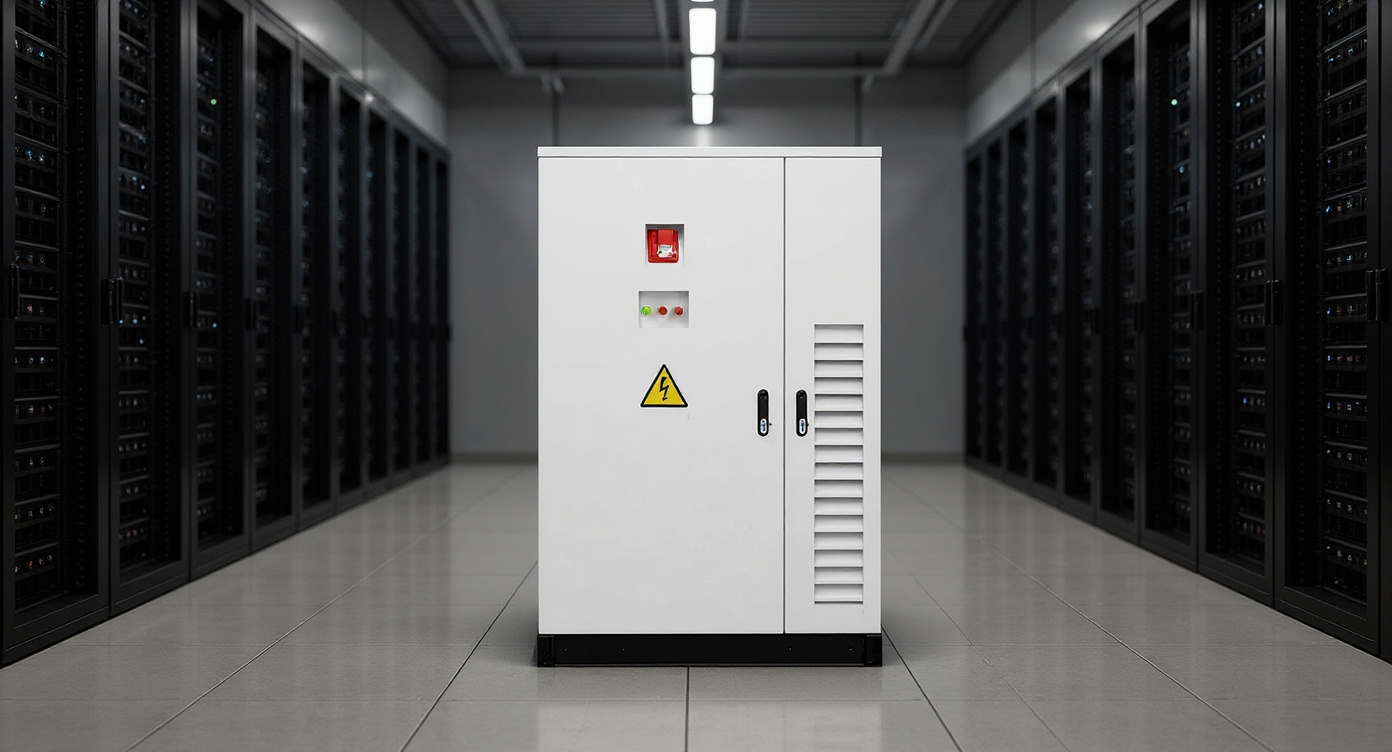
A cabinet like this usually makes sense when you want a compact commercial package with the battery, controls, and power conversion pulled into one defined system boundary. That’s different from buying cells, racks, and inverters separately and trying to make them behave like one machine.
For a site operator, the useful questions are pretty blunt:
– Can the cabinet sit inside your electrical limits without custom engineering?
– Does the operating window match the PCS you already have?
– Will the enclosure’s control stack talk cleanly to the EMS or site controller?
– Is the discharge profile closer to backup, arbitrage, or peak shaving?
– Are you planning one deep daily cycle or many shallow cycles?
This is where cabinet ESSs can be easier to deploy than containerized systems. Cabinets often fit tighter footprints and simpler site layouts. Containers can be better when you need larger aggregate energy, more room for service access, or a broader thermal and fire-safety design envelope. Neither is automatically better.
For procurement, the U.S. DOE’s battery energy storage system procurement checklist is useful because it pushes you to ask about duty cycle, serviceability, safety, and integration before you get seduced by one big energy number.
Safety, testing, and the questions that separate spec sheets from deployable systems
Commercial storage lives under safety and certification pressure that hobby batteries never see. A serious buyer should ask about system-level testing, thermal propagation behavior, and the standards used for the cabinet as a whole, not just the cells inside it. UL’s energy storage system testing and certification overview is a good reminder that pack, cabinet, controls, and installation context all matter.
If fire engineering is part of your approval path, you also want to know how the system aligns with UL 9540A and NFPA 855 concepts. UL’s guide to UL 9540A and NFPA 855 gets into why thermal runaway testing and installation rules are tied together.
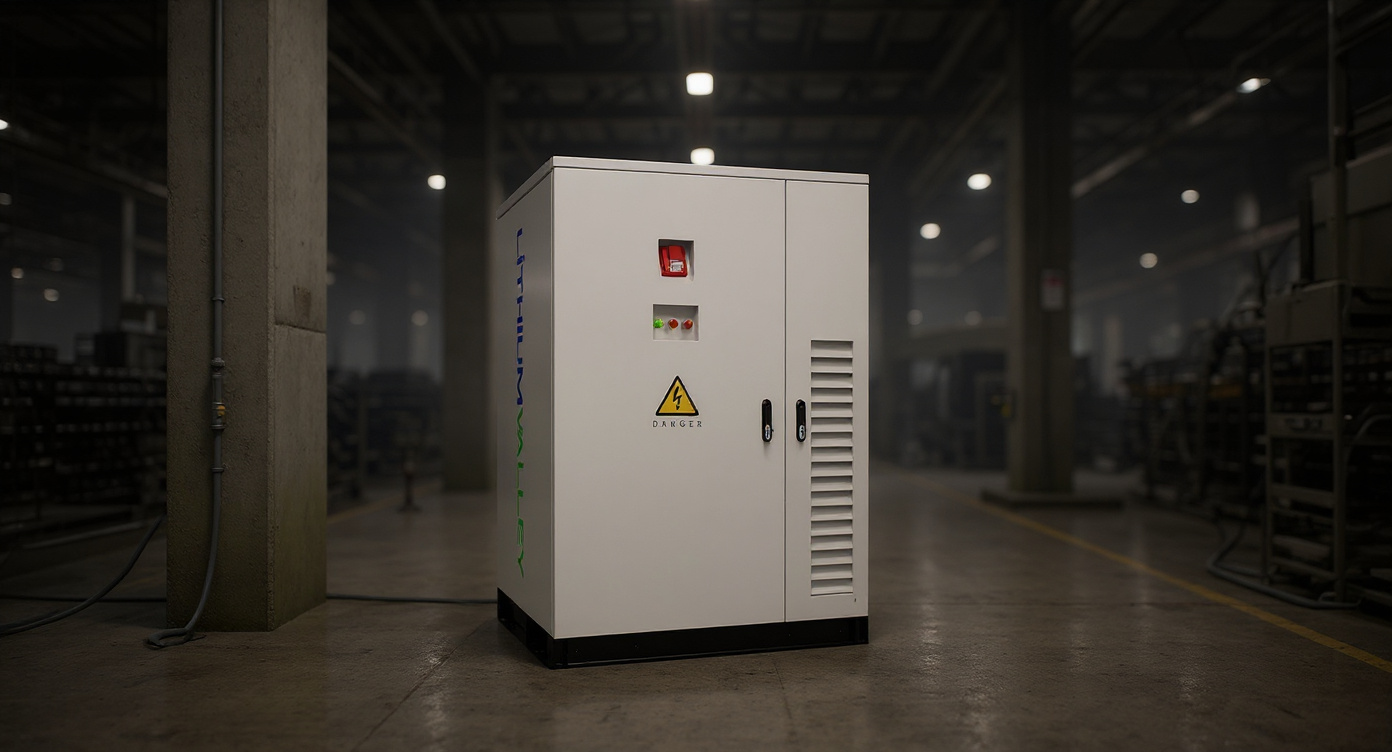
That’s not me being cautious for sport. It’s because a LiFePO4 cabinet can still be misapplied. BMS protections only help if they’re matched to the cabinet’s voltage window, current limits, temperature sensing, balancing strategy, and fault logic. A good BMS can block overcharge, overdischarge, overcurrent, short-circuit events, and abnormal temperature rise. It can also isolate faults before a small issue becomes a bigger one. But it can’t save a badly matched PCS, and it can’t fix a site that ignores clearance, ventilation, or code requirements.
What I’d verify before buying this cabinet
If you’re comparing this unit against other commercial ESS options, I’d check these points in this order:
1. Ask whether 250kWh is nominal or usable energy.
2. Get the exact PCS rating in kW, not just the inverter model name.
3. Confirm whether the two Monet-125 units are the PCS or auxiliary AC equipment.
4. Request the cycle-test conditions behind the capacity claim, including temperature, discharge rate, and end-of-life criterion.
5. Verify the operating voltage window against your inverter and protection gear.
6. Confirm the BMS alarm list, fault response, and communication protocol.
7. Check the installation code path for your site, including fire and spacing requirements.
If any one of those comes back fuzzy, the purchase is still premature. That’s especially true for the SCA261L100P-13W capacity and voltage details, because those are exactly the numbers people use to size the rest of the project.
FAQ: the questions buyers usually ask first
Is 250kWh the usable capacity or just nominal capacity?
The source text only says approximately 250kWh total capacity. It does not confirm usable capacity, so treat it as nominal until the seller gives a usable-energy figure.
What does 832V nominal mean on the SCA261L100P-13W?
It means the battery stack is designed around an 832V nominal pack level, with an operating range stated as 728-949V.
What is the exact PCS power rating of this system?
The exact PCS rating is not confirmed in the provided product details. The page mentions two Monet-125 AC photovoltaic inverters, but that is not enough to lock down the full PCS power spec.
Are the two Monet-125 inverters the PCS or only part of the AC side?
That isn’t clearly stated. They may be the conversion units, or they may be part of a broader AC layout. Ask for the single-line diagram.
What cycle-test conditions were used for the capacity claim?
Those conditions aren’t stated in the provided context. You’d want temperature, C-rate, depth of discharge, and end-of-life definition before comparing it to another cabinet.
How does the BMS protect a LiFePO4 cabinet like this?
By monitoring voltage, current, temperature, balancing status, and fault conditions, then limiting or disconnecting operation when values move outside safe limits.
Is a cabinet ESS better than a containerized ESS for my site?
Only if your site needs a smaller footprint, simpler deployment, or a more compact commercial layout. If you need larger energy blocks or broader service access, a container can make more sense.
So is it worth the money?
It’s more likely to pay off when your site already knows its operating window, can live with the 728-949V range, and needs something closer to a purpose-built commercial cabinet than a custom battery room. If you’re still guessing on usable kWh, PCS power, or the inverter role, you’re not ready to compare price to value yet.
That’s the real pain point with commercial storage: the spec sheet looks simple until you try to fit it to a live site. If you want to keep that comparison grounded, see SCA261L100P-13W and verify the energy, voltage, and PCS details against your own load plan before you commit.