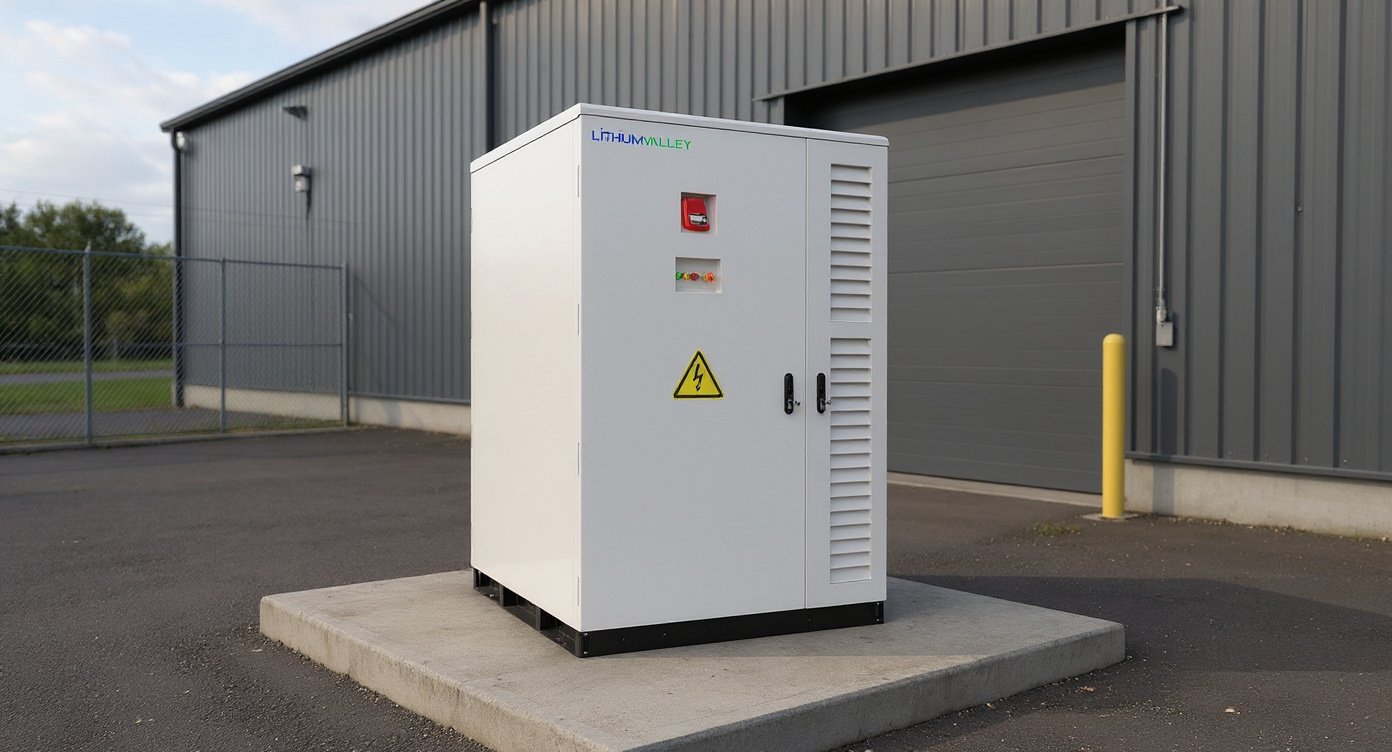
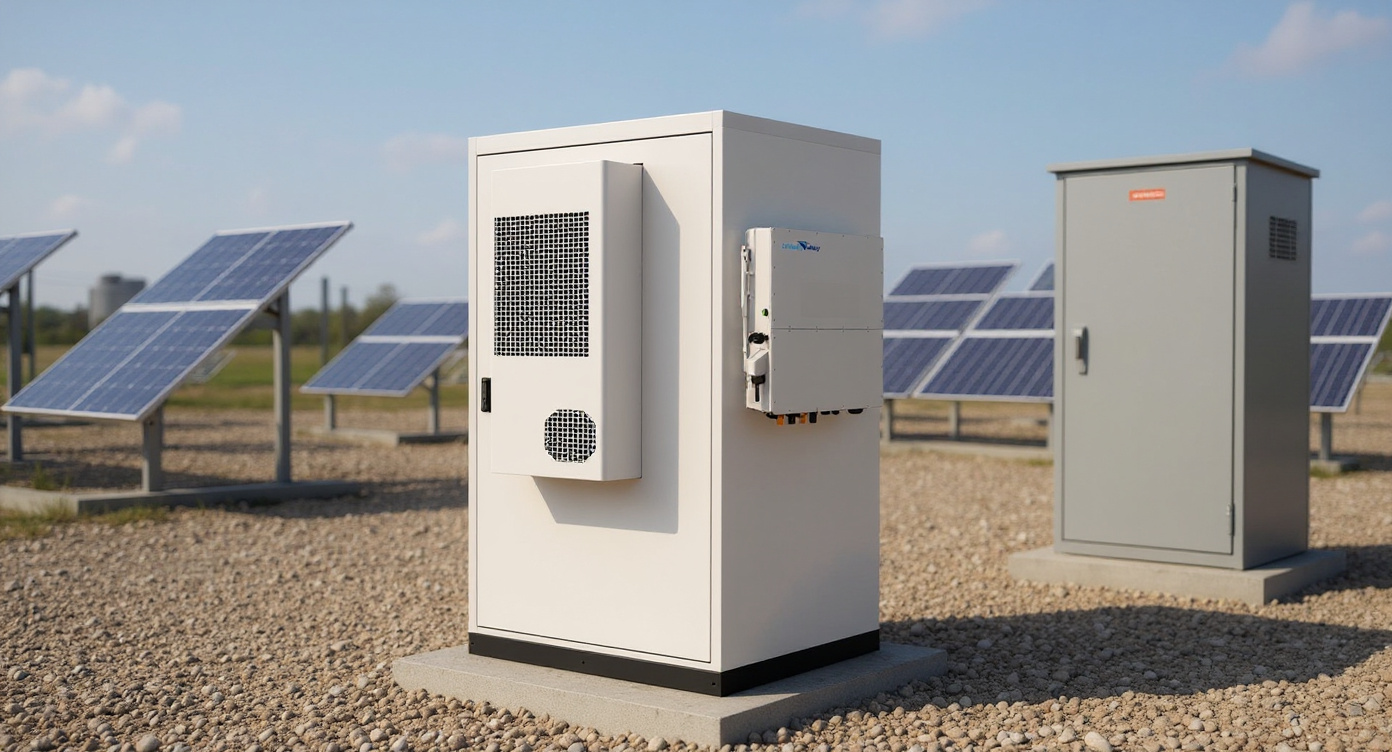
SafecubeA100A50PT capacity and voltage are easiest to understand if you split the system into two questions: how much energy it stores, and what electrical class it’s built around. The short answer is 100kWh nominal capacity with a 50kW inverter, and the product context points to a 48V-class architecture rather than a low-voltage rack style setup.
That matters because storage size, discharge power, and site voltage all affect what the cabinet can actually do on a commercial site. If you’re sizing for peak shaving, backup, or daily cycling, the usable kWh, auxiliary load, and protection requirements matter just as much as the nameplate number on the front.
What the 100kWh nameplate really means in daily use
A 100kWh label tells you the gross stored energy, not the amount you’ll always get back out. Real usable energy depends on depth of discharge limits, reserve settings, inverter losses, temperature, and any auxiliary loads the cabinet uses while it’s running.
For a system like the SafecubeA100A50PT, I’d treat 100kWh as the starting point for planning, not the number to use blindly in a payback sheet. If the site only needs a modest daily shift, even 80 to 90 kWh of usable energy can be enough. If the load is spiky or the dispatch window is short, the difference between nominal and usable energy gets noticed fast.
Three numbers are worth keeping straight:
1. 100kWh is the nominal energy rating.
2. 50kW is the inverter output rating.
3. At 50kW, a full 100kWh battery would last about 2 hours in a simple idealized discharge, before losses and reserve limits.
That last figure is only a rough planning number. In the real world, a battery that’s protecting a facility peak or handling a shifting load profile rarely sits at one constant output for two clean hours.
Why voltage matters more than most buyers expect
SafecubeA100A50PT capacity and voltage only make sense together. Capacity tells you how long it can run. Voltage tells you how the system is arranged electrically, what kind of integration it expects, and where the design sits relative to low-voltage cabinets.
The product context describes a 48V-class architecture. That’s a useful clue, because it usually points to a system built around battery packs and inverter integration that is not the same thing as a simple low-voltage rack battery. For the buyer, that means checking compatibility, protection coordination, and commissioning documents before you start comparing it to other cabinets on paper.
The main thing I’d press a supplier on is the actual operating voltage window, not just the nominal class. Ask for the battery voltage range, the inverter input range, and the conditions under which the system maintains its advertised power.
If you’re matching it to an existing electrical room, that voltage detail affects cable sizing, protection devices, and whether the site team needs a more careful interlock plan. That’s why the phrase SafecubeA100A50PT capacity and voltage comes up so often in real projects, because one without the other can lead to a bad fit.
50kW output versus 100kWh storage, and what that ratio tells you
A 50kW inverter on a 100kWh cabinet gives you a 0.5C power-to-energy ratio. In plain language, it’s not trying to be a fast-charge monster. It’s set up more like a steady commercial workhorse.
That ratio is useful for a few common site tasks:
| Site task | What the 50kW / 100kWh pairing suggests | What to verify |
|---|---|---|
| Peak shaving | Good fit for moderate demand spikes | Peak duration and recurrence |
| Backup support | Reasonable for short interruptions | Critical load size and transfer logic |
| Load shifting | Works if the shift window is not too long | Daily energy target |
| Solar smoothing | Can absorb short fluctuations | PV profile and control strategy |
| Frequency or dispatch support | Depends on control response and permissions | EMS behavior and grid rules |
I wouldn’t use it as a generic answer for every industrial load. If the site needs long-duration discharge at full power, a 100kWh system goes dry quickly. If the site only needs a brief shave during tariff peaks, the same cabinet can make a lot more sense.
This is where the trade-off shows up clearly: higher power is helpful, but only if the battery can support the duty cycle without chewing through too many cycles.
The site specs that decide whether this cabinet fits
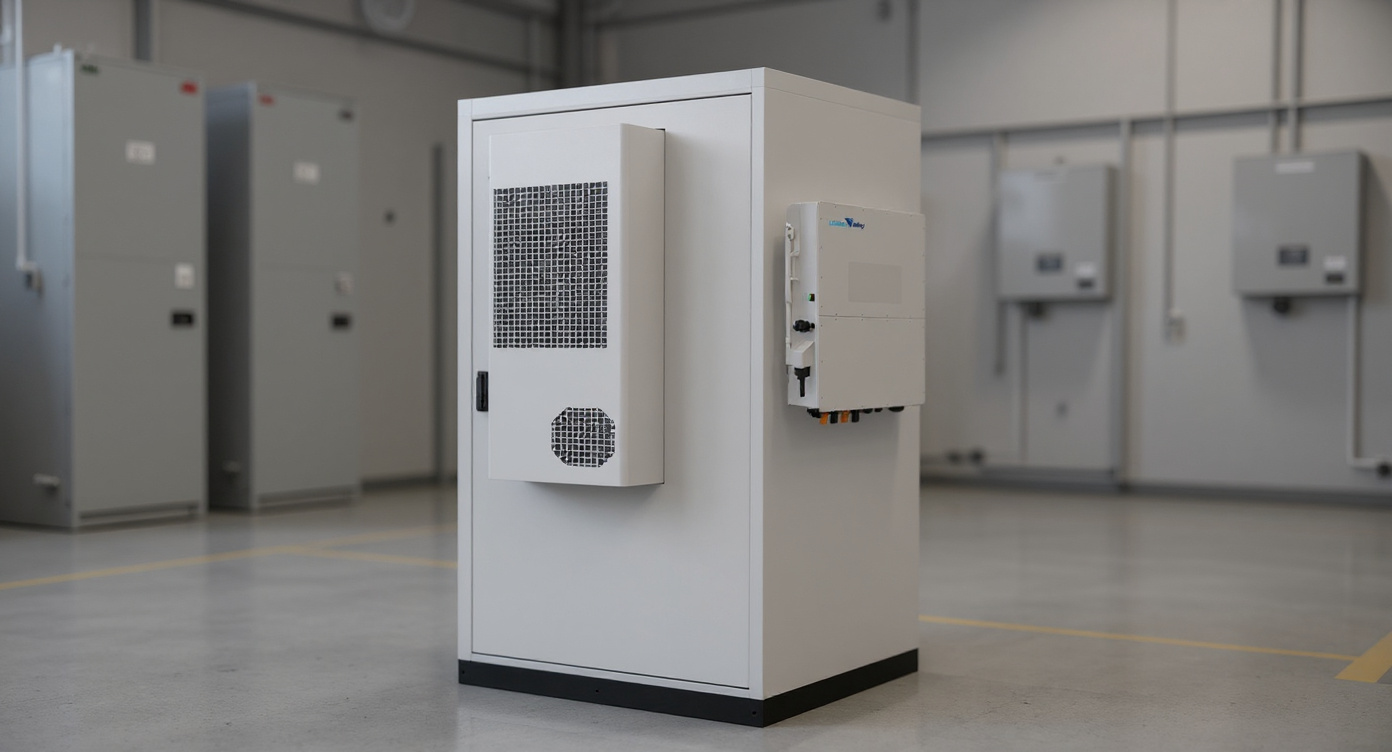
The buying mistake isn’t usually the battery chemistry. It’s the missing site data. Before anyone commits to a C&I cabinet, the electrical room and the protection plan need to be checked against the project load, not against a marketing sheet.
The U.S. Department of Energy’s battery energy storage procurement checklist is a good reminder that procurement should cover loads, duty cycle, site constraints, warranty terms, and service expectations before purchase. For safety and certification, UL’s guidance on energy storage system testing and certification and its explainer on UL 9540A and NFPA 855 are the sort of references buyers should ask suppliers to align with when fire performance and installation rules matter.
Here’s the short checklist I’d use:
1. Confirm the usable kWh, not just the nominal kWh.
2. Ask for the battery voltage range and inverter input range.
3. Get the auxiliary load figures, especially for air cooling and control electronics.
4. Request the cycle-test conditions behind the 8,000-cycle claim.
5. Verify IEC 62619 documentation and test reports.
6. Check whether the site requires external fire suppression, detection, or spacing changes.
7. Ask for the EMS and communications details, including LAN, CAN, and RS485 behavior.
The product context says the cabinet has LAN, CAN, and RS485 communications, plus cabinet and pack fire-suppression functions, which is useful, but it doesn’t replace site approval. A system can have built-in protection and still need site-level measures depending on local code, room layout, and utility requirements.
What the cycle claim and protection rating do and don’t tell you
The page mentions at least 8,000 cycles under stated test conditions. That sounds strong, but cycle count only becomes meaningful when you know the conditions behind it: depth of discharge, charge and discharge rate, temperature, and end-of-life threshold.
An 8,000-cycle figure can mean very different things in real use. At one dispatch profile, it may stretch over many years. At another, with deeper daily cycling and hotter ambient conditions, it will land very differently. Without the test details, you can’t translate that number into a clean financial model.
The IP54 protection rating also needs context. It tells you the enclosure has a certain level of dust and splash resistance, but it does not mean the system is weatherproof for every outdoor condition or exempt from installation rules. For a cabinet, IP54 is a useful baseline, not a free pass.
Fire suppression is another place where buyers get sloppy. Built-in cabinet and pack suppression functions are helpful, but site fire requirements still vary. Some projects will want additional detection, separation, or room-level suppression. Others won’t. Don’t guess. Ask the AHJ, the engineer, or whoever is signing off on the install.
How to compare this cabinet without getting lost in specs
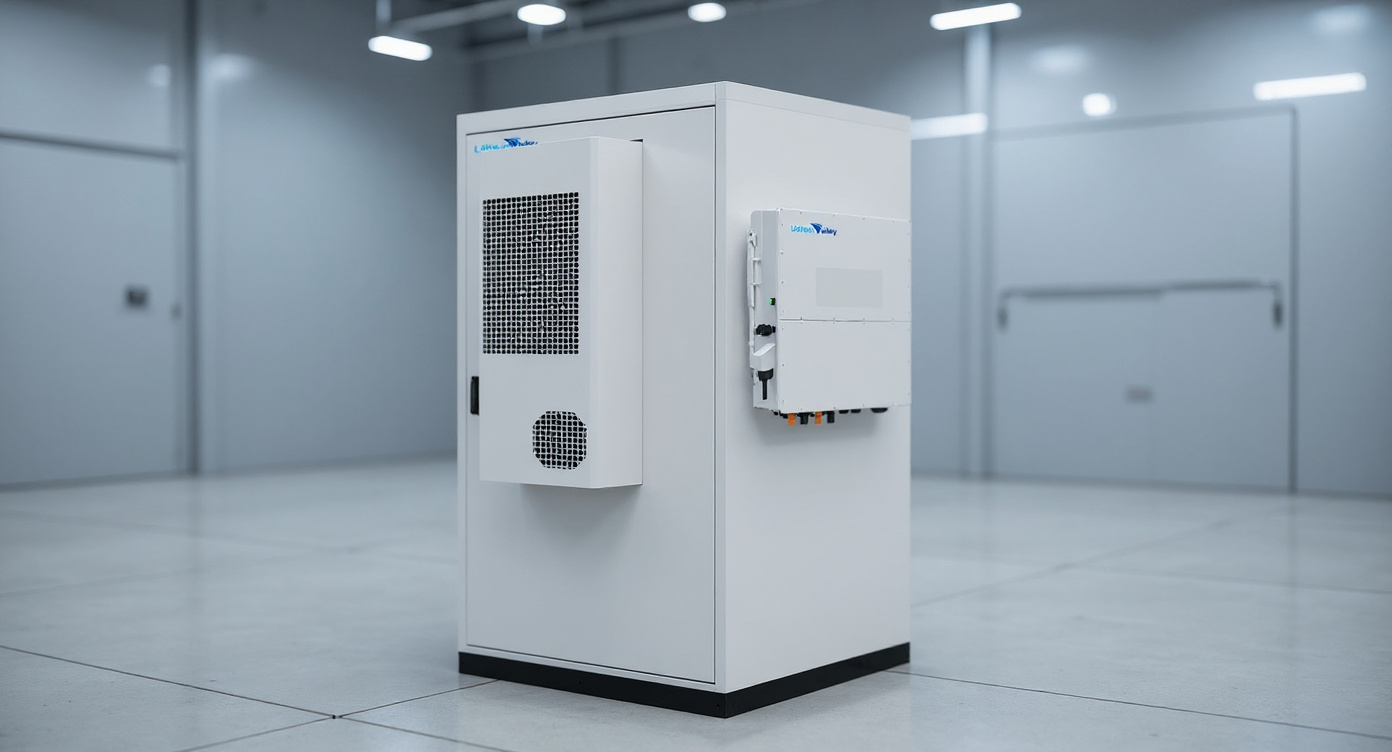
If you’re lining this up against another C&I battery cabinet, compare the things that affect actual operation, not brochure language. A lot of specs look similar until you start asking how long the battery stays in range, what happens in high heat, or how much energy is left after the system protects itself.
Use this quick comparison frame:
| Compare this | Why it matters | What to ask for |
|---|---|---|
| Nominal capacity | Tells you the headline size | 100kWh or other stated value |
| Usable capacity | Tells you the real deliverable energy | Usable kWh and reserve settings |
| Inverter power | Sets the max output | 50kW or other output rating |
| Voltage class | Affects integration and cabling | Nominal and operating voltage |
| Cycle rating | Affects service life | Test conditions and EOL definition |
| Protection and fire features | Affects installation scope | IP rating and suppression details |
One thing I would not buy on paper alone is any cabinet where the supplier won’t separate nominal energy from usable energy. That’s where a lot of buyer regret starts.
If you’re already filtering options, SafecubeA100A50PT capacity and voltage are the first numbers to pin down, but they’re only half the picture. The rest is site fit.
FAQ for buyers sizing a C&I battery cabinet
What is the usable capacity of SafecubeA100A50PT?
The product context gives 100kWh nominal capacity, but it does not state the usable kWh. You should ask for the usable figure, reserve settings, and the losses assumed in the calculation.
What voltage does SafecubeA100A50PT use?
The available product context points to a 48V-class architecture. Ask for the exact nominal battery voltage and the operating range before planning integration.
How long will a 100kWh battery last at 50kW?
In a simple idealized case, about 2 hours. Real runtime is usually lower once you account for reserve limits, conversion losses, and any auxiliary load.
Is SafecubeA100A50PT suitable for peak shaving?
It can be, if the site’s peak is short enough and the daily energy swing fits the 100kWh class. It’s a better match for moderate peaks than for long, deep discharge windows.
What does IP54 mean for a battery cabinet?
It means the enclosure has limited protection against dust ingress and water splashes. It does not mean the cabinet can ignore site conditions, drainage, or local installation rules.
How many cycles is 8,000 cycles in real use?
That depends on the test conditions. If a site cycles once per day, 8,000 cycles sounds like a long service window, but the real result depends on depth of discharge, temperature, and end-of-life criteria.
Does the system need fire suppression on site?
Maybe. The product context says the cabinet includes fire-suppression functions, but site requirements still depend on code, room layout, and the authority having jurisdiction.
What documents should I ask for before buying a C&I battery cabinet?
Ask for the usable energy calculation, voltage range, cycle-test conditions, IEC 62619 documentation, auxiliary load figures, communications details, and any fire or installation reports tied to the project.
The bottom line on the specs that actually matter
If your problem is figuring out whether the cabinet fits a real site, start with usable kWh, voltage range, and duty cycle. That’s where the decision gets honest. A 100kWh, 50kW system can be a sensible fit for a lot of commercial loads, but only when the operating window, cycling plan, and fire requirements line up with the building.
If you want the exact hardware and the stated spec set in one place, you can see SafecubeA100A50PT and compare it against your load profile, documentation checklist, and site rules before you go any further.