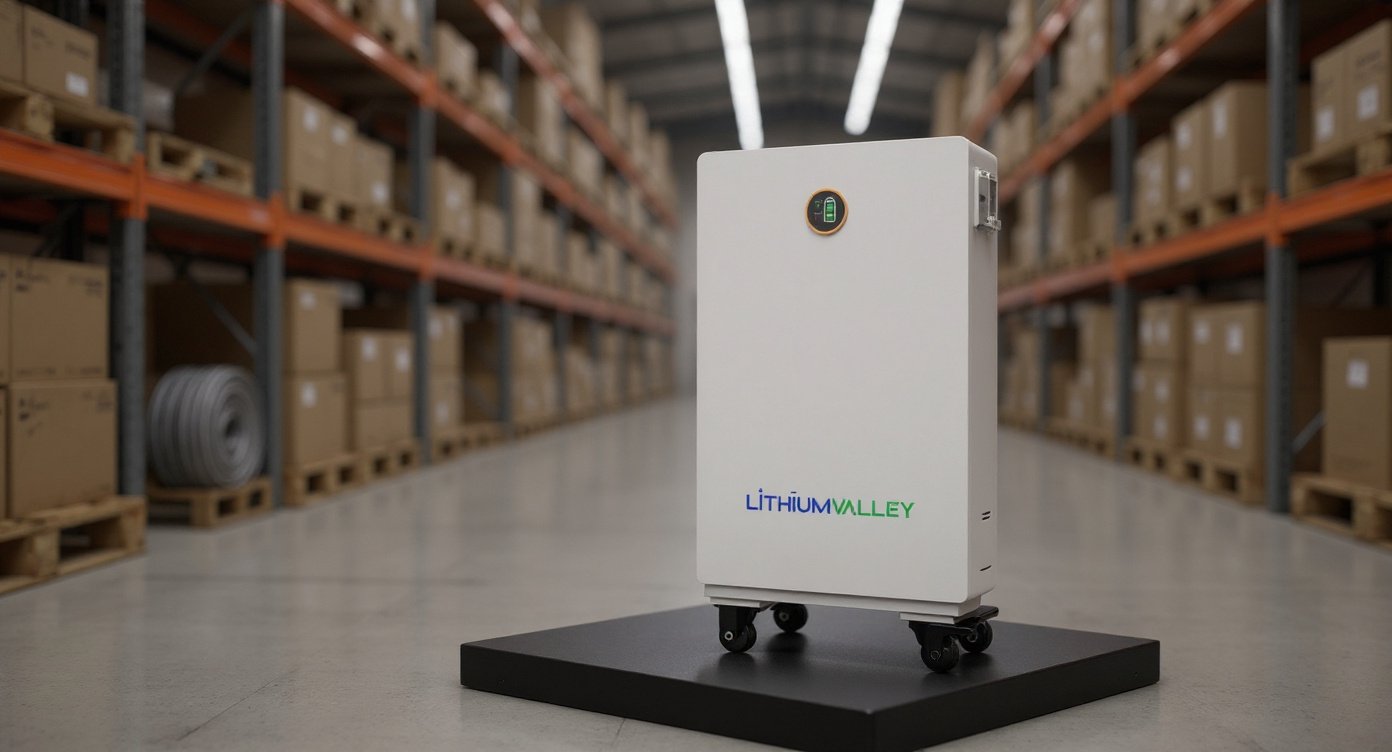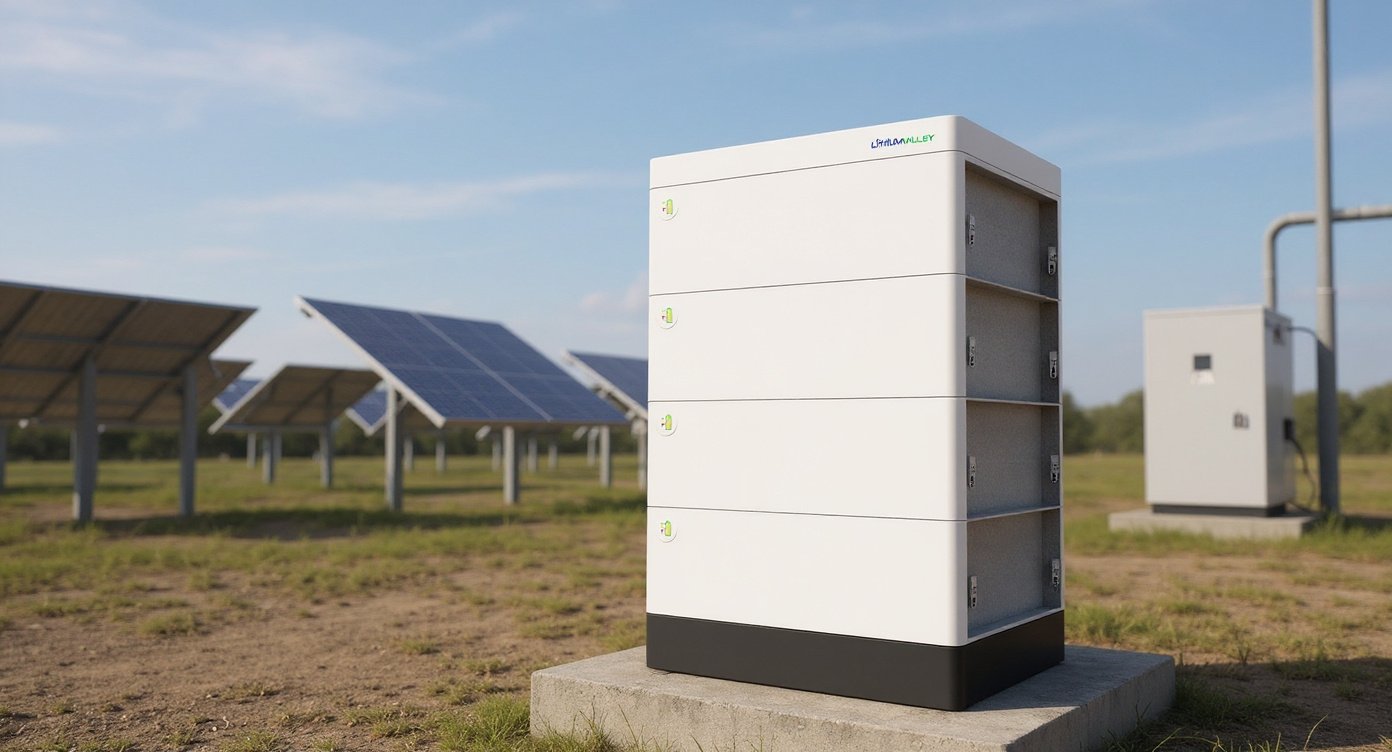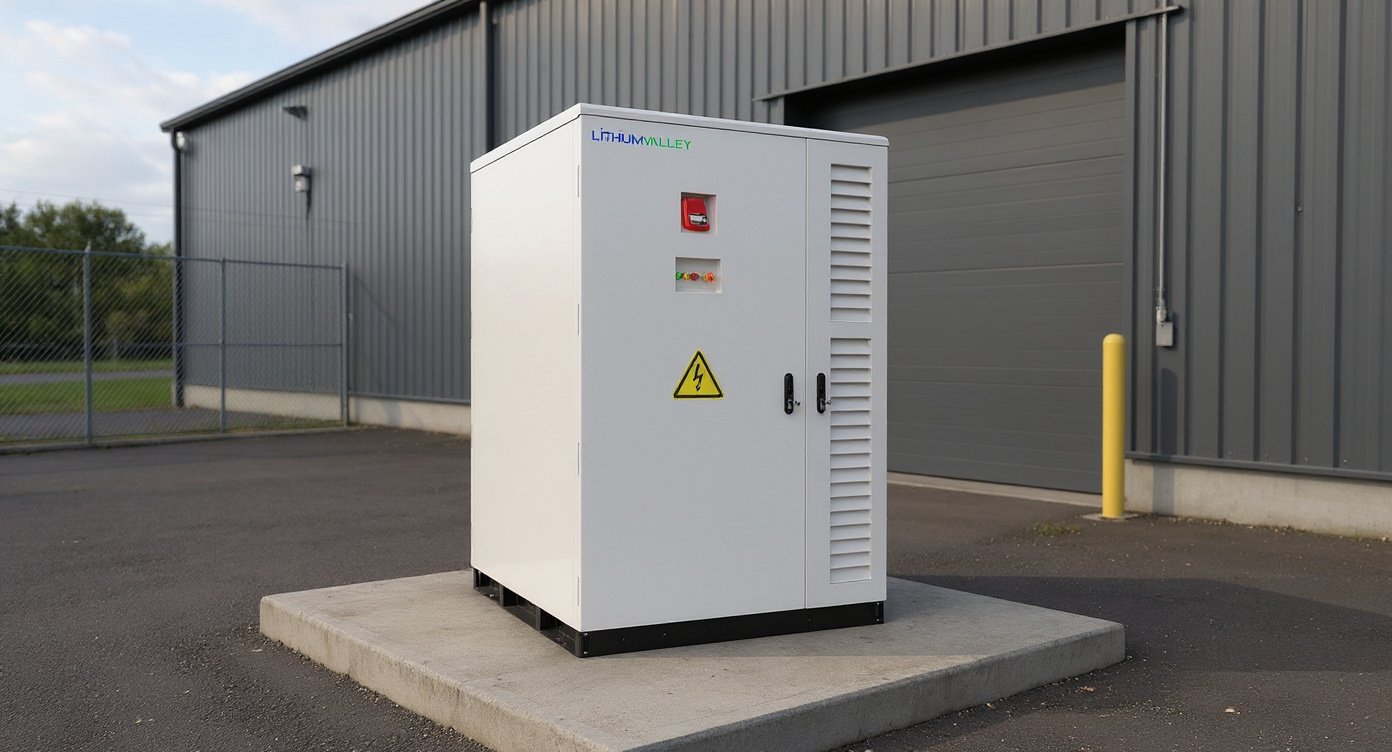
If you need power for a trailer, a small site, a pop-up retail setup, or a short outage, a mobile battery can beat a generator on noise, fumes, and setup time. For the exact Mobile Energy Storage System (LV-MAST-T12K-A), the headline numbers are straightforward: 12kW output, 15kWh battery capacity, LiFePO4 cells, BMS protection. Good fit for bursty loads. Not a forever machine.
I’ve seen this category from both sides, as a buyer and as the person who had to explain why a unit that looked fine on paper failed the job. That happens a lot. The mistake is usually runtime math. People buy the battery size they like, not the load they have.
One more honest point. If you live in a humid coastal climate and plan to leave a mobile battery outside for months, I’d think twice. Corrosion and connector wear will get you before the battery chemistry does. That part gets skipped in sales calls. It shouldn’t.
What this unit replaces on site
This is usually not a battery versus nothing decision. It’s battery versus generator, long extension runs, or waiting on utility work. Different pain, different cost.
A wheeled commercial battery system makes sense when you need:
– short-run backup for a cash register, modem, lights, and a fridge,
– quiet power for a crew working near customers,
– a clean source for chargers and electronics,
– temporary support before permanent service is live,
– a buffer for spikes when the main supply is weak.
It does not make sense when you need fuel-like endurance. A 15kWh pack is not a diesel tank in disguise. It won’t sit there all day feeding a big compressor, and it won’t forgive bad load planning.
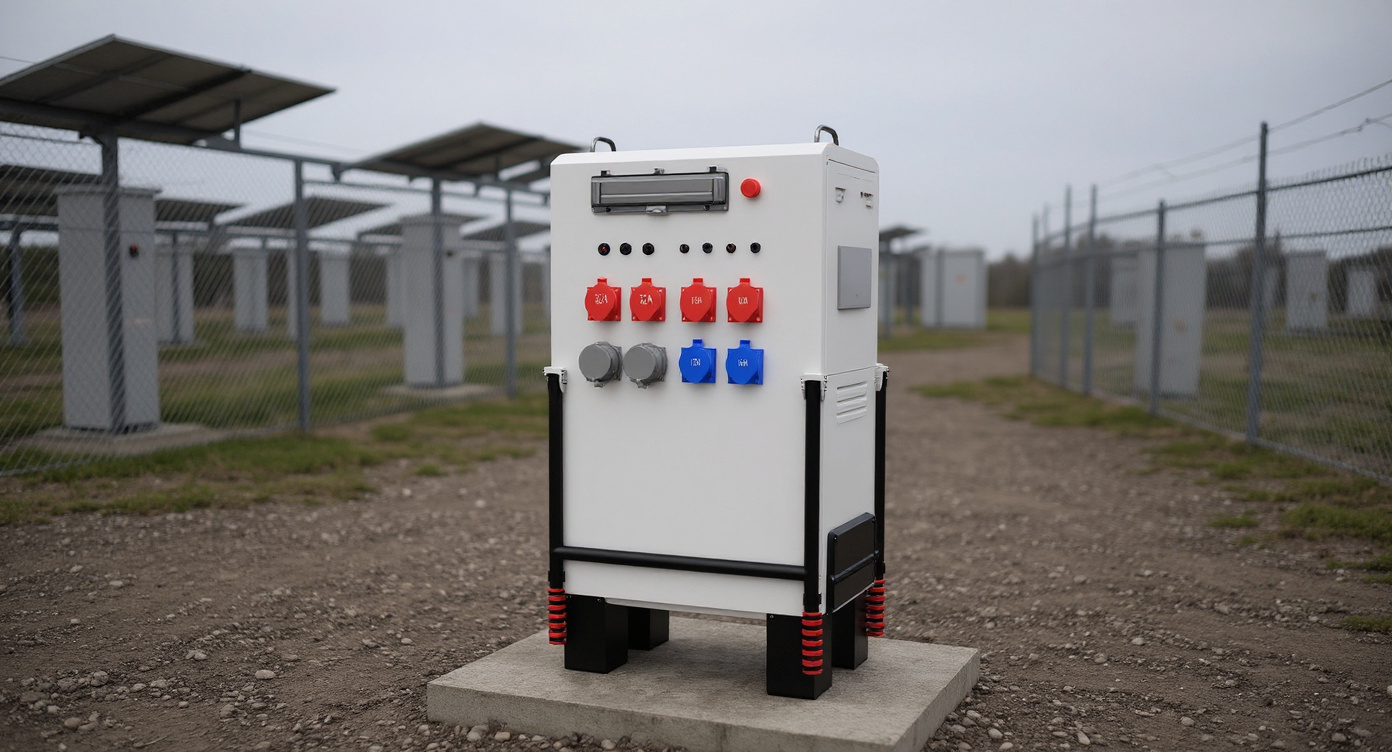
Quick spec comparison
| Item | LV-MAST-T12K-A | Why it matters |
|---|---|---|
| Output power | 12kW | Maximum load it can support at once |
| Battery capacity | 15kWh | Sets runtime, not peak load |
| Cell chemistry | LiFePO4 | Good fit for cycle life and thermal stability |
| Protection | BMS protection | Helps manage charge, discharge, and faults |
| Mobility | Wheeled enclosure | Easier job-to-job movement |
| Use case | Temporary commercial power | Not a whole-building permanent system |
Here’s the math people actually need. At a 3kW average draw, 15kWh is about 5 hours before inverter loss, reserve, and real-world variation. At 6kW, you’re closer to 2.5 hours. If your load swings up and down, the usable time changes. Fast.
Where battery beats generator, and where it doesn’t
Battery wins when the job is quiet, indoors, or customer-facing. It also wins when fuel handling is annoying, forbidden, or just not worth the mess. No exhaust. No refills. No cold starts.
Generator wins when runtime is open-ended, loads stay high for hours, or you need to refuel in minutes and keep going. Simple. Heavy. Familiar.
I’ve watched people buy a battery to avoid generator noise, then discover their actual problem was a 9-hour load. Wrong tool. Nice tool, wrong tool. That happens more than vendors admit.
If you want a clean rule, use battery for bursts and generator for endurance. Use both when you want the battery to handle peaks and the generator to carry the long tail.
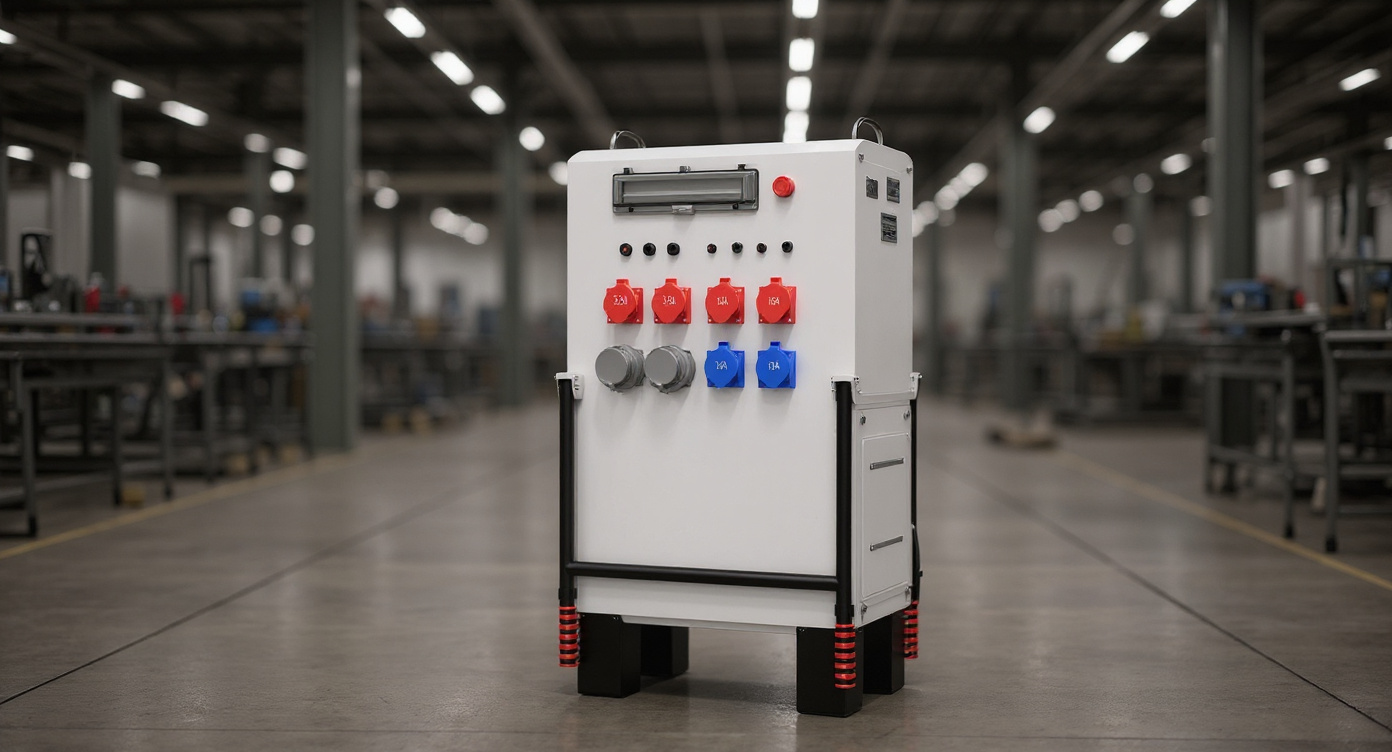
What to confirm before you buy
Don’t stop at “12kW” and “15kWh.” That’s the trap.
1. Confirm output voltage and phase, because your gear has to match the unit.
2. Ask for surge power, since motors and compressors can change the whole picture.
3. Check charging inputs, grid or generator, before you assume recharge is simple.
4. Verify the enclosure rating for dust, rain, and storage conditions.
5. Ask whether EV charging is supported, and in what configuration.
6. Request the BMS details, not just the phrase “battery management.”
For procurement and service planning, the DOE’s battery energy storage procurement checklist is useful because it forces you to check load profile, warranty terms, safety, and maintenance access before you sign anything.
UL’s page on energy storage system testing and certification is also worth reading. Cell claims are one thing. System testing is another. Bigger difference than most buyers think.
And if you want a broader layout of how this product class fits in our catalog, see our mobile energy storage overview and the mobile battery sizing guide.
Common use cases, with the trade-offs spelled out
Construction backup is the obvious one. A trailer, some lights, chargers, maybe a small tool load. If the site has compressors, saws, or pumps, the surge number matters more than the brochure photo. Always.
Temporary retail or event power is another good fit. Quiet matters there. So does indoor use. Nobody wants diesel exhaust drifting through a checkout line.
For emergency backup, this type of system works best when the outage is short and the critical load is small. Server rack, router, medical device, point-of-sale gear, lights. If you’re trying to run central air for half a day, stop. That is not the same conversation.
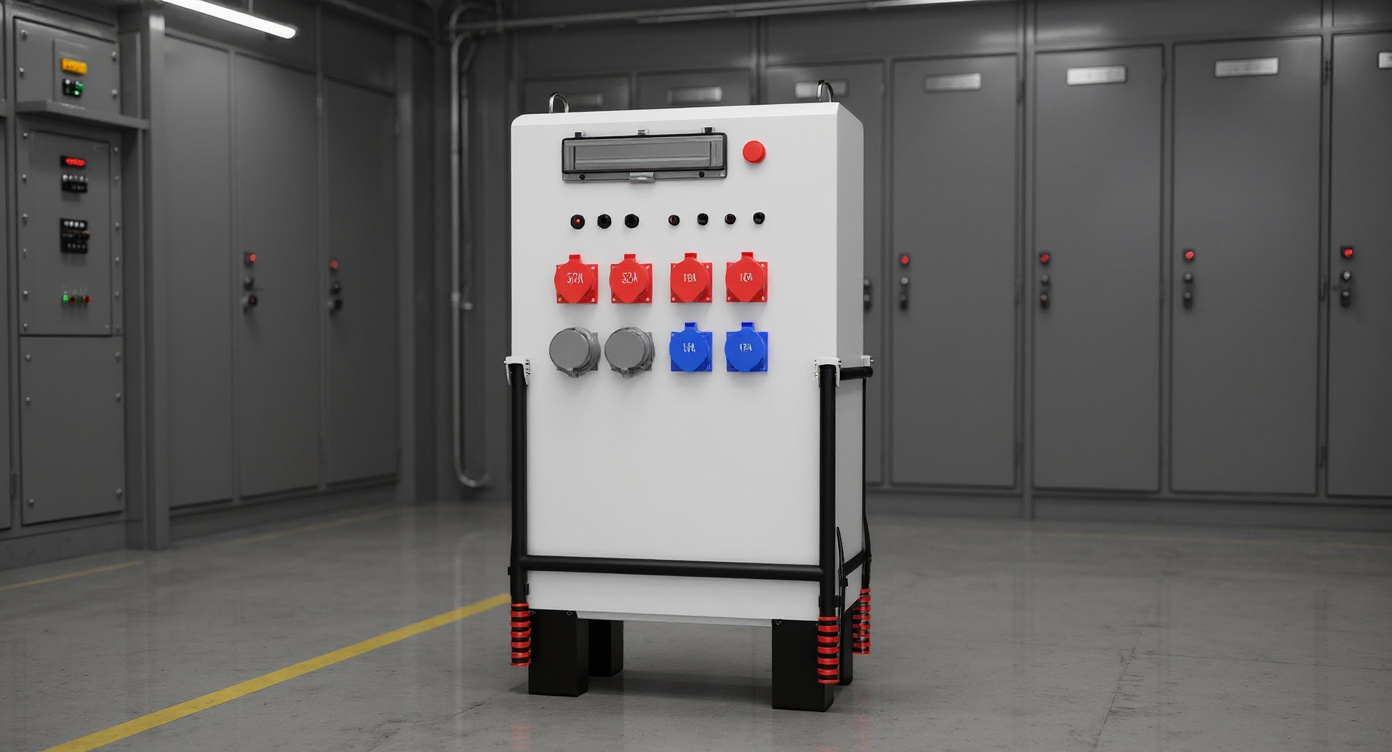
Sizing it the right way
Start with the load. Not the battery.
1. List only what must stay on.
2. Use running watts, not wishful nameplate numbers.
3. Add startup surge for motors, compressors, and pumps.
4. Set the runtime you actually need.
5. Leave room for inverter losses and battery reserve.
A 12kW system can cover a lot of temporary commercial work, but not every tool set. If your equipment has large inductive starts, the surge spec is the first number I’d ask for. Not the second. The first.
For EV charging, don’t guess. You need the approved charger configuration and the allowed demand. Without that, nobody should promise a clean fit.
A few real-world comparisons
| Option | Typical upfront price | Good for | Weak point |
|---|---|---|---|
| LV-MAST-T12K-A class mobile battery | quote-based | Quiet short-run commercial power | Limited runtime |
| Small open-frame diesel generator | $800 to $2,500 | Long runtime, easy refuel | Noise, fumes, maintenance |
| Larger towable generator | $4,000 to $12,000 | Heavy loads, long days | Fuel burn, weight, storage |
| Fixed cabinet battery system | $8,000 to $20,000+ | Permanent site backup | Not portable |
That price spread is why this category gets misunderstood. A battery can look expensive until you price permits, exhaust issues, fuel logistics, and the labor to move a generator around a tight site. Then it starts to make sense.
Still, there’s no free lunch. If you need 12 hours of steady output, the generator probably wins on cost. If you need clean power for 2 to 5 hours and you care about indoor deployment, the battery starts looking better.
FAQ
Can I use this without solar?
Yes. Solar is not required. Charging can come from other sources, but the exact input options need to be confirmed for the unit you’re buying.
How long will 15kWh last?
At 3kW average load, about 5 hours in simple math. At 6kW, about 2.5 hours. Real use is lower once losses and reserve limits are included.
Can it run a whole office?
Sometimes. A small office with lights, networking gear, and a few computers can fit. Central HVAC, kitchen equipment, and high startup loads can break the plan fast.
Is LiFePO4 better than other lithium chemistries here?
For this use, usually yes. It’s a sensible fit for cycle life and thermal stability. It’s not the cheapest chemistry. Worth the trade-off in a commercial unit.
Can it replace a generator for construction?
Only for some jobs. Light tools, chargers, and short shifts, yes. Heavy continuous loads, no.
Can this type of unit charge EVs?
Sometimes, but only if the approved EV charging configuration is confirmed. Don’t assume any mobile battery can feed any charger.
What size mobile battery do I need for backup power?
Match the peak load, surge demand, and runtime target first. Then size the battery. That order matters.
Is battery storage cheaper than a generator?
Not always. It can be cheaper when noise, indoor use, and partial-load operation matter. It can be more expensive when you need long runtime and easy refueling.
How much maintenance does it need?
Less than a fuel generator. But not zero. You still need connector checks, storage care, and inspection of wheels, cables, and the enclosure.
What should I ask the vendor before ordering?
Ask for output voltage, surge rating, input charging methods, enclosure rating, and service documentation. If they dodge those questions, walk away.
Will it work in cold weather?
Maybe, depending on the system controls and the charging limits. Batteries hate bad temperature management. That’s not a small detail.
Bottom line
If your need is short-duration commercial power with mobility, low noise, and less hassle than a fuel set, the LV-MAST-T12K-A belongs on the shortlist. If your need is all-day endurance or huge surge headroom, I wouldn’t force a battery into that role.
For buyers comparing options, start with the real load, not the product headline. Then compare with our mobile battery sizing guide and the broader mobile energy storage overview. The right answer is usually boring. Boring is good.