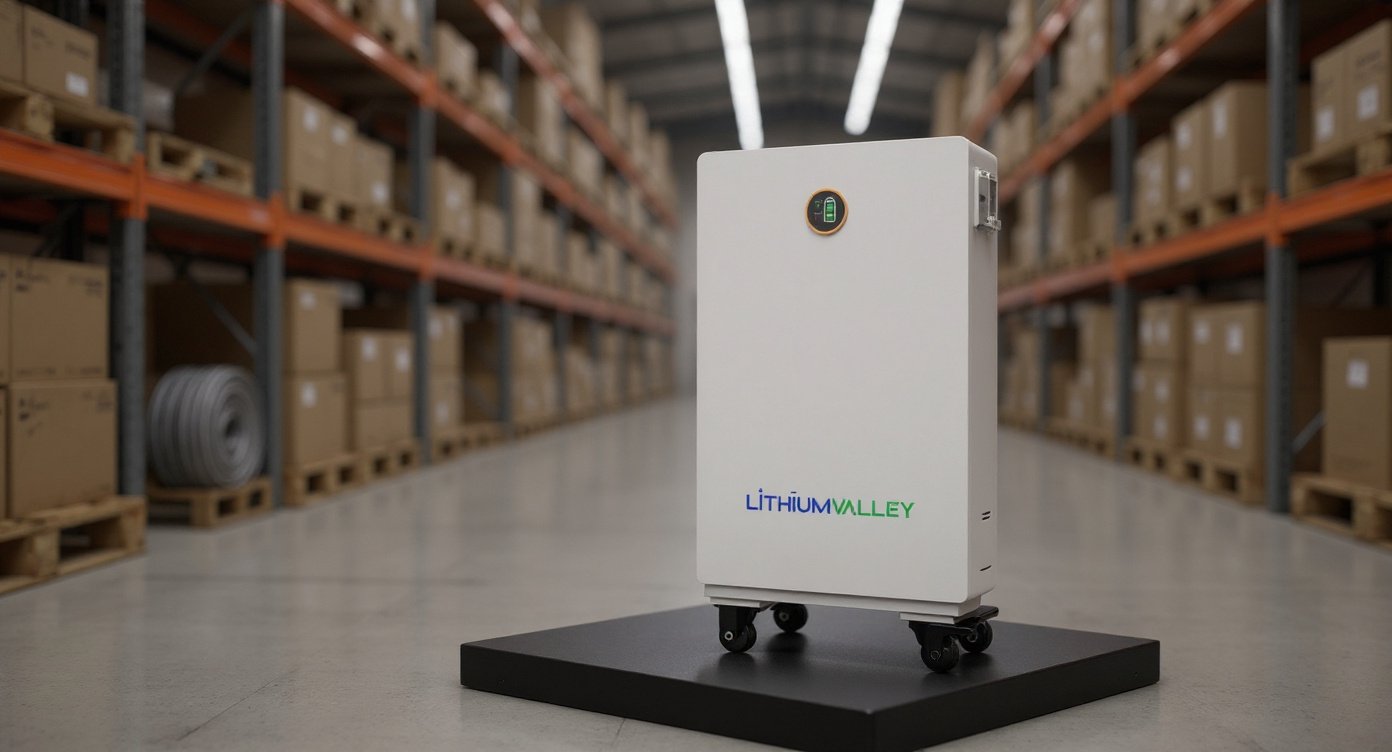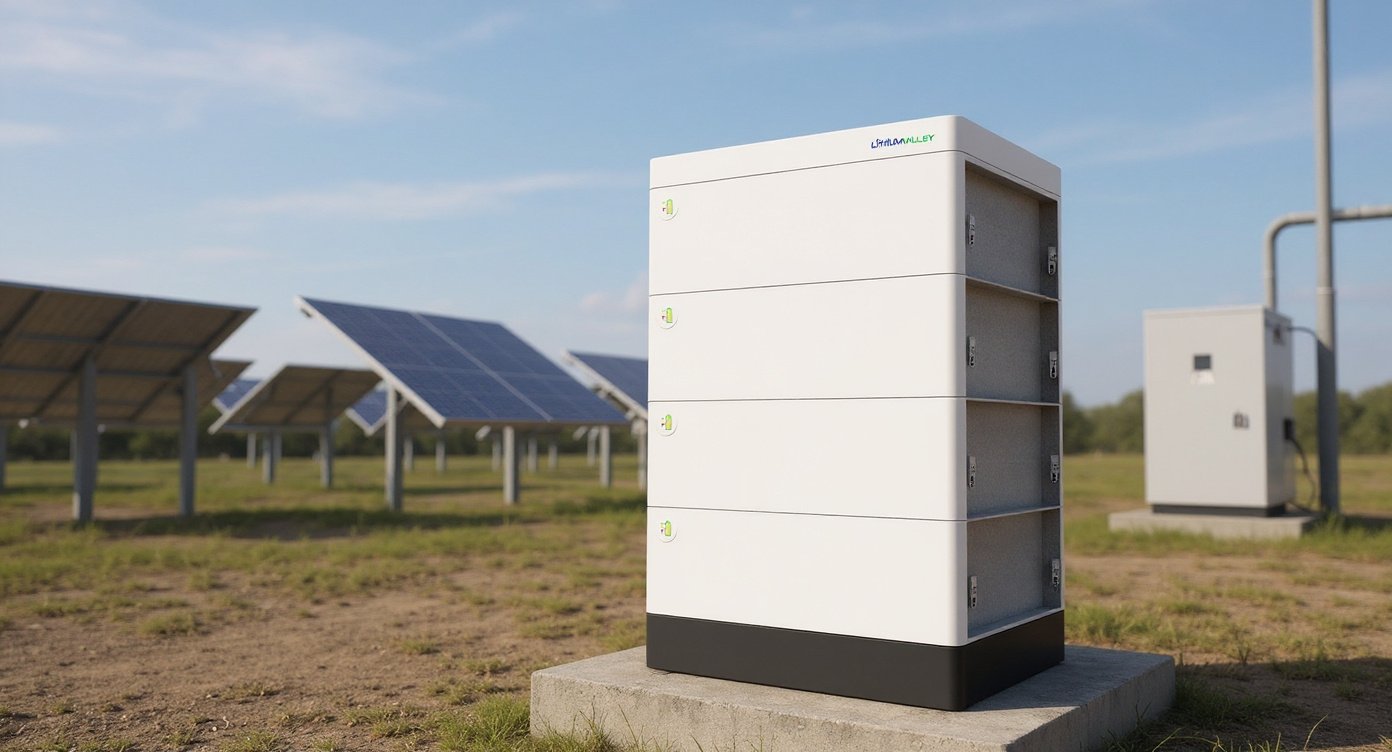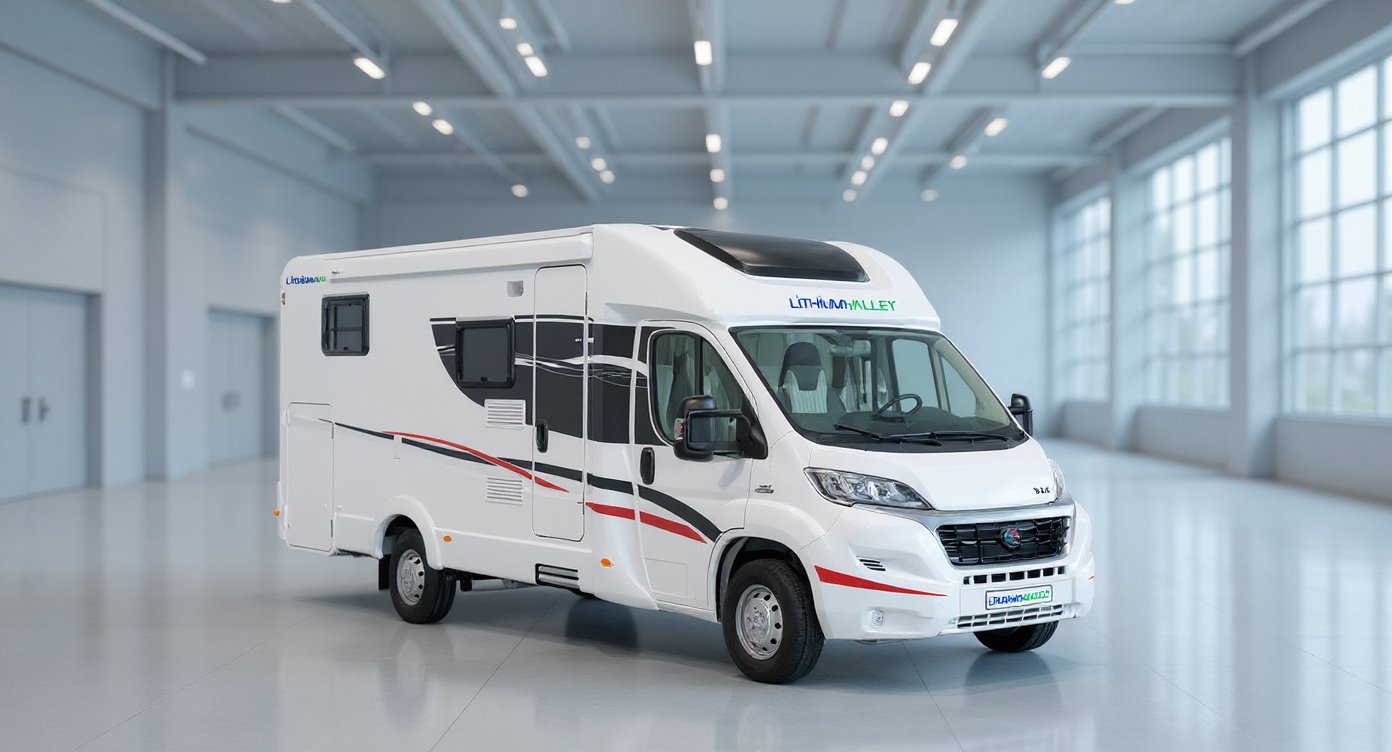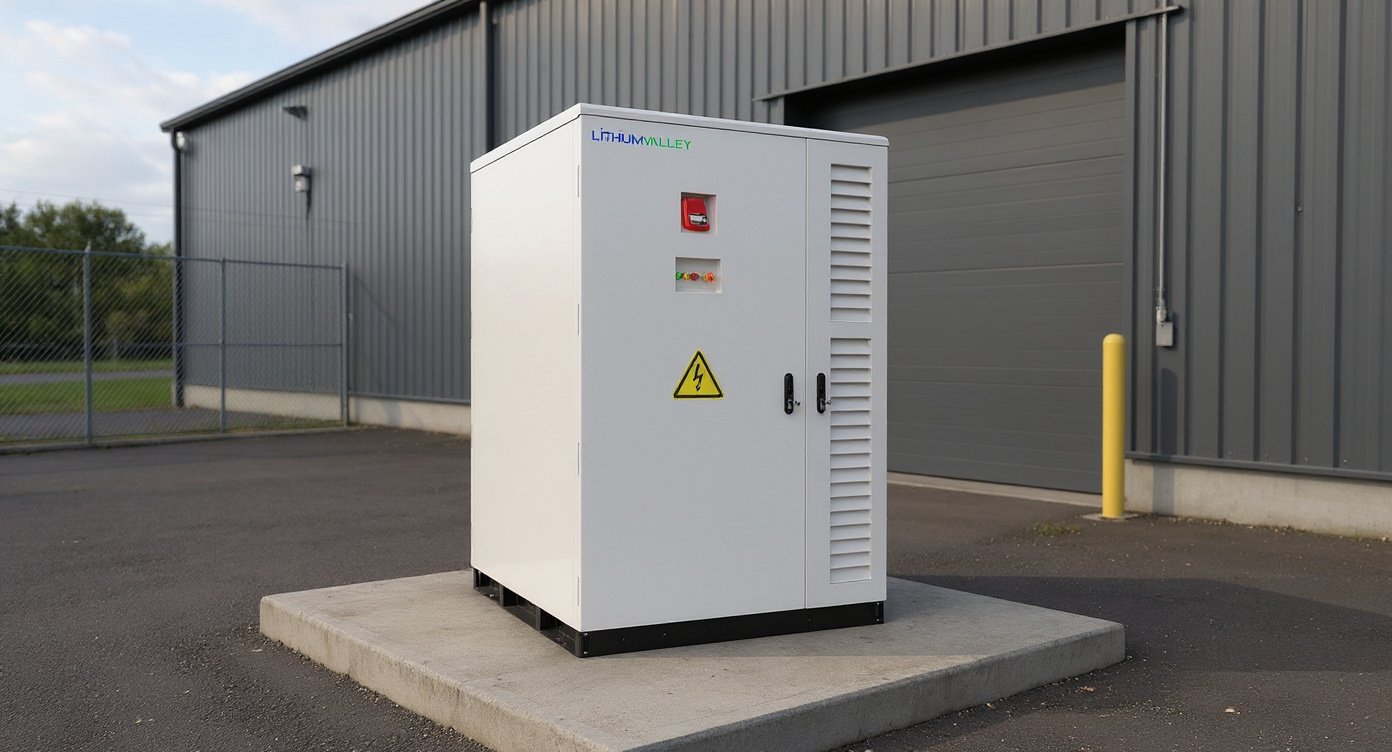
Portable commercial energy storage pays off when you need power to move, start fast, or bridge a gap that the grid can’t cover on schedule. It’s a bad fit for a fixed, low-variation load with cheap utility service, but it makes sense when timing, mobility, or backup speed matter more than permanent infrastructure.
Where portable systems beat a permanent install
The first question isn’t capacity. It’s access. If the load lives at a temporary site, changes location, or can’t wait for a utility upgrade, a mobile battery can be the cleaner option.
That’s the niche here, and it’s narrower than people assume. A trailer-based or containerized system earns its keep when one of these is true:
1. the site has no practical grid connection yet,
2. the load moves from job to job,
3. backup has to be deployable in hours, not months,
4. diesel runtime is costing too much,
5. you need to smooth intermittent PV, wind, or generator output.
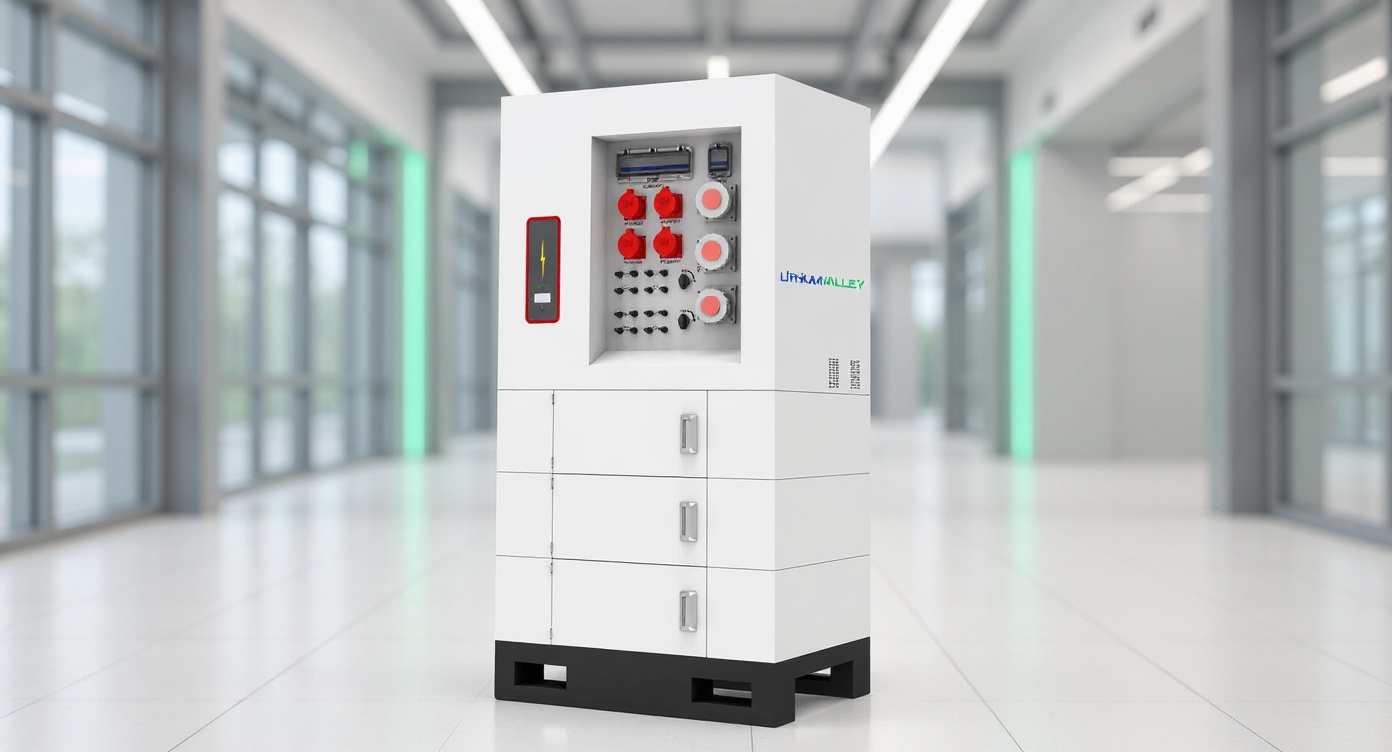
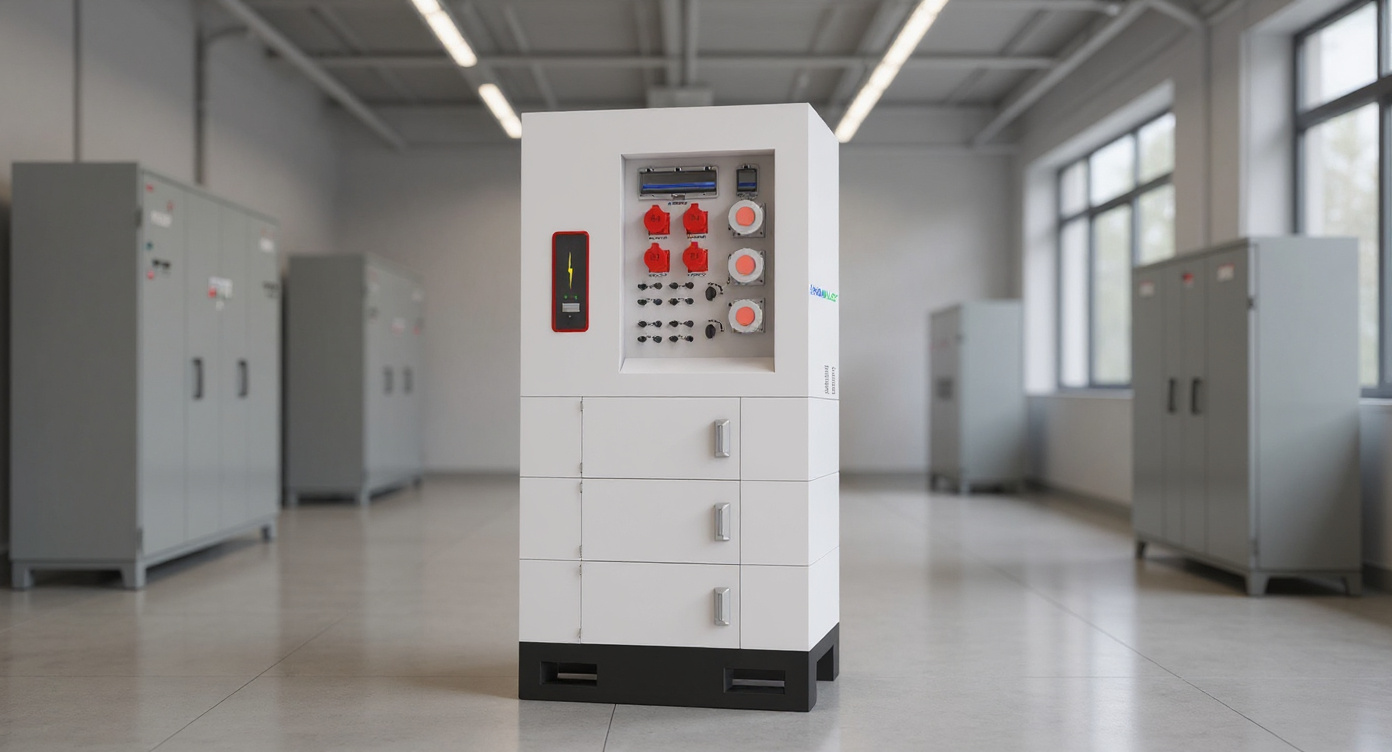
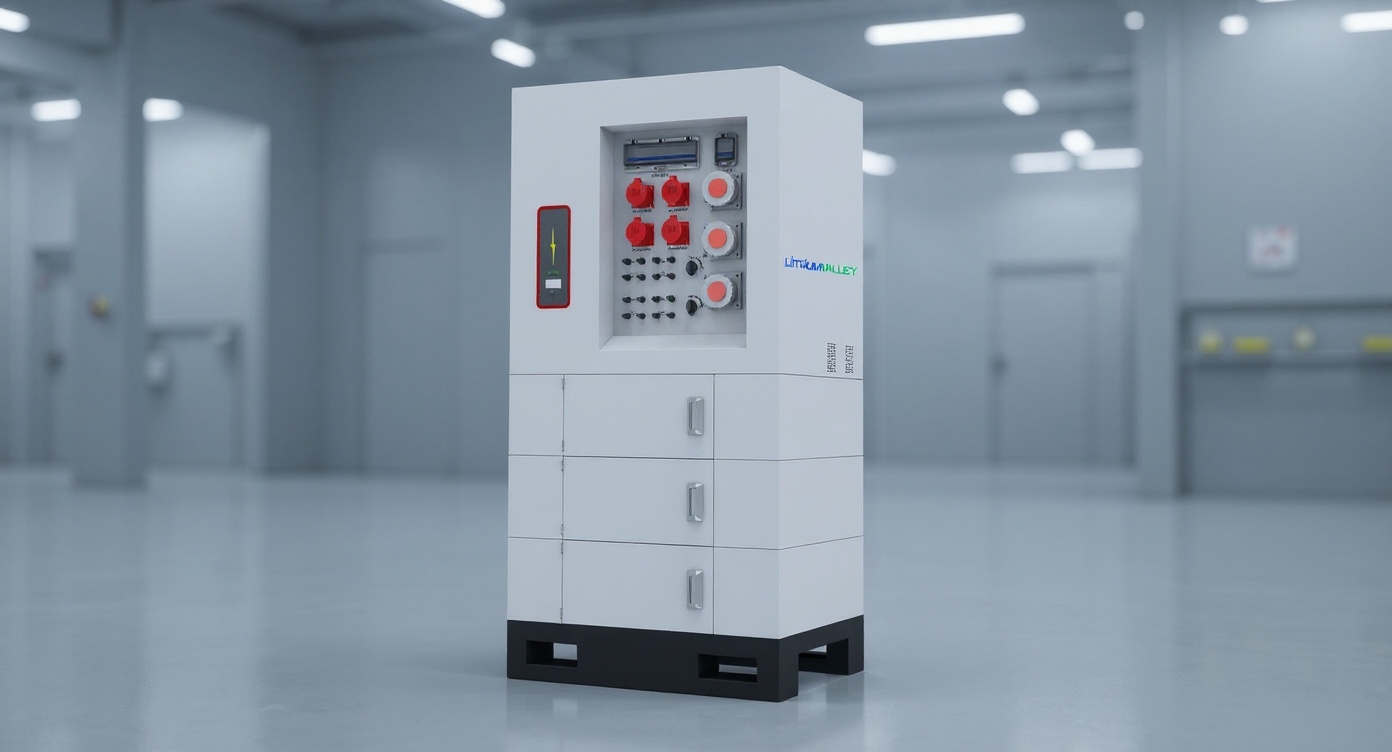
The current Mobile Energy Storage System is aimed at temporary and distributed power use, with capacity options from 20kWh to 100kWh and acoustic output below 60dB. Those two details matter more than a lot of glossy marketing claims. Quiet operation and modular sizing are what make a system usable near people and variable loads.
Portable commercial energy storage is most useful when the project is messy. Fixed battery rooms work when the site is stable. Mobile storage works when the site is not.
The buying math: when the battery pays for itself
Payback usually comes from avoided diesel, avoided downtime, or avoided capex on temporary electrical infrastructure. If the battery only sits there as backup for a site with reliable utility service, the math gets harder fast.
Here’s the basic test I’d use before signing anything:
| Project condition | Mobile battery is more likely to pay off | Mobile battery is less likely to pay off |
|---|---|---|
| Site duration | Weeks to months | Many years in one place |
| Grid access | Limited or delayed | Easy and cheap |
| Load profile | Spiky, moving, or intermittent | Flat and predictable |
| Fuel use | Frequent generator runtime | Rare outage-only use |
| Deployment speed | Needs fast start | Can wait for permanent buildout |
The purchase decision also depends on power rating, connector set, mobility configuration, environmental rating, and project-specific safety requirements, all of which should be confirmed before pricing. That’s the kind of checklist that keeps a quote useful instead of decorative. The DOE procurement checklist for battery energy storage systems is a decent starting point for the boring-but-critical questions.
A system in this category is more likely to pay off when you can point to a real cost it avoids. If the site is burning diesel, paying for standby generators, or losing production during changeovers, the battery has a job. If not, it’s just an expensive box.
Why the 20kWh to 100kWh range matters more than the brochure copy
Capacity range tells you whether the system is aimed at small backup blocks or longer duty cycles. A 20kWh unit and a 100kWh unit do not solve the same problem, even if they share the same enclosure style or control architecture.
The product page calls out capacity options from 20kWh to 100kWh and acoustic output below 60dB. That combination points to a system meant for real deployment near people, not just a lab demo. The support for PV, diesel, and wind inputs also matters, because hybrid sites rarely run on one source alone.
By the end of this section, the Mobile Energy Storage System should already be on your shortlist if your load is temporary, distributed, or tied to a mixed-generation setup.
Here’s the practical way to think about sizing:
– 20kWh is the kind of capacity you look at for short bridging, small site loads, or tight backup windows.
– Mid-range capacities fit mixed loads where the battery has to ride through generator switching or absorb intermittent input.
– 100kWh starts to make sense when the project needs longer runtime, more buffer, or more aggressive load shifting.
– If the load is highly variable, oversizing a little can be cheaper than underbuilding and running out of headroom.
– If runtime is the real constraint, don’t guess. Match capacity to actual duty cycle.
A quick note on noise: below 60dB is much easier to place near occupied sites than a loud generator stack, but you still have to check local rules and the site’s own limits. Quiet doesn’t mean exempt.
What to check before you request a quote
This is the part people skip, and it’s where bad buys happen. A mobile battery is only as useful as its integration details.
1. Confirm the power rating in the exact configuration you need, not the marketing headline.
2. Ask which connectors are included and whether adapters are part of the package.
3. Verify how the unit moves, whether it’s trailer-mounted, skid-mounted, or otherwise configured for transport.
4. Check the environmental rating for dust, rain, heat, and storage conditions.
5. Ask for the safety package in writing, including protections, shutdown behavior, and site requirements.
6. Match the charging and source inputs to your actual site, especially if you’re mixing PV, diesel, or wind.
7. Get the operating window in plain language, not just a spec sheet full of abbreviations.
That last point matters because portable commercial energy storage often lives in temporary conditions, and temporary conditions are rough on batteries. Heat, partial charging, frequent movement, and uneven loads all change what “usable” really means.
For safety and certification questions, it’s worth checking UL’s energy storage system testing and certification guidance and the UL 9540A and NFPA 855 overview. Those standards won’t tell you whether a project pencils out, but they help you ask better questions before hardware shows up on site.
How to compare mobile batteries, generators, and fixed BESS
A lot of buying mistakes come from comparing the wrong things. A generator is cheap to start but expensive to run. A fixed battery room can be efficient, but it isn’t always practical. A mobile system sits in the middle and earns its place by being deployable.
| Option | Best at | Weak spot |
|---|---|---|
| Diesel generator | Immediate backup power | Fuel, noise, emissions, runtime cost |
| Fixed BESS | Long-term site integration | Civil work, lead time, permanence |
| Mobile battery system | Temporary, distributed, fast deployment | Usually not the cheapest fixed installation |
If the site changes every few months, the mobility advantage is real. If the load never moves and the utility connection is stable, a fixed installation often makes more sense. That’s why portable commercial energy storage is a specific tool, not a universal answer.
The product’s modular range, from 20kWh to 100kWh, gives it more room than a one-size unit. That matters when the same owner has different job sites or mixed backup needs.
FAQs buyers ask before they commit
1. How long will a 20kWh battery last?
It depends on the load. A 20kWh battery can last a long time on a light load and disappear quickly on a heavy one. Real runtime depends on usable capacity, inverter losses, temperature, and how hard the site is pulling.
2. What is the cheapest way to store energy?
The cheapest option depends on whether you mean upfront cost, cycle cost, or installed cost. For a stationary site, the cheapest path is often the one that matches the load without extra civil work. For temporary sites, diesel may look cheaper at first and cost more over time.
3. Why are people against BESS?
Usually because of safety concerns, permitting complexity, fire risk questions, noise, or the fear of buying the wrong size. A lot of the pushback is really about poor planning and weak documentation.
4. How much does a 1 MW BESS cost?
It varies by configuration, duration, containerization, safety package, and integration scope. Quote only. Power alone doesn’t tell you enough.
5. Battery storage without solar panels, does that make sense?
Yes, if the goal is backup, peak shaving, load shifting, or generator reduction. Solar is helpful, but it isn’t required for storage to have value.
6. Solar and energy storage batteries, where should that discussion happen?
Start with the actual load profile, then look at source mix, runtime, and site constraints. The right conversation is about how the battery will be charged and what problem it’s solving.
7. Can a $1500 battery replace a Powerwall?
Not as a straight comparison. A low-cost battery may store energy, but it usually won’t match a whole-home system’s controls, installation scope, or supported behavior. Specs and integration decide that, not sticker price.
So is it worth it?
It’s more likely to pay off when the site is temporary, the load is moving, or backup needs to show up fast. It’s a weaker buy when you’re just chasing the lowest upfront number and the power never leaves one place.
If you’re trying to keep a project running without overbuilding permanent infrastructure, the Mobile Energy Storage System is the kind of unit to look at first. Browse our Mobile Energy Storage System when you’re ready to compare capacity, mobility, and site fit against your actual load, not a guess.