By Daniel Wu, founder of a small power systems supply shop. I’ve spent 9 years quoting battery cabinets, inverters, and containerized storage packages for factories, farms, and ugly temporary sites where the ground turns to soup after rain.
Executive summary
– A Containerized Commercial & Industrial ESS makes the most sense when you need fast deployment, outdoor installation, backup capability, or the option to relocate the system later.
– The container itself is not the product. The controls, PCS, battery chemistry, transfer logic, thermal management, and protection design decide whether the project works.
– Most bad C&I ESS purchases happen because the buyer sizes for kWh first and operating mode second. Backwards.
– If your site only needs 3 to 5 minutes of ride-through for a PLC line or a server rack, skip a container and price a UPS first. Honestly. Most articles won’t say that.
– For safety and permitting, ask for documentation tied to UL 9540, UL 9540A, NFPA 855, and the local fire code before you get attached to any rendering or quote.
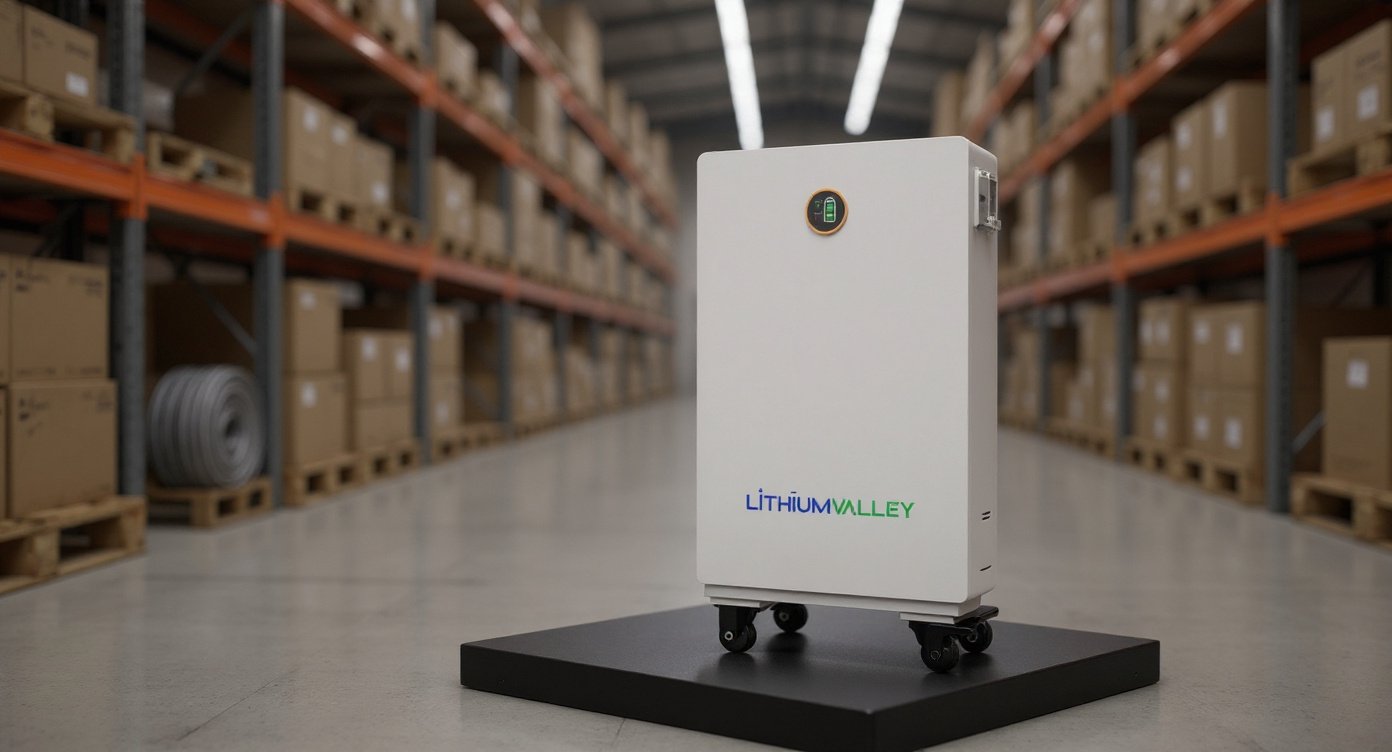
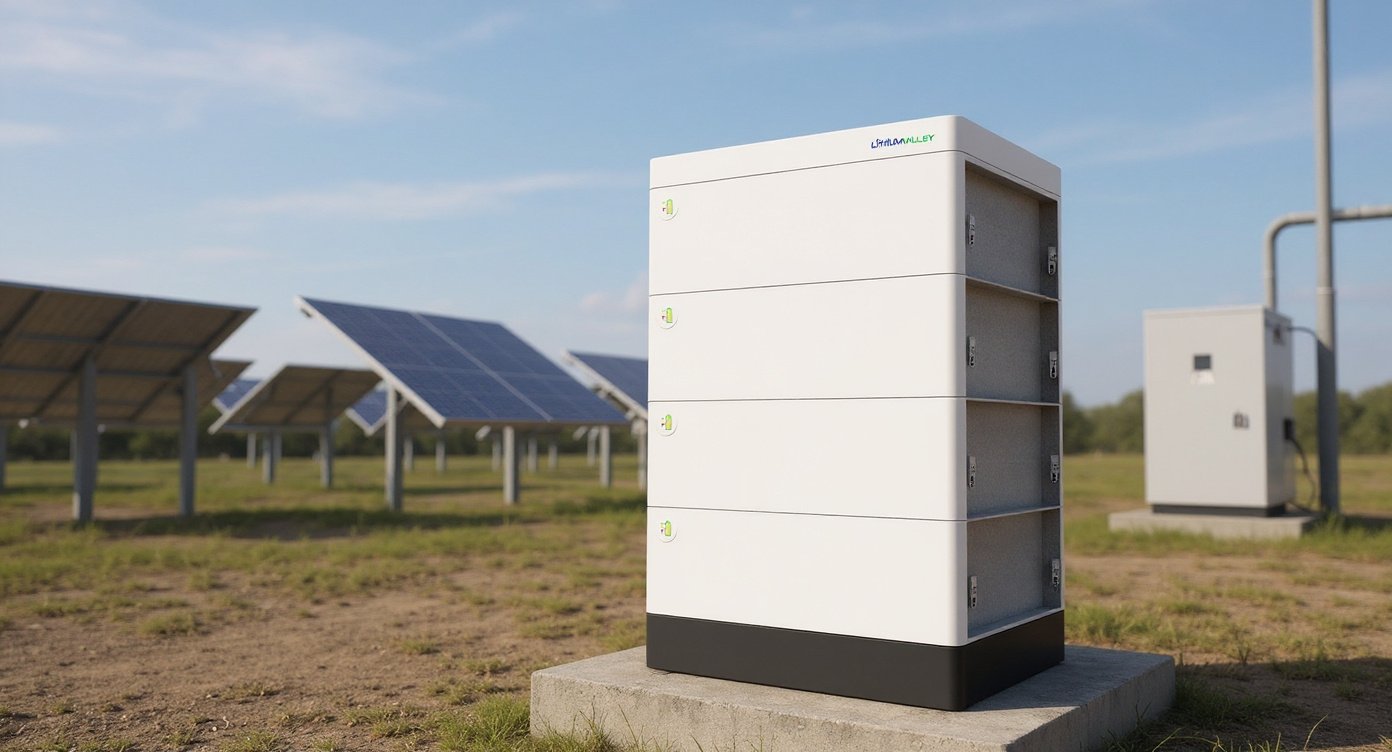
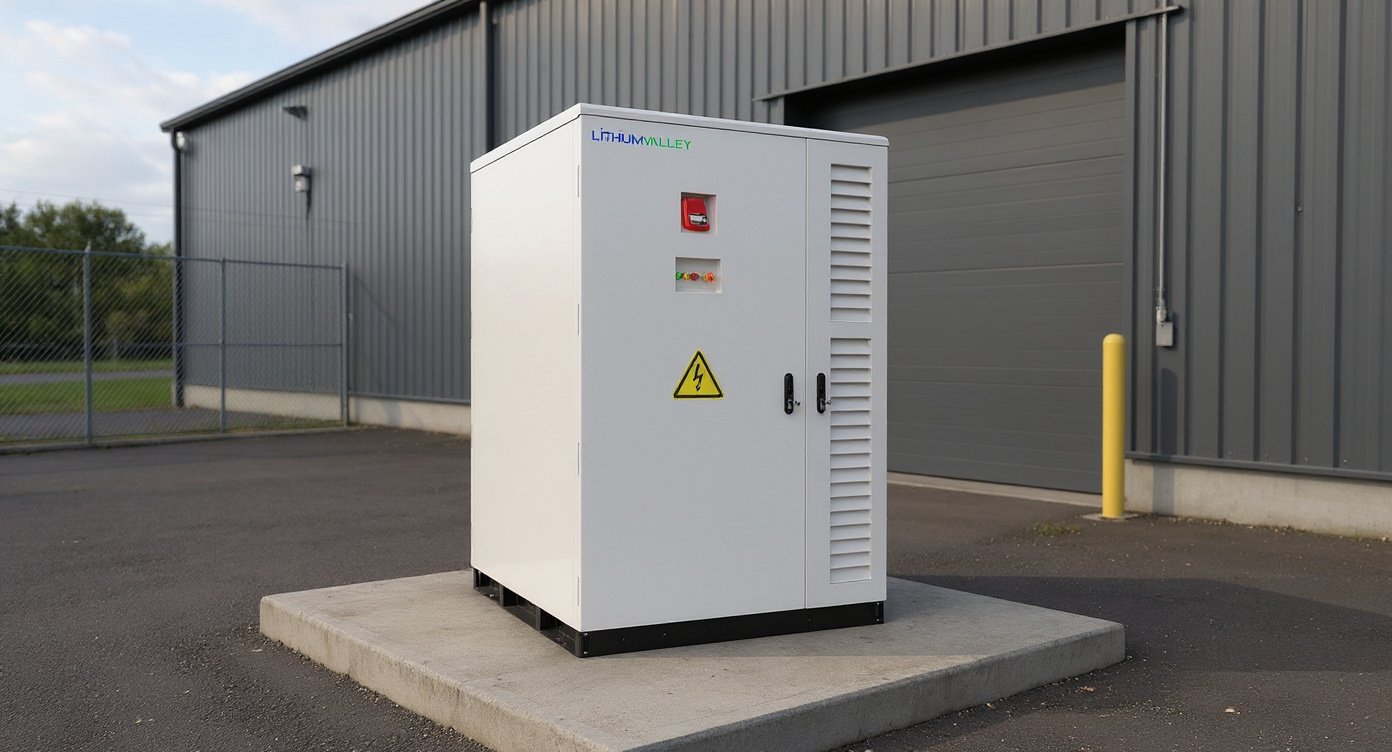
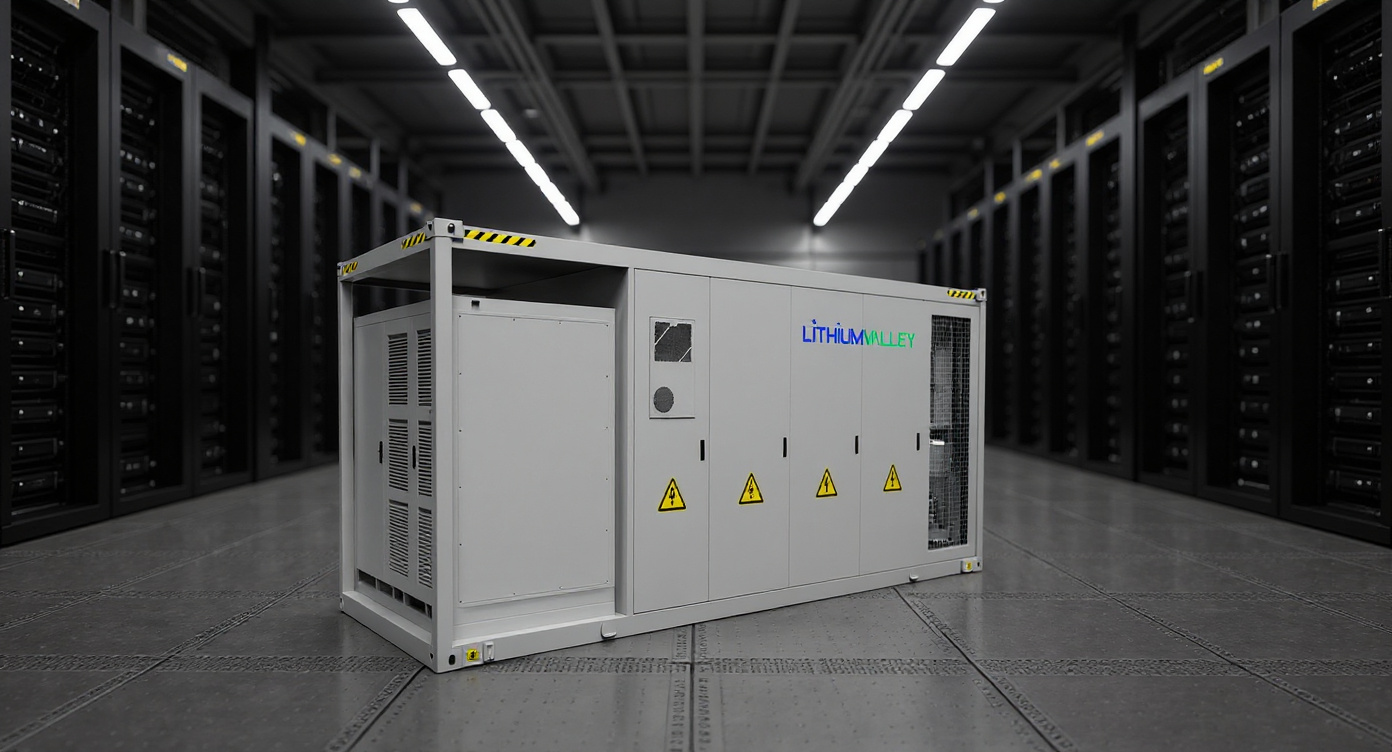
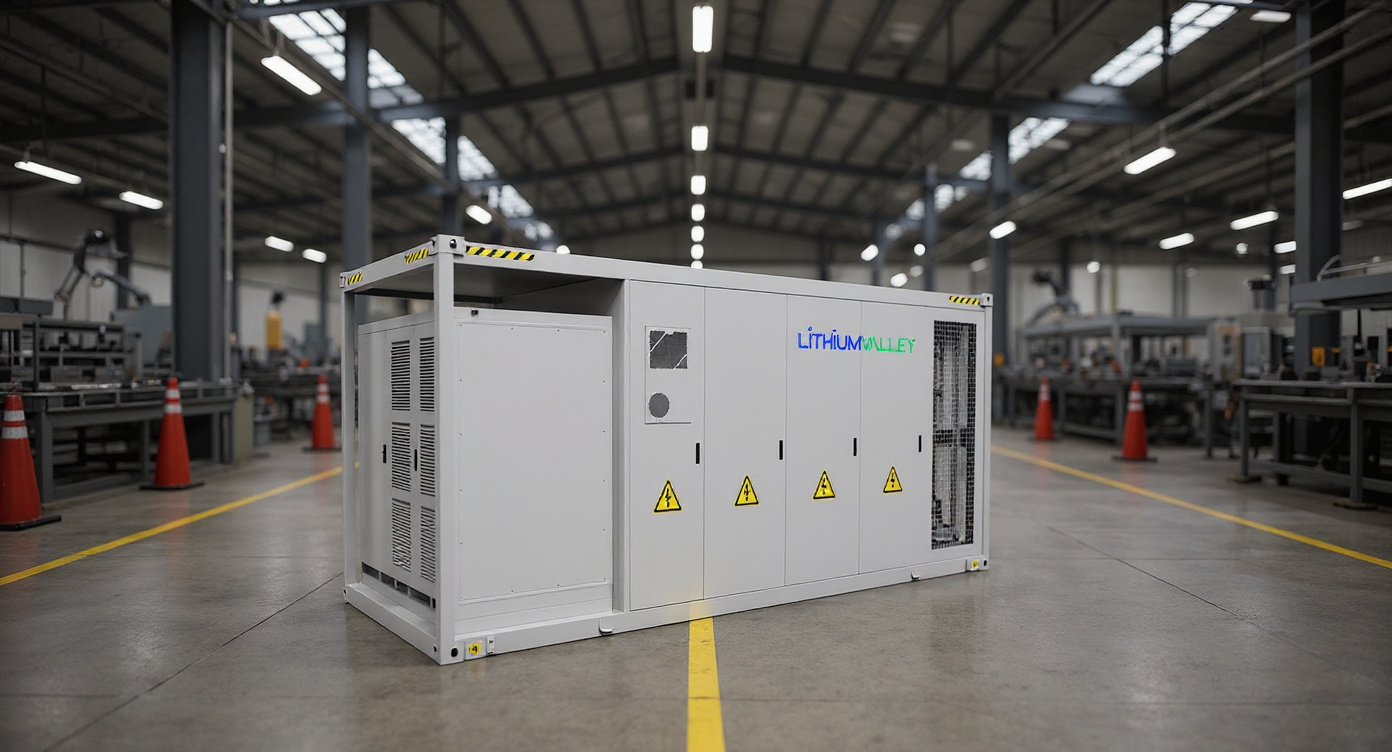
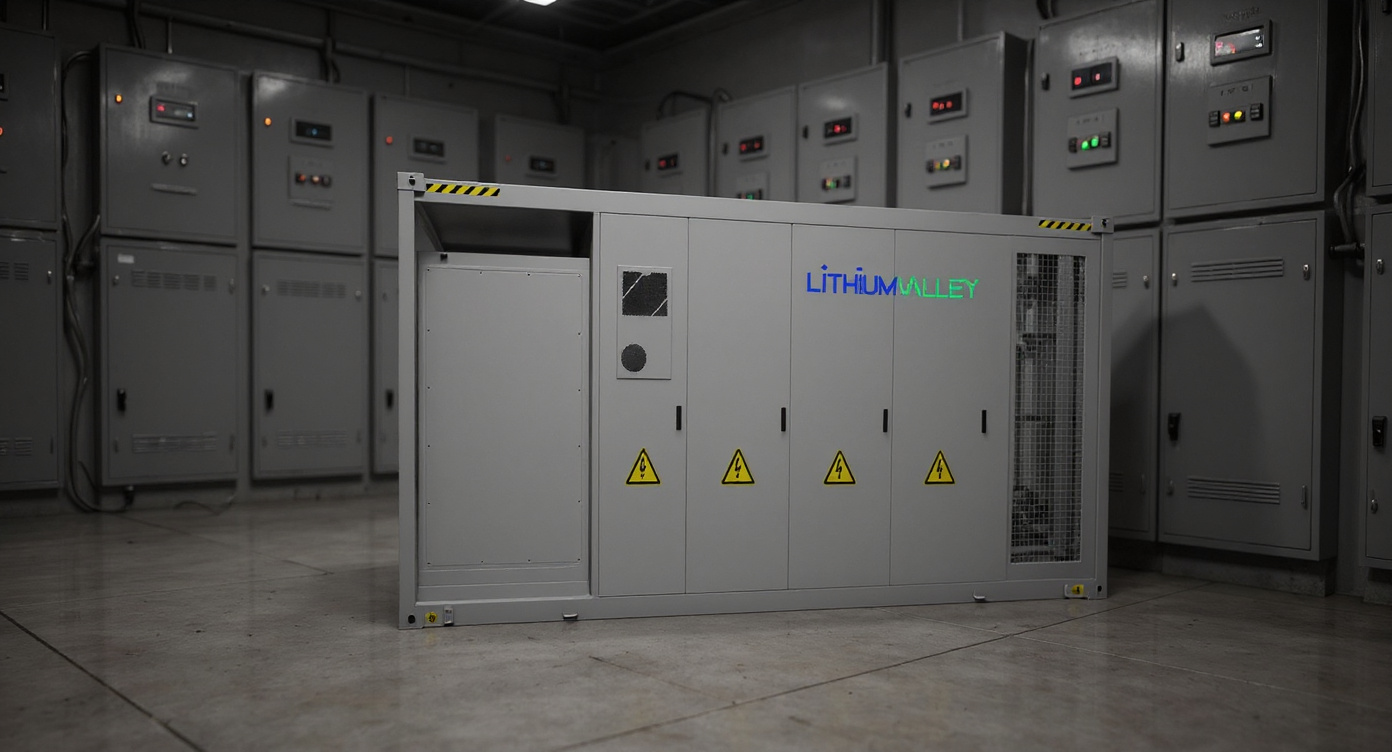
The exact product in question here is the Containerized Commercial & Industrial ESS hardware shown in the official source images, and that matters. I’m not talking about a generic shipping container with a few racks stuffed inside. I mean that exact enclosed unit, with its enclosure layout, doors, controls, connectors, labels, color scheme, and component count intact.
I’ll keep this grounded in real buying questions. Not brochure language.
What a Containerized Commercial & Industrial ESS actually is
A Containerized Commercial & Industrial ESS is a packaged battery energy storage system built into a transportable outdoor enclosure. In one unit, you usually have the battery system, battery management, power conversion equipment, switchgear or isolation hardware, controls, HVAC or thermal management, alarms, and site connection points.
That package approach solves a very specific headache. Space and time.
A battery room build sounds neat on paper, but I’ve watched one food processor spend 14 weeks just revising room ventilation drawings because their AHJ didn’t like the first fire separation plan. A container would have cut half that pain. Maybe more.
Still, a container isn’t magic. If the controls are weak, or if the site one-line isn’t thought through, the project can disappoint just as fast as an indoor system.
Who should consider a Containerized Commercial & Industrial ESS
This format tends to fit six types of buyers:
1. Commercial sites with high demand charges and repeatable peaks
2. Facilities that need backup for selected loads, not the whole campus
3. Solar sites that want to store midday excess generation
4. Remote or temporary projects that don’t want a permanent electrical room
5. Microgrid or islanded applications
6. Operators who may relocate the system after 2 to 7 years
The official product description for the Containerized Commercial & Industrial ESS points to those exact use cases: temporary power use, island application, emergency power supply, power preservation, backup, and compatibility with photovoltaic and utility power.
That’s a sensible use case list. Broad, but sensible.
What problem this exact container format solves
The enclosure matters more than people admit.
Outdoor siting is often the whole reason a project gets approved. You avoid chewing up indoor floor area. You avoid cutting a battery room into a building that was never designed for it. You can stage the unit with a crane, land conduits, commission it, and be done.
Sometimes that speed is the project.
One of our customers, a stone fabricator in Arizona, needed temporary power support while the utility upgraded service. Their planned generator rental was $18,600 per month, fuel excluded. A battery container paired with existing PV covered the afternoon peaks and outage support better than expected. Not perfect, because they still needed a small generator for long outages, but their fuel bill dropped hard in the first month.
That said, this won’t work if your site has no yard space, no truck access, or local setbacks that push the unit too close to property lines. Seen it happen. Twice.
How a Containerized Commercial & Industrial ESS works with PV and the grid
At a basic level, the battery charges when energy is available or cheap and discharges when power is expensive or critical loads need support. Simple idea. Messy execution.
The product context here says the system is compatible with photovoltaic and utility power. That’s the minimum bar for a useful C&I project, not a bonus feature. If a system can’t coordinate both, I wouldn’t shortlist it.
The coupling architecture matters a lot. More than many first-pass quotes show.
AC-coupled vs DC-coupled vs hybrid-coupled
NREL has good technical background on PV-plus-storage architectures, and it’s worth reading before you sign anything: https://www.nrel.gov/docs/fy22osti/80688.pdf
Here’s the short version buyers actually need.
| Architecture | Best use case | Round-trip system impact | Retrofit difficulty | Outage behavior to check | Typical mistake |
|---|---|---|---|---|---|
| AC-coupled | Existing PV site adding storage later | Often 2% to 6% more conversion loss versus tight DC integration, depending on topology | Low to moderate | Confirm whether the inverter is grid-forming or grid-following during outage | Assuming any AC battery can support island mode |
| DC-coupled | New-build PV + storage | Can improve capture efficiency and clipping recovery in some designs | Moderate to high | Verify PV charging path during grid outage | Forgetting future retrofit flexibility |
| Hybrid-coupled | Sites wanting one integrated platform | Varies a lot by vendor and controls | Moderate | Ask how the EMS prioritizes PV, battery, and loads under faults | Buying on a one-line diagram alone |
| Grid-only storage | Demand charge shaving without PV | Depends on PCS and dispatch | Low | Usually backup support is separate and must be specified | Oversizing energy when power is the real need |
| Temporary power package | Construction, events, staged utility work | Site-specific | Moderate | Transfer logic and genset coordination matter | Treating it like a silent generator swap |
A lot of buyers don’t ask the outage question early enough.
If the utility drops at 4:17 p.m., can this Containerized Commercial & Industrial ESS form a stable island? Can it keep solar producing, or does PV trip off? Can it support only a critical loads panel, or the whole main switchboard? Those are different projects, with different hardware and different invoices.
Island mode is not automatic
This needs saying plainly.
Not every battery container can run your site in island mode just because the quote says “backup”. Backup can mean black-start capability, seamless transfer, 100 millisecond transfer, 10 second transfer, or just reserve capacity held for later dispatch. Big difference.
The official source material for this product mentions island application and emergency power supply, which is useful. But the exact islanding behavior still depends on project configuration: PCS topology, switchgear, protection settings, ATS or static transfer design, and the load mix.
No vague promises here.
Ask these questions in writing:
– What is the transfer time under loss of utility?
– Is the PCS grid-forming during outage operation?
– Can PV remain online while islanded?
– What is the maximum step load the system can accept, in kW and motor starting profile?
– Which loads are shed first?
– What state of charge is reserved for backup, and who controls that reserve?
If a vendor can’t answer those in a straight line, keep walking.
Safety and compliance, the part people ignore until the fire marshal shows up
Battery container projects are won or lost here.
For U.S. buyers, the standards stack usually starts with UL 9540 for the complete energy storage system and UL 9540A test data for thermal runaway fire propagation behavior. Fire protection and spacing questions often pull in NFPA 855. The current public access page is here: https://www.nfpa.org/codes-and-standards/all-codes-and-standards/list-of-codes-and-standards/detail?code=855
For grid interconnection and inverter behavior, IEEE 1547 also enters the room fast, especially with DER-heavy sites.
The exact product page doesn’t publish that full compliance stack in the draft you gave me, so I won’t invent certifications. But any serious Containerized Commercial & Industrial ESS RFQ should ask for:
– System certification documents
– One-line diagrams
– Fire detection and suppression description
– HVAC operating range
– Fault isolation method
– Emergency shutdown sequence
– Commissioning test plan
– O&M manual
– Preventive maintenance intervals
I learned this one the hard way on a poultry facility job. We had a perfectly good battery package, but the site team couldn’t answer one basic AHJ question about separation distances and emergency shutdown labeling. The permit dragged 6 extra weeks. Same hardware. No install.
Paperwork matters.
Real-world power and duration ranges
Most commercial projects don’t need heroic duration.
Across the C&I market, common behind-the-meter systems land somewhere between 250 kW and 2 MW, with 1-hour to 4-hour durations. That’s not a law. Just where many deals settle because of demand management, backup reserve, and interconnection economics.
A 500 kW / 1 MWh setup is common for peak shaving and short backup support. A 1 MW / 2 MWh system can make sense for larger manufacturing or campus applications. If you’re trying to cover a whole cold storage site for 8 hours with battery only, the cost climbs fast and the container count can get silly.
This is where buyers get seduced by energy numbers.
If your monthly demand spike is a 20-minute event, buying extra hours of storage may not help much. You might need discharge power, not more battery. I’ve seen a plastics plant save more with a 750 kW / 750 kWh dispatch strategy than with a cheaper-per-kWh 500 kW / 2 MWh design that couldn’t shave the spike cleanly.
Competitor brands and what they tend to cost
Let’s be adults about pricing. Containerized C&I storage is often quote-only because freight, PCS size, fire package, transformer scope, and commissioning vary too much for a clean online price.
Still, buyers compare numbers in the real world, so here are reference points.
– Tesla Megapack is utility-scale first, not really a neat fit for many small C&I sites. Public pricing has moved around, but all-in project numbers often land far beyond what a 500 kW commercial buyer needs.
– CATL EnerOne and BYD Chess Plus are common large-format references in global tenders. Strong hardware. Usually sold through integrators, not as a click-to-buy package.
– Sungrow PowerTitan shows up often in utility and larger C&I conversations.
– Fluence Gridstack is respected, but again, many projects are larger and more utility-shaped.
– In the U.S. commercial space, integrators using Powin, Saft, LG Energy Solution, or Samsung SDI components can quote anywhere from $387/kWh to $684/kWh installed for behind-the-meter systems, depending on duration, controls, transformer scope, and site work.
Those are broad installed ranges, not hardware-only promises. Hardware-only container pricing can look much lower and still leave you staring at trenching, pads, switchgear, interconnection studies, and commissioning invoices.
A cheap quote can get expensive fast.
What should be in your RFQ
If you want comparable bids for a Containerized Commercial & Industrial ESS, write a tighter RFQ than most consultants do on the first pass.
Include these items:
1) Load data
Give bidders 15-minute interval data for at least 12 months. If you have 5-minute data, even better. If you don’t have interval data, stop and get it.
2) Primary objective
Rank the use case in order:
– demand charge reduction
– backup
– solar self-consumption
– export limiting
– temporary power
– island operation
3) Critical load definition
List the circuits or panels that must stay online, with kW, starting current, and required runtime.
4) PV and utility context
State whether PV is existing or planned, export limits, utility service voltage, and whether the project is behind the meter only.
5) Transfer expectations
Do you need open transition, closed transition, UPS-grade ride-through, or black-start support?
6) Mobility requirement
Will this unit stay put for 10 years, or move after 18 months? Big difference.
7) Site conditions
Ambient temperature range, altitude, wind/seismic criteria, flood zone, corrosion exposure, and access width.
8) Communications
Modbus TCP, SCADA points list, remote EMS access, utility dispatch integration, alarm history, cybersecurity requirements.
9) Compliance package
Ask for standards compliance documents before final award. Not after.
10) Acceptance testing
State the pass criteria: charge/discharge demonstration, outage transfer test, communications test, alarm test, thermal system verification.
That alone will save weeks.
The economics hinge on dispatch, not sticker price
This is the part accountants and operations people argue about. Both are half right.
A Containerized Commercial & Industrial ESS earns value from how it is dispatched. If the controls are weak, the ROI model is fiction. If the controls are good but the load profile is wrong, same result.
Here’s a plain comparison.
| Value stream | Site condition needed | Typical project size | What usually goes wrong |
|---|---|---|---|
| Demand charge shaving | Sharp, repeatable peaks | 250 kW to 1.5 MW | Battery has enough kWh but not enough kW |
| Backup for critical loads | Defined critical panel and outage cost | 100 kW to 2 MW | Buyer assumes whole-site backup |
| Solar self-consumption | Midday PV surplus and weak export value | 250 kWh to 4 MWh | PV already matches load, so storage sits idle |
| Temporary power replacement | Frequent staged power events | 250 kW to 1 MW | Genset still needed for long duration, model ignored it |
| Island operation | Strong controls and protection coordination | 250 kW to 2 MW+ | Motor loads and load pickup were never tested |
Honestly, if your tariff has low demand charges and your outage cost is minor, skip this entirely. A Containerized Commercial & Industrial ESS is not a badge of sophistication. It’s a tool. Use it when the math works.
What buyers miss about temporary power use
Temporary power sounds easy. Roll in, wire up, turn on.
Not quite.
A containerized system used for temporary power still needs grounding, overcurrent coordination, cable management, access control, operating procedures, and often a generator coordination plan. On construction sites, the battery can cover transient peaks and cut generator runtime, but if the load is 24/7 heavy and there is no PV, battery-only plans can turn into expensive wishful thinking.
I like containers for temporary use when the load swings hard. Crane support. Batch processes. Event peaks. Utility work windows. That’s where they shine.
Steady 18-hour loads with no renewable input? Different story.
How this exact product should be judged
The Containerized Commercial & Industrial ESS should be judged on five things, in this order:
1. Can the exact enclosure format fit your site and permitting constraints?
2. Can the controls support your actual operating mode, not the sales slide version?
3. Can it integrate with your PV and utility arrangement without ugly compromises?
4. Does the safety and compliance package satisfy the AHJ and insurer?
5. Can the economics beat your next-best alternative, which may be a generator, a service upgrade, or doing nothing?
That order matters.
A pretty container with weak documentation is a project delay in a box.
FAQ
What is a Containerized Commercial & Industrial ESS?
A Containerized Commercial & Industrial ESS is a commercial battery energy storage system delivered in a transportable outdoor enclosure that contains batteries, controls, protection hardware, power conversion equipment, and site connection interfaces. It is used for peak shaving, backup, PV integration, temporary power, and island applications.
How is a Containerized Commercial & Industrial ESS different from a battery room?
A battery room is a site-built installation inside a building. A Containerized Commercial & Industrial ESS is prepackaged outdoors. The container often shortens installation time and preserves indoor space, but it can impose access, setback, and crane placement constraints.
Can this Containerized Commercial & Industrial ESS work with solar PV?
Yes, the official product context says it is compatible with photovoltaic and utility power. The real question is how it connects: AC-coupled, DC-coupled, or hybrid-coupled. That choice affects retrofit ease, efficiency, and outage behavior.
Can a Containerized Commercial & Industrial ESS provide backup power during a utility outage?
It can, if the project includes the right PCS topology, controls, protection, transfer equipment, and load planning. Backup is not automatic. Ask for the transfer sequence, grid-forming capability, and supported load list.
Can it run in island mode?
Possibly, yes. The product context includes island application, but islanding depends on configuration. Buyers should confirm grid-forming operation, PV behavior during outage, black-start capability, and maximum step-load acceptance.
What safety standards matter for a Containerized Commercial & Industrial ESS?
For U.S. projects, common reference points include UL 9540, UL 9540A, NFPA 855, local fire code requirements, and often IEEE 1547 for interconnection-related behavior. Final requirements depend on jurisdiction and utility rules.
What size system do most commercial sites need?
Many behind-the-meter projects fall in the 250 kW to 2 MW range, with 1-hour to 4-hour durations. A site with short demand spikes may need more kW than kWh. A backup-heavy project may need the opposite.
How much does a Containerized Commercial & Industrial ESS cost?
Installed commercial systems often land somewhere between $387/kWh and $684/kWh, depending on duration, PCS size, transformer scope, civil work, fire package, controls, and commissioning. Hardware-only pricing can look lower but leave out major site costs.
Is a battery container better than a diesel generator for temporary power?
Sometimes. If the load has peaks, idle time, or existing PV support, a battery container can cut fuel use and noise. For long continuous high-load runtime with no charging source, diesel still wins on duration and upfront simplicity.
What should I ask before buying one?
Ask for interval-load-based sizing, one-line diagrams, standards compliance documents, outage transfer details, HVAC operating range, alarm list, spare parts plan, warranty terms, and a defined commissioning test script. In writing.
How long does deployment usually take?
A packaged system can move faster than a custom battery room, but real timelines still depend on interconnection, permitting, pad work, switchgear lead time, and AHJ review. I’ve seen simple projects move in 10 to 14 weeks and difficult ones drift past 8 months.
When should I not buy a Containerized Commercial & Industrial ESS?
Skip it if your outage cost is low, demand charges are minor, site access is poor, or your need is just short UPS-grade ride-through for small loads. In those cases, a UPS, service upgrade, or generator may be the smarter tool.
Final take
A Containerized Commercial & Industrial ESS is a good answer to a narrow set of problems. Fast outdoor deployment. PV plus utility coordination. Backup for defined loads. Temporary power. Island-capable microgrid work.
It’s not a default answer to every commercial power problem. Not even close.
If the use case matches, the exact Containerized Commercial & Industrial ESS format is worth serious consideration because it packages the system into a movable enclosure intended for temporary power use, island application, emergency power supply, power preservation, and backup. If the use case doesn’t match, save your money and buy the simpler thing.
And yes, simpler is often better.