The short version is this: the only way to read the LV-BAT-W5.12Da clearly is to separate the core battery facts from the inverter-dependent details. Its basic identity is straightforward, a wall-mounted residential LiFePO4 battery with an integrated BMS, while items like confirmed usable energy, communications setup, charge limits, enclosure rating, and warranty need to be checked against the selected inverter pairing.
That matters more than most spec sheets admit. A battery can look perfect on paper, then turn awkward fast if the inverter expects a different communication profile, a different operating window, or a different charge strategy. So instead of treating every line item as fixed in stone, it helps to read the LV-BAT-W5.12Da specifications in two layers: what the battery is, and what your full system will actually allow.
The fixed part of the spec sheet: chemistry, format, and BMS
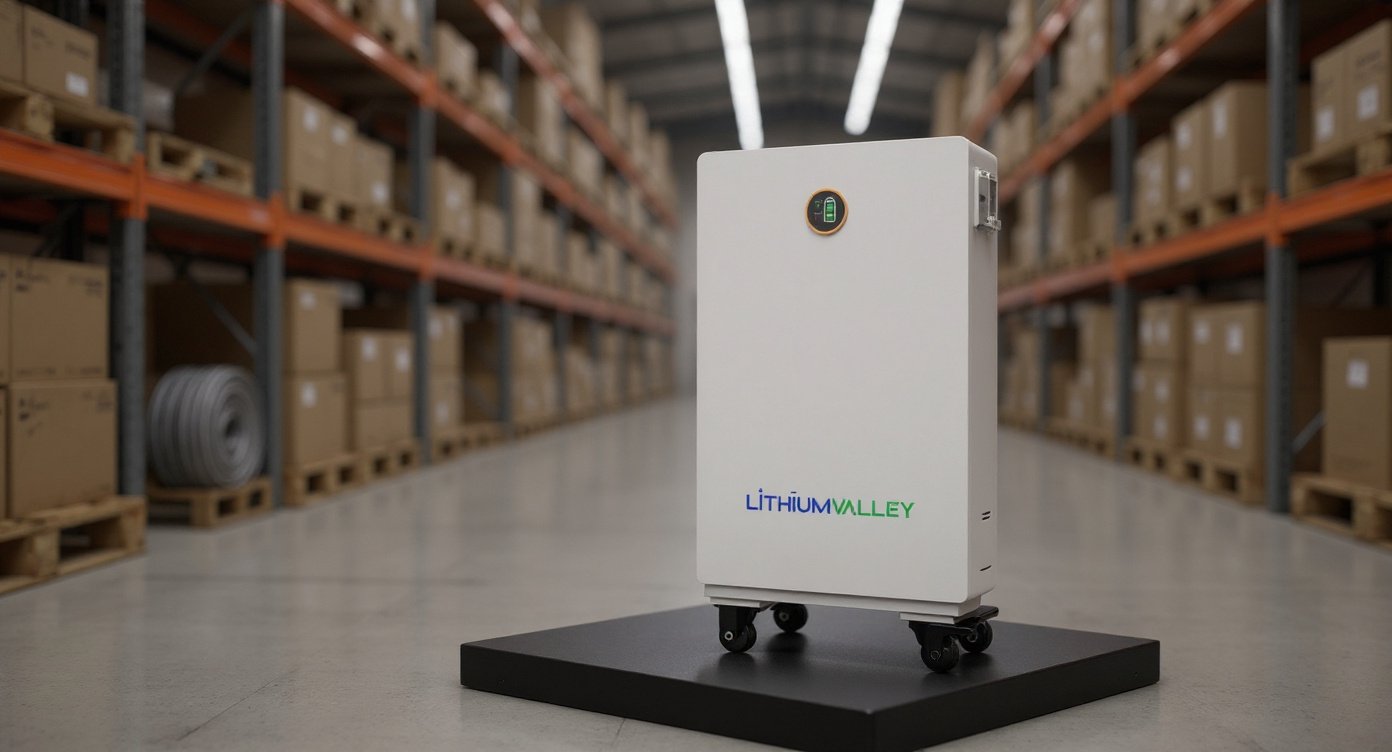
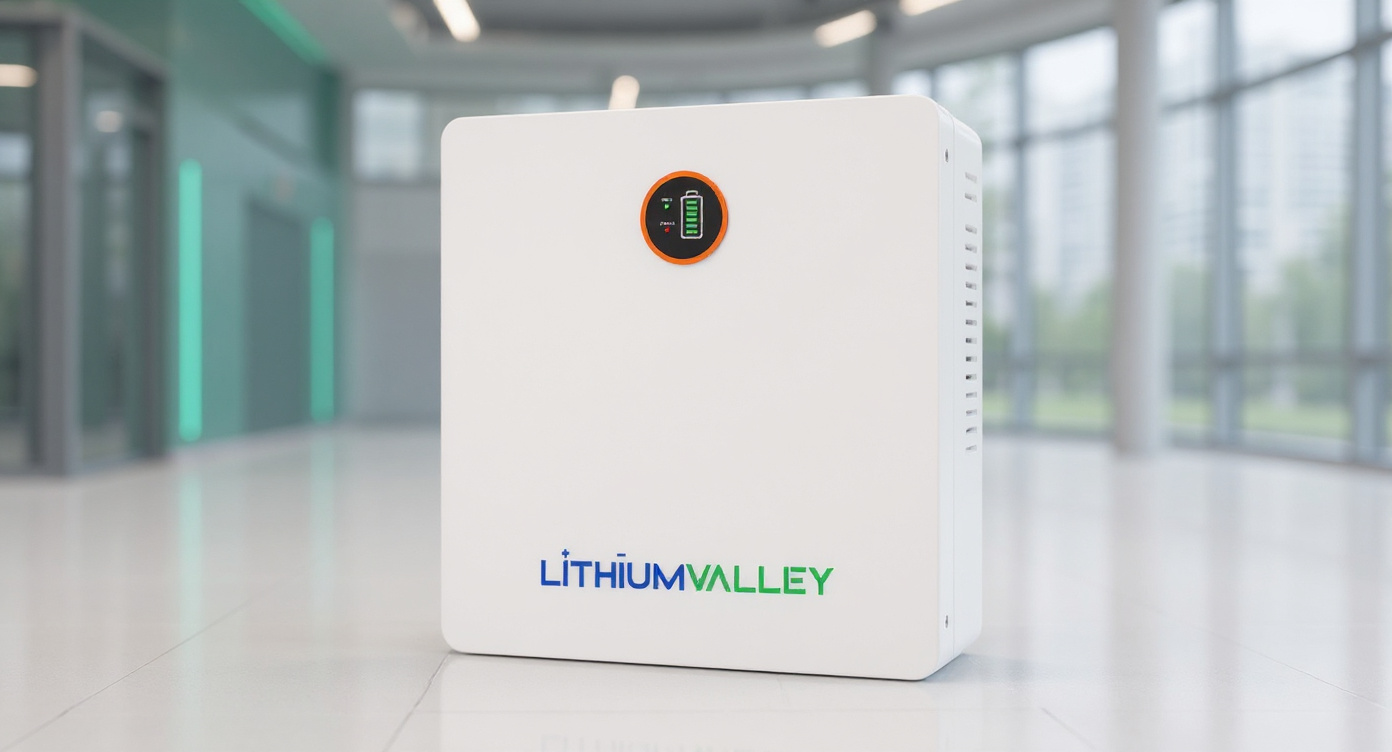
A few things are clear and don’t depend on brand matching. The LV-BAT-W5.12Da is a wall-mounted residential LiFePO4 battery. That’s already useful, because LiFePO4 chemistry is widely chosen for home storage due to its thermal stability and long-cycle reputation compared with some other lithium chemistries.
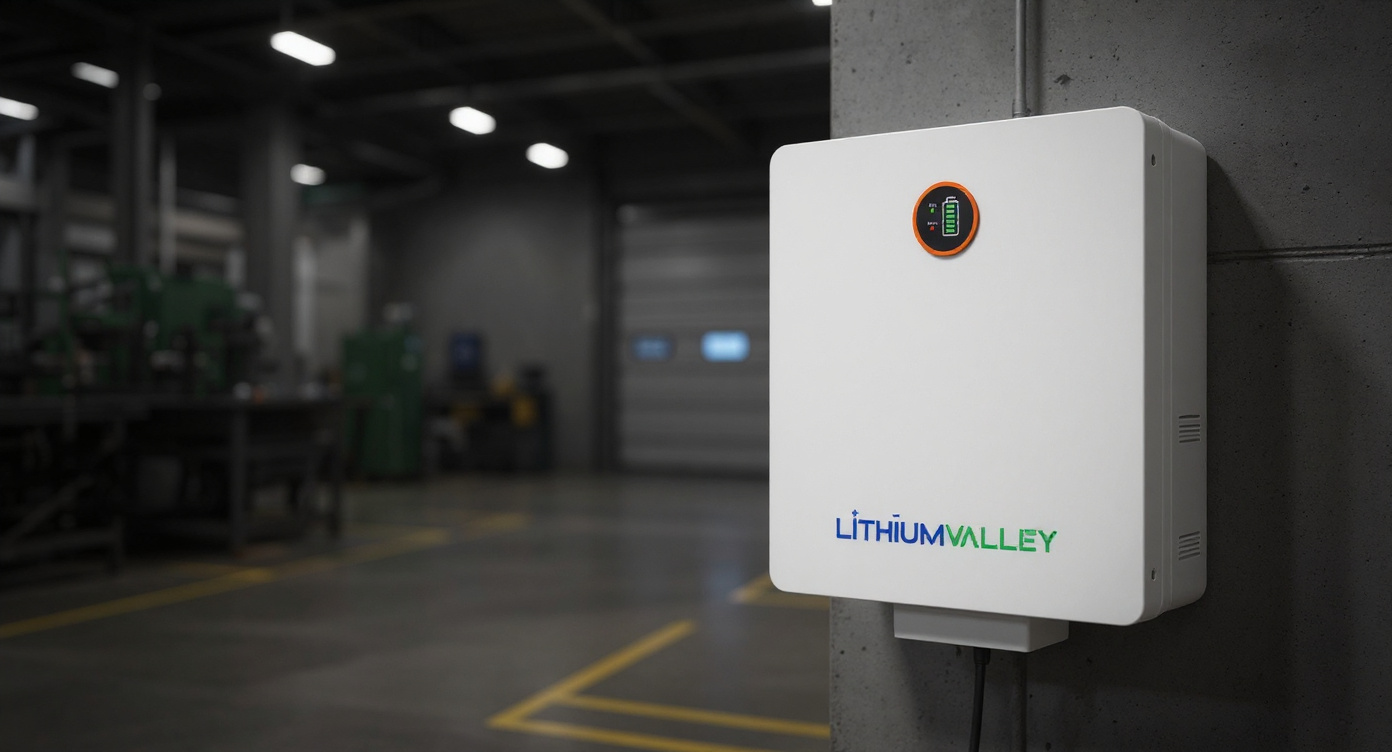
It also includes an integrated BMS. That matters every day, not just in fault conditions. In a home battery, the BMS is the layer that monitors cell behavior, manages charge and discharge permissions, and steps in if voltage, current, or temperature move outside the allowed window. For residential energy storage, that protective role is central to system safety and proper operation, which is why battery and ESS testing standards matter so much in the first place, as outlined in UL’s residential energy storage testing overview.
Here’s the practical read:
1. LiFePO4 tells you the battery is aimed at stable residential cycling, not a novelty use case.
2. Wall-mounted format tells you it’s meant for fixed installation, not rack swapping or portable backup.
3. Integrated BMS means the battery isn’t just a box of cells, it’s actively managing protection and communication.
4. Multi-brand inverter compatibility suggests flexibility, but not universal plug-and-play.
5. Charge limits and communications still need confirmation for the exact inverter chosen.
6. Warranty should be checked in the context of the approved pairing and installation conditions.
If you’re comparing options, this is the stage where the LV-BAT-W5.12Da starts to make sense for someone who wants a residential wall battery rather than a server-rack format. But that still doesn’t answer the real buying question, which is how much energy you’ll be able to use and under what controls.
Nominal energy versus usable energy, the number that affects real backup time
This is where people get tripped up. Nominal capacity and usable capacity are not always the same thing, and they shouldn’t be treated as interchangeable.
The model name points to 5.12 kWh nominal energy. That’s the gross energy figure most buyers notice first. It gives a rough class size for the battery and makes comparison easier against other home storage units in the 5 kWh category.
Usable energy is the more practical figure because it reflects how much of that stored energy the system actually lets you use in normal operation. Some battery systems reserve a portion at the top or bottom of state of charge to protect cell life, maintain communications, or preserve backup behavior. In real homes, usable energy is the number that better predicts runtime for lights, internet, refrigeration, and a few critical loads.
The catch here is important: the current product context explicitly says to confirm nominal and usable energy for the selected inverter. That means you should not assume the same accessible capacity across every brand pairing. Some inverters expose more setup options, some impose fixed operating reserves, and some approved combinations may define discharge windows differently.
A simple way to think about it:
| Spec item | What it means | Fixed or inverter-dependent | Why it matters |
|---|---|---|---|
| 5.12 kWh class size | The battery’s nominal energy category | Largely fixed | Helps compare battery size |
| Usable energy | Energy available in normal operation | Confirm for selected inverter | Predicts actual backup/runtime |
| Charge limits | How hard and how fast the battery can be charged | Confirm for selected inverter | Affects cycle behavior and compatibility |
| Communication protocol | How battery and inverter exchange status and commands | Confirm for selected inverter | Determines proper managed operation |
| Warranty terms | Coverage period and conditions | Confirm for selected inverter | Affects long-term value |
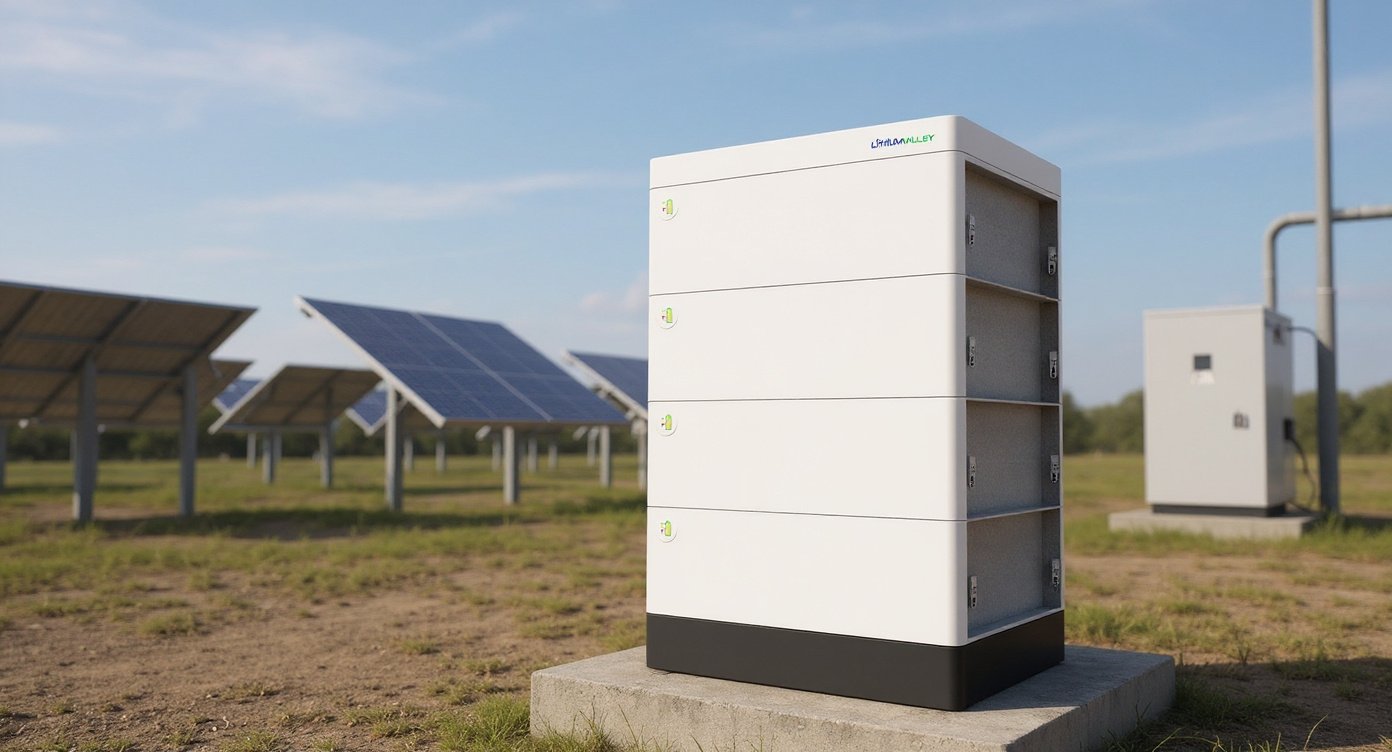
If your plan is whole-home backup, a 5.12 kWh class battery may be too small on its own. If your goal is critical-load support, solar self-consumption, overnight shifting, or shorter outage coverage, it may fit much better. The battery size isn’t good or bad by itself. It depends on the load list.
Communication and inverter matching are where good installs go right or wrong
A residential battery is only half the system. The inverter decides a lot of the user experience, and communication between the two is where clean operation usually lives or dies.
The product context says compatibility includes multiple hybrid grid-tied and off-grid inverter brands, and it specifically calls out confirming the communications protocol. In practice, that usually means checking whether the selected setup uses CAN, RS485, or both. You don’t want to guess here.
CAN and RS485 both show up in battery systems, but they don’t serve buyers in exactly the same way. CAN is often used for managed communication with richer live battery data and tighter inverter integration. RS485 is also common and can be perfectly workable, but the actual behavior depends on firmware support, protocol mapping, and whether the inverter has a validated profile for the battery.
So if you’re asking, “Is it compatible with my inverter?” the honest answer is: maybe, but compatibility isn’t a brand logo issue alone. It’s a model, firmware, protocol, cable, and configuration issue.
Before ordering, verify these points:
1. The exact inverter model, not just the brand.
2. Whether the battery-inverter pairing is approved for hybrid grid-tied use, off-grid use, or both.
3. Whether communication is via CAN, RS485, or a selectable option.
4. Whether charge and discharge limits are automatically managed through communication or entered manually.
5. Whether the installer needs a specific battery profile, firmware version, or DIP/address setup.
6. Whether usable energy or reserve settings change under backup mode.
This is also where warranty questions begin, not end. Some manufacturers tie full support to approved pairing lists and correct communication setup. That’s sensible. A battery forced to run blind or under the wrong charge profile can still function, but it may not function the way you expect.
For a broader look at how residential energy systems are evaluated for safety and proper application, UL’s Q&A on residential energy storage marking is worth reading. It won’t tell you whether your inverter is approved, but it does underline why markings, intended use, and validated combinations matter.
By this point, most skimmers are really asking one practical thing: whether the LV-BAT-W5.12Da will play nicely with the inverter they already own. That’s exactly the point where it makes sense to pull the official pairing details before treating any single spec line as final.
Charge limits, protection behavior, and what the BMS is doing all day
People tend to read “integrated BMS” and move on. That’s a mistake. In day-to-day use, the BMS is one of the most consequential parts of the battery.
It typically protects against the big failure modes first: overcharge, over-discharge, over-current, short-circuit conditions, and temperature excursions. In a LiFePO4 home battery, that protection isn’t abstract. It’s what keeps cell groups inside their safe operating envelope and helps prevent one weak condition from turning into a system-level problem.
It also affects convenience. If the battery and inverter are communicating correctly, the BMS can pass along limits that shape charging behavior in real time. That may include current reduction near the top of charge, restrictions in low-temperature conditions, or discharge constraints when voltage approaches the lower boundary. You don’t see any of that happening. You just notice that the system behaves predictably.
This won’t work if you’re expecting the battery to ignore system design. A 5.12 kWh class wall battery still needs the right breaker sizing, cable sizing, mounting environment, and inverter settings. The BMS is protection, not magic.
For the home itself, battery storage only solves part of the outage problem. Load discipline still matters. The U.S. Department of Energy’s home energy upgrades guidance is useful here because reducing waste and identifying critical loads often does more for real backup duration than jumping from one battery model to another.
A few real-world implications of BMS-led protection:
– A battery may stop charging before you expected if temperature or voltage limits are being protected.
– Discharge may taper or stop to prevent harmful low-voltage operation.
– Communication faults can trigger conservative behavior.
– Parallel systems need coordinated control, not just physical connection.
That’s why spec-sheet shoppers should pay attention to operating logic, not just capacity class.
Parallel expansion, outdoor placement, and the details people ask too late
This section tends to get skipped until installation day. It shouldn’t.
Two of the most common questions are how many units can be connected in parallel and whether the battery can go outdoors. Both are installation-defining details, and both are explicitly listed in the product context as items to confirm for the selected inverter and configuration.
Parallel count matters for two reasons. First, it determines your expansion ceiling. Second, it changes current sharing, communications addressing, and the practical complexity of the installation. A battery that works beautifully as a single 5.12 kWh unit may require extra planning once you stack multiple units in parallel. That doesn’t make it a bad choice. It just means the right question isn’t “Can it parallel?” but “How many, under what inverter profile, with what communication method?”
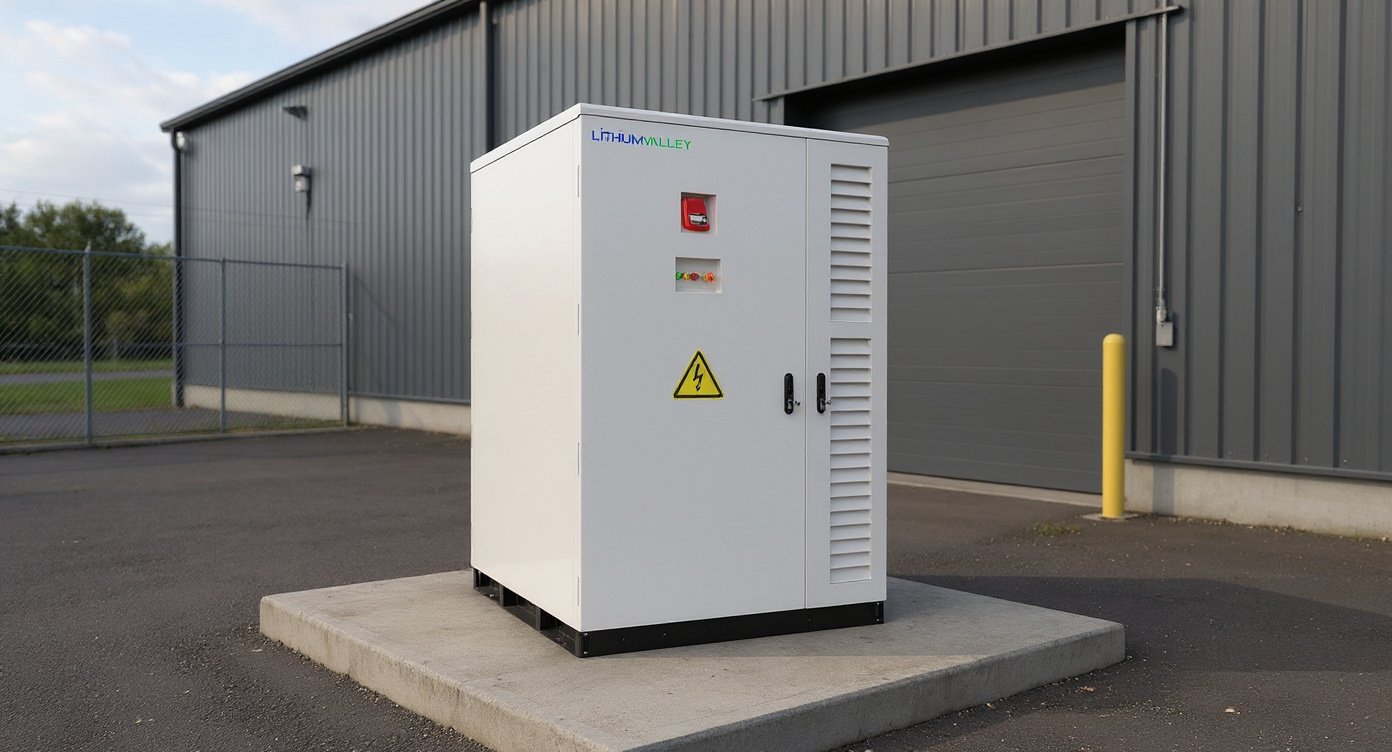
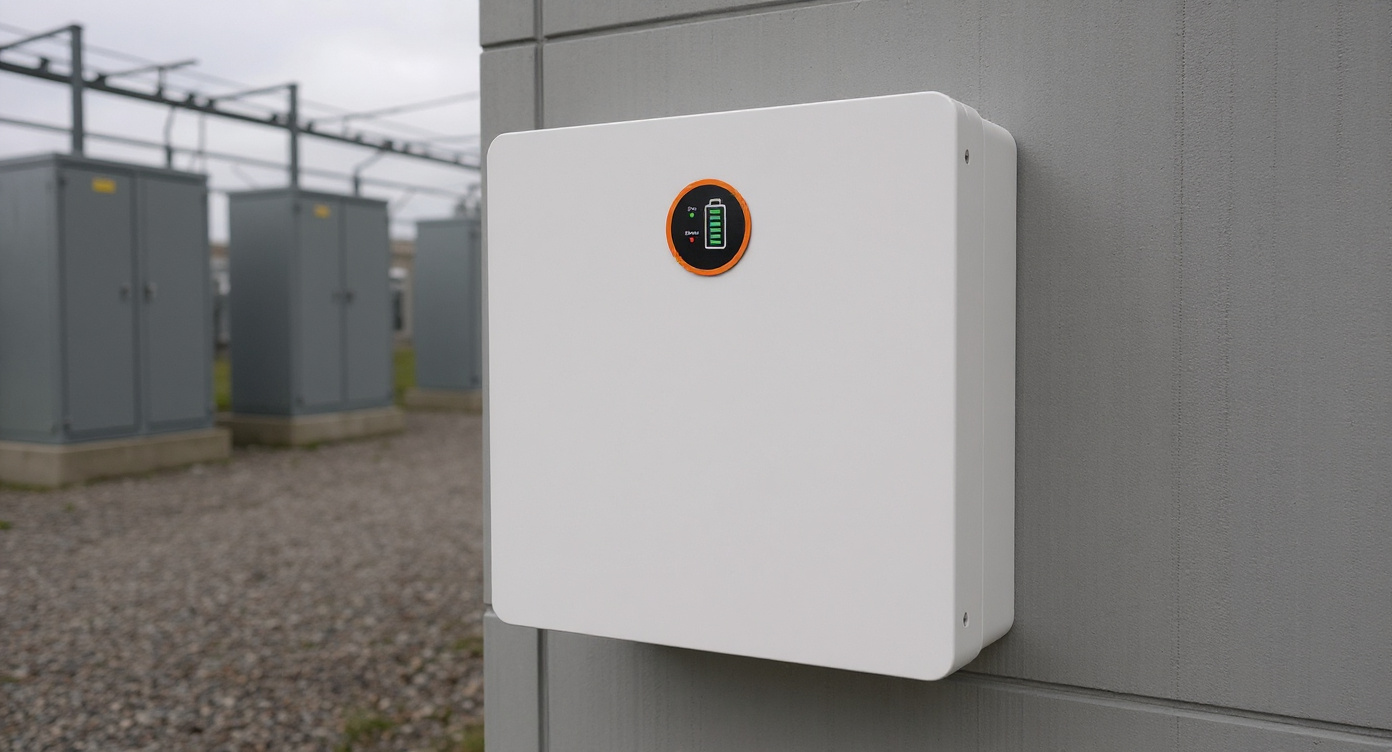
Outdoor placement is similar. The battery’s enclosure rating should be checked, not assumed. An IP rating tells you how well the enclosure resists ingress by solids and water under defined test conditions. It does not mean every outdoor wall is equally suitable. Direct weather exposure, sun load, freeze risk, service clearance, and local code still matter.
Here’s the straight answer: if you’re planning an exterior install, don’t stop at the phrase “outdoor capable.” Confirm the actual IP rating, the approved mounting conditions, and any temperature-related charging restrictions. If those details aren’t nailed down, the install is not ready.
The same goes for dimensions. If wall space, side clearance, or service access are tight, you need the product-page measurements before committing. No dimensions are provided in the current context here, so they shouldn’t be guessed.
Buyer questions that come up every time
What is the nominal and usable capacity of the LV-BAT-W5.12Da?
The model name indicates a 5.12 kWh nominal class. Usable energy should be confirmed for the selected inverter, because accessible capacity can vary with the approved system setup and operating reserve.
Is the LV-BAT-W5.12Da compatible with my inverter brand?
It may be, since the product context states compatibility with multiple hybrid grid-tied and off-grid inverter brands. The part that needs confirmation is the exact model pairing, firmware support, and approved communication method.
Does the LV-BAT-W5.12Da use CAN or RS485 communication?
The product context says communications protocol should be confirmed for the selected inverter. That means you should verify whether your approved pairing uses CAN, RS485, or supports both with a specific profile.
How many LV-BAT-W5.12Da batteries can be connected in parallel?
That needs to be confirmed for the final inverter and system design. Parallel capability isn’t just a battery question, it also depends on inverter support, communication setup, addressing, and installation rules.
Can the LV-BAT-W5.12Da be installed outdoors, and what is its IP rating?
Outdoor suitability and IP rating should be checked on the current product documentation for the exact configuration. Don’t assume outdoor approval based on wall-mount format alone.
What warranty comes with the LV-BAT-W5.12Da?
Warranty should be confirmed for the selected inverter and approved installation scenario. In residential storage, warranty coverage often depends on correct pairing, operating conditions, and installer compliance.
Is a 5.12 kWh battery enough to run a home during a power outage?
For a whole home, often no, not by itself. For critical circuits, short outages, refrigeration, internet, lighting, and selective load management, it can be enough. The result depends on your actual loads, inverter limits, and whether you have solar recharging during the outage.
What does the built-in BMS protect against in daily operation?
It is there to protect against common battery risks such as overcharge, over-discharge, over-current, short-circuit conditions, and temperature-related faults, while helping the inverter manage the battery correctly when communications are set up as intended.
What matters most before you choose one
If you’re trying to make sense of the LV-BAT-W5.12Da specifications, the smart move is to focus on five checks before anything else: nominal versus usable energy, your inverter model, confirmed CAN or RS485 communication, the approved charge limits for that pairing, and the actual enclosure rating and warranty terms.
What I would not do is buy any residential battery on nominal kWh alone. That’s how people end up with a technically decent unit that doesn’t fit their inverter, their outage plan, or their installation location.
The better fit is usually the battery that matches your load strategy. If you want a wall-mounted LiFePO4 unit for residential storage and you’re trying to avoid the usual guesswork about compatibility and operating limits, the LV-BAT-W5.12Da is more likely to pay off when those details line up cleanly with your inverter and your backup goals. If that’s the stage you’re at, you can see LV-BAT-W5.12Da and check the current product details before moving forward.