Yes, you can upgrade a golf cart to lithium, and in the right cart it pays off quickly in less maintenance, steadier voltage, and less weight to haul around. It stops making financial sense when the cart’s voltage, battery tray, charger, cabling, and actual use pattern don’t line up with the pack you’re considering.
A good golf cart battery upgrade is less about hype and more about fit. If your cart only does short flat loops a few times a month, tired lead-acid may be annoying but still workable. If you use the cart daily, run accessories, climb hills, or you’re done watering batteries and cleaning corrosion, lithium starts to make a lot more sense.
Lithium pays off when the cart gets used hard
The plain advantage is chemistry. Lithium-ion batteries generally offer high energy density and low self-discharge compared with older battery types, which is why they show up across electric vehicles and storage systems, as outlined by the U.S. Department of Energy’s alternative fuels data center. For a golf cart owner, that usually translates into less sag under load, less routine upkeep, and better consistency through the discharge cycle.
Where people get tripped up is assuming every 48V lithium pack solves every 48V cart problem. It doesn’t. A lithium conversion is more likely to pay off when these things are true:
1. Your cart already matches the pack voltage, such as 48V to 48V.
2. Your current batteries are near end of life, so you’re not throwing away a decent lead-acid set.
3. You use the cart often enough to care about charging efficiency and reduced maintenance.
4. Your tray dimensions and hold-down space actually fit the replacement pack.
5. Your charger is compatible, or you’re ready to change it.
6. The battery’s BMS operating limits match your controller and accessory loads.
7. You want a lead-acid replacement, not a custom electrical project.
That last point matters. Plenty of frustration comes from buying a battery first and asking fit questions later.

The real checklist is voltage, tray fit, charger, and BMS limits
If the cart is 36V, a 48V pack is not a drop-in answer. If the cart is 48V, that’s a good starting point, not a guarantee. You still need to confirm connector type, charger compatibility, tray dimensions, and vehicle fitment.
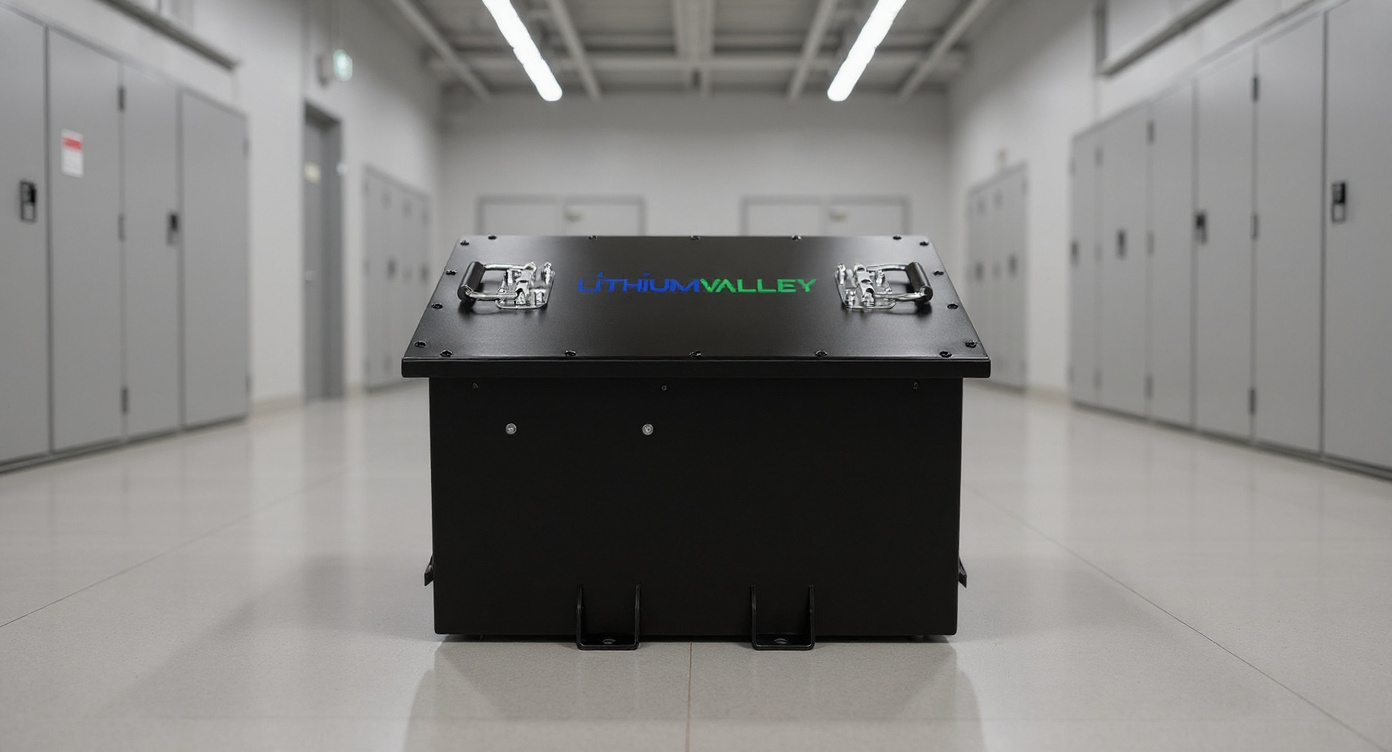
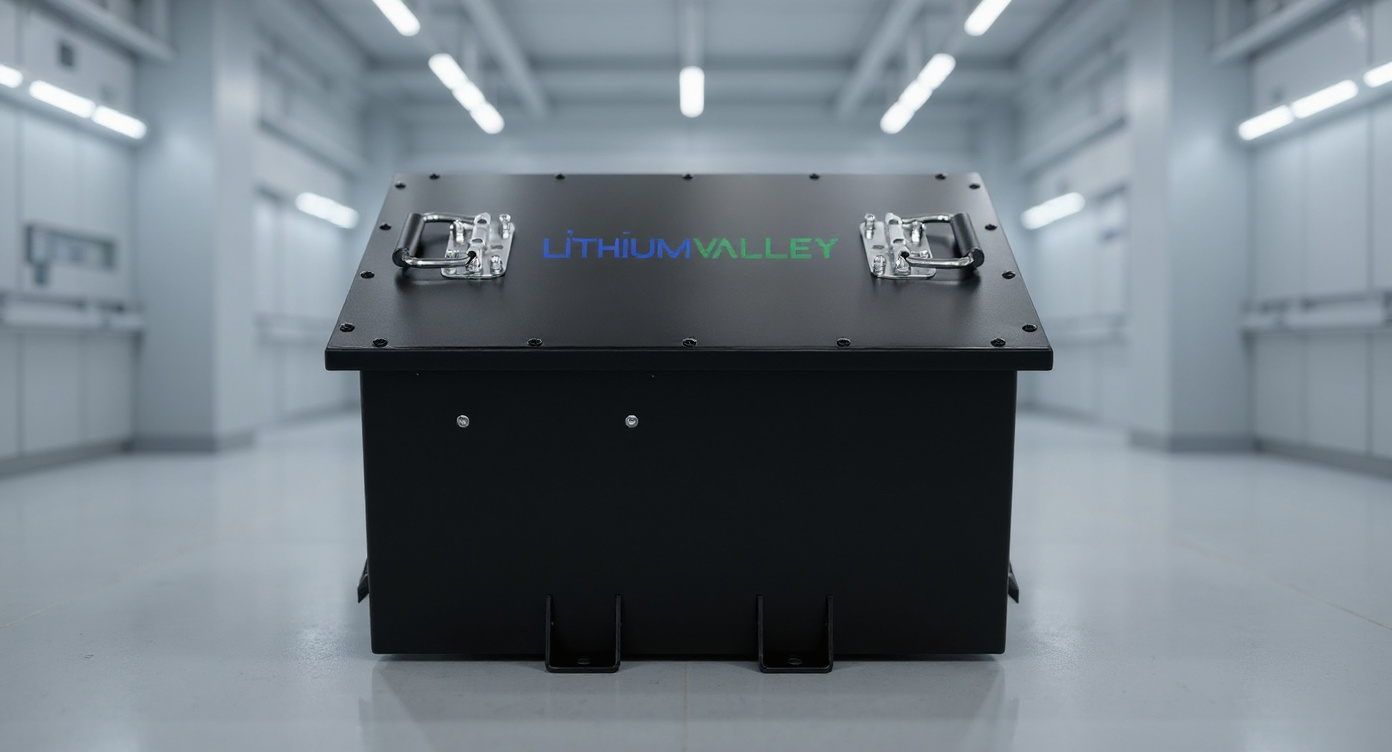
That’s where a purpose-built replacement pack matters more than raw marketing claims. The LV4880 golf cart lithium battery is positioned as a 48V-class lead-acid replacement for compatible golf carts, and the current product information specifically references integrated battery-system functions plus compatibility with vehicle families such as Club Car and E-Z-GO. Even then, the smart move is to confirm the exact cart, exact connector, charger, and tray size before ordering.
BMS details are easy to ignore until they bite you. The battery management system is what protects cells from overcharge, over-discharge, overcurrent, and temperature problems. If your cart has a weak connection, a charger profile mismatch, or accessory loads that don’t belong, a good BMS may save the pack, but it won’t make an incompatible setup become compatible.
There’s also the maintenance angle. Lead-acid systems ask for more routine attention, and electric-drive systems in general have different maintenance patterns than combustion equipment, with fewer fluid and engine-service items, as noted by the DOE maintenance overview for electric vehicles. For a golf cart owner, the day-to-day difference usually shows up as less battery mess, fewer corrosion headaches, and simpler charging habits.
Cost is broader than the battery price tag
The most common question is price, and the honest answer is that total conversion cost varies by configuration. The product page for LV4880 does not list a visible price in the provided context, so there’s no clean number to quote here. Same story for charger bundles, cable adapters, and install labor. Some carts need very little. Others need enough small parts to turn a cheap-looking deal into an expensive one.
This is the part people skip: compare system cost, not battery cost.
Here’s the practical breakdown.
| Cost factor | Lead-acid replacement | 48V lithium conversion |
|---|---|---|
| Upfront battery price | Varies | Varies |
| Charger | May reuse existing lead-acid charger if replacing like-for-like chemistry | Often needs lithium-compatible charger or confirmed charger profile |
| Tray fit / hold-down | Usually existing layout | Must confirm exact dimensions and mounting |
| Cable / connector changes | Usually minimal | May need connector or cable changes |
| Maintenance | Watering, terminal cleanup, corrosion checks | Lower routine battery maintenance |
| Voltage sag under load | Common as batteries age | Usually lower, but depends on pack and BMS limits |
| End-of-life disposal | Existing lead-acid recycling path | Lithium disposal and recycling should follow local guidance |
On disposal, don’t treat lithium packs like ordinary trash. The EPA’s guidance on used lithium-ion battery handling and recycling is worth reading before replacement day arrives, especially if you’re doing your own swap.
If you use the cart once every other weekend on level ground, it may take a long time for lithium’s convenience to justify the extra spend. If the cart moves people, tools, coolers, or accessories several days a week, the math shifts. Less downtime starts to matter. So does consistent performance near partial state of charge.
48V conversions are straightforward only when the cart already lives in that voltage class
A 48V cart can often move to a 48V lithium pack pretty cleanly. A 36V cart is a different conversation. The controller, charger, solenoid, DC-DC setup, and accessories may all need review if you’re trying to change system voltage.
That’s why the question, “Can I convert my 48V golf cart to a lithium battery?” is much easier to answer than “Can I put 48V lithium in my older cart?” If the existing system is already 48V, you’re mostly checking compatibility. If the cart is not 48V, you may be redesigning more than the battery bay.
A 2000 TXT is a good example of why details matter. Some TXT carts are 36V, some 48V, and a model year by itself doesn’t settle the issue. Before anybody recommends a pack, you’d want to verify:
– actual system voltage
– battery compartment dimensions
– current charger type
– main connector style
– controller and accessory setup
If that cart turns out to be a 48V configuration and the tray plus connections match, a pack like the LV4880 may be the clean answer. If it’s a 36V cart, then “Can I do it?” becomes “How much else has to change?” and that can move the project from practical to annoying fast.
What lithium golf cart batteries to avoid
The ones to avoid are not always the cheapest ones. Sometimes they’re the ones with the least usable information.
Skip any battery listing that doesn’t clearly state voltage class, intended application, and compatibility path. If a seller can’t confirm tray dimensions, connector style, charger requirements, or what the BMS is meant to handle, you’re buying uncertainty.
A few red flags:
– vague phrases like “fits most carts” with no fitment details
– no guidance on charger compatibility
– no stated vehicle families or replacement intent
– no mention of battery-system protections
– no support path for confirming your exact cart
This is also where the “48V 105Ah recommendation craze” goes sideways. Capacity matters, but it’s only one part of the decision. Without hard data for your cart and your usage, a bigger amp-hour number can become the wrong answer in a hurry. Weight reduction, current capability, low-voltage cutoff behavior, charger settings, and the physical package all matter just as much. More capacity isn’t automatically better if the tray fit is awkward or the BMS limits conflict with how the cart is used.
If somebody is shopping purely by a single spec line, they’re missing the reasons conversions succeed or fail.
Questions people ask before they order
Can you upgrade golf cart batteries?
Yes. In many carts, replacing lead-acid with lithium is completely doable. The cleanest path is matching the existing system voltage and confirming the battery tray, connector, charger, and controller compatibility first.
Is it worth converting a golf cart to lithium batteries?
It can be, especially if the cart is used often, current lead-acid batteries are worn out, and reduced maintenance matters to you. It’s less compelling when the cart sees light use and the rest of the electrical system would need a lot of changes.
Can I convert my 48V golf cart to a lithium battery?
Usually yes, provided the pack is designed as a 48V-class replacement and your cart’s charger, connector, tray dimensions, and electrical limits line up. A 48V cart is the easiest place to start.
How much does it cost to upgrade a golf cart to lithium batteries?
There isn’t one honest flat number. Battery cost, charger replacement, connector changes, mounting hardware, and labor all vary by cart and pack. For the LV4880, the provided product context does not include a visible price, so this one is best handled as quote-only until the exact setup is confirmed.
Lithium golf cart batteries to avoid?
Avoid batteries with unclear fitment, no charger guidance, no useful BMS information, and no way to verify compatibility with your cart. The risk isn’t just poor performance. It’s buying a pack that forces extra parts or doesn’t behave properly with your existing setup.
48v 105ah lithium battery recommendation craze, what actually matters?
Voltage match comes first. After that, look at tray dimensions, connector style, charger compatibility, BMS protections, and how hard the cart actually works. Capacity matters, but it’s not the first filter.
New to golf carts. Just got this 2000 TXT. Can I get 48v lithium in it?
Maybe. First verify whether the cart is already 48V. Model year alone won’t answer that. If it is 48V and the battery bay plus connections match the pack, then yes, a lithium replacement may be straightforward. If it’s 36V, expect a wider conversion discussion.
What do you need to upgrade your golf cart to lithium batteries?
At minimum: the correct voltage-class battery, confirmed tray fit, compatible charger or charging profile, matching connectors and cabling, and a quick check that the cart’s electrical system works within the battery’s BMS limits.
When this golf cart battery upgrade makes sense, and when it doesn’t
This golf cart battery upgrade makes the most sense when you already have a 48V cart, your old pack is done, and you want a lead-acid replacement rather than a custom build. It’s also a better fit when you care about less routine maintenance and more consistent performance through a normal day of use.
I would not buy a random lithium pack based only on a capacity number, a vague “fits most carts” claim, or a low advertised price with no charger and connector details. That’s the expensive shortcut.
If you’re tired of sorting through conflicting advice, the simplest path is to start with a pack designed for this job and then verify the details that actually matter on your cart. The LV4880 is built around that lead-acid-replacement use case for compatible 48V-class golf carts, especially where Club Car or E-Z-GO fitment is in play. If that sounds like your situation, you can see LV4880 and confirm the tray size, charger, connector, and vehicle match before making the jump.