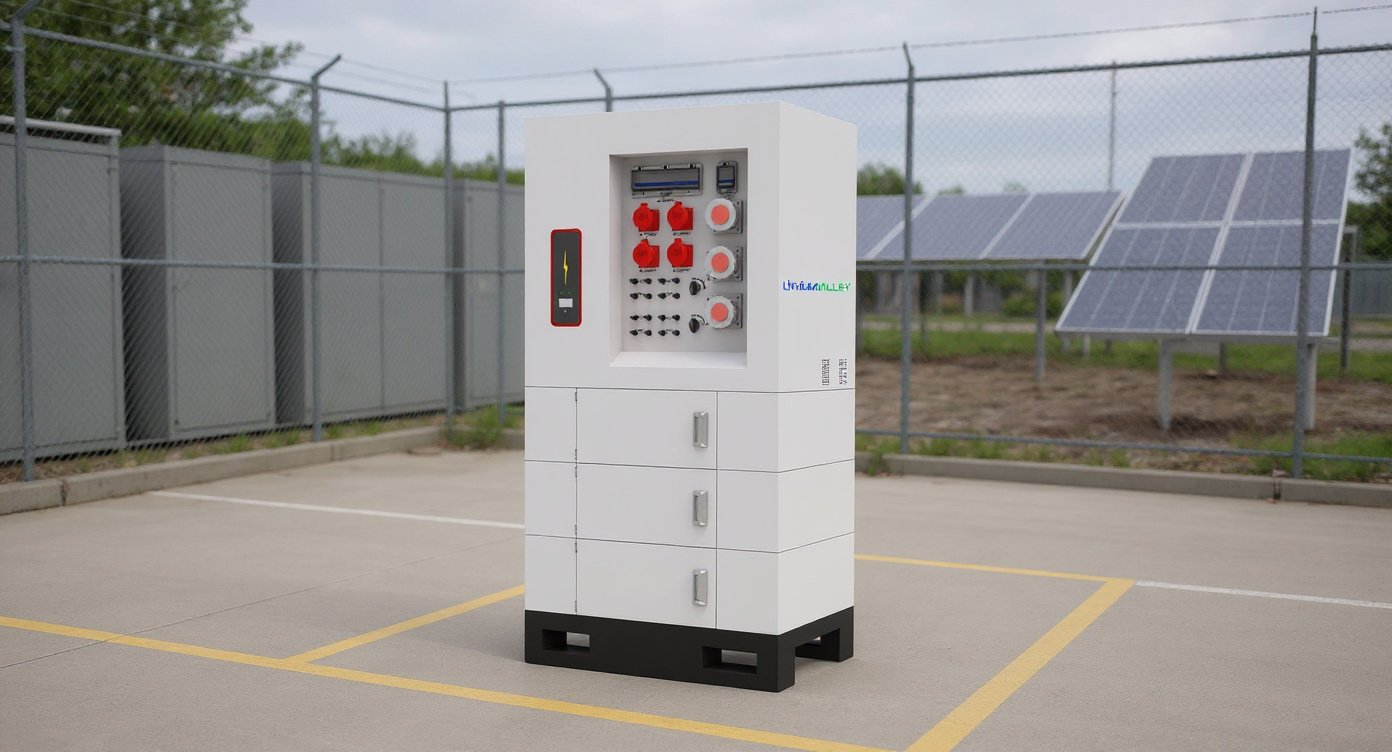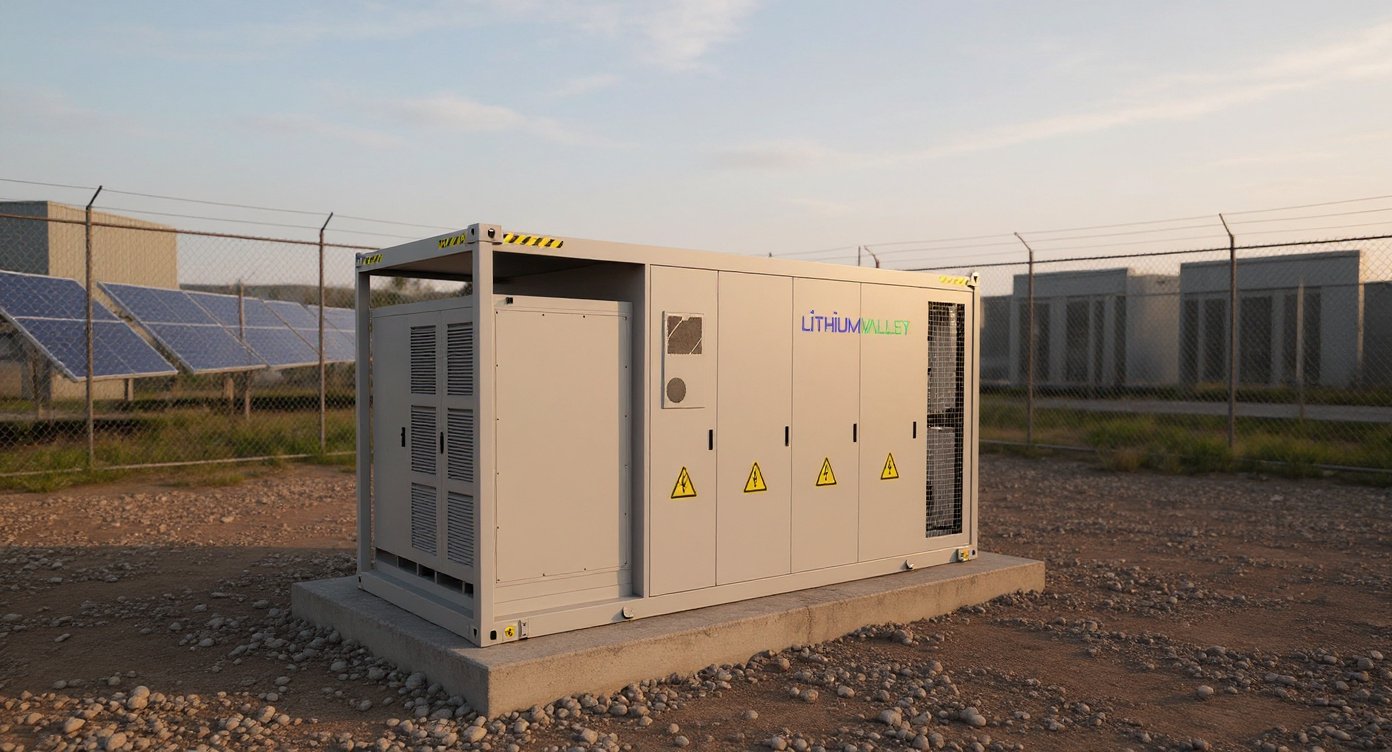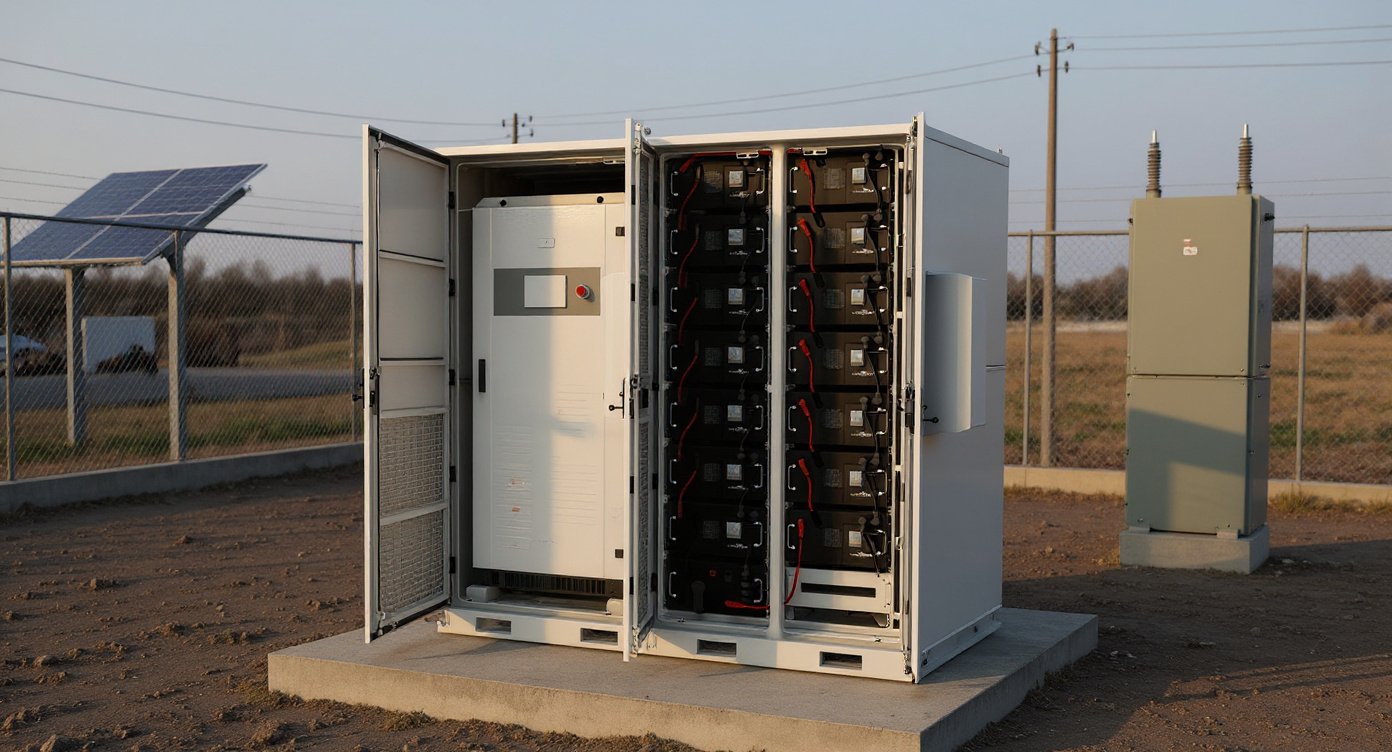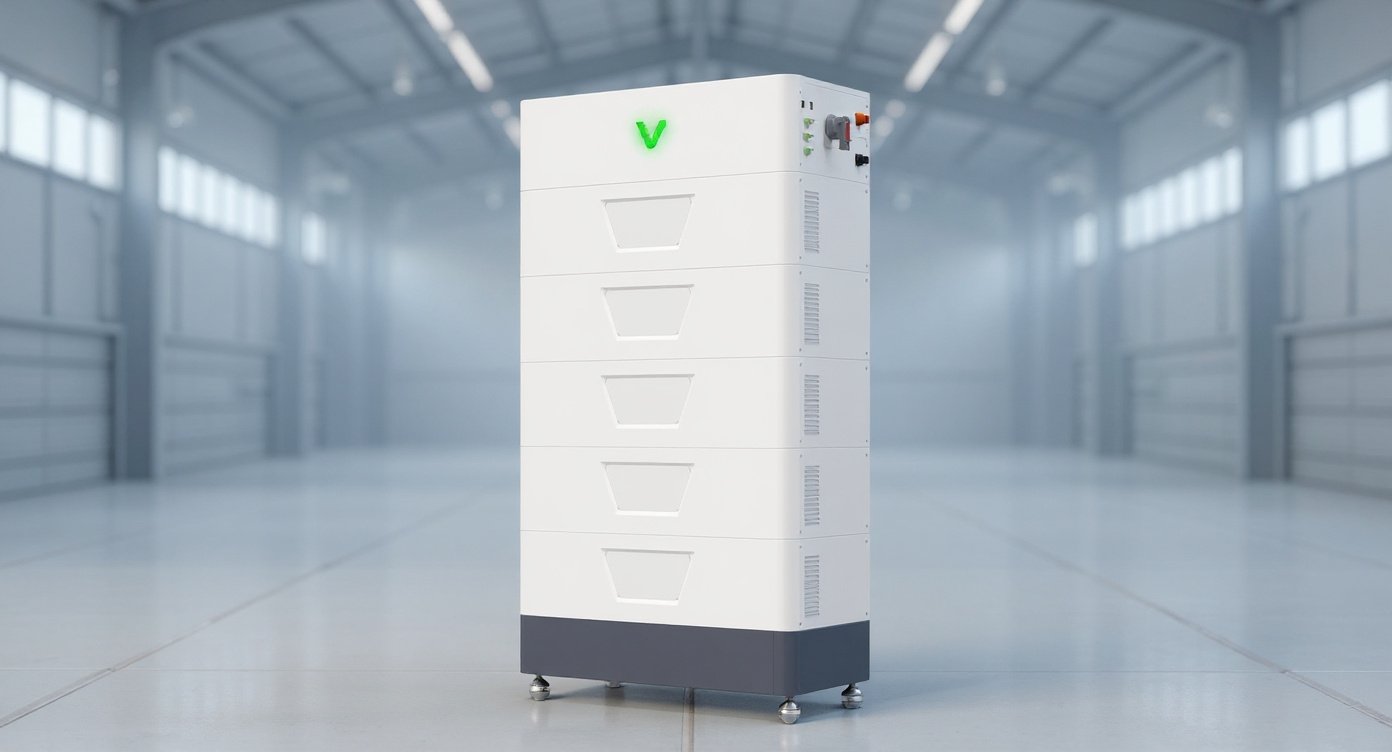
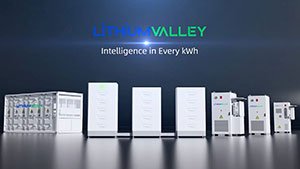


The short answer: this Outdoor C&l Cabinet(External Inverter) page shows a 200.7kWh nominal outdoor battery cabinet, but it does not yet publish the parts that decide whether the system works on your site, usable kWh, DoD, charge/discharge limits, efficiency, temperature window, or the exact PCS transfer behavior. That missing data matters more than the sticker on the door.
I’ve watched buyers get burned by that gap. A 180kWh cabinet looked perfect on paper, then the usable figure came back closer to 150kWh because the vendor held back reserve and capped discharge for temperature. The quote died right there. Not because the cabinet was bad. Because the math was fuzzy.
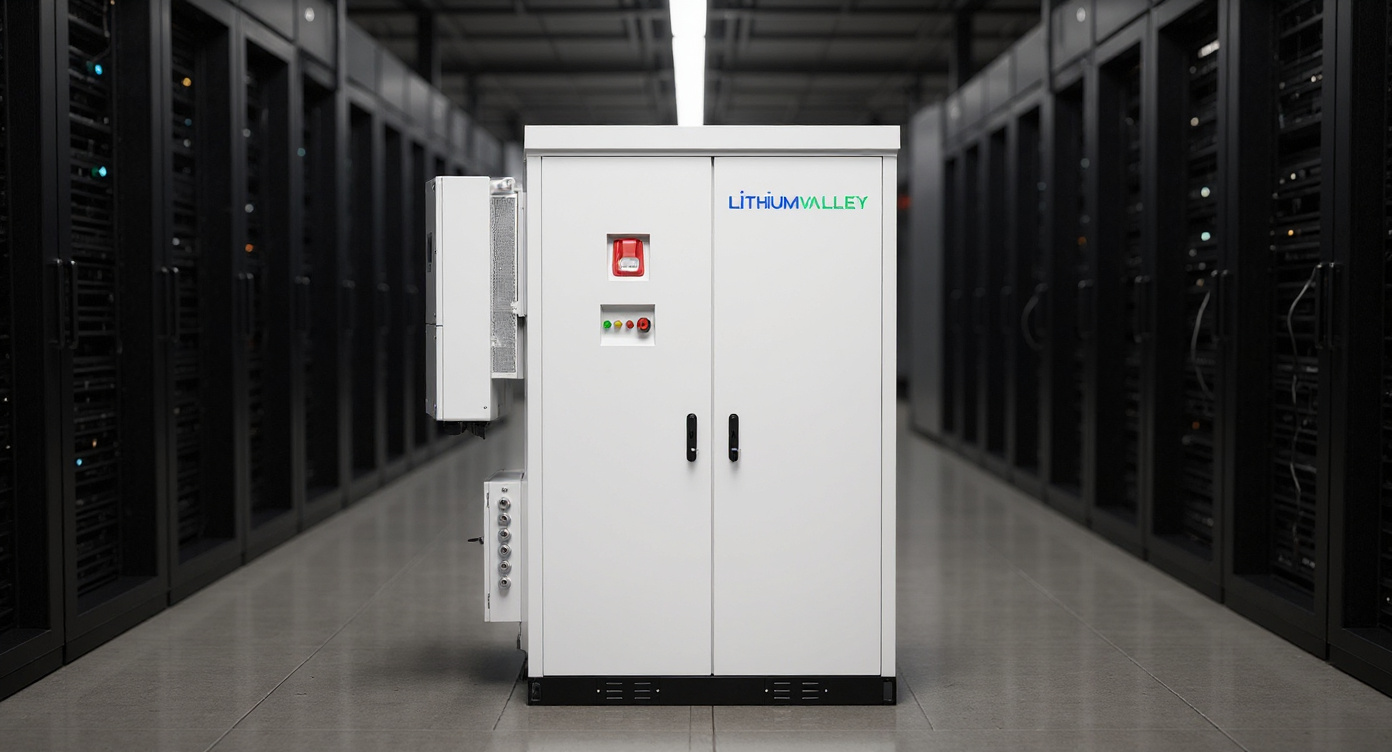
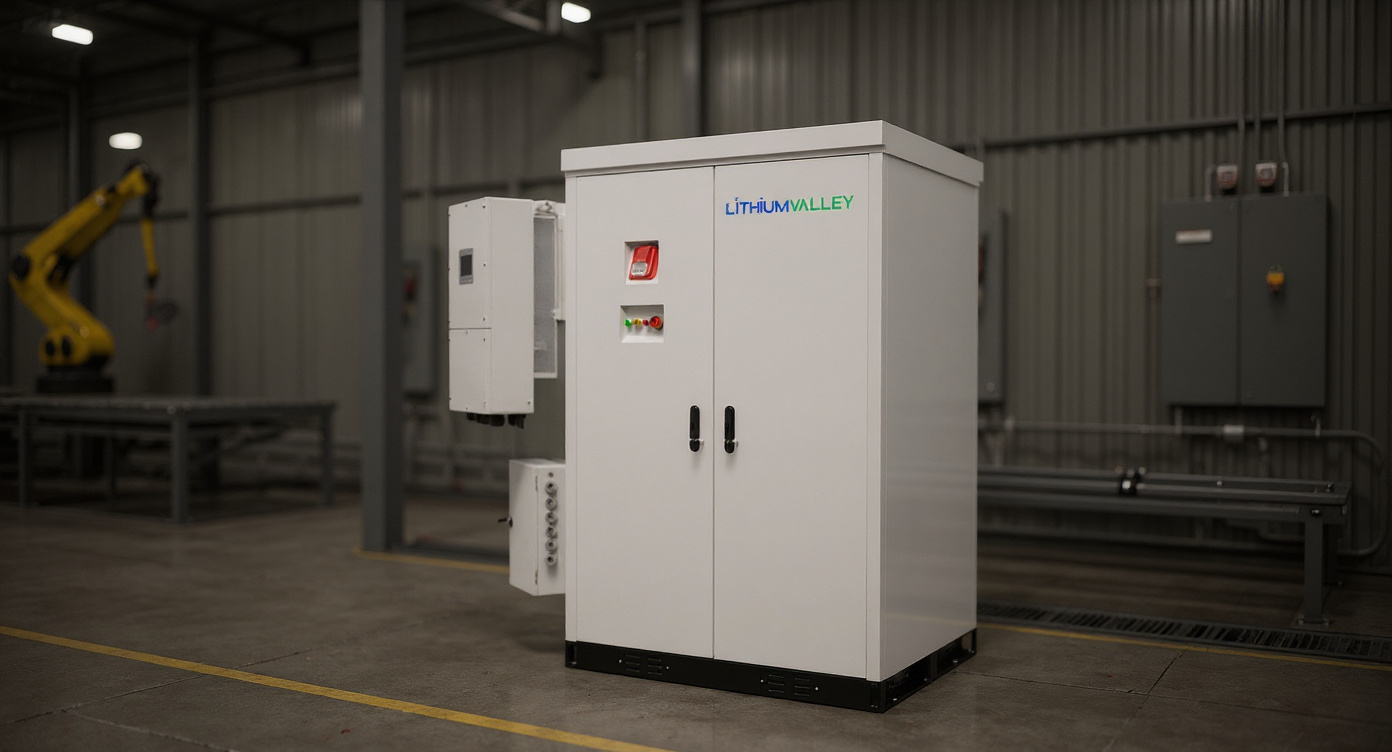
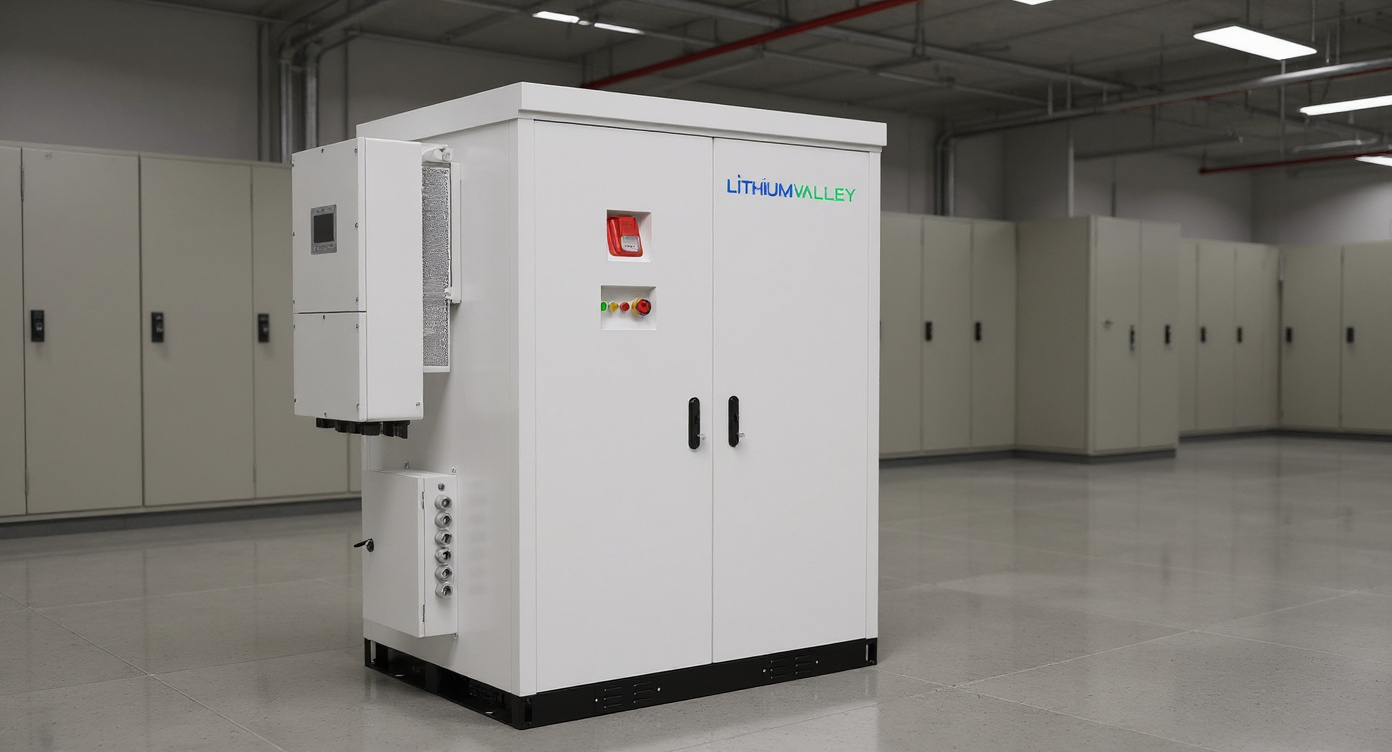
This is the hardware shown in the official source images, and that matters. Same enclosure. Same proportions. Same controls, connectors, labels, and component count. So the question is not, “What does the marketing say?” The question is, “What does this exact cabinet do when it’s wired into a real commercial site?”
What the cabinet page gives you, and what it still needs to prove
What we can point to right now:
– Outdoor C&l cabinet format
– External inverter / PCS architecture
– Nominal capacity listed at 200.7kWh
– Commercial and industrial use case
What is still missing from the page copy:
– Usable kWh
– Depth of discharge (DoD)
– Continuous and peak charge/discharge limits
– Round-trip efficiency
– Operating temperature range
– IP / corrosion rating
– Transfer or islanding behavior
– Published certification set
That list is the whole story. The rest is decoration.
1. Confirm the power path first
If the inverter is external, say so in plain English. If the cabinet is battery-only, say that too. If the PCS is separate, then the one-line diagram matters more than the brochure photos.
I’m opinionated about this because wiring mistakes get expensive fast. External PCS means more cabinet space outside the battery enclosure, more cable runs, more service access, and one more thing to size. It also makes maintenance easier. Trade-off. Good one, if you know it going in.
Here’s the first question set I’d use on any quote:
1. Is the PCS fully external, partially integrated, or optional by build?
2. Is the system AC-coupled, DC-coupled, or hybrid?
3. Does it support grid-tied only, or islanding too?
4. What is the transfer method, and what is the transfer time?
5. Is there a single-line diagram for this exact configuration?
If the seller can’t answer those in one pass, the offer is not ready.
2. The battery numbers that matter more than nameplate kWh
200.7kWh sounds clean. It sells itself. But nameplate capacity is not what a generator replacement engineer uses to size runtime. Usable energy does that job.
Ask for the actual numbers:
– Usable kWh, not just nominal capacity
– Maximum DoD at rated conditions
– Continuous charge and discharge power
– Peak power duration, if any
– Round-trip efficiency at the stated load point
– Temperature derating curve
I’ve seen a 200kWh-class cabinet deliver close to 170kWh in the field once reserve, temperature limits, and control logic all took their share. No drama. Just physics. This won’t work if the site needs every last kilowatt-hour at 40°C in a metal yard in August.
And yes, MPPT still matters if PV sits in the architecture. If solar input is part of the project, ask whether MPPT lives inside the cabinet, in the external PCS, or somewhere else in the system. Don’t accept a hand wave.
3. Fire protection and certification are not side notes
Outdoor storage sits under code, insurance, and utility pressure at the same time. That means the buyer should ask for documents before talking price.
For U.S. projects, I’d want to see the right paper trail tied to UL and fire code practice:
– UL energy storage system testing and certification
– UL 9540A and NFPA 855 guidance
– Site-specific AHJ requirements
If the cabinet claims fire suppression, ask what triggers it, what sensors are used, and whether the system isolates a faulted module or just throws an alarm. A suppression badge without a test basis is just paint.
Honestly, if you live in a humid coastal climate, I’d skip this entirely unless the enclosure corrosion spec is spelled out. Salt mist eats cheap hardware. I’ve seen door latches fail before the batteries did.
4. Comparison table, because this keeps getting mixed up
| Setup | What it usually means | What to confirm | Best fit |
|---|---|---|---|
| Outdoor cabinet with external inverter | Battery cabinet and PCS are separate | PCS topology, transfer logic, usable kWh, comms | Sites that want service access and flexible design |
| Integrated battery cabinet | Battery and conversion gear share one enclosure | Whether the inverter is really inside, cooling, service path | Simpler equipment list, tighter packaging |
| All-in-one hybrid cabinet | Battery, inverter, and controls are packaged together | Serviceability, fault isolation, spare parts | Smaller commercial jobs with limited space |
| Containerized BESS | Larger packaged storage system | Fire model, spacing, commissioning scope | Campuses, utility-adjacent sites, bigger loads |
| Battery room with separate PCS | Indoor or sheltered installation | HVAC load, code path, maintenance access | Sites with room and controlled environment |
The external-inverter format is not better for every job. It is better when the project team wants to keep power electronics out of the battery enclosure. That’s a real benefit. Also a real cost.
5. Documents I would ask for before signing off
Use this list before a PO, not after:
1. Datasheet for the exact model shown in the source images
2. One-line diagram for the exact configuration quoted
3. Usable kWh and DoD declaration
4. Charge and discharge power limits, continuous and peak
5. Round-trip efficiency test point
6. Operating temperature range and derating curve
7. IP rating and corrosion protection details
8. Fire detection / suppression description with test basis
9. Communications list, alarm list, and remote monitoring method
10. Certification set tied to the build, not a generic brochure
That’s the procurement spine. Without it, you are comparing stories, not systems.
6. How I’d compare it against the usual options
If you already have a site electrician and a preferred PCS brand, this external cabinet can make sense. If you want one vendor to own more of the stack, an integrated cabinet may be cleaner. If the project is large and the code path is already heavy, a containerized BESS might be the right move.
No one loves that answer. It’s still the right one.
FAQs
What is the listed capacity of this cabinet?
The source page lists 200.7kWh.
Is that 200.7kWh usable energy?
Not confirmed. The page does not publish usable kWh or reserve policy.
Is the inverter included?
The product is presented as an external inverter cabinet, so the PCS is not shown as integrated in the battery enclosure.
Can this run off-grid?
Only if the external PCS and transfer design support islanding. The page does not publish that behavior.
What certifications should I ask for?
Ask for the assembled-system certification set, plus UL 9540A test evidence and local fire-code alignment, such as NFPA 855 in the U.S.
What should I ask about temperature?
Ask for the operating range, derating curve, and what happens to discharge power at high ambient temperatures.
Does MPPT matter here?
Yes, if PV is part of the system. You need to know where the MPPT function lives, inside the cabinet or in the external PCS.
How long will backup run with 200.7kWh?
That depends on usable energy and site load. For a 20kW load, 200.7kWh nominal is the right neighborhood for a long backup window, but usable runtime can be 10% to 20% lower after reserve and losses.
What remote monitoring should be included?
At minimum, status, alarms, fault history, temperature data, and communication for maintenance staff. “It’s online” is not enough.
Where can I compare this to a related setup?
Start with our Outdoor C&l Cabinet(External Inverter) page, then compare it with a related external PCS cabinet option and our battery storage procurement notes.
Bottom line
If you need a clean C&I storage quote, this cabinet is only easy to buy when the seller gives you the real numbers: usable kWh, discharge limits, thermal behavior, transfer design, and certification paper. The 200.7kWh figure is a start. Not the finish line. Not even close.
Use the product page, the docs, and the code path together. That’s how you keep a quote honest.