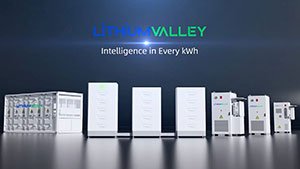


If you’re comparing the 20-100kWh Mobile Energy Storage System to other temporary-power options, start with the boring stuff: usable energy, output power, connector set, mobility hardware, and the safety paperwork that goes with it. The page gives you the battery range, 20kWh to 100kWh, and a noise claim below 60dB. That’s useful. It is not the whole story.
I’ve seen people buy the wrong unit for the right job. A pop-up food vendor once asked me for “the biggest battery.” Turns out the real issue was a long cable run, a mismatched inlet, and a charger that needed a different voltage window. The battery size was fine. The rest was a mess.
No guessing.
What the kWh number tells you, and what it doesn’t
kWh is stored energy. That’s it. It tells you how long the system can keep going at a given load, but not whether it can handle motor starts, surge loads, or a site that swings from 2kW to 18kW in ten minutes.
So a 20kWh unit can be a good fit for short bridge power, light temporary loads, or a hybrid setup with another source doing the heavy work. A 100kWh unit makes more sense when the shift is long, the recharge window is short, or the site can’t tolerate a generator starting every few hours.
Still not enough.
The page also says the unit runs below 60dB. That matters near occupied spaces, but I’d want the test condition in writing. Was that measured at 1 meter or 7 meters? At 25% load or full output? On pavement, or in a yard with reflected sound? Those details change the number a lot.
Honestly, if you live in a humid coastal climate and the unit is going to sit outside all season, I’d want the enclosure rating, connector protection, and corrosion plan before I touched the quote. Salt gets into everything. Every seam.
Which specifications decide the job?
These are the specs that decide whether the Mobile Energy Storage System specifications fit the site or just look good in a brochure:
1. Continuous output in kW, because capacity without enough power is a half-answer.
2. Surge rating, because pumps, compressors, and motors don’t read spec sheets.
3. Input sources and charging paths, since the page says PV, diesel, and wind generation are supported.
4. Exact connector set, including plugs, inlets, outlets, and any service ports.
5. Mobility hardware, because towable, skid-mounted, and liftable are not the same job.
6. Noise measurement condition, since “below 60dB” needs a distance and a load.
7. Safety documents, including BMS logic, isolation method, emergency stop, and commissioning steps.
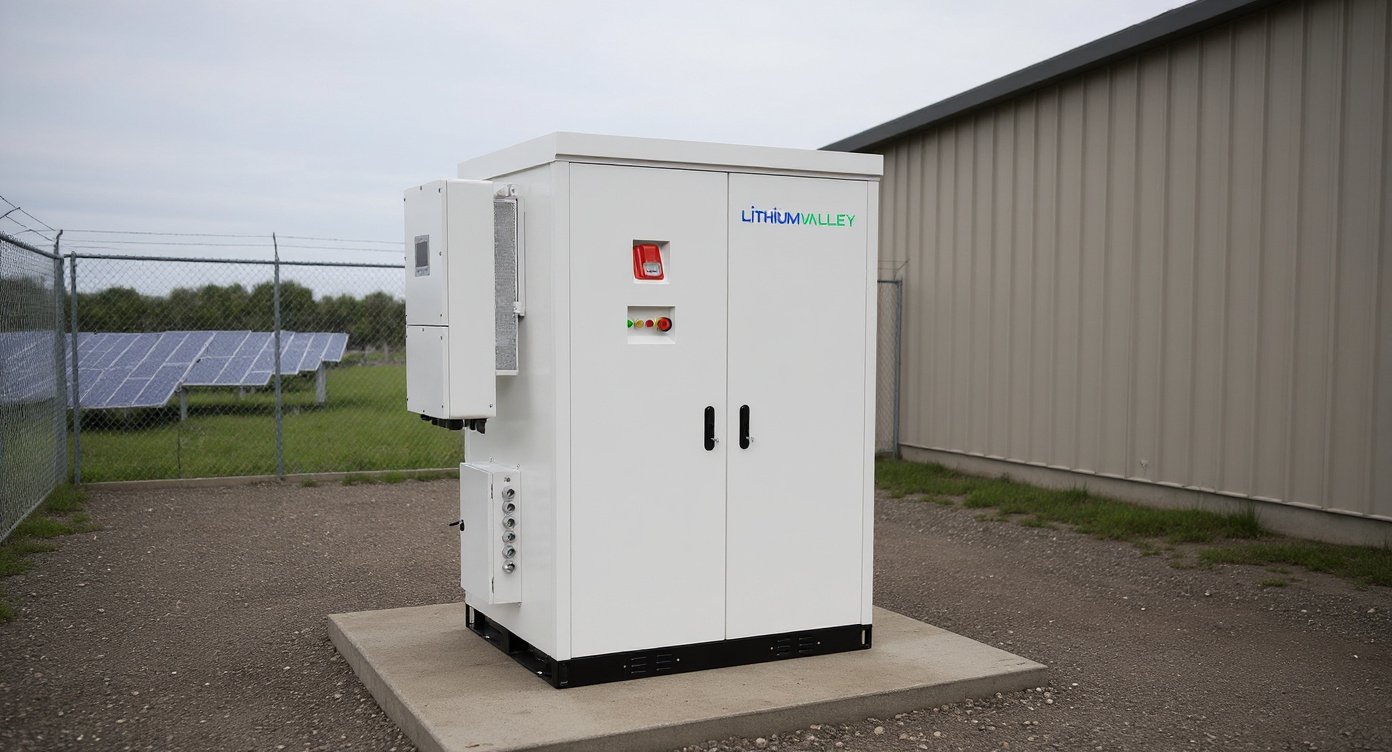
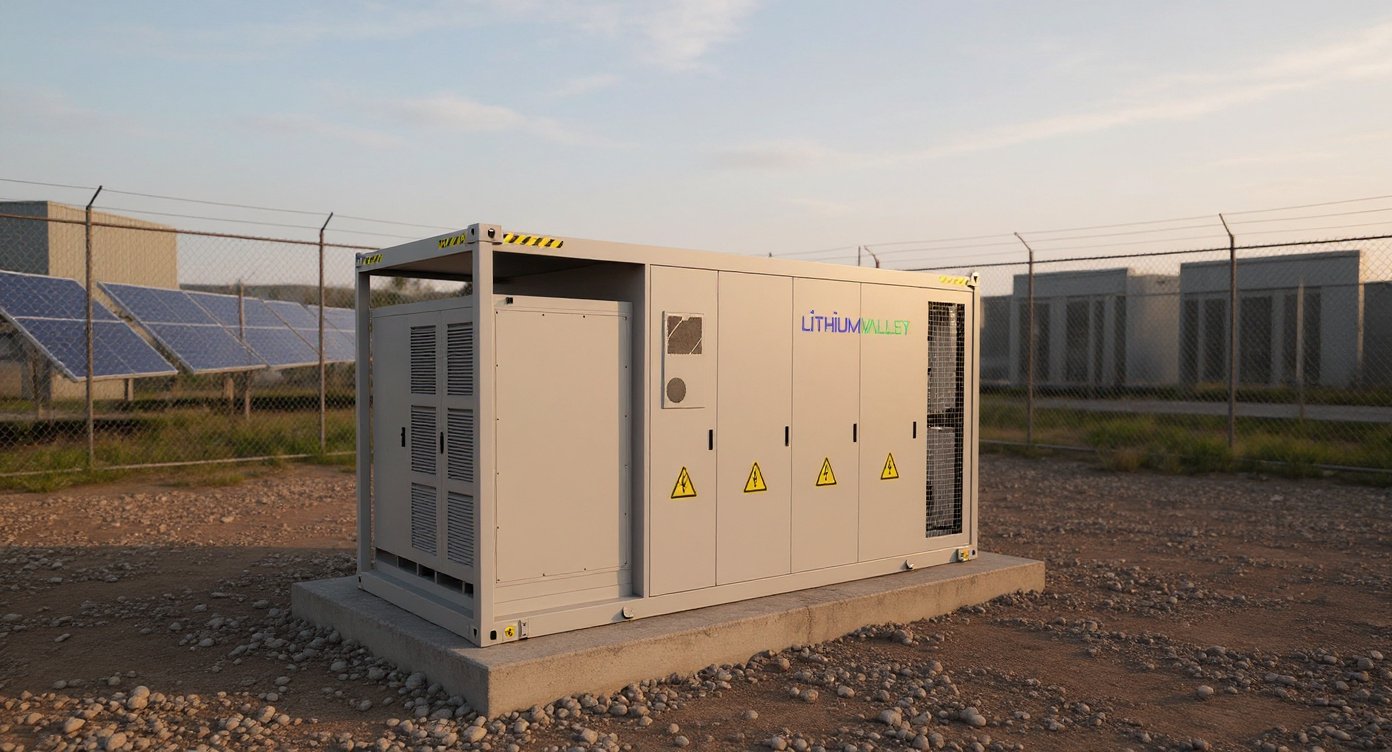
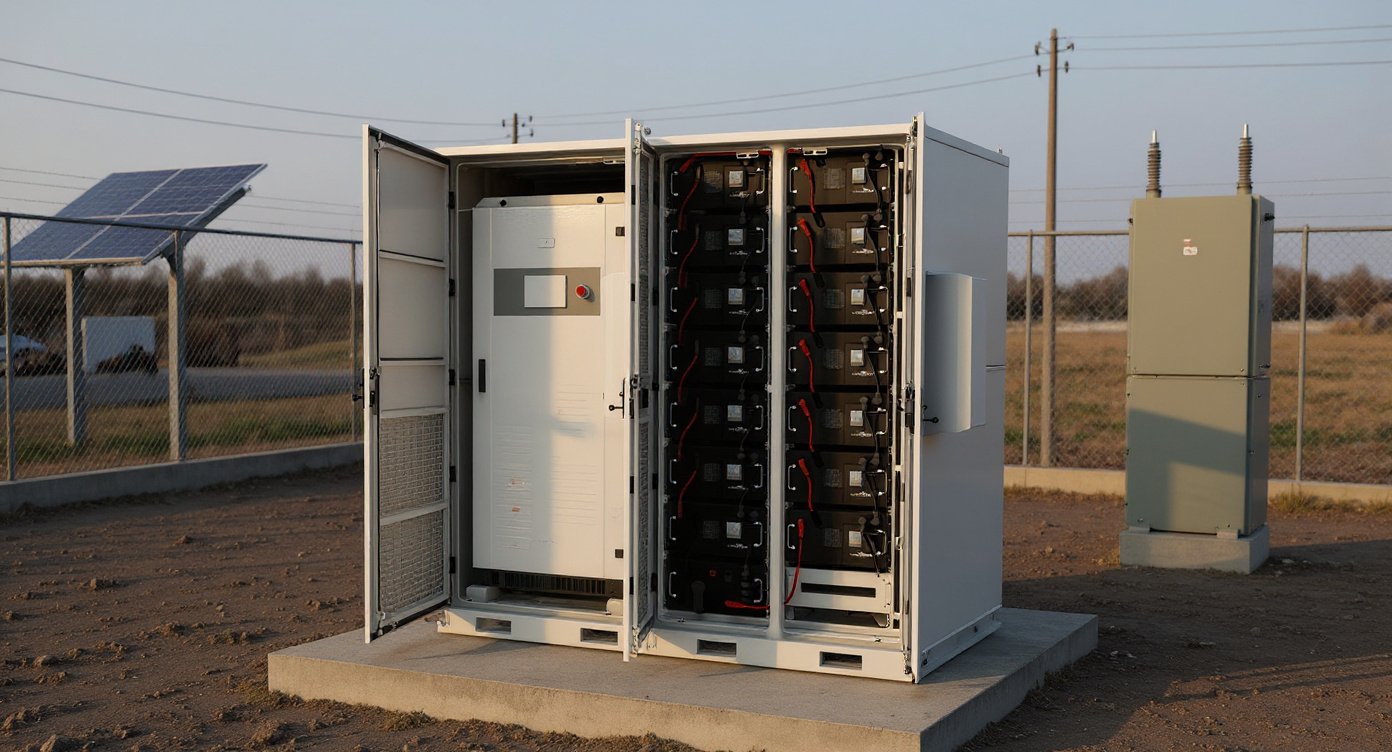
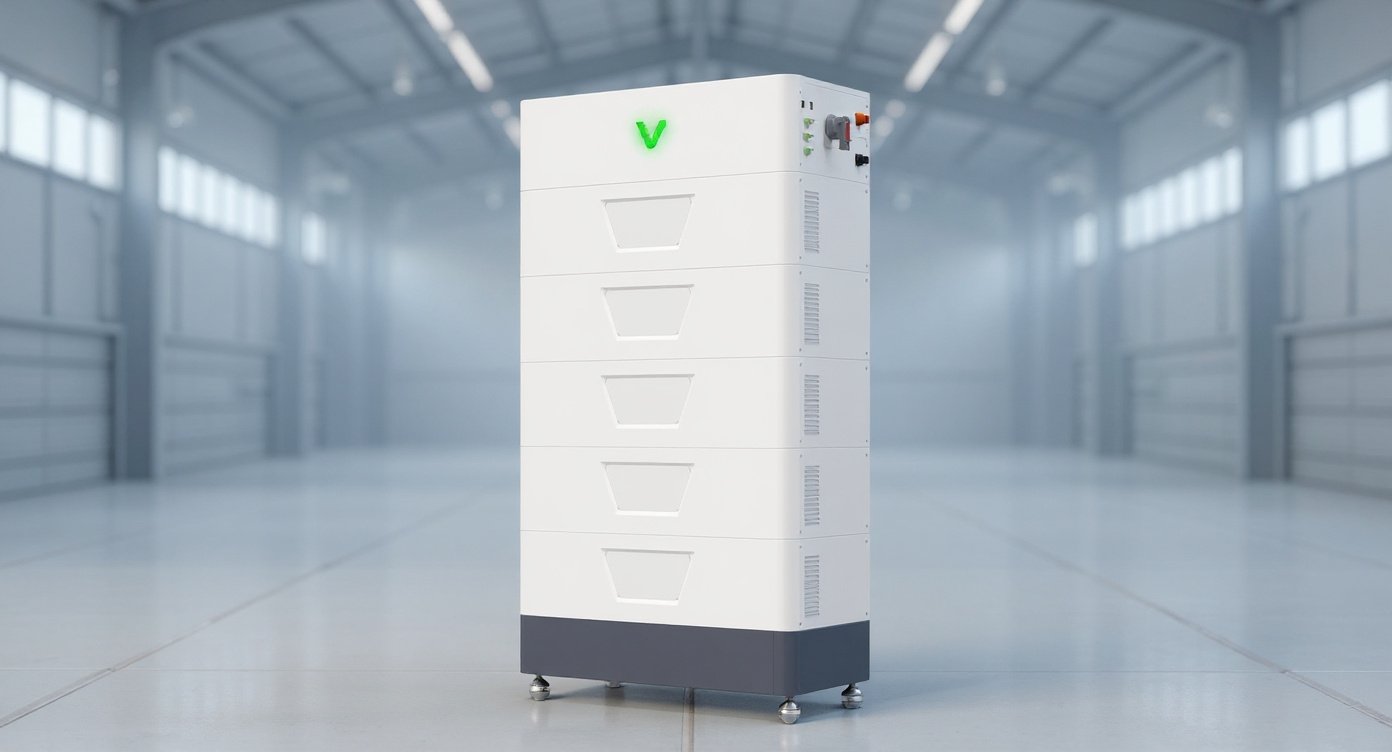
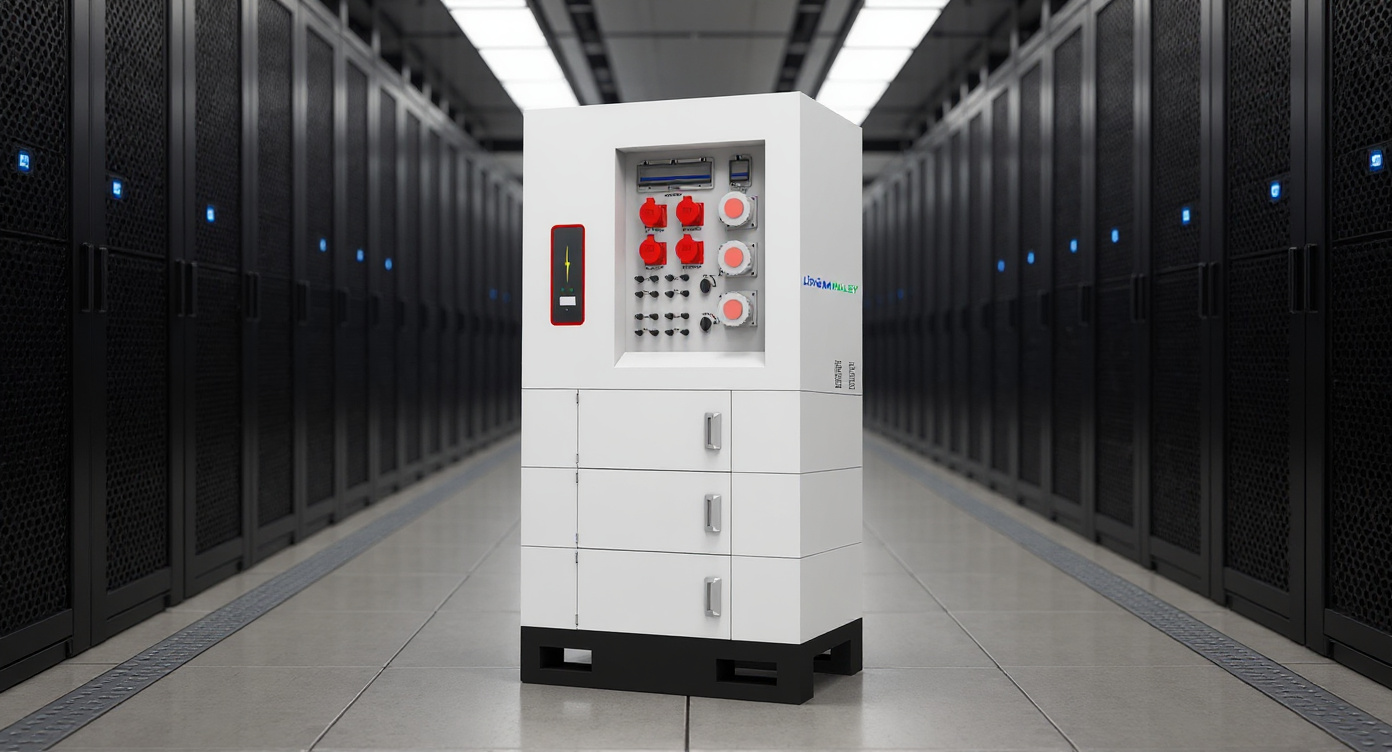
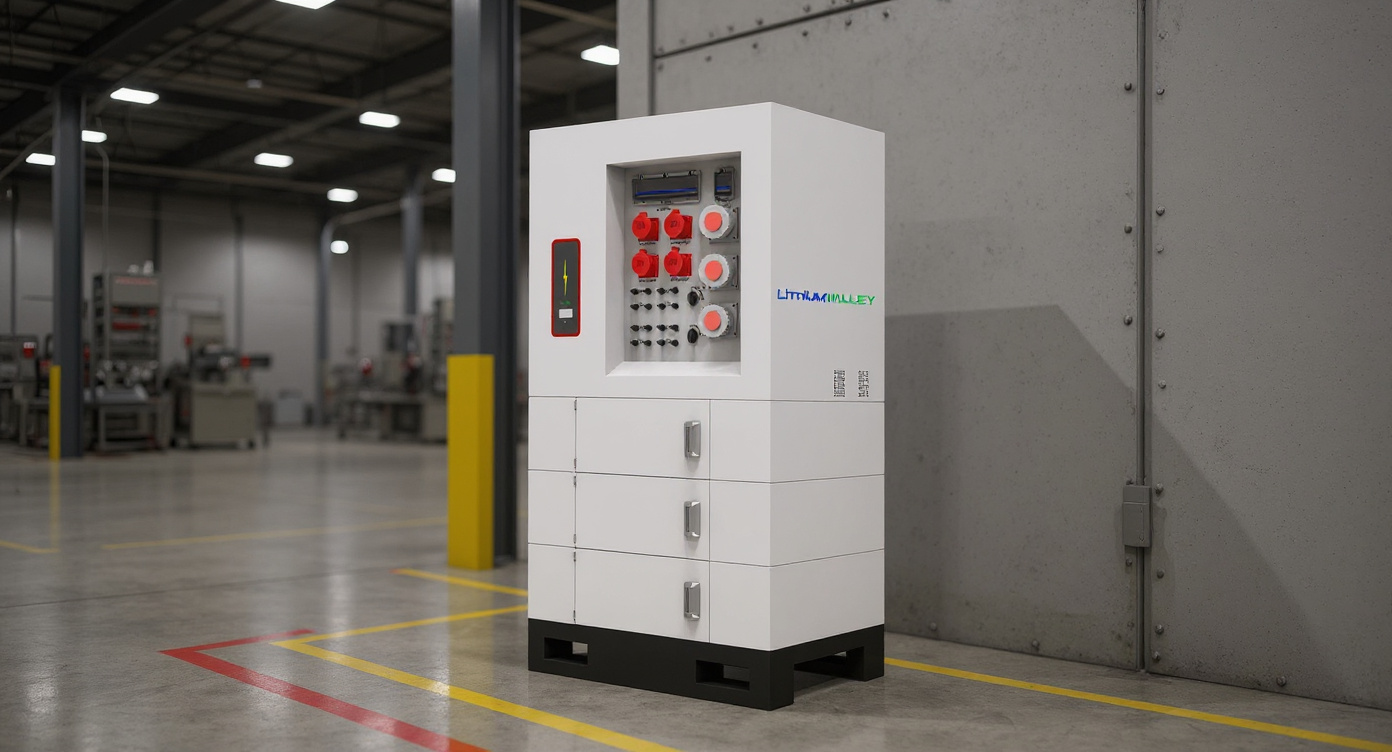
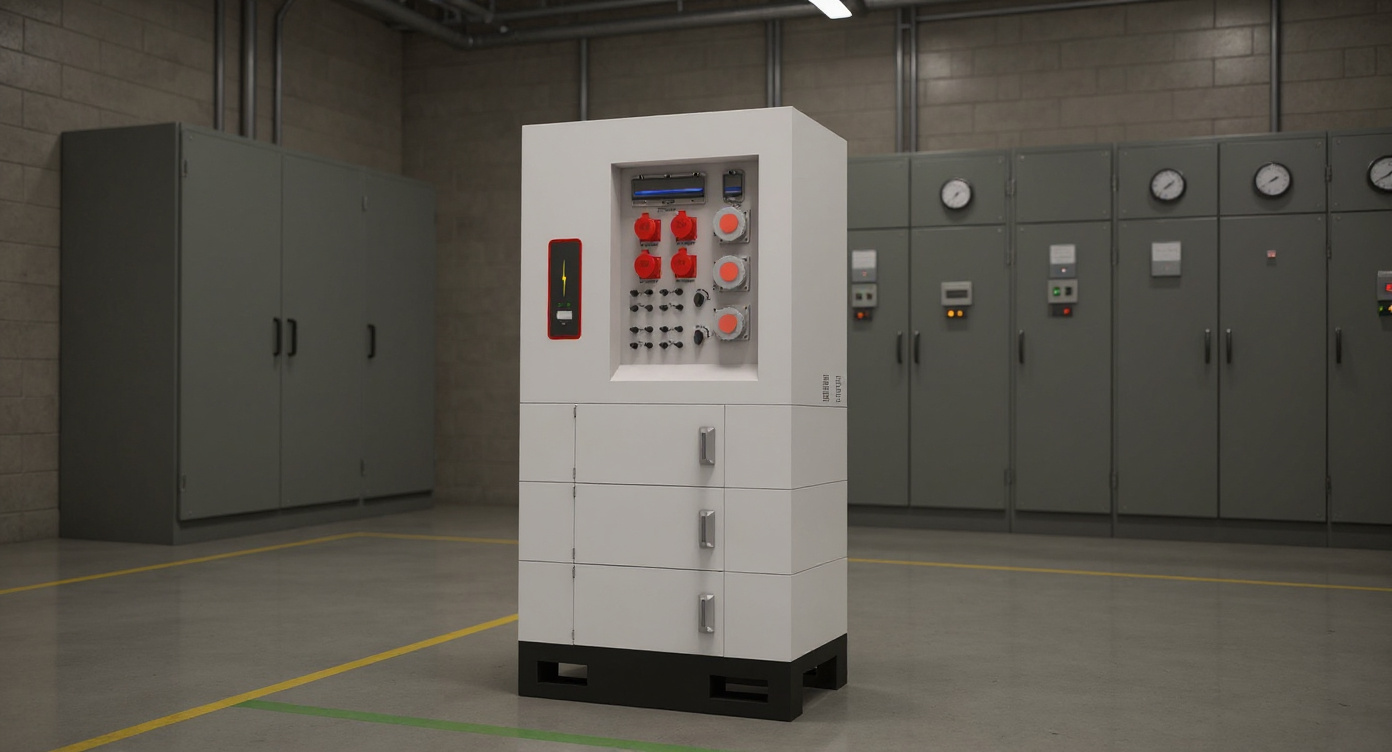
The exact hardware shown in the official source images matters here too. Enclosure shape. Control layout. Connector count. Color. Label placement. If those details change, the install plan can change with them.
If you’re comparing the Mobile Energy Storage System to other options, ask for the power rating first. Capacity gets the headline. Power decides whether the job works.
20kWh, 50kWh, and 100kWh compared
Here’s the clean way to compare the range on offer.
| Specification | 20kWh setup | 50kWh setup | 100kWh setup | What to verify |
|---|---|---|---|---|
| Energy buffer | Short runtime | Mid-shift buffer | Long runtime | Usable kWh after reserve settings |
| Load tolerance | Tight margin | Better for mixed loads | Best for long peaks | Continuous kW and surge kW |
| Recharge window | Frequent | Moderate | Fewer interruptions | Charge time at your actual source |
| Mobility burden | Easier to move | Middle ground | Heaviest handling plan | Tow, lift, floor loading, clearance |
| Noise claim | Below 60dB on page | Below 60dB on page | Below 60dB on page | Distance, load, and test setup |
| Site fit | Short jobs, small loads | Mixed temporary power | Longer shifts, bigger peaks | Duty cycle and weather exposure |
A 20kWh unit is not “small” if the job is a four-hour load with decent charging gaps. A 100kWh unit is not automatically better if the site only needs a few kilowatt-hours and the enclosure will sit idle half the week.
I’ve watched people overspend because they treated battery size like a trophy. It isn’t. It’s a match between load shape, recharge window, and where the thing has to sit.
Safety and procurement checks before delivery
Energy storage purchases go sideways when the paperwork arrives after the truck does. UL’s energy storage system testing and certification overview is a good reminder that testing, certification, and installation scope are separate things.
Fire and spacing matter early. The UL 9540A and NFPA 855 guidance explains why thermal runaway testing, separation distances, and installation rules show up in procurement. If the owner, installer, and inspector are reading different documents, somebody is guessing.
The DOE battery energy storage procurement checklist covers the unglamorous parts that save projects, site access, service space, acceptance testing, and maintenance planning. That page has saved more bad buys than any sales pitch ever did.
Ask for these in plain language:
– Exact continuous output rating.
– Surge rating.
– Full connector list.
– Mobility method and movement limits.
– Environmental rating.
– Emergency shutoff and isolation method.
– Commissioning and acceptance test steps.
– Any site-specific safety requirements.
Real questions buyers ask
How long does a 20kWh battery last?
Divide usable kWh by average load in kW. At 2kW, 20kWh looks like 10 hours. At 5kW, it looks like 4 hours. In real use, inverter losses, reserve settings, temperature, and load spikes shave that down.
How much does a 100kWh battery cost?
Quote only. The price moves with output rating, connector set, mobility hardware, environmental rating, and certification scope. Two systems with the same battery size can land thousands apart.
How heavy is a 100kWh battery?
You need the shipping weight and the operating weight. Don’t accept a capacity number as a weight substitute. The handling gear matters as much as the cells.
How much does a 20kWh battery weigh?
Same answer. Ask for the real handling number, not a guess. A compact enclosure with serious steel frame members can weigh more than people expect.
Is below 60dB quiet enough for a job site?
Often, yes, if the unit sits away from occupied areas. Not if it’s parked under a window or next to a break area. Ask how and where that measurement was taken.
Can the system charge from solar, diesel, and wind?
The product page says yes. What still matters is the charge controller setup, input limits, and whether those sources can charge while the system is supplying load.
What makes this different from a regular portable power station?
Size, handling, and integration. A portable power station is usually a carry or cart product. This is a site machine, with real connectors, real safety steps, and real movement limits.
Can you run a commercial site on solar and battery only?
Sometimes. It depends on the load shape, storage size, available solar area, weather pattern, and how much downtime you can tolerate. For long peaks or weak sun windows, hybrid planning is safer.
Does portable mean it can be moved anywhere?
No. Portable in project terms often means towable, liftable, or repositionable with gear. It does not always mean one person can roll it through a doorway.
What I’d ask for before signing
I’d want the exact specification sheet, the connector drawing, the weight, the movement rules, and the noise test condition. Then I’d want the safety docs. Then I’d want the installer to tell me what they’ve actually seen on site, not what the brochure says.
That’s how you avoid the expensive surprise. Not the battery size. The mismatch.
If that’s the problem you’re trying to solve, browse our Mobile Energy Storage System and start with the site requirements first.