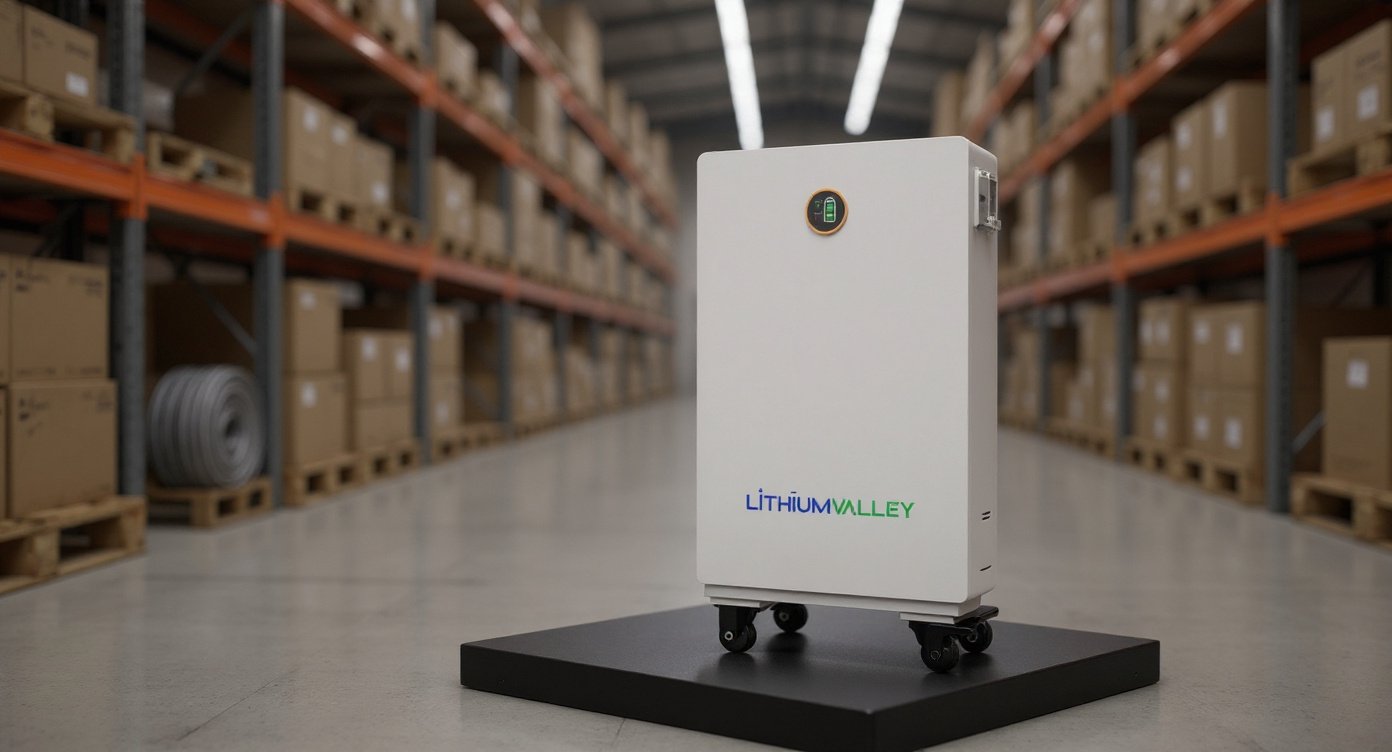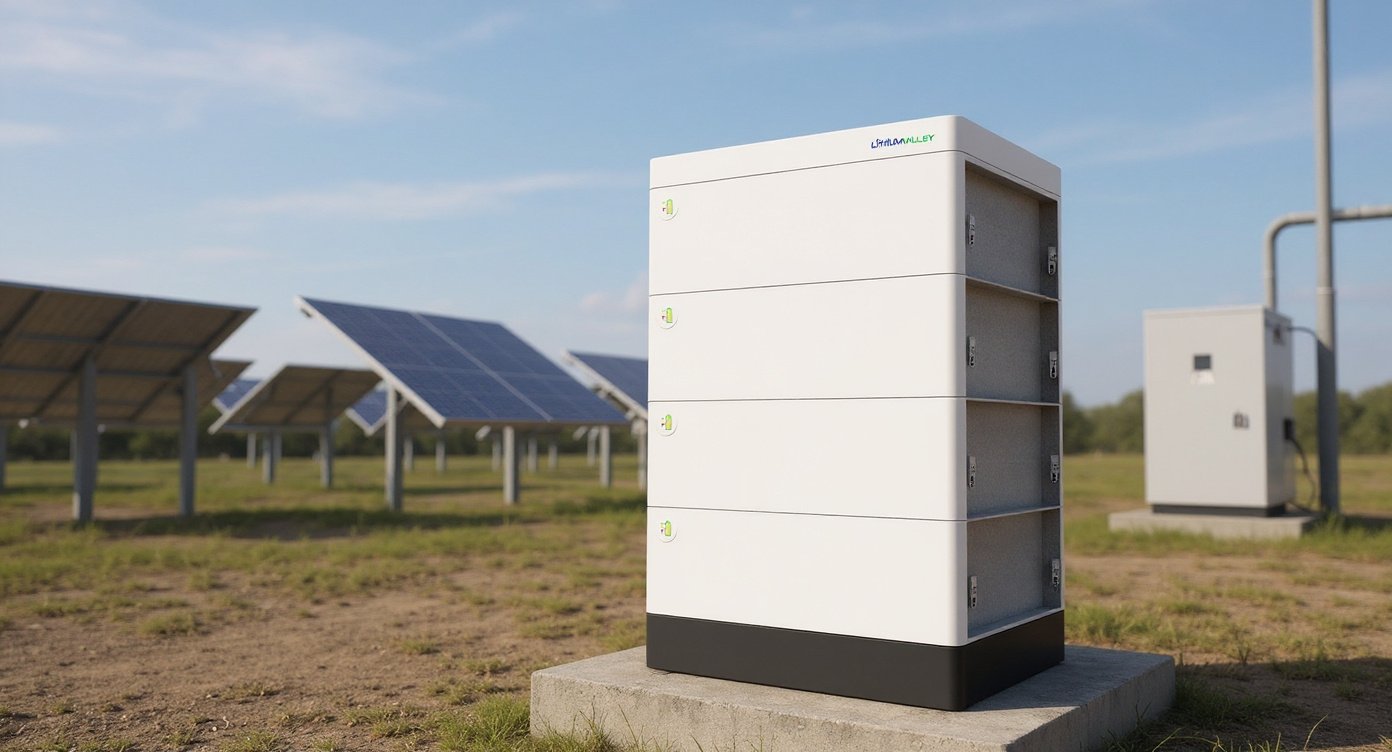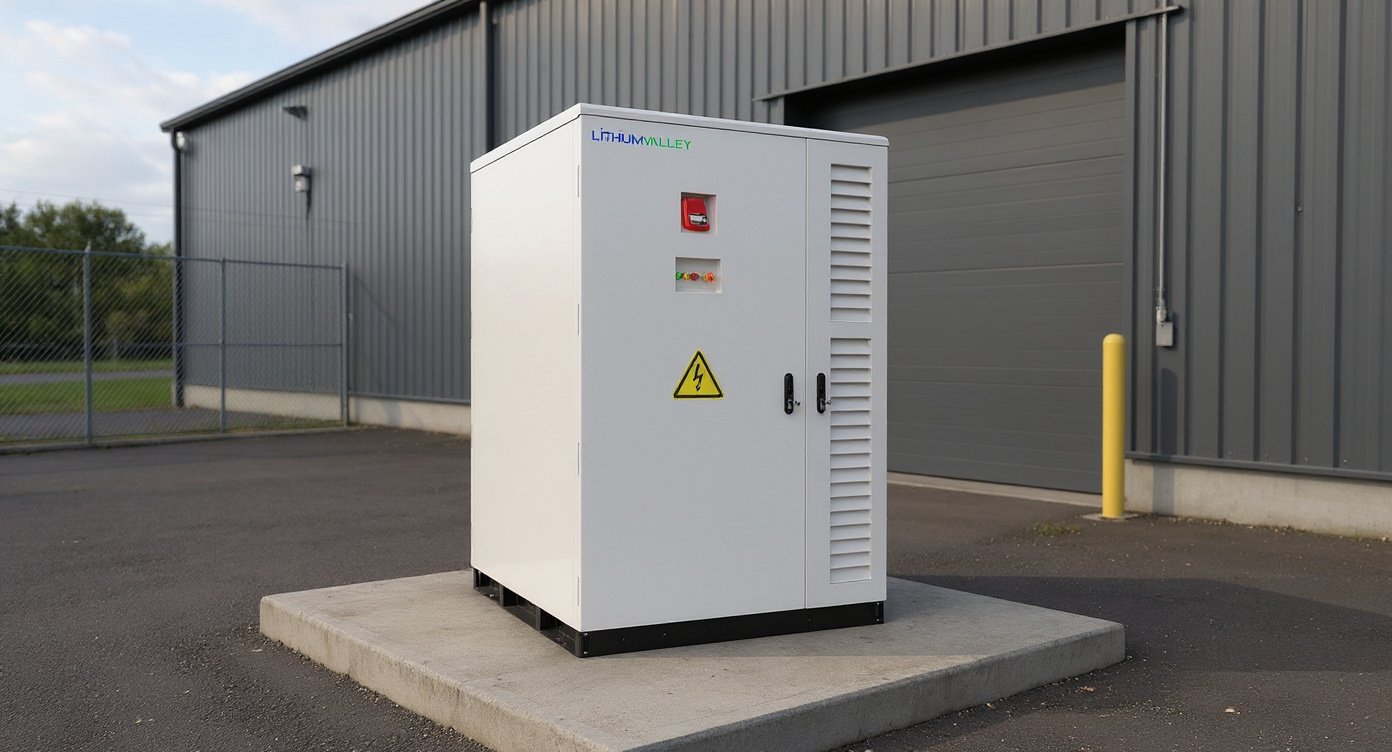
If you’re talking to a W32-E5 Home Energy Storage Battery supplier, here’s the short answer first: this unit makes sense for households that want a wall-mounted LFP battery for solar self-consumption, essential-load backup, and staged expansion later. It is not the right pick if you expect one battery to carry a big all-electric house through long outages with central AC, electric water heat, and EV charging running like nothing happened. That’s fantasy. What matters most is the actual pack size, 51.2V architecture, inverter compatibility, cycle life, and whether the enclosure format shown in the official product images fits your install location and service access.
I spend a lot of time around storage gear, and one thing I’ve learned is simple: the pretty brochure is never the hard part. Cable routing is. Clearance is. Getting the inverter and battery to stop arguing over CAN comms on a Friday afternoon. That’s the real test.
Quick specs on the exact W32-E5 hardware
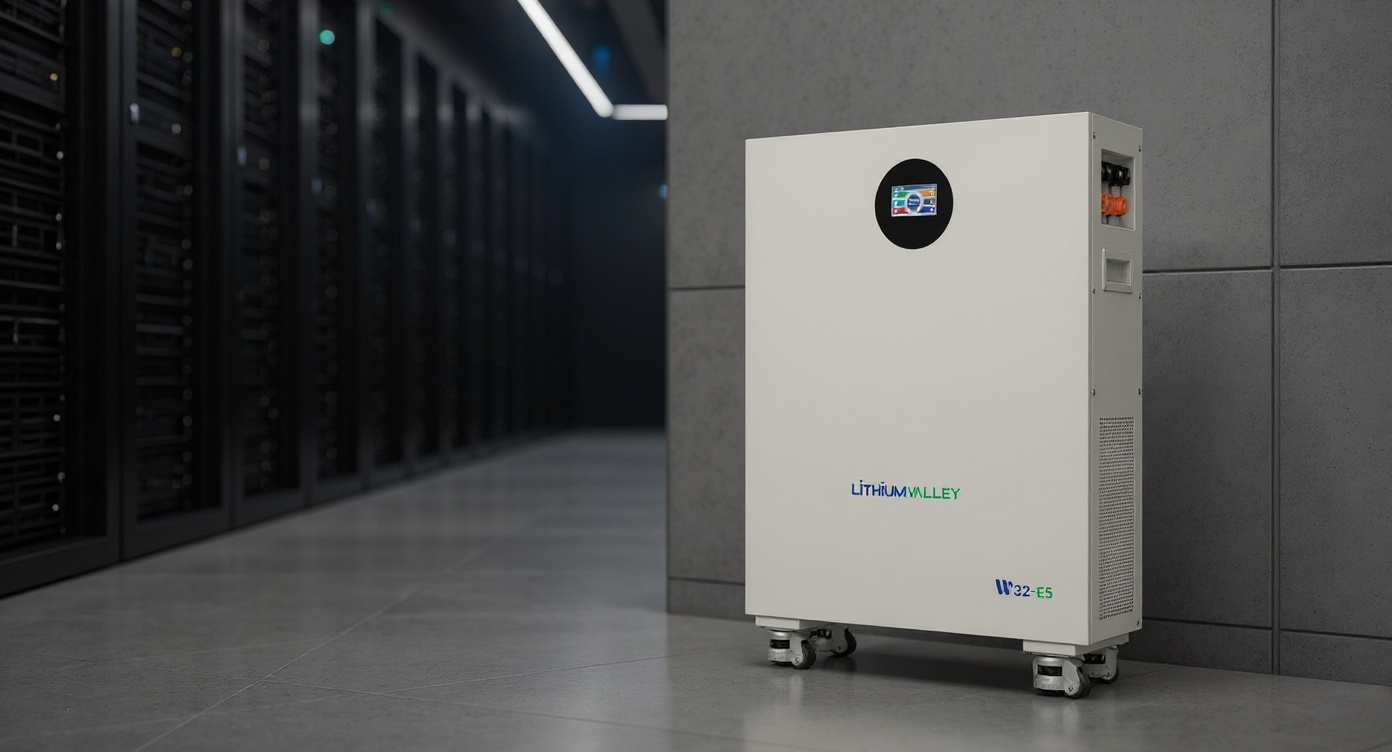
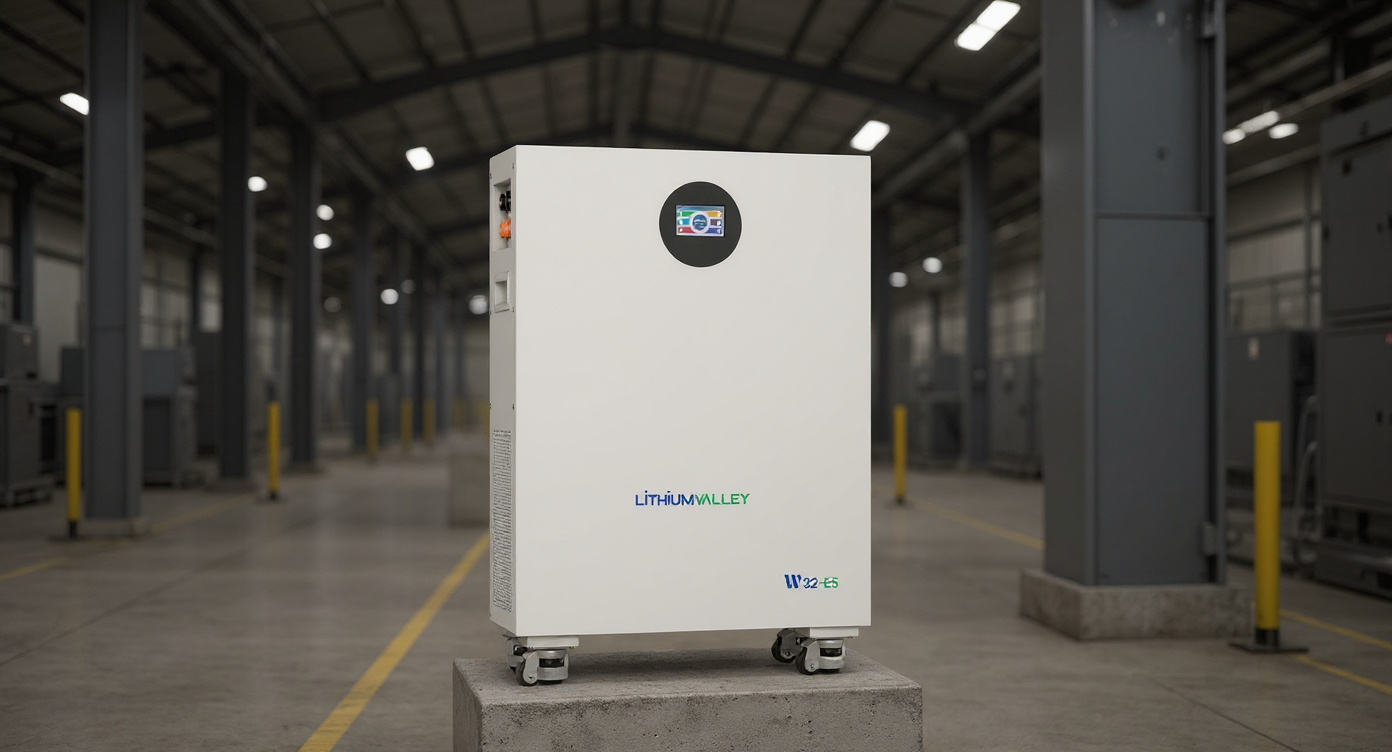
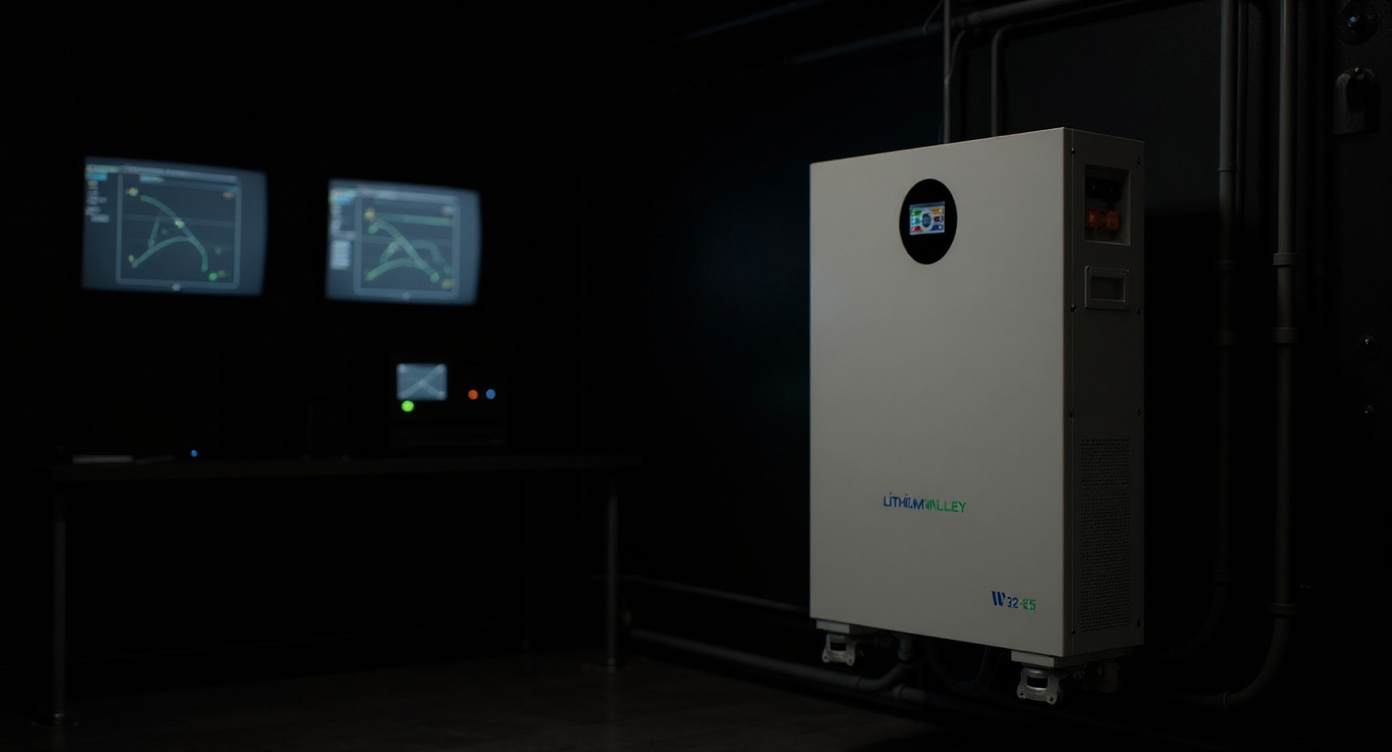
This article is about the exact W32-E5 Home Energy Storage Battery hardware shown in the official source images, not some generic server-rack pack and not a portable power station. Same enclosure. Same front layout. Same controls and connectors.
Here are the core details buyers usually want up front.
| Spec | W32-E5 Home Energy Storage Battery | Why it matters |
|---|---|---|
| Battery chemistry | LiFePO4 (LFP) | Better cycle life and thermal behavior than NMC in home storage |
| Nominal voltage | 51.2V | Standard low-voltage residential battery architecture |
| Nominal capacity | 100Ah | Tells you the cell stack size |
| Nominal energy | 5.12kWh | The headline storage figure |
| Usable energy | about 4.6kWh to 4.9kWh depending on inverter reserve settings | What you can expect in real use, not brochure math |
| Cycle life | 6000 cycles at stated conditions | A daily-cycling battery can last many years if treated properly |
| Expansion | up to 15 units in parallel | Important if you want to start small |
| Communication | RS485 / CAN | Critical for inverter integration and SOC reporting |
| Installation format | wall-mounted cabinet | Affects access, clearances, and where it can live |
| Warranty | 10 years | Fine. Not unusual anymore |
|
A note on usable energy, because this gets abused in marketing. A 5.12kWh LFP pack almost never behaves like a full 5.12kWh in an installed home system. Installers leave reserve. Inverters have their own floor settings. Cold weather bites into performance. So if someone promises you every watt-hour on every cycle, I wouldn’t trust the next sentence either.
What this battery is actually built to do
Three jobs, mostly.
First, keep essential circuits running during outages.
Second, store solar from midday so you can use it after dinner when utility prices are worse and your roof is doing nothing.
Third, shift energy use away from expensive time-of-use periods.
That sounds obvious, but a lot of homeowners get pitched batteries as if backup is the only reason to buy one. In practice, daily cycling is often where the value shows up. If your utility buys solar exports for peanuts and sells it back at retail after sunset, a battery can close part of that gap.
I saw this with a customer last summer. Small ranch house, 7.2kW solar array, evening peak pricing from 4 p.m. to 9 p.m. Before storage, he was exporting plenty at lunch and buying power at dinner. After adding storage, his bill pattern changed fast. Not magic. Just better timing.
What I like about the W32-E5, and what I don’t
I like the format.
The wall-mounted enclosure is clean, compact, and familiar to installers who work with 51.2V LFP home storage. It doesn’t eat floor space the way EG4 PowerPro or some stack systems can. If you’ve got a garage wall and decent service clearance, this form factor is easier to live with.
I also like that 5.12kWh is a sane starting size. Not huge. Not useless. A lot of homes don’t need 30kWh on day one. They need one battery that keeps the fridge, modem, lights, garage door, and a few outlets alive, then they add more later once they understand their actual runtime.
What don’t I like?
At 5.12kWh, one unit is still one unit. If your expectations are inflated, disappointment shows up fast. A central AC condenser can chew through storage. Electric resistance heat is brutal. So is a 48A EV charger. This won’t work if you want a single-box answer to a high-load house.
And here’s the honest thing most articles won’t say: if your installer can’t show you a clean compatibility list for your inverter and the exact communication pins being used, skip the project until they can. Even a good battery turns into a nuisance if SOC reporting is wrong or the inverter falls back to voltage-based guesses.
Comparison with real competing batteries
People always ask what else sits in this lane. Fair question.
Here are the products buyers usually cross-shop against a battery like this.
| Model | Nominal energy | Typical street price | Format | Notes |
|---|---|---|---|---|
| W32-E5 Home Energy Storage Battery | 5.12kWh | ask quote, often in the same range as other 51.2V 100Ah wall packs | Wall-mounted | Good fit for modular essential-load backup |
| EG4 WallMount Indoor 280Ah | 14.3kWh | about $3,699 | Wall-mounted | Much more capacity, heavier, strong DIY buzz |
| Pytes E-BOX-48100R | 5.12kWh | about $1,599 | Rack/wall capable | Common in Sol-Ark and hybrid installs |
| SOK SK48V100 | 5.12kWh | about $1,549 | Server-rack style | Well-liked in off-grid circles |
| BYD Battery-Box Premium LVS 4.0 | 4.0kWh base module | about $3,000 plus required stack components | Stack system | Strong brand reputation, costs add up fast |
| Tesla Powerwall 3 | 13.5kWh | about $8,700 before install in many markets | Integrated wall system | Powerful, polished, not modular in the same low-voltage way |
A few honest observations.
If your only metric is dollars per kWh, Tesla is not cheap. If your only metric is app polish and installer familiarity, Tesla stays hard to beat. Pytes and SOK usually win value arguments in the 5kWh class. BYD has a solid reputation, but the stack architecture and accessory requirements can get expensive faster than people expect.
The W32-E5 sits in that practical middle ground. Familiar voltage. Familiar chemistry. Expandable. Not flashy. Which I mean as a compliment.
Runtime expectations, with real numbers
This is where fantasy needs to leave the room.
If you use one W32-E5 and set aside some reserve, think in the neighborhood of 4.6kWh to 4.9kWh usable. Now map that to actual loads.
| Load | Typical draw | Approx runtime on one W32-E5 usable capacity |
|---|---|---|
| Wi-Fi + modem + a few LED lights | 80W | 57 to 61 hours |
| Refrigerator average cycling load | 120W | 38 to 40 hours |
| Refrigerator + internet + lights | 250W | 18 to 19 hours |
| Small office circuit | 400W | 11 to 12 hours |
| Sump pump with intermittent cycling | 600W average equivalent | 7 to 8 hours |
| Portable AC or larger mixed load | 1200W | under 4 hours |
Those are rough use-case numbers, not guarantees. Startup surge, ambient temperature, inverter efficiency, and reserve settings all matter.
Still, this gives you a grounded sense of scale. One battery can do a lot with disciplined loads. It cannot suspend physics.
I learned that the hard way during an outage at my own shop. We had lights, point-of-sale, router, and a small chest freezer on backup. Fine for hours. Then someone plugged in an electric kettle. Dumb move. You could almost hear the inverter’s patience leave the room.
Inverter compatibility, the part too many people rush
If you’re speaking with a W32-E5 Home Energy Storage Battery supplier, ask for the tested inverter list first, not last.
The battery uses 51.2V low-voltage architecture with CAN and RS485 communication. That’s normal. Useful, too. But “normal” doesn’t mean universal. In the field, buyers usually pair batteries in this class with inverter brands like Sol-Ark, Growatt, Deye, LuxPower, Victron, GoodWe, Sungrow low-voltage hybrids, SRNE, and Voltronic-derived platforms. Some combinations talk beautifully. Some technically function but report SOC poorly. Some need firmware workarounds.
That means you need answers to four questions:
1. Is your inverter approved for this exact battery model?
2. Is communication over CAN or RS485?
3. What cable pinout is required?
4. If comms fail, what fallback behavior does the system use?
Don’t settle for “works with most inverters.” That’s seller talk.
For related battery details and the current listing, start with the product page: W32-E5 Home Energy Storage Battery.
And if you’re comparing other storage options or system layouts, your installer should also be walking you through your battery category choices, inverter pairing, and sizing logic before they ask for a deposit. If they don’t. Keep shopping.
Installation reality
Wall-mounted batteries look simple in photos. Real installs are messier.
You need enough wall structure for the unit weight, enough side clearance to access ports and service points, enough ambient control that the battery isn’t baking in summer, and enough planning that conduit runs don’t turn into an afterthought. The official enclosure on this unit is meant to be part of the decision, not an incidental shell.
A battery like this belongs in a proper residential ESS setup. That means approved inverter pairing, overcurrent protection, disconnects where required, and installation that follows local electrical code. The U.S. Department of Energy has a useful plain-language page on home upgrades and system planning here: through energy-saving home upgrades. UL also has a good overview on why residential ESS needs system-level safety evaluation here: UL’s residential ESS safety testing information, and a practical piece on residential ESS marking here: UL’s Q&A on marking energy storage systems for residential use.
Not exciting reading. Important reading.
Who should buy it, and who shouldn’t
Good fit:
– Homes that want essential-load backup, not whole-home fantasy backup
– Solar owners with weak export compensation
– Buyers who want to start with about 5kWh and add units later
– People using a compatible 48V-class hybrid inverter
– Garages, utility rooms, and protected install spaces where wall mounting makes sense
Poor fit:
– Large all-electric homes trying to run everything from one battery
– Buyers who want a turnkey premium ecosystem like Tesla more than modularity
– DIY shoppers who can’t verify inverter communication details
– Install locations with heat, moisture, or access issues the enclosure wasn’t meant for
Here’s the contrarian bit. Sometimes the best battery purchase is no battery purchase. If your utility still offers strong 1:1 net metering and outages are rare where you live, the math can be underwhelming. Spend the money on load reduction, panel upgrades, or a better inverter first.
What to ask a W32-E5 Home Energy Storage Battery supplier before you sign
This is the checklist I’d use.
| Question | Good answer | Bad answer |
|---|---|---|
| What are the exact nominal specs? | 51.2V, 100Ah, 5.12kWh, LiFePO4 | “It’s the standard home battery” |
| What communication does it support? | CAN and RS485, with inverter list provided | “It works with almost anything” |
| How many units can I parallel? | Up to 15, with matching firmware rules stated | “You can add more later” |
| What’s the warranty? | 10 years, with terms in writing | “Standard warranty” |
| What usable energy should I model? | 4.6kWh to 4.9kWh depending on reserve settings | “All 5.12kWh” |
| What loads did you size it for? | Named circuits with watts and runtime estimates | “Your whole house should be fine” |
A serious W32-E5 Home Energy Storage Battery supplier should be able to answer those cleanly, in writing, before the truck rolls.
FAQ
What is the capacity of the W32-E5 Home Energy Storage Battery?
It is a 51.2V, 100Ah LiFePO4 battery with 5.12kWh nominal energy. In real residential use, usable energy is often closer to 4.6kWh to 4.9kWh after reserve settings and inverter behavior are factored in.
Is the W32-E5 good for whole-house backup?
Usually no, not as a single unit. One 5.12kWh battery is much better suited to essential circuits such as refrigeration, internet gear, lighting, garage access, and selected outlets. Whole-house backup for large all-electric homes usually needs much more storage and enough inverter output to support high surge and continuous loads.
What chemistry does the W32-E5 use?
It uses LiFePO4, also called LFP. That’s the chemistry most of us prefer in residential storage because it trades higher energy density for better cycle life and steadier thermal behavior.
How many cycles is the W32-E5 rated for?
The battery is rated for 6000 cycles under stated test conditions. That’s a healthy figure for a daily-cycling home battery, though real life depends on temperature, charge limits, discharge depth, and inverter settings.
Can I expand the W32-E5 later?
Yes. The model supports parallel expansion up to 15 units. That makes it useful for people who want to start with one battery and grow the system once they have real usage data.
What inverters work with the W32-E5?
It is designed for 51.2V low-voltage battery systems and communicates over CAN and RS485. Compatibility still needs to be checked against the inverter maker’s approved battery list and the battery supplier’s tested combinations. Brands often considered in this class include Sol-Ark, Growatt, Deye, LuxPower, Victron, GoodWe, and SRNE, but exact model-level confirmation matters.
How long will one W32-E5 run a refrigerator?
A modern refrigerator often averages about 120W across a day, though startup surge is much higher. With roughly 4.6kWh to 4.9kWh usable, one battery can often support that average load for about 38 to 40 hours. Real runtime changes with inverter losses, door openings, room temperature, and compressor behavior.
Is 10 years a good warranty for this type of battery?
Yes, but it’s no longer rare. Ten years is now common in the category. The real value is in the terms: throughput limits, capacity-retention conditions, exclusions, and whether labor or shipping is covered.
Does this battery make sense without solar?
Sometimes. If your utility has steep time-of-use pricing, a battery can still help by charging off-peak and discharging during expensive hours. If your rates are flat and outages are rare, the economics get weaker.
Is wall-mounted better than rack-mounted?
Not better in every case. Just different. Wall-mounted packs save floor space and can look cleaner in garages or utility rooms. Rack batteries are often easier to swap, stack, and service in dedicated equipment spaces. Your room layout decides this more than marketing does.
Bottom line
The W32-E5 is a practical 51.2V 5.12kWh LFP wall battery for homes that want essential-load backup and daily cycling with room to expand. That’s its lane. If you’re shopping through a W32-E5 Home Energy Storage Battery supplier, the deciding factors aren’t vague promises. They’re the tested inverter list, written warranty terms, install location, and whether 5.12kWh is enough for the way your house actually uses power.
For the official listing and product page, see W32-E5 Home Energy Storage Battery.