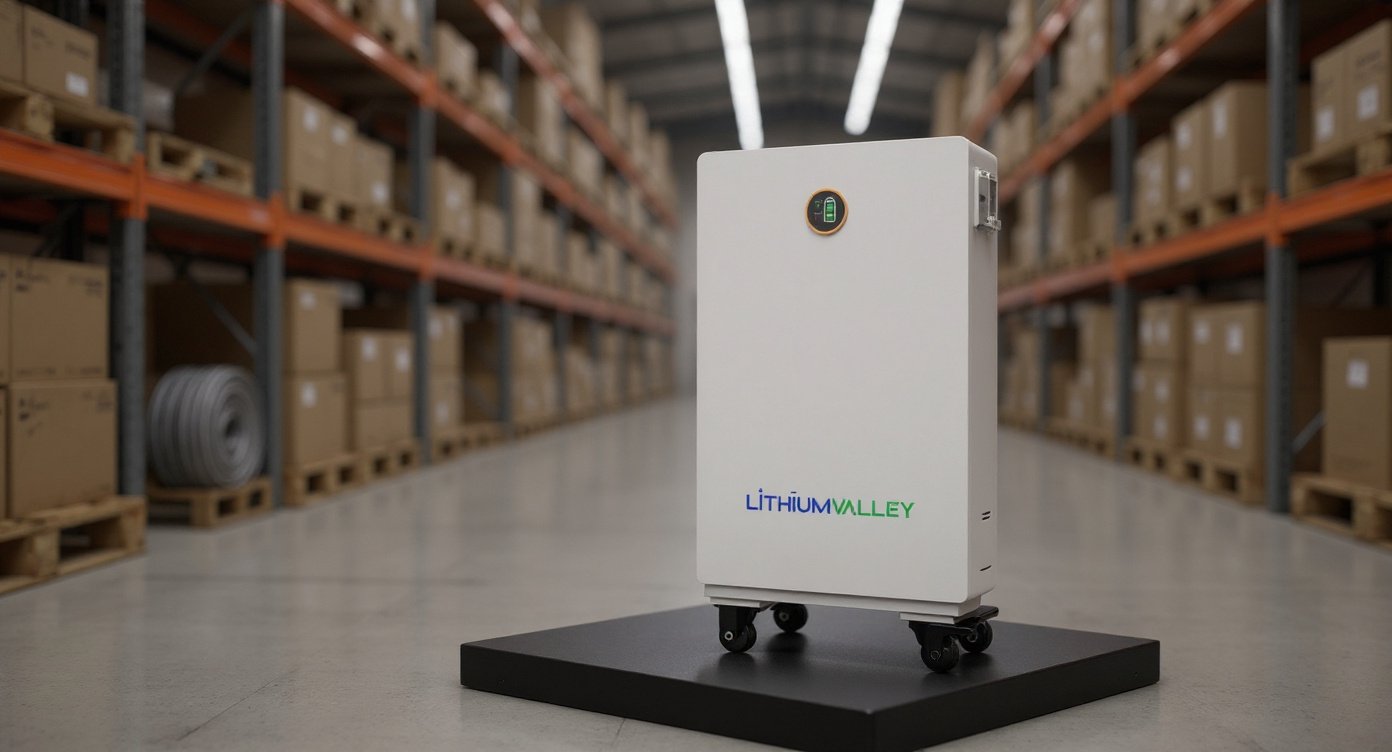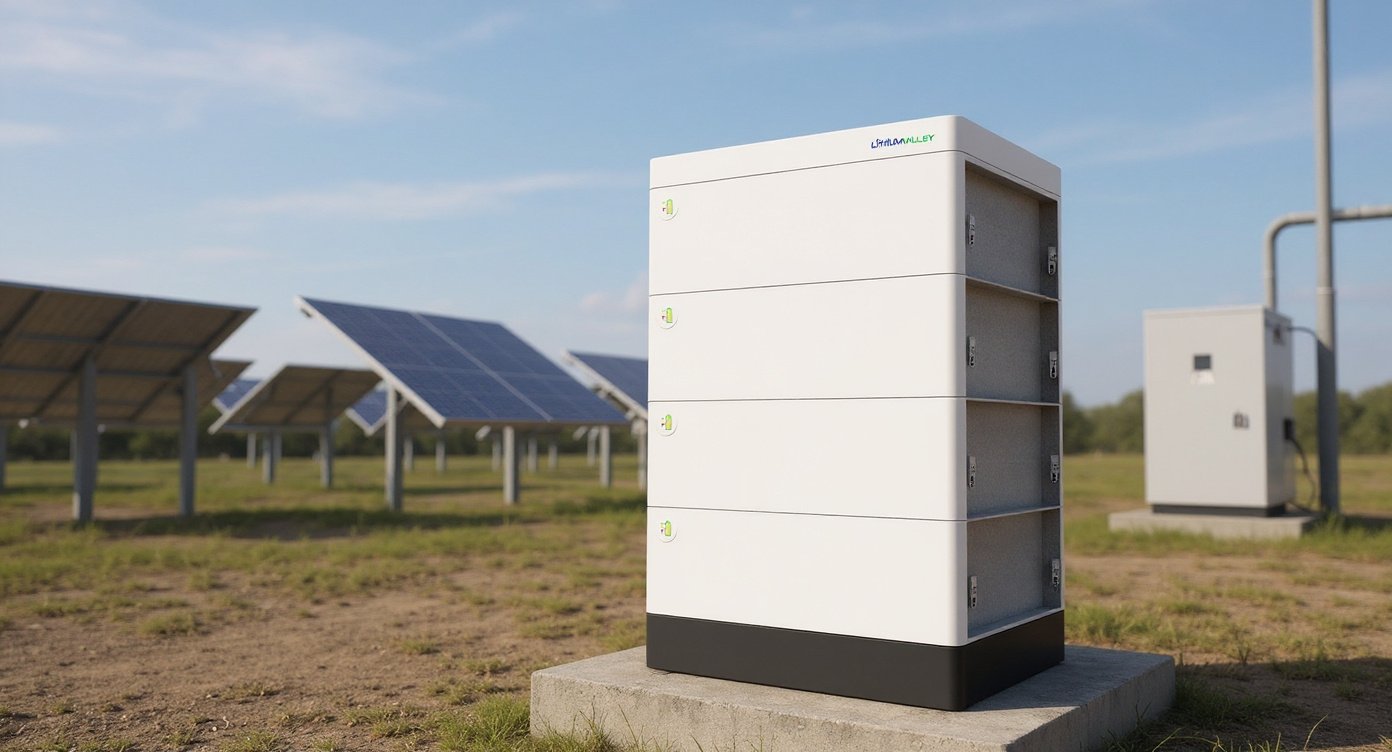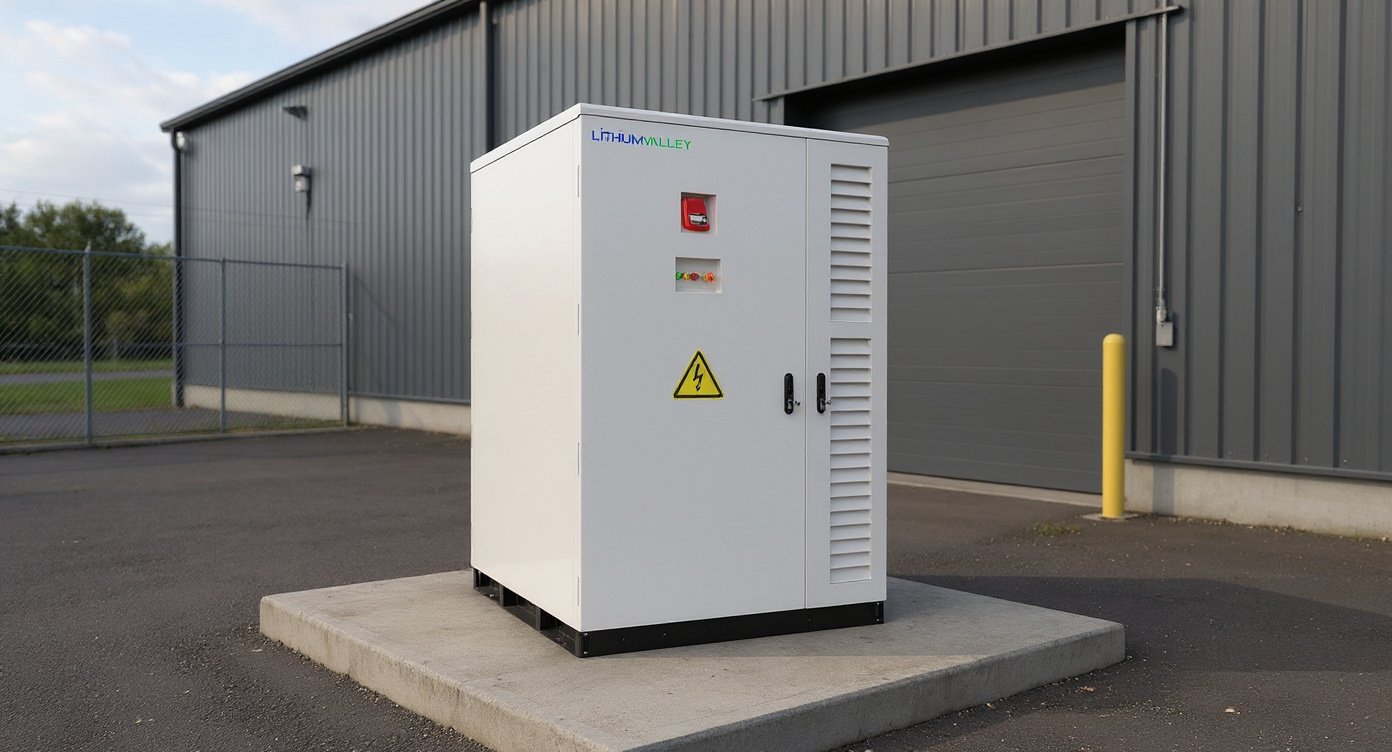
The LV-IESS-Hx_RH5.12x 50kWh Indoor rack-mounted installation is a serious piece of indoor energy storage hardware, not a casual garage battery. It’s a 50kWh, high-voltage, LiFePO4 rack system built for controlled spaces, with the kind of specs that make electricians pause and start checking breaker schedules.
That pause is healthy. This unit operates in a 500 to 584V range, with 100A continuous charge and discharge listed under the stated conditions. That’s real power. Real room planning. Real consequences if the install is sloppy.
I’ve seen projects get stuck on a 6-inch clearance issue. I’ve also seen a battery room passed on the first inspection because the team treated cable labeling like a religion. Same hardware. Different outcome. Different story.
What the LV-IESS-Hx_RH5.12x 50kWh Indoor rack-mounted installation is built for
This is an indoor rack-mounted battery family, sized for commercial storage, backup support, load shifting, and site energy control. The listing points to LiFePO4 cells, a multi-level BMS, module heat absorption, fire-extinguishing features, aerosol firefighting, and IP20 protection. That combination tells me the design intent is controlled indoor use, not flexible placement.
A few claims on the product page deserve a sober eye. The 15-year design life and 26,000 cycle figure sound strong, but I’d want the exact test window, depth of discharge, and temperature band before I put them into a pro forma. Without that context, numbers can flatter a bad operating profile. Fast cycling in a hot room is a different animal.
Honestly, if you live in a humid climate and the battery room is just a repurposed storage closet, skip this entirely. Not because the product is weak. Because the site is weak.
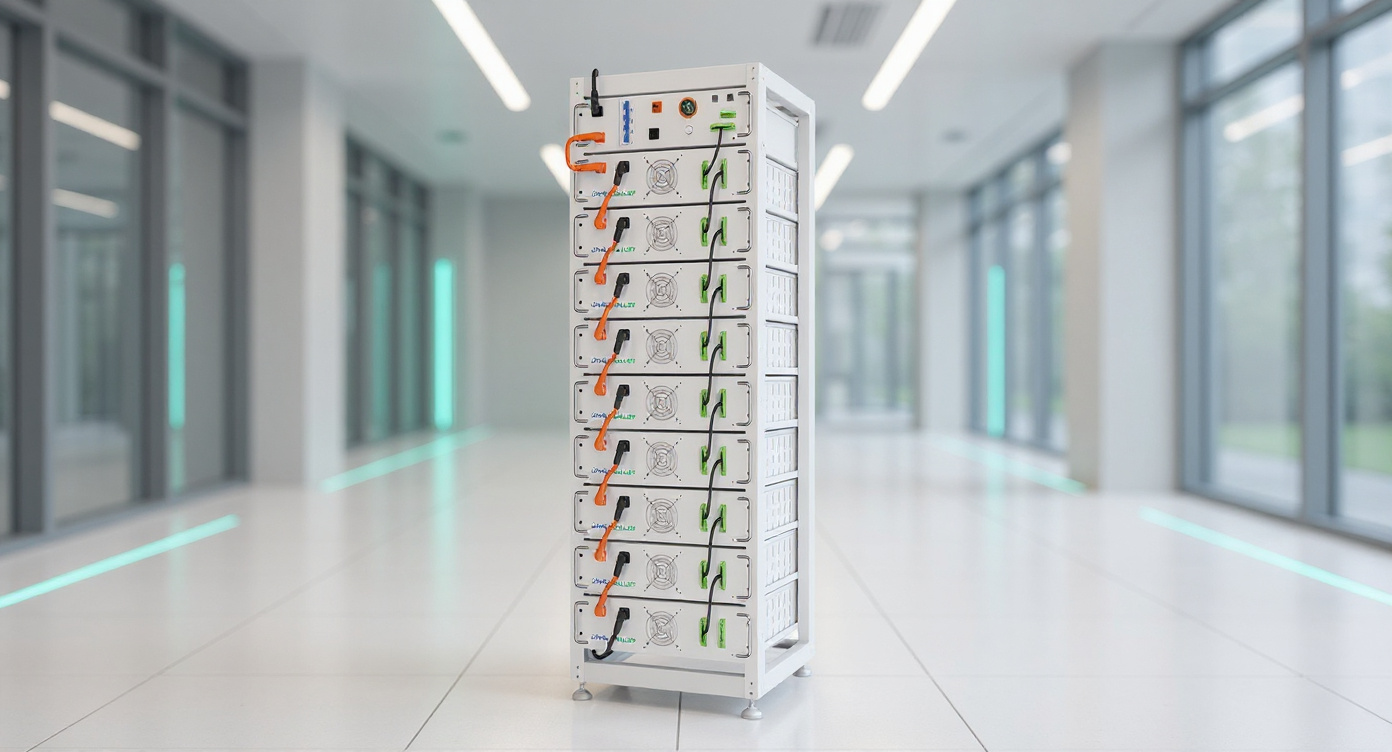
Quick comparison against common indoor rack choices
| Product class | Typical market pricing | Best for | Trade-off |
|---|---|---|---|
| LV-IESS-Hx_RH5.12x 50kWh Indoor rack-mounted installation | quote-based, usually sold as a system | indoor commercial ESS, higher-voltage rack work | needs disciplined room design and commissioning |
| Tesla Powerwall 3 | about $8,400 before installation | residential backup, simpler installs | not a 50kWh rack solution |
| Enphase IQ Battery 5P | about $3,000 to $3,500 each, before install | modular home backup | expensive to scale to 50kWh |
| SolarEdge Home Battery | about $7,000 to $8,000 before installation | home storage with matched ecosystem | not the same site scale or voltage class |
| BYD Battery-Box commercial stacks | usually quote-based | modular commercial storage | pricing and integration vary a lot by region |
The comparison is unfair in one sense, because the LV-IESS-Hx_RH5.12x 50kWh Indoor rack-mounted installation lives in a different category. But that’s the point. People keep comparing rack ESS to wall batteries and then wonder why the room, protection, and commissioning costs look so different.
The room matters more than the rack
A battery like this is only as good as the room it lives in. IP20 means indoor-only, with no water tolerance and no comfort around dust or casual contact. Treat it like utility infrastructure.
Here’s the checklist I’d use before I let anyone place the rack:
1. Confirm the electrical architecture can support 500 to 584V equipment without improvising on site.
2. Leave front access for service, plus side room for cable routing and inspection.
3. Verify the room has heat removal sized for peak duty, not just average days.
4. Keep the battery out of storage clutter, mop sinks, and anything with water risk.
5. Confirm alarm, isolation, and shutdown steps before the first charge.
6. Make sure the fire plan matches the authority having jurisdiction and the battery documentation.
A battery room should feel boring. Clean floor. Clear labels. No random boxes. No extension cords. No “we’ll move that later.” That sentence costs money. Sometimes a lot of it.
For procurement and layout review, the LV-IESS-Hx_RH5.12x product page is the right starting point because you can match the installed hardware to the actual rack configuration instead of guessing from a generic cabinet.
If you’re comparing related gear, the product catalog helps frame what belongs in this family and what doesn’t. For a site-level plan, installation support is the page I’d hand to the electrician before anyone starts pulling cable. And for systems with broader controls, battery storage solutions is where the integration questions start to get answered.
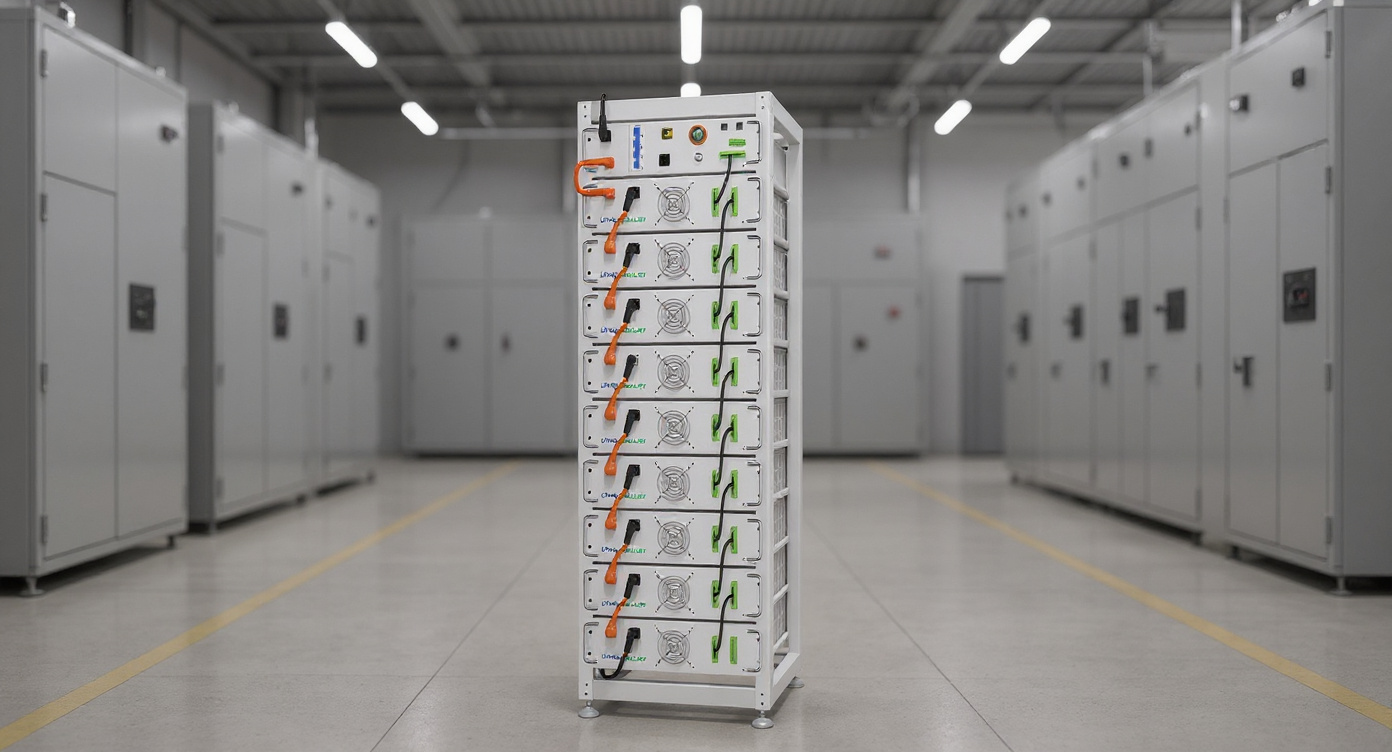
Safety layers, without the brochure gloss
Indoor storage is where chemistry, code, and human habits all meet. UL’s guidance on energy storage system testing and certification is worth reading because it keeps the conversation on verification, not wishful thinking. For fire-related planning, UL’s explanation of UL 9540A and NFPA 855 gives the best short version of why thermal runaway testing and installation rules matter.
LiFePO4 is usually the calmer choice for indoor ESS. Usually. That does not mean it can sit in a room with no detection, no isolation, and no response plan. It can still fail. It can still be abused.
The product page’s mentions of multi-level BMS, module heat absorption, fire-extinguishing features, and aerosol firefighting are good signs. They are not a substitute for site design. Not even close.
BMS, EMS, and the thing people confuse every week
BMS and EMS are different. Painfully different. I’ve watched a $60,000 install get delayed because someone assumed the battery’s internal protection would also handle dispatch logic. Nope.
| Function | What it does | Why it matters |
|---|---|---|
| BMS | Monitors cell voltage, temperature, balancing, and protection limits | keeps the battery within safe operating bounds |
| EMS | Decides when to charge or discharge based on site goals | affects cost savings, backup behavior, and cycle count |
| Protection gear | Disconnects, isolates, or suppresses faults | reduces damage when something goes wrong |
A strong BMS won’t save a bad dispatch strategy. If the EMS pushes deep cycling in a hot room, the battery ages faster than the quote sheet suggests. That’s not theory. That’s what happens.
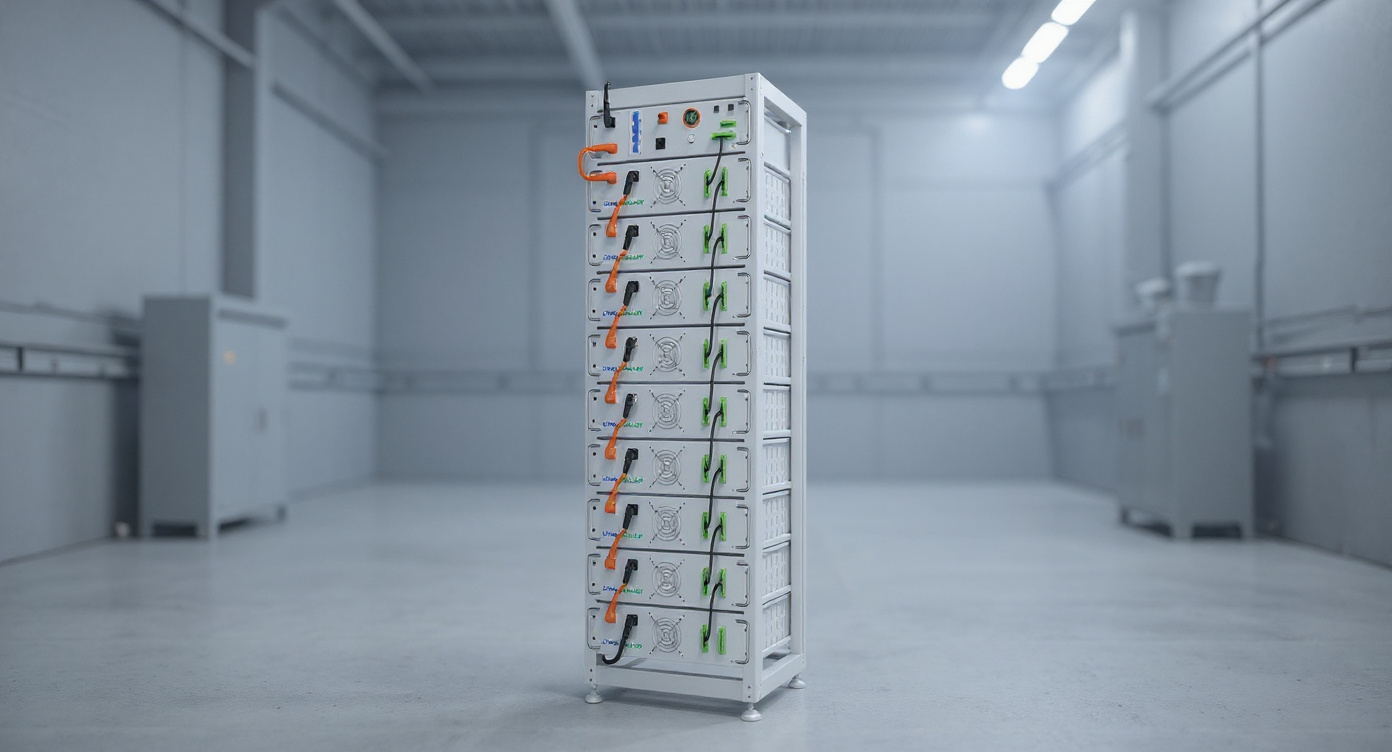
What I’d compare before signing off
| Decision point | What to check | Why it changes the outcome |
|---|---|---|
| Chemistry | LiFePO4 versus other lithium chemistries | affects thermal behavior and indoor risk tolerance |
| Voltage window | 500 to 584V on this family | must match inverter and protection design |
| Continuous current | 100A continuous charge/discharge stated | sets the practical power ceiling |
| Protection class | IP20 indoor-only | tells you where it can be installed |
| Fire strategy | aerosol firefighting and system-level protection | affects permitting and room layout |
| Life claim | 15 years, 26,000 cycles, only if test conditions match your use | impacts cost per kWh delivered |
For procurement discipline, the FEMP battery procurement checklist is still one of the better boring documents out there. Boring is good. It asks about operating profile, maintenance, warranty, and end-of-life planning before the excitement wears off.
Commissioning is where projects succeed or fail
The first week tells the truth. A clean install can still become a mess if commissioning is rushed. I’ve seen racks come online with labels missing on one end and upside down on the other. Embarrassing. Avoidable.
1. Match nameplate data to inverter and protection devices.
2. Check torque, cable routing, and labeling before energizing.
3. Confirm the BMS sees every module and reports sane temperatures.
4. Test alarms, isolation, and shutdown logic before putting the rack into service.
5. Start at a controlled state of charge, not a full-load sprint.
6. Record baseline readings so future drift stands out.
This is the part people want to skip. Don’t. The LV-IESS-Hx_RH5.12x 50kWh Indoor rack-mounted installation is the kind of system that rewards discipline and punishes shortcuts. Hard to fool. Good.
FAQ
Can you install the LV-IESS-Hx_RH5.12x 50kWh Indoor rack-mounted installation indoors?
Yes, that’s the intended use. The IP20 rating means indoor-only hardware, so it belongs in a controlled room, not an exposed or damp area.
What does the 500 to 584V range mean in practice?
It means the rack sits in a high-voltage operating window, so inverter matching, protection devices, and commissioning checks need to be designed around that range, not guessed after the order.
How much continuous current does it support?
The product listing states 100A continuous charge and discharge under the stated conditions. That number should be matched to your actual load profile and thermal conditions.
Is LiFePO4 a good choice for indoor ESS?
Usually yes, because it’s widely chosen for better thermal stability than many NMC systems. But it still needs code-compliant room design, detection, and shutdown logic.
What does IP20 mean here?
It means limited protection against contact and no meaningful water resistance. In plain language, this is indoor equipment, full stop.
Do rack-mounted batteries need fire suppression?
Often yes, or at least a code-driven fire protection strategy. What’s required depends on the authority having jurisdiction, the system design, and the submitted safety documentation.
How long does a rack-mounted lithium battery last?
That depends on temperature, depth of discharge, and cycling pattern. The product page claims 15 years and 26,000 cycles, but those figures need the exact test conditions attached.
What is the difference between BMS and EMS?
The BMS protects the battery itself. The EMS decides how the site uses that battery. One is safety and limits. The other is scheduling.
Can this battery replace a generator?
Not by itself. It can support backup, but runtime depends on load size, inverter setup, and how much energy you reserve for outage use.
How big a room do you need?
There is no single number that’s honest across all sites. You need space for the rack, maintenance access, cable paths, ventilation, and any fire or monitoring gear required by code.
Is this suitable for humid climates?
Only if the indoor space is genuinely controlled. If the room is damp, poorly sealed, or used as a catch-all storage area, I would not put this there.
What should you check before first energization?
Nameplate match, cable torque, module communication, alarm logic, isolation points, and baseline readings. Those six checks catch more issues than most people expect.
So, is it worth it?
If you need a controlled indoor 50kWh rack with a high-voltage window, LiFePO4 chemistry, and a build style meant for serious site integration, the LV-IESS-Hx_RH5.12x 50kWh Indoor rack-mounted installation makes sense. If your room is still being invented, or your fire plan is vague, or nobody knows who owns commissioning, wait.
That’s the honest answer. Good hardware won’t rescue a bad site. It won’t.
For the exact product reference, review LV-IESS-Hx_RH5.12x 50kWh Indoor rack-mounted installation alongside installation support, battery storage solutions, and the product catalog before you commit.